Short Media

TikTok LIVE vs TikTok Shop Videos: Which Converts Better
TikTok LIVE vs TikTok Shop Videos

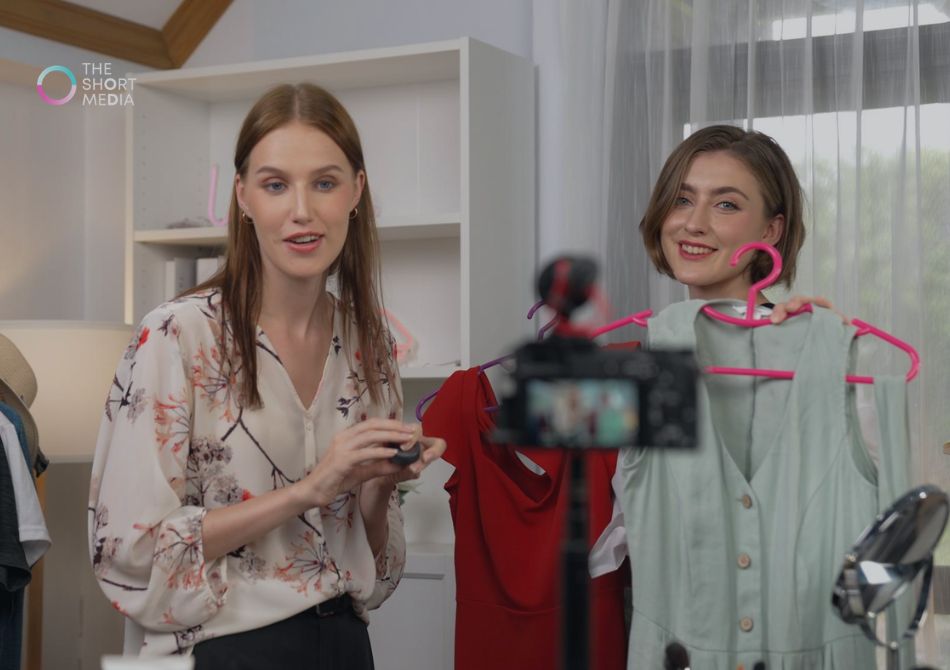
A few months ago, I watched a beauty brand run a polished TikTok Shop video campaign for a lip oil. Nice lighting, clean hooks, decent creator selection. It did fine. Then they put one of their in-house team members on LIVE with a ring light, a messy product table, and a very average script. Sales jumped. Not because the LIVE was prettier. It wasn’t. Half the comments were people asking if the shade looked orange in bathroom lighting. Someone asked whether it felt sticky. Another wanted to know if it would survive a coffee run. Those questions kept coming, and the host answered them in real time. That’s usually where the difference starts. When brands ask whether TikTok LIVE or TikTok Shop videos convert better, they’re usually hoping for a clean answer. There isn’t one. It depends on the product, the price point, the host, the comments, the offer, and honestly, whether the content feels like a person selling something they’d actually use. Still, after working with DTC brands, Amazon sellers, and retail teams in the USA, I’d say this: TikTok Shop videos usually win on efficiency and scale. LIVE often wins on intent and volume spikes, especially when there’s a real host who can handle objections without sounding like they memorized a brief five minutes earlier. Where a TikTok LIVE agency usually sees the split A good TikTok LIVE agency won’t treat LIVE and Shop videos like interchangeable assets. They do different jobs. TikTok Shop videos are often your always-on sales floor. They sit there, keep circulating, get picked up by affiliates, and can keep converting long after the first post. For a kitchen gadget, protein powder, or home cleaning product, that matters. A strong demo filmed in an actual kitchen in Ohio will often beat a slick studio ad because it answers the obvious stuff fast: Is it loud? Is it annoying to clean? Does it actually fit in a small cabinet? LIVE is more like a timed event. It can create urgency, move inventory fast, and surface objections your landing page never covered. I’ve seen comments on a LIVE completely rewrite a product page by the next morning. One fitness brand kept getting “Will this roll up if I have hips?” on leggings. That question barely appeared in paid ad comments. On LIVE, it showed up every five minutes. That’s why a TikTok LIVE agency worth hiring usually cares as much about comment handling and host training as production. TikTok Shop videos are often the better first conversion engine If you’re choosing where to put budget first, Shop videos are usually easier to get right. They don’t require a charismatic host for 90 minutes. They don’t depend on scheduling. They can be tested quickly with different hooks, creators, and offers. And they work well with affiliate volume, which is a huge piece of the TikTok Shop ecosystem in the USA right now. This is where TikTok Shop advertising Services tend to earn their keep. Not by tossing spend behind random posts, but by identifying which product angles actually convert. For example: – A food brand may think taste is the hook, but comments show buyers care more about sugar content and portion size. – A home product brand may lead with aesthetics, while the winning video is just someone showing how easy the item is to store under a sink. – An Amazon seller might find their best-performing TikTok Shop asset is a creator saying, “I bought this because I was tired of replacing the cheap version every three months.” That kind of specificity matters. TikTok Shop advertising Services are most useful when they connect creative testing with product-market reality, not when they just dress up standard paid social reporting in TikTok language. Why Shop videos convert so consistently Short answer: they match how people browse. A user sees the product, gets the demo, checks the price, looks at reviews, maybe watches two more creator videos, and buys. It’s not always emotional. A lot of it is practical. Especially for beauty, supplements, small electronics, and those oddly successful household items that look boring until someone demonstrates them properly. And unlike LIVE, the content can keep working while your team sleeps. That’s a big reason many brands start with TikTok Shop advertising Services before building out a full LIVE operation. LIVE can outperform video when the product needs a little selling Some products need more explanation, more trust, or a stronger push. That’s where a TikTok LIVE marketing agency USA setup can outperform static Shop content. If you’re selling foundation shades, hair extensions, shapewear, cookware bundles, or anything where buyers have a lot of “yeah, but…” questions, LIVE has an edge. Not automatically, though. I’ve seen LIVE sessions flop because the host read a script too perfectly. You could almost hear the brand manager in the background. Viewers leave fast when it feels rehearsed. On the other hand, a slightly imperfect host who knows the product can do real damage—in a good way. They’ll say, “Okay, this part is annoying, you do need to wash it by hand,” and that honesty often pushes more conversions than polished talking points. A solid TikTok LIVE marketing agency USA team usually focuses on four things: Host fit matters more than follower count A creator with 20,000 followers who can answer product questions naturally may outsell a bigger personality who treats the LIVE like a generic sponsorship. This comes up constantly in beauty and wellness. Offers need a reason to exist now LIVE viewers need a nudge. Limited bundles, gifts with purchase, timed discounts, low-stock callouts that are actually true. Not fake urgency. People can smell that. Comment flow is part of the funnel The comment section tells you where the sale is getting stuck. If ten people ask whether a pan works on induction stoves, and the host misses it, you’ll feel it in conversion rate. Energy matters, but fake hype usually tanks You don’t need a loud host. You … Read more
How TikTok LIVE Is Becoming the New Home Shopping Channel

How TikTok LIVE Is Becoming the New Home Shopping Channel

A few months ago, I was watching a beauty brand’s TikTok LIVE on a Tuesday night. Nothing fancy. A creator was standing in her bathroom, bad overhead lighting, stack of products on the counter, answering comments as they came in. Somebody asked whether the serum pilled under sunscreen. Another wanted to know if it worked on oily skin in Florida humidity. She tested it right there, on camera, while talking. That LIVE sold more than the brand’s polished launch video from the week before. That’s the part a lot of teams still miss. They’re treating TikTok LIVE like a bonus content format, when it’s starting to look a lot more like the modern version of QVC — only faster, messier, and way more responsive. Not “premium” in the old sense. But often better at moving product. For brands in the USA, especially in beauty, food, fitness, home, and impulse-friendly DTC, this shift matters. A lot. TikTok LIVE didn’t copy home shopping — it fixed some of its problems Traditional home shopping worked because it combined demo, urgency, and personality. Someone showed you the product, explained why it mattered, repeated the offer, and handled objections in real time. TikTok LIVE does that too, but without the stiff, overproduced feel that turns younger shoppers off. The format is looser. A host can pivot the second the comments change direction. If viewers keep asking whether a pan is really nonstick, the host can crack an egg and show it. If a protein powder tastes chalky, people will say so in the comments, and you’d better address it. That’s useful. Sometimes painfully useful. I’ve seen comments in LIVE sessions reveal issues the product page completely ignored. Shade confusion. Sizing concerns. Shipping anxiety. Whether a candle is strong enough for a large open-plan room. Those are sales objections, but they rarely show up neatly in a brand brief. That’s why TikTok LIVE marketing works differently from standard paid social. You’re not just pushing a message. You’re watching the audience rewrite the script in real time. Why brands are taking TikTok LIVE for Brands more seriously now A year or two ago, some teams treated LIVE like an experiment they could hand off to social interns or creators with a ring light. Now it’s getting budget conversations. Part of that is platform behavior. People are already comfortable buying after seeing a quick demo, especially for products that benefit from a visual proof point. Think heatless curlers, stain removers, posture correctors, kitchen organizers, pet hair tools, lip stains, meal prep gadgets. You don’t need a 90-second ad if someone can use the thing live and answer “does it actually work?” on the spot. Part of it is economic. Customer acquisition isn’t exactly getting cheaper. Brands are tired of paying for traffic that bounces because the landing page still has unanswered questions. TikTok LIVE for Brands gives you a chance to close some of that gap before the click even happens. And honestly, some of the best-performing LIVE content doesn’t look expensive. A product demo filmed in a kitchen often beats studio content for food brands. I’ve watched a founder cut open frozen breakfast sandwiches on a live stream and outsell a sleek campaign edit that probably took three rounds of approvals. Not always. But often enough that it changes how you plan. What a TikTok LIVE shopping agency actually helps with There’s a reason more brands are looking for a TikTok LIVE shopping agency instead of trying to build the whole thing in-house from scratch. LIVE selling sounds simple until you’re in it. Then suddenly you need hosts, moderation, offers, inventory coordination, product sequencing, comment handling, creator training, technical setup, and a plan for what happens when the host starts reading a script too perfectly and the audience drops off. A good TikTok LIVE shopping agency usually steps in where internal teams get stretched. Not just creative, but operations too. That can include: – finding creators who can actually sell live, not just post pretty content – building run-of-show documents that don’t sound robotic – mapping products to likely objections and FAQs – coordinating flash offers without breaking fulfillment – clipping LIVE moments into paid and organic assets afterward That last piece gets overlooked. Some of the strongest TikTok LIVE marketing assets come after the stream ends. A host answering one honest question about whether a shapewear piece rolls down at the waist can become a much better conversion asset than the original ad concept. The brands that fit this format best Not every product belongs on LIVE. Some categories need more education, more regulation, or a different buying environment. But there are clear winners. Beauty is obvious. Foundation matching, texture tests, wear checks, side-by-side comparisons — all of that plays well in LIVE. Same for hair tools and skincare bundles. Food can work surprisingly well too, especially in the US market where snack brands, supplements, sauces, and frozen products already live or die on taste cues and convenience. If the host can make it feel real instead of overrehearsed, people stick around. Fitness products do well when the host actually uses them. Not “fitness lifestyle content.” Actual use. Resistance bands, massage guns, recovery tools, hydration products, posture gear. Viewers can tell when someone has never touched the item before going live. Home products are another strong fit. Cleaning tools, storage items, bedding, kitchen gadgets, pet accessories. The old infomercial instincts still work here, just with comments flying by and less patience for fake enthusiasm. And then there’s Amazon-focused brands. A lot of them are quietly figuring out that TikTok LIVE for Brands can warm up demand before shoppers end up on Amazon anyway. Even if the final purchase doesn’t happen inside TikTok, the stream can do the heavy lifting. TikTok LIVE marketing is less about polish, more about pace This is where some brand teams get uncomfortable. They want every line approved. Every claim tightened. Every host trained to stay “on message.” Fair enough. But … Read more

Why TikTok LIVE Is Becoming a Customer Acquisition Channel

Customer Acquisition Channel

I’ve watched more than a few brand teams walk into TikTok LIVE with the wrong plan. Usually it starts the same way: someone sees a competitor selling out a product on a live, the team scrambles, a creator gets handed a script that sounds like it came from legal, and the whole thing dies in front of 43 viewers. No pace, no real demo, no host chemistry, no offer worth staying for. Then everyone says TikTok LIVE “doesn’t work for our category.” Sometimes it really doesn’t. A lot of times, though, the setup was bad. What’s changed in the last year or two is that LIVE isn’t just a place to entertain existing followers or clear a little inventory. For the right brand, it’s turning into a real acquisition channel. Not a side tactic. Not just community fluff. Actual first-touch customer growth, especially when the host, product, and offer are built for the format. That’s why more teams are looking for a TikTok LIVE agency USA brands can rely on, especially if they need help with creator sourcing, moderation, offer planning, and conversion tracking. Because LIVE has gotten more operational than people expected. It’s not just “social content” anymore A lot of marketers still look at TikTok LIVE like it’s an organic add-on. Something the social team can squeeze in between content shoots. That’s usually the first mistake. LIVE behaves more like a hybrid between storefront, creator content, QVC, customer research session, and performance media. A beauty brand can test shade objections in real time. A snack company can watch comments pile up around ingredients or shipping costs. A fitness brand can see exactly where people drop off during a product demo. You don’t get that kind of feedback from a static PDP. And unlike polished launch content, LIVE gives people room to hesitate out loud. That matters. I’ve seen comments reveal the exact objection a sales page missed: “Does this work on textured hair?” “Can I use this in a small apartment?” “Is this safe for sensitive skin?” Sometimes the host answers it well and conversion picks up right there. Sometimes they dodge it, and you can practically feel the cart abandonment happening live. That’s a big reason TikTok LIVE marketing has become more interesting to paid social teams, not just community managers. It creates acquisition moments while also exposing friction. The brands doing well on LIVE are built for demonstration Some categories have an easier path. Beauty, kitchen tools, supplements with a clear routine, cleaning products, home gadgets, hair tools, shapewear, storage products, pet accessories. If the product can be shown, compared, tested, or reacted to, it has a shot. If the benefit lands in eight seconds, even better. I’ve seen a product demo filmed in a regular kitchen outperform studio content because it felt believable. Not glamorous. Just a host opening a drawer, showing the mess, then fixing it with a storage product people immediately understood. Same thing with skincare. A creator applying product under bathroom lighting often beats the overproduced version because viewers trust what they can actually see. That’s where TikTok LIVE shopping agency support can help. Not because agencies magically make products sell, but because good ones know how to shape the live around proof. They know when a host is over-explaining. They know when a bundle needs to be introduced earlier. They know when the comments are telling you the audience wants a cheaper entry offer. A lot of TikTok LIVE marketing success comes down to this: can someone understand the product fast, believe the host, and act before they scroll away? Why acquisition is happening here, not just retention The old assumption was that LIVE mostly served your existing audience. That’s less true now. TikTok surfaces LIVE content to people who weren’t already looking for your brand. That changes the economics. A small DTC brand in Texas selling scalp care doesn’t need a massive follower base if the host is strong and the product story is clear. A cookware brand launching a new pan can reach people who just like cooking content. An Amazon seller with a clever cleaning tool can pick up first-time buyers if the demo is satisfying enough and the host doesn’t sound like they memorized the brief five minutes ago. That last part matters more than people think. The creator reading a script too perfectly is one of the fastest ways to kill a live. Viewers can feel the stiffness immediately. You want structure, sure. But not a hostage-video product pitch. A smart TikTok LIVE agency USA partner usually builds talking points, objection handling, offer timing, pinned product strategy, and moderator cues without making the host sound robotic. That balance is harder than it looks. And when it works, TikTok LIVE marketing can bring in customers who weren’t searching, weren’t on your email list, and probably wouldn’t have clicked a standard ad. The comment section is doing part of the selling This is the part some teams underestimate. On a good live, the host is selling, but the comments are closing. Or at least helping. People ask whether the leggings are squat-proof, whether the seasoning is too spicy for kids, whether the vacuum works on pet hair, whether the serum pills under makeup. Those aren’t random interruptions. That’s buying intent showing up in public. For local services in the USA, this can get surprisingly practical. A med spa, dental group, or boutique fitness studio can use LIVE to answer the boring but important stuff people won’t always ask on a landing page: downtime, pricing ranges, appointment timing, what first-time clients should expect. Not every local brand should do it, but some absolutely can. A good TikTok LIVE shopping agency will treat comments like live conversion data, not background noise. If the same question appears ten times, that’s not just moderation work. That’s messaging. And honestly, this is where a lot of brand websites still lag behind. The sales page says “premium materials.” The comments ask, “Will this … Read more

The Tech Stack Behind a Successful TikTok LIVE agency Event

TikTok LIVE agency

A few months ago, I watched a beauty brand run a TikTok LIVE launch for a new lip oil. Nice product. Good host. Solid discount. And still, the stream felt off within the first three minutes. The audio was thin. Comments were moving too fast for anyone on the brand side to catch the same question showing up over and over. The product pin disappeared at the worst possible moment. Then the host tried to read a script word for word and sounded like she was doing compliance training. That’s usually how these things go when a brand thinks TikTok LIVE is just “hit go and start talking.” It isn’t. The technology behind a strong TikTok LIVE event matters more than a lot of teams want to admit. Not because viewers care about your setup in some abstract production sense. They don’t. They care when the stream lags, when the checkout path gets clunky, when the host can’t see what’s happening, or when the lighting makes a skincare serum look like cooking oil. If you’re working with a TikTok LIVE agency or building this in-house, the tech decisions shape the outcome fast. And not in a theoretical way. In revenue, retention, comments, saves, follow growth, and whether the replay is usable at all. The setup isn’t about looking expensive A lot of US brands still overdo the wrong parts. They rent a studio, bring in polished backdrops, and end up with content that feels like a QVC audition. Meanwhile, a kitchen demo for a home cleaning spray, shot with good window-balanced lighting and a stable connection, quietly outperforms it. That’s not because low-fi always wins. It’s because TikTok punishes anything that feels stiff. A good TikTok LIVE management agency usually knows this already. The goal isn’t “high production.” It’s technical reliability with enough flexibility to feel native to the platform. That usually means: – stable upload speed, not just decent internet on paper – clean audio before fancy camera upgrades – lighting that makes skin tone and product texture look real – moderation tools running in parallel – a host view that lets talent respond to comments without getting overwhelmed – product integration that doesn’t break the flow Simple stuff, but it’s where streams either hold people or lose them. Why connectivity is the first thing a TikTok LIVE management agency checks Most bad LIVE events don’t fail because of creative. They fail because the connection drops, stutters, or degrades at the exact moment the audience spikes. And the annoying part is that teams often test the stream in an empty room, then go live in a retail store, warehouse, salon, or event venue where the network behaves completely differently. For US retail launches especially, that’s common. I’ve seen a snack brand go live from a grocery endcap with decent foot traffic, only to have the mobile connection wobble once customers started posting on the same network. Not dramatic. Just enough delay to make the host talk over comments and miss buying cues. A TikTok LIVE agency worth paying for usually plans for redundancy. Backup hotspot. Device testing. Hardwired options if the setup allows it. Actual speed tests at the same time of day as the event. Not glamorous, but necessary. And if you’re doing TikTok LIVE marketing around a product drop, that reliability matters because LIVE traffic tends to bunch up around key moments. Promo code reveal. Limited bundle mention. Creator guest joining. If your stream chokes there, you don’t really get that moment back. Audio is usually the thing viewers notice first People will tolerate imperfect video longer than brands expect. They won’t tolerate bad sound for long. This comes up constantly in fitness, food, and beauty streams. A trainer doing a supplement launch can look fine on camera, but if the mic picks up HVAC hum and room echo, the whole thing starts to feel cheap. Same with a cookware demo where sizzling pans drown out the host. You can almost see the drop-off happen. A strong TikTok LIVE management agency pays attention to mic choice, room treatment, and monitoring. Lavalier mics can work. Shotgun mics can work. Wireless systems can work. None of them work well if nobody is actively listening during the stream. That last part gets missed. Someone needs to monitor the actual audience output, not just what sounds fine in the room. I’ve also seen hosts get too close to gain-heavy mics and start clipping every time they get excited. Which, on TikTok, they will. The hidden tech is often in the comment flow This is where TikTok LIVE marketing gets more interesting than standard social video. The comment section is not just engagement. It’s live market research, objection handling, and sales support all happening at once. If you don’t have a system for reading and sorting comments, the host ends up guessing what matters. For example, during a home product demo, comments might reveal that people aren’t confused about the product itself — they’re confused about whether it works on quartz, whether it ships to Alaska, or whether the refill is included. That’s not a copywriting issue on the landing page. That’s a live conversion issue. A decent team will use moderators, shared dashboards, and internal chat so the host gets fed the right prompts in real time. Not every comment. Just the useful ones. That’s one reason a TikTok LIVE agency can be helpful for brands that are new to the format. The agency isn’t just booking creators or handling logistics. They’re building a response system so the stream doesn’t feel chaotic. Product integration has to feel native or it falls apart This is especially true for commerce-driven streams. If product pins are mistimed, bundles are unclear, or the host has to stop and explain where to click every 90 seconds, the event gets clunky fast. Good TikTok LIVE marketing depends on the technical side of shopping integration being almost invisible. That includes inventory sync, offer timing, product naming, and … Read more

How Brands Can Repurpose TikTok LIVE Content Into Ads

TikTok LIVE Content

A lot of brands treat TikTok LIVE like a one-off event. The host goes live, there’s a spike of comments, maybe a few sales come through, everyone says “nice,” and then the footage disappears into a folder no one opens again. That’s a waste. Some of the strongest ad creative I’ve seen didn’t start as a polished campaign asset. It came from a slightly chaotic live demo, a founder answering the same customer objection for the fifth time, or a creator showing a product in a kitchen with bad overhead lighting. Not glamorous. Still worked. Usually because it felt real enough to hold attention for a few extra seconds, and on TikTok that matters more than most brand teams want to admit. If you’re working with a TikTok LIVE marketing agency USA brands can trust, this is usually one of the first things worth fixing: stop thinking of LIVE as separate from paid. Your LIVE sessions can feed TikTok paid ads, sharpen your TikTok content strategy, and give your team language straight from actual buyers instead of a copy doc written in a vacuum. The real value of LIVE isn’t just the live moment When a brand goes live, you get more than reach. You get raw material. You hear what people are confused about. You see where attention drops. You notice which demo angle gets comments and which one gets silence. I’ve seen beauty brands spend weeks refining product page copy, then learn in ten minutes of LIVE comments that shoppers were mostly worried about shade match in bathroom lighting. That’s useful. Way more useful than another internal brainstorm. For brands in the USA, especially in beauty, food, fitness, home products, and Amazon-driven DTC, LIVE can act like a fast feedback loop. A founder of a supplement brand explains how they actually use the product. A cookware brand shows cleanup in a real sink instead of a studio set. A local med spa answers questions about pricing that people were too hesitant to ask on the website form. That material can become TikTok paid ads that feel less invented and more observed. What to pull from a LIVE before you turn it into ads Not every minute of a livestream deserves a second life. Most of it doesn’t. You’re looking for moments with tension, clarity, or proof. Here’s what usually makes the cut: Objection-handling clips These are gold. Someone in the comments asks, “Does this actually work on textured skin?” or “Will this fit in a small apartment?” and the host answers on camera with the product in hand. That’s an ad. A lot of TikTok paid ads fail because they open with a claim but never deal with the hesitation sitting in the buyer’s head. LIVE comments hand that hesitation to you for free. Unplanned demos A scripted demo can be fine, but sometimes the better clip is the one where the host spills a little, wipes it off, and keeps going. I’ve watched a home cleaning product demo filmed during LIVE outperform studio creative because the mess looked like an actual mess people have in their own homes. Same thing with food brands. A frozen snack shown in a slightly cramped apartment kitchen can beat a commercial-looking setup. Not always. But often enough that it’s worth testing. Reactions and social proof If viewers are commenting things like “wait I needed this,” “I bought this last week and it’s actually good,” or asking where to get it, those reactions can shape your edit. You don’t need to plaster comments all over the screen, but you can build ads around the exact moments that triggered them. That’s where TikTok content strategy gets better. Less guessing. More pattern recognition. TikTok LIVE marketing agency USA teams usually fix the editing problem first A common mistake is trying to turn a full LIVE recording into an ad by trimming it down a little. That almost never works. LIVE has a different pace. Ads need a faster opening, cleaner framing, and a reason to keep watching in the first two seconds. A good TikTok LIVE marketing agency USA partner won’t just clip random highlights. They’ll rebuild the moment for paid use. That usually means: – cutting out the warm-up chatter – starting with the strongest visual or sharpest question – adding text that frames the clip without overexplaining it – tightening dead air, repeated phrases, and comment lag – keeping enough roughness that it still feels native There’s a balance here. If the creator reads a rewritten version too perfectly, performance often drops. You can feel it. The clip starts sounding like an ad trying to wear a TikTok costume. How LIVE footage fits into TikTok paid ads without feeling recycled This is where teams either get smart or get lazy. Repurposing doesn’t mean reposting the same livestream chunk everywhere and hoping it works. It means using LIVE as source material for multiple ad angles. A single 30-minute session can produce: A direct-response cut This version focuses on the clearest product problem and solution. Good for conversion campaigns. Think skincare, posture devices, kitchen tools, pet products. A creator-style testimonial cut Take a strong host reaction or customer comment, then shape it into something that feels like a recommendation instead of a pitch. This can work well for retail launches and Amazon products where shoppers need a little nudge, not a full education. A FAQ cut These do well when the comments reveal friction. Shipping concerns, sizing, ingredients, durability, setup time. A fitness brand, for example, might pull three quick answers from a LIVE and turn them into a compact ad that sounds like a coach clearing things up. This is also where TikTok content strategy should connect with the paid team. If organic and paid are operating like separate departments with separate instincts, you end up with weird disconnects. The organic team sees what people care about; the paid team keeps pushing angles no one responded to. Don’t clean it up so … Read more

TikTok LIVE Shopping vs Traditional Livestream Selling

TikTok LIVE Shopping vs Traditional Livestream Selling

A few months ago, I watched a US beauty brand run two live selling events in the same week. One was on TikTok. Fast-paced, comments flying, creator holding up a lip oil in bad apartment lighting, sales coming through anyway. The other was a more traditional livestream setup on the brand’s own site. Better camera. Better graphics. Much quieter. Fewer questions, fewer impulse buys, and honestly less energy. That contrast says a lot. A lot of brands still lump all livestream commerce into one bucket, but TikTok’s version behaves differently. The audience acts differently, the pacing is different, and what actually drives conversion isn’t always what your e-commerce team expects. If you’re comparing TikTok LIVE shopping with older-school livestream selling, you’re not just comparing two sales channels. You’re comparing two very different customer behaviors. TikTok LIVE shopping agency perspective: why these formats don’t behave the same If you’ve worked with a TikTok LIVE shopping agency, you’ve probably heard some version of this already: the mechanics may look similar, but the buying mindset is not. Traditional livestream selling usually asks people to show up on purpose. They click into a scheduled event, often from an email or SMS push, and they already know the brand. Think QVC energy, just modernized. That can work well for loyal customers, product drops, and categories where a longer demo matters. Home products, kitchen gadgets, supplements, collectible launches. There’s intent there. TikTok LIVE shopping is messier. In a good way. People drift in from the For You feed. They may not know the brand at all. They’re half browsing, half being entertained, and then suddenly they’re asking whether the protein powder tastes chalky or if the self-tanner stains sheets. That’s where TikTok LIVE marketing gets interesting. The comments often surface the exact objections your product page forgot to answer. I’ve seen a kitchen-shot demo for a countertop ice maker outperform polished studio content because the host casually showed the machine running next to a sink full of dishes. It looked real. A little chaotic. People trusted what they were seeing. That’s not a small detail. It’s the format. Traditional livestream selling still works — just not for the same reasons There’s still a place for traditional livestream selling, especially in the USA where brands already have email lists, retail partnerships, loyalty programs, and repeat buyers they can activate. For example, if a home fitness brand is launching a new adjustable dumbbell set and wants to walk through specs, financing, warranty, and setup, a longer-form branded livestream can do the job. Same for a cookware company doing a holiday bundle event with a chef host. The audience may be smaller, but they’re warmer. Traditional livestream selling tends to reward structure: – scheduled run of show – product segments – prepared host talking points – cleaner conversion path That structure can help. It can also make the whole thing feel stiff if the host sounds too rehearsed. I’ve watched creators lose a room by reading a script too perfectly. You can almost feel the comments cool off. With TikTok LIVE marketing, over-polish is often a drag. Not always, but often enough that brands should pay attention. The real difference: discovery vs appointment viewing This is where most comparisons get fuzzy. Traditional livestream selling is closer to appointment viewing. You invite people in. They show up with some level of purchase intent. The brand controls more of the environment. TikTok is discovery-led. People are not necessarily planning to shop. They’re scrolling. Then a host catches attention in the first few seconds, maybe with a demo, maybe with a strong offer, maybe just by being believable. That changes how TikTok shop marketing needs to work. A brand can’t rely on the same old “join us live at 7 PM” strategy and expect magic. Promotion matters, sure, but the live itself has to earn attention quickly. The first minute is usually more important than the slide deck, the lower-third graphics, or the talking points your paid social manager spent all afternoon polishing. That’s also why TikTok shop marketing often works best when the host feels native to the platform. Not overly trained. Not robotic. Someone who can pivot when comments come in sideways. A good host won’t just say the moisturizer is lightweight. They’ll answer the actual question in the chat: “Would this pill under sunscreen if I’m using a mineral SPF?” That’s selling. Why TikTok LIVE marketing tends to move faster Pacing matters more than most teams think. Traditional livestreams can sit in a product explanation for five or six minutes. On TikTok, that’s risky. New viewers are constantly entering. They haven’t heard the setup. They need context fast. So TikTok LIVE marketing often relies on repeated mini-pitches, quick demos, pinned products, offer reminders, and constant comment response. It can feel repetitive to the brand team. To the viewer, it usually doesn’t. This is also where TikTok shop marketing and merchandising need to be tighter than people expect. If the featured SKU isn’t pinned correctly, if the offer is confusing, if the host is talking about shade 3 while shade 7 is pinned, conversion drops for very boring reasons. Not strategic reasons. Just sloppy execution. I’ve seen that happen with a DTC hair tool brand. Great host, strong audience, comments full of “which barrel are you using?” but the wrong variant was highlighted for ten minutes. Sales slowed down immediately. Fix the pin, orders pick back up. Not glamorous, but real. Where a TikTok LIVE shopping agency actually helps A TikTok LIVE shopping agency isn’t useful because brands can’t go live on their own. They can. The issue is that most internal teams underestimate how operational this channel is. A solid TikTok LIVE shopping agency usually helps with host selection, run-of-show planning, moderation, offer packaging, product pinning, creator briefing, and post-live analysis. The better ones also know when not to overproduce. That matters. A lot of US brands come in thinking they need a mini TV show. They don’t. … Read more

What Makes Viewers Stay Longer in TikTok LIVE Sessions

TikTok LIVE Sessions

I’ve watched enough brand lives on TikTok to know the drop-off usually happens fast. Not always because the product is bad. Usually because the first two minutes feel stiff, the host sounds like they memorized bullets from a deck, and nobody adapts when the comments start telling the real story. A founder from a small skincare brand in Texas once opened a live by reading discount details for almost a full minute. You could actually see the room thin out. Later that week, the same product sold better when a TikTok live creator went live from her bathroom, opened the jar on camera, and talked through why she used it after tretinoin. Less polished. More convincing. And viewers stayed. That’s the thing about TikTok LIVE marketing: retention usually has less to do with “going live” and more to do with whether the session feels alive. TikTok LIVE marketing works when the live has a pulse A lot of teams still treat live sessions like a watered-down webinar or a shopping channel with comments on the side. That’s usually where it goes wrong. The lives that hold attention tend to have movement. Not chaos, just momentum. A host is demoing, reacting, pinning comments, changing angles, answering objections, showing results, then circling back to the offer without sounding like they’re trapped in a script. For US brands, this matters even more when the product needs explanation. Think beauty tools, supplements, kitchen gadgets, posture devices, pet products, even local med spa offers. If the product has friction, live can help. But only if the host can handle that friction in real time. I’ve seen comments do more research than a landing page ever did. Someone asks if a protein powder tastes chalky. Another says they bought a similar one on Amazon and hated it. That’s not a problem. That’s the sales conversation showing up in public. A strong TikTok live creator knows how to use that moment instead of ignoring it. The host matters more than the setup Not every charismatic creator can hold a live. And not every polished spokesperson should. A good TikTok live creator knows how to pace a room. They know when to pause on a product close-up, when to call out a username, when to stop talking because comments are moving in a different direction. They also know when a script is hurting them. You can hear it, honestly. The tone gets too clean, too exact, and suddenly the live feels like a training video. That’s why brands working with a TikTok LIVE agency often see better retention once they stop over-controlling the message. The agency’s real job isn’t just booking talent or scheduling streams. It’s matching the right host to the right product and giving them enough structure without sanding off their instincts. I’ve seen a kitchen demo for a home product outperform studio content by a mile because the creator kept fumbling with the packaging a little, laughed, and then showed how it actually fit under the sink. Real homes sell home products better than glossy set builds. Usually. A script should guide, not flatten There’s a difference between preparation and overproduction. The best live sessions usually have a loose run of show: – first hook – quick proof point – product demo – comment handling – offer reminder – reset for new viewers That structure helps. But if the host sounds like they’re checking boxes, average watch time drops. Fast. A TikTok LIVE agency that understands retention will build talking points around natural moments: texture reveal, before-and-after, side-by-side comparison, “here’s what annoyed me at first,” “this part surprised me.” Those details keep people around because they feel observed, not manufactured. Viewers stay when the comments actually shape the live This is probably the most missed part of TikTok LIVE marketing. Too many brands treat comments as engagement bait instead of programming. But the strongest sessions are basically co-created by the chat. If five people ask whether the pan works on induction stoves, stop and show that. If viewers keep asking whether a shapewear item rolls down when sitting, sit down on camera. Don’t promise comfort. Show the awkward angle. A TikTok live creator who can pivot like that will almost always hold attention longer than someone with a prettier set and a cleaner intro. You also learn where your product story is weak. I’ve seen comments reveal objections the PDP completely missed: sizing confusion, refill costs, shipping times to California, whether a supplement upsets your stomach, whether a cleaning product smells too strong in a small apartment. That’s useful. Sales copy rarely gets that honest. And if you’re working with a TikTok LIVE agency, this feedback loop should be part of the process. Good teams log repeated objections, note which demos spike comments, and feed that back into paid creative, PDP updates, and creator briefs. Retention usually comes from rhythm, not constant selling There’s a weird habit some brands have on live: they panic when things get quiet and start repeating the offer every 20 seconds. That doesn’t help. People stay longer when the session has a rhythm. A little education, a little proof, a little personality, then the offer. Then reset. Then another angle. If you’re selling a scalp serum, don’t just keep saying it helps with thinning. Part the hair. Show the applicator. Talk about whether it leaves residue. Mention that one reviewer said it made their roots greasy and explain who should use less. That kind of honesty buys attention This is where TikTok LIVE marketing gets more interesting than standard short-form content. You’re not trying to cram persuasion into 18 seconds. You’re building enough trust for someone to keep watching while they decide. A capable TikTok LIVE agency will usually coach brands away from hard-selling every minute and toward segmenting the live into mini beats. That shift alone can improve session time. New viewers need re-entry points Live retention isn’t just about the people who joined at the start. Most … Read more

How TikTok LIVE Moderation Impacts Conversion Rates

TikTok LIVE Moderation

I’ve watched a lot of TikTok LIVE sessions go sideways for reasons that had nothing to do with the product. A skincare founder is doing a solid demo, comments are moving fast, people are actually asking buying questions, and then the chat turns into a mess. Spam. Random arguments. Somebody keeps posting “this is overpriced” five times in a row. Another viewer asks if the serum pills under sunscreen, but that question gets buried under nonsense. Ten minutes later, the host is still talking, but the buying energy is gone. That’s the part people underestimate. Moderation doesn’t sit off to the side as some administrative task. On TikTok LIVE, it shapes whether viewers stay, trust what they’re seeing, and move toward a purchase. If you’re selling in the US market, where comment culture is fast and blunt and shoppers are used to scanning for red flags, the quality of moderation can directly affect conversion rates. A good TikTok LIVE management agency usually understands this before the brand does. Moderation isn’t just cleanup. It changes the sales environment. A lot of teams still treat moderation like customer service with faster typing. That’s too narrow. During a LIVE, the comments are part of the product page, part of the sales floor, and part of the creator’s script all at once. If the chat feels sketchy, repetitive, or hostile, conversion drops even when the host is doing a decent job. I’ve seen this happen with beauty launches, supplement brands, kitchen gadgets, even local medspa promotions in the USA where the offer itself was fine but the room felt unmanaged. A strong TikTok LIVE agency doesn’t only remove abuse. It protects momentum. That means catching fake claims, moving real product questions to the surface, calming confusion before it spreads, and making sure the host isn’t dragged off-message by every loud viewer in the room. When moderation is sharp, the stream feels more trustworthy. Not polished. Just under control. And that matters more than some brands want to admit. The chat often reveals the sale-killers before the landing page does This is one of the most useful things about LIVE selling. People tell you exactly why they’re hesitating. Not in a survey. In the comments. A viewer says the protein powder looks chalky. Someone else asks whether the pan works on induction. Three people ask if the lashes are reusable. A mom wants to know if the snack bars are school-safe for nut allergies. These aren’t interruptions. These are conversion clues. A TikTok LIVE marketing agency USA team that knows what it’s doing will treat moderation as real-time sales intelligence. They’ll flag repeated objections, feed them to the host, and help the brand tighten the pitch while the stream is still live. I’ve seen comments uncover gaps that a whole paid social team somehow missed. A sales page said a cleaning product was “non-toxic,” but comments kept asking if it was safe around pets. The host answered once, but the moderator kept pinning and resurfacing the clarification because the concern wasn’t going away. Conversion improved after that, and not because the creative got prettier. Just because a question feels basic to the brand doesn’t mean it feels basic to the buyer. Bad moderation creates friction in weird little ways Not every moderation problem looks dramatic. Sometimes it’s subtle. The host keeps answering the same shipping question because nobody is pinning the answer. A creator reads a discount line too perfectly, almost like a teleprompter, and the chat starts calling it scripted. Nobody steps in to redirect. Or a brand joins a trend two weeks too late, the comments get snarky, and the moderator doesn’t shift the conversation back to the offer. Those small misses stack up. A decent TikTok LIVE management agency will usually build a simple moderation flow before the stream starts: – what gets deleted immediately – what gets answered publicly – what gets escalated to the host – what gets pinned – what kind of skepticism should stay visible because removing it would look worse That last one matters. Over-moderating can hurt conversion too. If every mildly critical comment disappears, viewers notice. Then the room starts to feel fake, and fake kills sales faster than a blunt question ever will. The better TikTok LIVE agency teams know the difference between healthy skepticism and actual disruption. Conversion lifts usually come from speed, not perfection People like to talk about LIVE selling as if it’s all charisma. It isn’t. A lot of it is response time. When somebody asks, “Does this come in a queen size?” and gets an answer in ten seconds, they stay in buying mode. If they wait two minutes, they’re gone, or worse, they scroll into a competitor’s video and forget you existed. That’s especially true for home products, Amazon items, and lower-AOV impulse buys where hesitation doesn’t last long before the sale disappears. This is where a TikTok LIVE marketing agency USA setup can earn its keep. Not with vague strategy decks. With staffing, scripts, escalation notes, SKU knowledge, offer timing, and moderators who can keep pace with the comment velocity. I’ve seen a kitchen demo filmed in an actual messy kitchen outperform studio content by a mile because the moderator was excellent. Questions about clean-up, dishwasher safety, and counter space were answered quickly and naturally. The host never had to stop the flow. It felt real. People bought. That same product in a prettier stream with weaker moderation? Worse conversion. Why US brands feel moderation mistakes more sharply The USA market tends to be less forgiving on LIVE. Viewers are quick to call out anything that feels off: weird pricing, vague claims, shipping confusion, creator-brand mismatch, coupon issues, all of it. For DTC brands, retail launches, and Amazon-driven products, LIVE comments often become a public pressure test. If your moderator can’t handle that pressure, the stream starts bleeding trust in public. A TikTok LIVE management agency working with US brands should already be prepared for: – price … Read more

The real work behind TikTok LIVE creator monetization

TikTok LIVE creator monetization

I’ve watched enough TikTok LIVE sessions to know the difference between a creator who’s actually earning and one who just went live because someone told them they should “be consistent.” You can usually tell in the first two minutes. The creator who’s making money has a rhythm. They greet people fast, repeat the hook without sounding robotic, answer comments in a way that keeps the room moving, and they know when to show the product again. The other kind? They stare at the screen, say “hey guys, join, join, join,” maybe thank a few followers, then wonder why nobody converts. That gap matters because TikTok LIVE creator monetization isn’t just about turning on gifts and hoping the algorithm sends traffic. The creators doing well right now — especially in the US across beauty, fitness, food, home, and product-driven niches — treat LIVE like a sales channel, a community format, and a feedback loop all at once. It’s not glamorous. But it works. TikTok LIVE creator monetization is getting more operational A lot of creators still think monetization on LIVE means virtual gifts, maybe a few affiliate sales, and that’s about it. That’s outdated. The stronger setup for TikTok LIVE creator monetization usually stacks a few revenue streams together: – gifts from the audience   – affiliate or TikTok Shop product sales   – brand sponsorships tied to LIVE appearances   – creator incentives or agency support   – traffic that later converts through Amazon, DTC sites, or local booking pages That mix is what makes TikTok live monetization more stable. Gifts alone can be unpredictable. Product sales alone can flatten if the host has no on-camera energy. Brand deals can pay well, but only if the creator can prove they hold attention live, not just in edited short-form clips. I’ve seen a kitchen demo for a countertop cleaner outperform a polished studio setup by a mile, mostly because the creator looked believable. A little messy, normal lighting, dog barking once in the background. People stayed. They asked real questions. Someone wanted to know if it worked on grout. That comment thread did more selling than the product page did. The creators earning most from TikTok live monetization usually sell while talking This is where a lot of people get stiff. They either go full QVC and lose their personality, or they try to “just hang out” and never actually move anyone toward a sale. The good hosts sit in the middle. They talk like themselves, but they know what they’re trying to get done. For TikTok live monetization, that usually means: Repeating the offer without sounding like a script You do need repetition. New viewers are constantly entering the room. But if a creator reads the same line every 45 seconds, people feel it. You can hear when someone memorized brand copy and never translated it into their own voice. It gets weird fast. A beauty creator I worked with in the US was promoting a skin tint launch at Target. Her first LIVE was too polished. She nailed the talking points, technically. Sales were fine, not great. On the second stream, she dropped the script a bit and started comparing the tint to the one she’d been buying with her own money for two years. Comments picked up immediately. More objections came out too — shade match, oxidation, whether it sat well over sunscreen. That version sold better because it sounded like a person. Building a loop, not a monologue Good LIVE hosts don’t just present. They create a loop: show product, explain use, answer comment, restate benefit, react to another comment, demo again. That rhythm keeps watch time up, which helps TikTok LIVE creator monetization in a very practical sense. More retention usually means more chances for gifts, more product clicks, and more proof for future brand partnerships. Using comments as conversion data This part gets overlooked. Comments on LIVE often reveal what the landing page missed. For a fitness creator selling resistance bands, the sales page talked about “portable home workouts.” Fine. The LIVE comments, though, were all about whether the bands rolled up on thicker thighs and whether beginners would know what to do with them. That’s a very different sales conversation. Once the creator started addressing those exact objections live, conversion improved. That’s one reason TikTok live monetization can be so useful even for creators who don’t have huge audiences. A smaller room with active comments is often more valuable than a bigger room full of passive viewers. Where a TikTok LIVE agency for creators can actually help I’m slightly skeptical of agencies in general because plenty of them overpromise and send creators a PDF full of obvious advice. But a solid TikTok LIVE agency for creators can be genuinely useful if the creator already has some traction and needs structure. Usually the value shows up in a few places. Better brand matching Not every creator should be pitching every product. Obvious, but you’d be surprised. I’ve seen home creators pushed into beauty, beauty creators pushed into supplements, and local service businesses trying to host LIVE shopping sessions with no offer worth watching. A good TikTok LIVE agency for creators helps match creators with categories that make sense on camera. Beauty demos, kitchen tools, snacks, cleaning products, wellness accessories, even some pet products tend to do well because people can see the use case quickly. LIVE coaching that goes beyond “be engaging” That phrase is useless unless someone explains what it means. A decent TikTok LIVE agency for creators should help with pacing, offer placement, retention moments, moderator setup, and post-LIVE review. They should be able to tell a creator, “You lost the room when you spent four minutes thanking gifters and stopped demoing the product,” or “Your close was too soft; people needed a reason to buy during the stream, not later.” That kind of feedback matters more than generic creator pep talks. Operational support For creators doing frequent LIVE sessions, there’s also backend work: scheduling, reporting, … Read more

The Most Effective TikTok LIVE Formats for Ecommerce Brands

TikTok LIVE Formats for Ecommerce Brands

I’ve watched a skincare founder go live from a folding table in her warehouse and outsell a polished studio stream from the week before. Same products. Same offer. Different feel. The warehouse stream had a little chaos to it — staff walking by, someone in the comments asking if the cleanser stung sensitive skin, the founder opening a box and testing the texture on camera. It felt real enough that people stayed. That’s usually where TikTok LIVE marketing either works or falls apart for ecommerce brands. Not on production quality. On format. A lot of brands in the USA still approach LIVE like it’s a webinar with a discount code taped on top. Too scripted, too stiff, too many talking points crammed into 40 minutes. Then they wonder why retention drops after three minutes and nobody converts unless they already planned to buy. If you’re selling beauty, snacks, supplements, home products, pet gear, or even random Amazon-friendly impulse items, the format matters more than the set. A smart TikTok LIVE agency will usually tell you that before they start talking about creator sourcing or GMV targets. And they’re right. TikTok LIVE marketing works better when the format fits the product Not every product needs the same kind of stream. A kitchen gadget shouldn’t be sold like a luxury serum. A local med spa in Texas shouldn’t copy a national fashion brand’s LIVE cadence just because it looked busy. The strongest TikTok LIVE marketing setups usually do one thing well: they match how people naturally ask questions before buying. That sounds obvious, but brands miss it all the time. I’ve seen a fitness brand spend 25 minutes listing protein powder benefits while comments kept asking the same thing: “Does it taste chalky?” Nobody answered directly for six minutes. You could almost watch purchase intent leave the room. A good TikTok LIVE agency will build around those moments, not around a slide deck version of your messaging. The demo-first format still wins more often than people admit For ecommerce, product demonstration is still the safest place to start. Not because it’s flashy. Because it answers doubt quickly. Beauty brands do this well when they stop overproducing it. A host applying a foundation in bad-but-normal bathroom lighting can outperform a polished stream with ring lights and scripted benefit lines. Same with hair tools. Same with pimple patches. If the host reads the script too perfectly, comments get weirdly quiet. People sense it. For home products, this format is even more useful. Show the mop picking up pet hair. Show the organizer fitting under a sink. Show the vacuum attachment working on car seats. Don’t just say “great for busy moms” and move on. That kind of copy dies on LIVE. This is where a TikTok LIVE shopping agency can be helpful, especially if your internal team keeps drifting back into ad language. LIVE needs proof, not polished claims. What makes demo streams convert A few things usually help: – The host starts using the product within the first minute – Objections are handled while the demo is happening – The camera stays close enough to show texture, mess, fit, or results – The offer is repeated casually, not barked every 90 seconds I’ve also seen a product demo filmed in a kitchen beat a studio setup because the kitchen answered context questions without trying. Viewers could tell how big the blender was on a real counter. That matters. The host-led QVC style can work, but only if it loosens up Some brands want the classic sales-host format: strong presenter, product stack, timed offers, urgency. Fair enough. It can work, especially for accessories, beauty bundles, seasonal retail launches, and lower-priced DTC products. But this format gets rough when the host sounds like they memorized brand bullets in a Google Doc 15 minutes earlier. You can hear it. So can viewers. The better version feels more like a good retail associate than a polished spokesperson. A little repetition is fine. Some side comments are good. If someone asks whether the leggings roll down during workouts, the host should answer like a person who has actually worn them, or bring in a creator who has. A seasoned TikTok LIVE agency will often pair a sales-minded host with a product user or creator. That combination tends to hold attention better than one person trying to be both expert and closer. Creator co-host streams usually feel less forced This is one of the more reliable formats for brands that struggle to sound natural on camera. Bring in a creator who already knows how to talk to a TikTok audience without sounding like a retail training video. Not every creator is good on LIVE, though. That’s worth saying. Some are great in short-form and completely flat in real-time. They pause too long, miss comments, or overperform in a way that feels off. A smart TikTok LIVE shopping agency usually screens for this because follower count doesn’t tell you who can actually carry a room. For food brands, creator co-hosts are especially useful. A snack brand can do tasting reactions, bundle comparisons, “best flavor” debates, even quick recipe hacks. Those streams often pull stronger engagement than founder-led education because the energy is lighter and the product is easier to react to in real time. For beauty, creators can help surface the stuff your PDP never covers. Texture. Smell. Whether the shade oxidizes. Whether the pump leaks in a makeup bag. Comments always find the missing details. The “drop” format is good for launches, not for everything There’s a certain kind of LIVE built around a launch window: limited bundle, new shade, retail placement, collab, restock. This can work really well if there’s actual urgency behind it. If there isn’t, viewers can tell. I’ve seen brands try to manufacture a “major drop” around a product that had been sitting on the site for two weeks already. Comments called it out almost immediately. Not in a mean way, just enough to … Read more