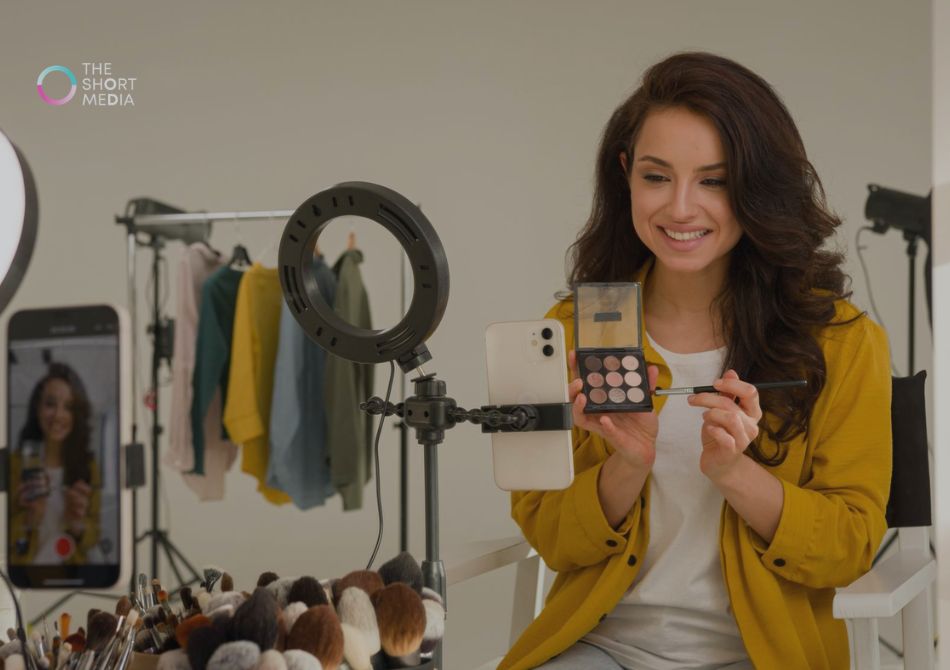
I’ve watched a skincare founder go live from a folding table in her warehouse and outsell a polished studio stream from the week before. Same products. Same offer. Different feel. The warehouse stream had a little chaos to it — staff walking by, someone in the comments asking if the cleanser stung sensitive skin, the founder opening a box and testing the texture on camera. It felt real enough that people stayed.
That’s usually where TikTok LIVE marketing either works or falls apart for ecommerce brands. Not on production quality. On format.
A lot of brands in the USA still approach LIVE like it’s a webinar with a discount code taped on top. Too scripted, too stiff, too many talking points crammed into 40 minutes. Then they wonder why retention drops after three minutes and nobody converts unless they already planned to buy.
If you’re selling beauty, snacks, supplements, home products, pet gear, or even random Amazon-friendly impulse items, the format matters more than the set. A smart TikTok LIVE agency will usually tell you that before they start talking about creator sourcing or GMV targets. And they’re right.
TikTok LIVE marketing works better when the format fits the product
Not every product needs the same kind of stream. A kitchen gadget shouldn’t be sold like a luxury serum. A local med spa in Texas shouldn’t copy a national fashion brand’s LIVE cadence just because it looked busy.
The strongest TikTok LIVE marketing setups usually do one thing well: they match how people naturally ask questions before buying.
That sounds obvious, but brands miss it all the time. I’ve seen a fitness brand spend 25 minutes listing protein powder benefits while comments kept asking the same thing: “Does it taste chalky?” Nobody answered directly for six minutes. You could almost watch purchase intent leave the room.
A good TikTok LIVE agency will build around those moments, not around a slide deck version of your messaging.
The demo-first format still wins more often than people admit
For ecommerce, product demonstration is still the safest place to start. Not because it’s flashy. Because it answers doubt quickly.
Beauty brands do this well when they stop overproducing it. A host applying a foundation in bad-but-normal bathroom lighting can outperform a polished stream with ring lights and scripted benefit lines. Same with hair tools. Same with pimple patches. If the host reads the script too perfectly, comments get weirdly quiet. People sense it.
For home products, this format is even more useful. Show the mop picking up pet hair. Show the organizer fitting under a sink. Show the vacuum attachment working on car seats. Don’t just say “great for busy moms” and move on. That kind of copy dies on LIVE.
This is where a TikTok LIVE shopping agency can be helpful, especially if your internal team keeps drifting back into ad language. LIVE needs proof, not polished claims.
What makes demo streams convert
A few things usually help:
– The host starts using the product within the first minute
– Objections are handled while the demo is happening
– The camera stays close enough to show texture, mess, fit, or results
– The offer is repeated casually, not barked every 90 seconds
I’ve also seen a product demo filmed in a kitchen beat a studio setup because the kitchen answered context questions without trying. Viewers could tell how big the blender was on a real counter. That matters.
The host-led QVC style can work, but only if it loosens up
Some brands want the classic sales-host format: strong presenter, product stack, timed offers, urgency. Fair enough. It can work, especially for accessories, beauty bundles, seasonal retail launches, and lower-priced DTC products.
But this format gets rough when the host sounds like they memorized brand bullets in a Google Doc 15 minutes earlier. You can hear it. So can viewers.
The better version feels more like a good retail associate than a polished spokesperson. A little repetition is fine. Some side comments are good. If someone asks whether the leggings roll down during workouts, the host should answer like a person who has actually worn them, or bring in a creator who has.
A seasoned TikTok LIVE agency will often pair a sales-minded host with a product user or creator. That combination tends to hold attention better than one person trying to be both expert and closer.
Creator co-host streams usually feel less forced
This is one of the more reliable formats for brands that struggle to sound natural on camera. Bring in a creator who already knows how to talk to a TikTok audience without sounding like a retail training video.
Not every creator is good on LIVE, though. That’s worth saying. Some are great in short-form and completely flat in real-time. They pause too long, miss comments, or overperform in a way that feels off. A smart TikTok LIVE shopping agency usually screens for this because follower count doesn’t tell you who can actually carry a room.
For food brands, creator co-hosts are especially useful. A snack brand can do tasting reactions, bundle comparisons, “best flavor” debates, even quick recipe hacks. Those streams often pull stronger engagement than founder-led education because the energy is lighter and the product is easier to react to in real time.
For beauty, creators can help surface the stuff your PDP never covers. Texture. Smell. Whether the shade oxidizes. Whether the pump leaks in a makeup bag. Comments always find the missing details.
The “drop” format is good for launches, not for everything
There’s a certain kind of LIVE built around a launch window: limited bundle, new shade, retail placement, collab, restock. This can work really well if there’s actual urgency behind it.
If there isn’t, viewers can tell.
I’ve seen brands try to manufacture a “major drop” around a product that had been sitting on the site for two weeks already. Comments called it out almost immediately. Not in a mean way, just enough to kill momentum. TikTok has a strong internal radar for fake urgency.
Still, when the setup is real, TikTok LIVE marketing can do a lot here. Think a beauty brand launching an exclusive set before a Sephora promo weekend. Or a home brand tying a LIVE to Prime-adjacent shopping behavior with a temporary bundle that’s actually worth buying. Or a local service brand — say a med spa or cosmetic dental office — using LIVE to fill a limited event day with a real booking incentive.
A TikTok LIVE shopping agency can help structure these launch streams so they don’t feel like countdown theater.
Founder-led streams are underrated, especially for problem-solving products
This format isn’t for every founder. Some are too stiff, some talk in investor language, some cannot stop giving origin stories. But when the founder knows the product deeply and can answer direct questions, it works.
Supplements, skincare, cleaning products, baby items, pet products — anything with hesitation around ingredients, safety, use case, or performance can benefit from founder presence.
The trick is keeping it grounded. Nobody needs a ten-minute brand journey monologue. They need to know why the stain remover works on old couch fabric, or whether the magnesium gummies upset your stomach, or if the dog calming chew can be used daily.
One of the better founder streams I saw was for a home cleaning brand. The founder had clearly done this enough times to stop performing. She just cleaned things. Burnt pan. White sneaker sole. Faucet buildup. She answered comments as they came in and admitted when a product wouldn’t solve a specific problem. Sales were strong because the stream didn’t feel slippery.
That kind of honesty tends to outperform perfect messaging in TikTok LIVE marketing.
The mistake brands make: choosing one format and forcing it forever
A lot of ecommerce teams want a repeatable playbook. Fair. But LIVE usually needs two or three formats in rotation.
A brand might use:
– demo-first streams for evergreen sales
– creator co-host streams for reach and engagement
– launch/drop streams for newness
– founder Q&A streams when objections start piling up in comments
That mix tends to work better than trying to make every stream do everything.
This is usually where a TikTok LIVE agency earns its fee. Not by saying “go live more,” but by figuring out which format fits your catalog, your margins, your available talent, and your actual audience behavior. A TikTok LIVE shopping agency can also help connect LIVE performance to inventory planning and offer strategy, which matters more than people think. Nothing kills momentum like pushing a hero SKU that’s about to go out of stock midstream. I’ve seen that mess happen. It’s not elegant.
Don’t ignore the comments — they’re telling you where your page is weak
This might be the most useful part of LIVE for ecommerce teams, even when sales are just okay.
Comments reveal friction fast. Shade confusion. Sizing anxiety. Shipping concerns. Ingredient questions. Whether the “easy to assemble” claim is being believed by literally anybody. Your landing pages and PDPs usually miss some of this.
A good TikTok LIVE shopping agency will pull comment themes and feed them back into creative, product pages, and paid social hooks. That’s not glamorous, but it’s useful. Sometimes the stream doesn’t just sell product. It gives your team better language.
And honestly, that alone can justify the effort.
FAQs
1. What’s the best TikTok LIVE format for a brand just getting started?
Start with a demo-led stream. It’s the easiest way to keep the content useful even if the audience is small. You don’t need a huge personality right away; you need a product that can be shown clearly and a host who can answer basic questions without sounding rehearsed.
2. Do ecommerce brands need a creator for every LIVE?
Not always. Some brands do better with an internal host or founder, especially if the product needs explanation. But creators can help a lot when your team looks uncomfortable on camera or keeps slipping into ad copy.
3. How long should a TikTok LIVE be?
Usually longer than brands expect. Ten minutes is rarely enough time to build momentum. A lot of solid commerce streams run 30 to 60 minutes, sometimes longer if the host can keep the pacing up and rotate products naturally.
4. Is a TikTok LIVE agency worth it for smaller brands?
Depends on what’s broken. If you already have someone good on camera and a simple product, you may not need much help. If your team is inconsistent, your offers are messy, and nobody knows how to structure a stream, a TikTok LIVE agency can save you a lot of trial and error.
5. What does a TikTok LIVE shopping agency actually do?
Usually more than people expect. Host planning, creator sourcing, run-of-show, moderation, offer timing, product selection, post-LIVE reporting. The better ones also notice operational stuff, like when your hero product has too many variants to explain quickly on stream.
6. Are polished studio streams better for premium brands?
Not necessarily. Premium doesn’t have to mean stiff. I’ve seen expensive beauty products sell better in a normal vanity setup because viewers could judge the finish more honestly than they could in heavy studio lighting.
7. How often should a brand go live?
Once a week is enough to learn something. Two to three times a week is better if you actually have the team for it. Daily sounds ambitious until everyone is tired, the host starts repeating themselves, and the audience can feel it.
8. Can TikTok LIVE help if most of our sales happen on Amazon or retail?
Absolutely. It can still move demand even if checkout happens elsewhere. For Amazon products, LIVE can help explain the thing better than the listing does. For retail launches, it can create a burst of attention around a specific SKU or bundle — assuming the product is actually available where viewers live.
9. What’s the biggest mistake brands make on LIVE?
Over-scripting. Easy answer, but true. The second biggest is joining a format trend two weeks too late, after the style already feels tired on the platform. TikTok is pretty unforgiving about that stuff.