How Beauty Brands Are Using TikTok Shop Influencer Marketing to Cut CAC
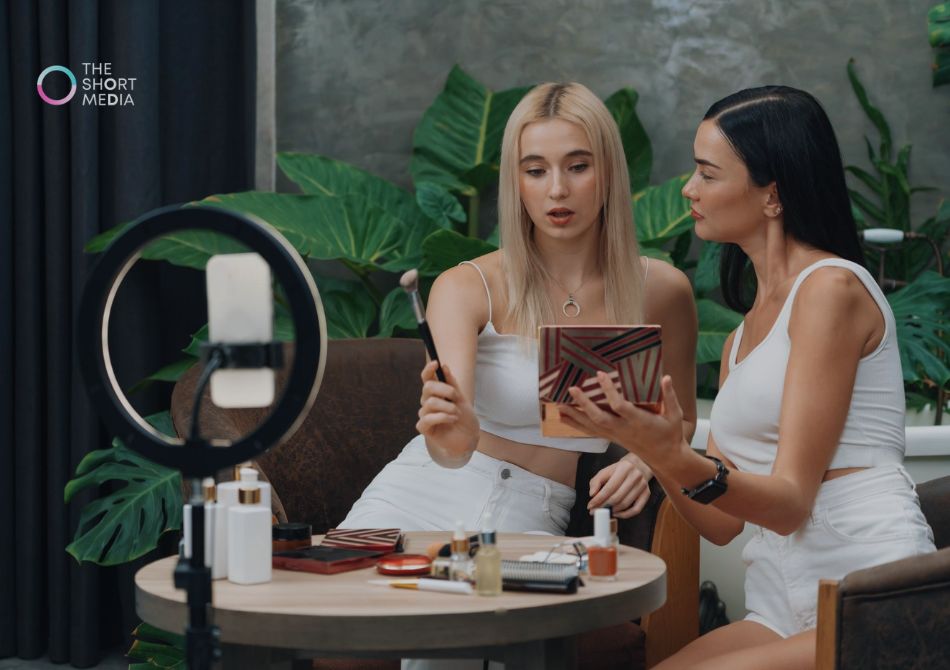
A few months ago, I watched a beauty brand spend real money on polished launch creative for a new lip oil. Gorgeous lighting. Clean studio set. Nice copy. It did… fine. Then a creator posted a 22-second TikTok Shop video filmed in her bathroom with bad overhead lighting, a slightly chaotic makeup bag in the background, and a very unplanned line about how the product “doesn’t do that weird dry ring thing.” That video moved more units in two days than the brand’s paid launch assets did in a week. That’s the part some teams still miss. In beauty, especially in the US market, the sale often happens in the demo, the comment section, and the creator’s tone. Not in the brand’s official campaign deck. That’s why tiktok shop influencer marketing has become such a practical CAC play for beauty brands. Not because it’s trendy. Because when it’s run well, it shortens the path from discovery to checkout and gives media teams better raw material to scale. Why beauty is such a natural fit for TikTok Shop Beauty sells well when people can see texture, payoff, wear, and little proof points that don’t always make it onto a PDP. A serum pill test. A foundation oxidation check after six hours. A side-by-side of lashes with one coat versus two. That kind of thing. On TikTok, creators do this naturally. And on Shop, the buying step isn’t floating somewhere off-platform where half the intent disappears. For beauty brands trying to get more efficient, that matters. I’ve seen this especially with: – acne patches – lip stains – scalp serums – brow gels – heatless curl kits – Amazon beauty products trying to build a stronger branded presence – DTC skincare brands entering retail and needing fast social proof A lot of influencer marketing tiktok conversations still get framed around awareness. For beauty, that’s too shallow. The stronger use case is conversion content that also teaches the paid team what objections actually matter. Comments will tell you everything. Shade confusion. Texture concerns. Whether the “dewy finish” looks greasy on oily skin. Sometimes the sales page is missing the exact thing people need to hear, and creators surface it without trying. TikTok Shop influencer marketing works best when the brief doesn’t strangle the creator This is where some beauty brands quietly ruin their own results. They find creators with the right audience, then hand them a script that sounds like legal approved every comma. The creator reads it too perfectly. They hold the product label toward the camera for three beats too long. You can almost hear the brand manager in the room. And performance drops. Good tiktok influencer marketing in beauty usually has a structure, not a script. You want the creator to hit the important points, sure, but leave room for their normal speaking style, their own order of operations, and the little side comments that make people believe them. A better brief usually includes: – the one or two claims that actually matter – product usage do’s and don’ts – what not to say – likely objections from comments or prior launches – examples of angles that worked, without asking them to copy For a US skincare brand, that might mean asking one creator to focus on layering under sunscreen, another to address sensitive skin hesitation, and another to show how the product sits under makeup before a workday. Same SKU, different friction points. That’s a much smarter version of influencer marketing tiktok than sending 40 creators the same talking points and hoping volume fixes weak messaging. The real CAC advantage: content that sells and content that scales Beauty brands don’t cut acquisition costs just because creators post. They cut CAC when creator content does double duty. First, it drives direct Shop sales. Second, it gives the paid social team assets worth whitelisting, Sparking, or rebuilding into ads. This is where tiktok influencer marketing gets especially useful. A creator’s organic post can tell you, very quickly, whether the hook is strong enough to earn attention without paid support. I’ve seen a kitchen-counter skincare demo outperform a studio version because the creator opened with, “I thought this was going to break me out.” Not elegant. Very effective. It answered the objection before the viewer had time to scroll. Beauty teams that get this right usually look at creator output in layers: Not every creator is there for the same job Some creators are there to convert immediately. They’re natural sellers, comfortable on camera, good at demos, and they know how to mention the offer without sounding like a coupon robot. Others are there to generate usable ad creative. They may not have huge reach, but they know how to film texture shots, before-and-afters, and application sequences that editors can cut six ways. And some are there for comment mining, honestly. Their audience asks the questions your brand team forgot to answer. That’s a more mature approach to tiktok shop influencer marketing than treating every creator as a mini media channel. Beauty brands are getting pickier about creator fit Follower count matters less than format fit. A creator who’s great at “get ready with me” may not be the right person for a clinical acne treatment. A derm-adjacent creator might explain ingredients well, but if they sound too polished, comments can turn skeptical fast. For influencer marketing tiktok, the sweet spot is often creators who feel credible but not overproduced. The person whose vanity is a little messy. The nail set is chipped. They know how to explain a product, but they still sound like themselves. That texture matters more than people admit. What beauty brands are doing differently now The better teams aren’t treating TikTok Shop like an affiliate side project anymore. They’re building systems around it. A few patterns keep showing up. They seed wider than they used to Instead of overpaying five big names, they’ll often work with a broader set of mid-tier and smaller creators. More angles. … Read more