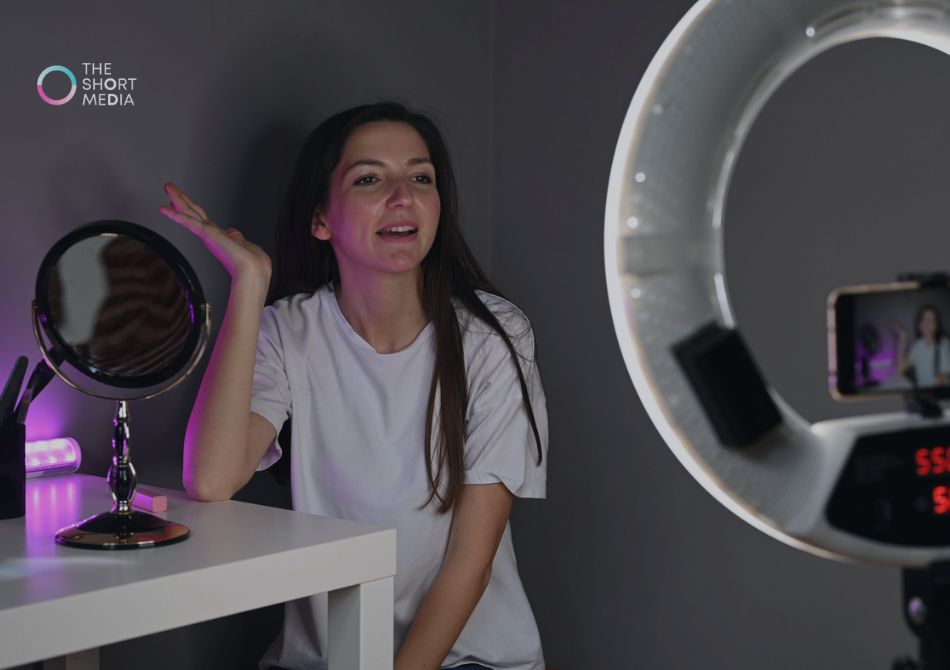
A skincare brand I worked with had a familiar problem. Their in-house creative team could make clean-looking ads. Nice lighting, tight edits, clear product shots. On paper, everything was “right.” But the stuff that actually moved in TikTok looked different: a creator in her bathroom, hair half up, talking through why she kept repurchasing the cleanser because it didn’t sting her skin barrier. Comments were full of people asking where to buy it. The polished brand ad? Pretty quiet.
That gap is usually where whitelisting starts to make sense.
Not because every creator video is magic. A lot of them aren’t. Some creators read a script so perfectly it kills the whole thing. Some brands jump on a trend two weeks too late and wonder why the post feels dead. But when you’ve got a creator who can make the product feel native to the feed, and then you put paid media behind that post the right way, ad performance often gets a lot more efficient.
That’s the practical case for influencer whitelisting on TikTok. It gives brands a way to run ads through a creator’s handle instead of only through the brand account, which changes how the content is received and what the media team can do with it.
Why a TikTok influencer marketing agency keeps bringing up whitelisting
If you’ve worked with a TikTok influencer marketing agency, you’ve probably heard this pitch before. Sometimes it’s oversold, honestly. Whitelisting isn’t a fix for weak creative or a bad offer. If the product demo is confusing, or the landing page is slow, or the comments are full of objections nobody addressed, creator authorization won’t save the campaign.
Still, when the basics are solid, whitelisting can improve performance in a few very real ways.
First, the ad feels less like a brand interruption. That matters on TikTok more than some teams want to admit. A lot of users can spot “brand voice” instantly, especially in beauty, supplements, home gadgets, and Amazon-style impulse products. The creator’s account gives the ad a little more breathing room. It enters the feed with social context already attached.
Second, the paid team gets more room to work. With creator-authorized ads, you can test hooks, intros, captions, and audience segments without relying only on a brand page that may not have much native traction. Good TikTok paid ads teams like having that flexibility because it shortens the distance between creator content and performance media.
And third, comments can get better. Not always nicer, but more useful. Under creator-led ads, people tend to ask more direct buying questions. You’ll see things like “does this work on textured skin?” or “would this fit a small apartment kitchen?” Those are gold. I’ve seen comments reveal objections the sales page completely missed.
It’s not just creator content. It’s creator identity plus media control.
That’s the part people flatten too much.
Whitelisting works because it combines two things: the creator’s credibility in-feed and the advertiser’s ability to optimize delivery. If you only have the first part, you’ve got organic creator content. Helpful, but limited. If you only have the second, you’ve got standard TikTok paid ads from the brand account, which can still work, but often need stronger creative to earn attention.
Put them together and the campaign gets more options.
For a DTC food brand, that might mean taking a creator’s “late-night snack hack” video and testing it against different interest audiences. For a fitness product, it might mean using one creator’s gym-bag routine for cold traffic and another creator’s more educational demo for retargeting. For home products, especially problem-solution items, I’ve seen a handheld phone video filmed in a slightly messy kitchen outperform a studio setup by a wide margin. Not because it was prettier. Because it looked believable.
Where TikTok influencer campaign management usually goes wrong
A lot of TikTok influencer campaign management issues have nothing to do with creator selection. They happen after the content is delivered.
The brand gets three decent videos. Everyone feels good. Then the legal approvals drag. The paid team receives assets with no notes on what angle the creator was taking. Nobody cut alternate hooks. The first ad goes live with the original post structure, which may have worked organically but isn’t built for scale. Two weeks later, spend is flat and the team says creator content “didn’t convert.”
That’s not really a creator problem. It’s an operations problem.
Strong TikTok influencer campaign management means planning for paid usage from the beginning, not as an afterthought. That includes usage rights, authorization access, multiple cutdowns, and a clear handoff between influencer and performance teams. It also means knowing which creators can carry paid spend. Some are great organically and fall apart in ads. Others don’t post huge numbers on their own, but their delivery style holds attention under paid distribution really well.
That distinction matters more than follower count. Probably more than rate card, too.
Whitelisting tends to improve a few specific metrics
Not every campaign improves in the same way, so I’m always a little skeptical when someone promises lower CPA across the board. But in practice, whitelisted creator ads often help with:
Lower thumb-stop resistance
That’s not a formal metric, just a real one. People are less likely to dismiss the video instantly when it feels like something that belongs in their feed. A creator speaking in their own cadence usually beats a brand trying to imitate that cadence. You can hear the difference.
Better click quality
This one shows up a lot with beauty, wellness, and problem-solving products. Users who click from creator-led ads often have a clearer sense of what they’re buying because the video already handled part of the explanation. A dry shampoo demo, a stain remover test, a posture corrector shown on an actual person sitting at a desk for eight hours — those details filter traffic better than polished claims do.
More usable creative testing
With TikTok paid ads, media buyers need volume. Not random volume. Variations that actually test something. Whitelisting gives teams more raw material to work with because creators naturally produce different tones, backgrounds, and selling styles. Some are stronger with direct response. Some are better at soft education. Some can sell a local service better than a national retail launch, and vice versa.
That variety helps. It keeps the account from over-relying on one “winner” until it burns out.
A TikTok influencer marketing agency should be thinking beyond the post
A good TikTok influencer marketing agency won’t stop at matching a brand with creators who fit the niche. That’s table stakes now. The better agencies think like a hybrid of talent manager, creative strategist, and paid social operator.
They’ll flag when a script sounds too polished. They’ll push back when a brand wants every creator to say the same opening line. They’ll notice when a product needs a clearer demo before it needs more spend. And they’ll build creator rosters with paid usage in mind, not just organic engagement screenshots.
This is especially important in the US market, where brands often need to move across channels fast. A retail launch at Target might need creator content that can support both TikTok and Amazon. A regional home service brand may need localized creators who sound like actual customers, not actors auditioning for a commercial. A TikTok influencer marketing agency that understands that nuance tends to set up better whitelisting outcomes.
Whitelisting works best when creative and media teams actually talk
Seems obvious, but you’d be surprised.
I’ve watched influencer teams celebrate a creator video because it got strong engagement, while the paid team quietly hated it because the product mention didn’t show up until second 14. I’ve seen media buyers ask for more variations after launch, when the creator had already moved on and the usage window was closing. Messy stuff.
Good TikTok influencer campaign management fixes that by aligning content goals before filming starts. What’s the hook? Is there a stronger version with the product shown in the first two seconds? Do we need one cut that feels more testimonial and another that feels more demo-heavy? Should the creator answer a common objection in the video because comments keep bringing it up?
That’s where performance improves. Not from the word “whitelisting” itself, but from using it as part of a smarter workflow.
And yes, TikTok paid ads still need the usual discipline: budget pacing, audience testing, frequency control, landing page alignment. Whitelisting doesn’t replace any of that. It just gives the ads a better shot at feeling native before optimization even starts.
The brands that get the most out of it
Whitelisting isn’t only for giant consumer brands. I’ve seen it help:
– beauty brands trying to scale hero products without making every ad look like a product catalog
– food and beverage brands needing quick recipe or taste-test style creative
– fitness and wellness offers that need a real person to explain usage
– home products that benefit from casual demos
– Amazon products that need trust fast
– local service brands that want testimonials to feel less staged
The common thread is simple: the product needs to be seen in use, not just announced.
A solid TikTok influencer marketing agency will usually tell you pretty quickly whether your offer fits that model or whether you’re better off tightening your brand-side creative first.
FAQs
1. What is TikTok influencer whitelisting, exactly?
It’s when a creator gives a brand permission to run ads through the creator’s TikTok identity or authorized post. So the content still carries the creator context, but the brand’s paid team can promote it and optimize it like media.
2. Does whitelisting always beat ads from a brand account?
Not always. If the creator content is weak, awkward, or too scripted, it can underperform just like any other ad. But when the creator is a natural fit and the edit is built for paid, it often gives the campaign a better starting point.
3. How is this different from just hiring creators for UGC?
UGC gives you content. Whitelisting gives you content plus distribution options tied to the creator presence. That second part matters if you want more control over targeting, spend, testing, and ad delivery.
4. Is whitelisting expensive?
It can add cost, yes. You’re usually paying for usage rights, creator access, and often extra edits. Still, if the content becomes a scalable paid asset, the economics can look better than constantly producing brand-side creative that never quite lands.
5. What should brands ask for before launching?
Get clear on usage rights, duration, edit permissions, and whether the creator is comfortable with multiple ad variations. Also ask for raw footage if possible. You may find that a throwaway line or an unplanned demo moment is the best part of the whole shoot.
6. Can small brands in the USA use this, or is it mostly for bigger budgets?
Small brands can absolutely use it. In fact, a lot of lean DTC brands benefit because they can’t afford to waste months on polished creative that doesn’t fit the platform. One good creator ad with smart TikTok paid ads support can do more than a whole batch of overproduced videos.
7. What makes TikTok influencer campaign management harder than it looks?
The handoff. That’s where things slip. Creator briefs, legal approvals, editing notes, paid usage terms, comment moderation, reporting — it’s a lot of moving parts, and if one piece gets delayed, the campaign loses momentum fast.
8. Should every creator campaign include whitelisting?
No. Some creator partnerships are better left organic, especially if the goal is community, social proof, or content volume. Whitelisting makes the most sense when you already know the content has paid potential and the media team is ready to test it properly.
9. How do you know if a creator will work well in paid?
Look past vanity metrics. Watch how they speak, how quickly they get to the point, whether the product use is clear, and whether they can sound persuasive without sounding rehearsed. Honestly, if they feel like they memorized every line, I’d be cautious.