I’ve seen this happen more than once: a brand spends weeks polishing a TikTok brief, signs off on talking points, legal trims out anything remotely risky, and the creator posts a video that looks… fine. Clean lighting, clear product shots, all the right claims. It gets polite engagement and not much else.
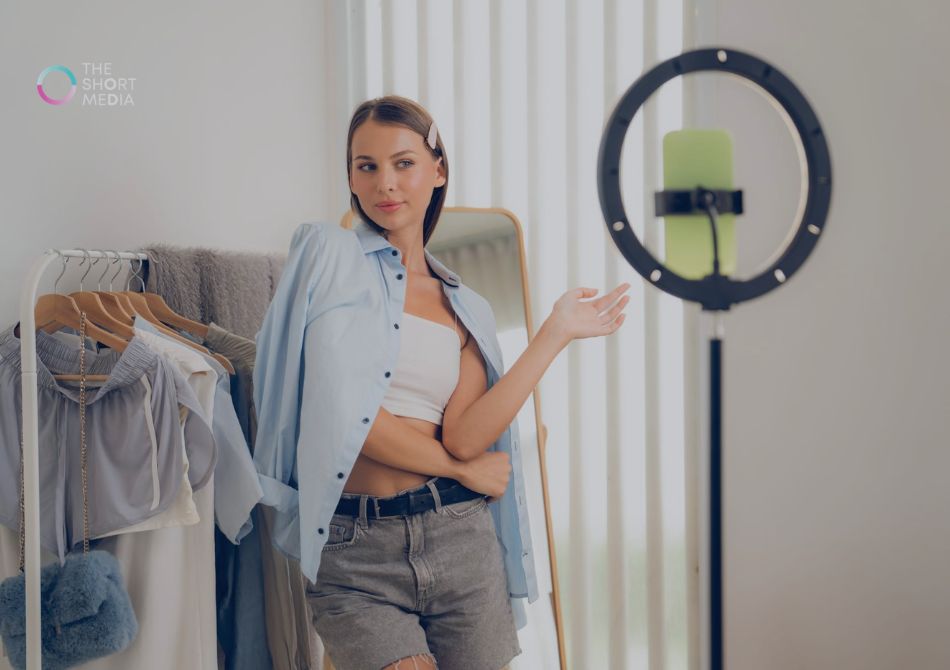
Then a smaller creator, with a less perfect setup and a phone propped against a coffee mug in their kitchen, posts a looser version. Same product. Fewer guardrails. Comments fill up with people asking where to buy it.
That gap is where a lot of tiktok influencer marketing succeeds or fails.
US brands aren’t really missing access to creators. They’re missing the way TikTok actually behaves in the wild. And that usually shows up in the brief, the approval process, the creator mix, and what teams decide to measure.
Where influencer marketing tiktok campaigns go sideways
A lot of teams still approach TikTok like it’s Instagram with messier editing. That’s usually the first mistake.
On Instagram, a polished creator ad can still do its job. On TikTok, over-controlled content tends to flatten out fast. You can almost feel when a creator is reading a script too perfectly. The pauses are too neat. The product mention lands exactly at second five because someone put it in the brief. Viewers notice, even if they don’t consciously think, “this feels overproduced.” They just scroll.
I’ve watched beauty brands in the US send creators a six-point messaging hierarchy for a tinted moisturizer launch, only to get back videos that sounded like mini commercials. Meanwhile, the strongest performer was a creator who opened with, “I thought this shade was going to wash me out, but okay…” and then applied it in bad bathroom lighting. Not glamorous. Very convincing.
That’s the thing with influencer marketing tiktok efforts: the platform rewards texture. Hesitation. Minor mess. A real objection getting answered on camera.
And brands often strip that out.
The brief is usually the problem
Not always. But often enough.
A good TikTok brief gives a creator direction without turning them into a spokesperson. A bad one reads like a compliance document with a ring light. If you’ve got mandatory opening hooks, exact benefit callouts, a required brand story, and three visual scenes that must appear in order, you’re not really hiring a creator. You’re hiring a pair of hands.
For tiktok influencer marketing to work, the creator needs room to interpret the product in their own language. Especially in the USA, where audience pockets are so specific. A Texas mom creator selling lunchbox snacks doesn’t need the same framing as a Brooklyn fitness coach talking about protein coffee. Same product category, totally different social context.
One of the better briefs I’ve seen for a home cleaning brand was barely a page. It included:
– what the product actually solved
– the claims legal cared about
– comments customers kept repeating on Amazon
– examples of content styles that had already worked
That was it. No robotic script. No “please mention our mission in the first 10 seconds.”
The result felt like TikTok, not an ad trying to cosplay as TikTok.
Brands keep hiring the wrong creators
Follower count still gets too much weight. Not because marketers are clueless, but because bigger accounts feel safer in meetings. Easier slide. Easier justification.
But influencer marketing tiktok campaigns often get stronger results from creators with tighter audience trust and a more natural fit for the product. Especially for DTC brands, Amazon products, food launches, and niche home items.
A creator with 35,000 followers who regularly films Trader Joe’s hauls and weekday dinner shortcuts may move more units for a frozen meal brand than a lifestyle creator with 600,000 followers who posts everything from sneakers to skincare to hotel robes. The smaller creator has context. Their audience already accepts product talk in that lane.
This is also where a solid tiktok influencer agency can help, if they’re actually doing creator strategy and not just list-building. The useful agencies don’t just pull “mom creators” or “fitness creators.” They know which creators can carry a product naturally, which ones drive strong whitelisting performance, and which ones look good on paper but consistently deliver stiff branded content.
That distinction matters more than people admit.
TikTok comments tell you what your landing page missed
One underrated part of tiktok influencer marketing is the comment section. Not just for engagement. For research.
I’ve seen comments do more product strategy work in two days than some survey decks do in a month.
A skincare brand gets comments asking whether the serum pills under sunscreen. A kitchen gadget brand sees people asking if it fits in apartment drawers. A supplement company keeps getting “does this taste chalky?” under creator videos, even though the brand site is proudly talking about ingredients and sourcing.
That’s useful stuff. Very useful.
Good influencer marketing tiktok programs don’t treat comments as a side effect. They mine them for objections, language, weird little hesitations, and buying triggers. Then they feed that back into future creative, PDP copy, paid ads, even packaging.
And if your team isn’t reading comments because “community handles that,” you’re probably missing the best free messaging research available.
A tiktok influencer agency can help, but only if they’re honest about fit
Some brands absolutely should work with a tiktok influencer agency. Especially if the internal team is small, the creator volume is high, or paid social and influencer need to work together more tightly.
But there’s a difference between an agency that understands TikTok and one that simply resells creator management with trendy language.
A good tiktok influencer agency will push back when a brand is trying to join a trend two weeks too late. They’ll tell you when your product needs education before conversion. They’ll separate creators who are good for awareness from creators whose footage can be turned into strong paid assets.
A weaker agency will send a giant creator list, overpromise on virality, and call it strategy.
For US brands, especially retail and CPG, the best agency partners are usually the ones who understand operational reality too. Store timing. Regional inventory. Amazon ranking goals. FTC compliance. Whitelisting permissions. Usage rights that don’t quietly expire right when the paid team finds a winner.
Not glamorous details, but they matter.
What US brands tend to miss in tiktok influencer marketing
A few things come up again and again.
First, they expect creators to act like media placements instead of creative partners. That leads to rigid content and average performance.
Second, they separate influencer from paid social too aggressively. Some of the best results come when creator content is built with both organic behavior and paid testing in mind. Not every creator video should become an ad, obviously. But when the teams barely talk, money gets left on the table.
Third, they chase trends instead of product fit. I’ve watched brands force themselves into trending audio that had nothing to do with the product, just because someone wanted the post to “feel native.” Usually awkward. Usually late.
And fourth, they underestimate simple demos. A lot of products do better when shown plainly. A stain remover used on a kid’s soccer uniform. A countertop organizer installed in an actual cramped apartment kitchen. A protein pancake mix made by someone who clearly cooks it every week. Studio content can work, sure, but a product demo filmed in a kitchen often outperforms the expensive version because it answers the buyer’s real question: what does this look like in a normal home?
That’s not a theory. It shows up all the time.
influencer marketing tiktok works better when the creator has something real to say
This sounds obvious, but teams still skip it.
If the product doesn’t fit the creator’s life, the content usually strains. You can hear it in the wording. You can see it in the comments. People ask oddly skeptical questions, or they ignore it entirely.
The better approach is less about broad reach and more about believable use cases. For a fitness recovery product, maybe that’s a running creator talking about post-leg-day soreness, not a generic wellness account doing another morning routine. For a local service brand in the USA, maybe that’s neighborhood creators who can actually speak to the city, the pricing, the timing, the experience.
A lot of tiktok influencer marketing gets better when brands stop asking, “Who has an audience?” and start asking, “Who can make this product feel normal to buy?”
That’s a different standard.
FAQs
1. How many creators should a brand start with on TikTok?
Usually more than you think, but smaller than a giant rollout. For most brands, 10 to 20 creators is enough to spot patterns without creating chaos. You want variety in hooks and audiences, not 50 nearly identical posts.
2. Is it better to use micro creators or bigger names?
Depends on the goal. If you need broad awareness for a retail launch, a larger creator may help. If you’re trying to drive efficient conversions or collect usable paid assets, smaller creators often give you better material and fewer “this sounds sponsored” vibes.
3. When does a tiktok influencer agency make sense?
When your team is buried in outreach, approvals, usage rights, and reporting, it helps. Also when you need someone to connect creator strategy with paid media. If you just need a few one-off posts, you may not need one yet.
4. Why do some TikTok creator posts get views but no sales?
Because views don’t automatically mean buying intent. Sometimes the content is entertaining but vague on the product. Sometimes the audience fit is off. Sometimes the comments are full of objections nobody answered.
5. Should brands script creator videos?
Lightly, maybe. Hard scripting usually backfires. Give creators the non-negotiables, the claims they can make, and the product truth you want them to get across. Then let them talk like themselves, otherwise it gets weird fast.
6. What should brands look for in influencer marketing tiktok reporting?
Not just views and likes. Look at saves, shares, comment quality, click behavior, CPA if you’re boosting, and whether certain creator styles keep producing stronger hooks. Also pay attention to what people say in comments before they buy. That part gets ignored a lot.
7. Can TikTok work for less “fun” products?
Yes, but the angle matters. Home storage, cleaning products, supplements, even local services can work if the creator shows the problem clearly. A boring product with a specific use case usually beats a flashy product with no context.
8. How long should brands test before judging results?
Long enough to see patterns, not just one lucky hit or one dud. A month or two of consistent testing is more useful than a single campaign burst. TikTok can be annoyingly uneven, honestly.
9. Do brands need separate content for paid and organic?
Not always separate, but they shouldn’t assume the same video will do both jobs perfectly. Some creator posts feel great organically and fall apart as ads. Others look average on the feed and become excellent paid assets once the team trims the intro and tests new hooks.
If US brands are missing something with tiktok influencer marketing, it’s usually not access or budget. It’s restraint. They over-direct, over-polish, overthink the wrong metrics, and miss the messy little signals that actually move buyers. TikTok tends to reward content that feels lived-in. A bit specific. Slightly imperfect. Which, honestly, is harder for brands than it sounds.