I’ve watched more than one brand walk into TikTok with the same bad assumption: if the product already sells on Meta, Amazon, or retail shelves at Target, it should sell the same way here. Then the first batch of ads goes live, the CPMs look fine, clicks come in, and sales still drag. Not because the product is wrong. Usually because the setup is.
TikTok shopping campaigns can work really well for beauty, supplements, kitchen tools, fitness accessories, even boring home products that nobody expected to pop off. But they’re less forgiving than a lot of teams think. A nice product page and a polished brand video won’t save you if the ad feels stiff, the offer is muddy, or the comments start filling up with objections you didn’t plan for.
That’s why a lot of brands end up bringing in a TikTok Shop ads Agency after a rough first month. Not because TikTok is impossible, but because there are a bunch of platform-specific details that can quietly wreck performance if you miss them.
TikTok shopping ads are closer to merchandising than most teams expect
A lot of paid social teams treat TikTok like another creative testing channel. That’s only part of it.
When you’re running a TikTok Shopping ads service, you’re not just buying traffic. You’re merchandising inside an environment where people are scrolling fast, half-watching, reading comments, and deciding within seconds whether the product feels useful, sketchy, overpriced, or weirdly compelling.
That means product selection matters more than some brands want to admit.
I’ve seen a single hero SKU outperform a full catalog push by a mile. A beauty brand with twelve shades and three bundles tried to push everything at once, and performance got messy fast. Once they narrowed the campaign to one bestselling shade with a very obvious use case, conversion rate improved. Less friction. Fewer choices. Pretty basic, but teams still ignore it.
A good TikTok product ads management approach starts with asking: which product actually makes sense in-feed? Which one demos well in under 20 seconds? Which one solves a problem people instantly recognize?
Not every bestseller is a TikTok bestseller.
Creative that looks “good” can still fail
This is probably the part brand teams resist most.
The studio footage they paid for. The neat lighting. The perfect founder read. Sometimes that stuff tanks.
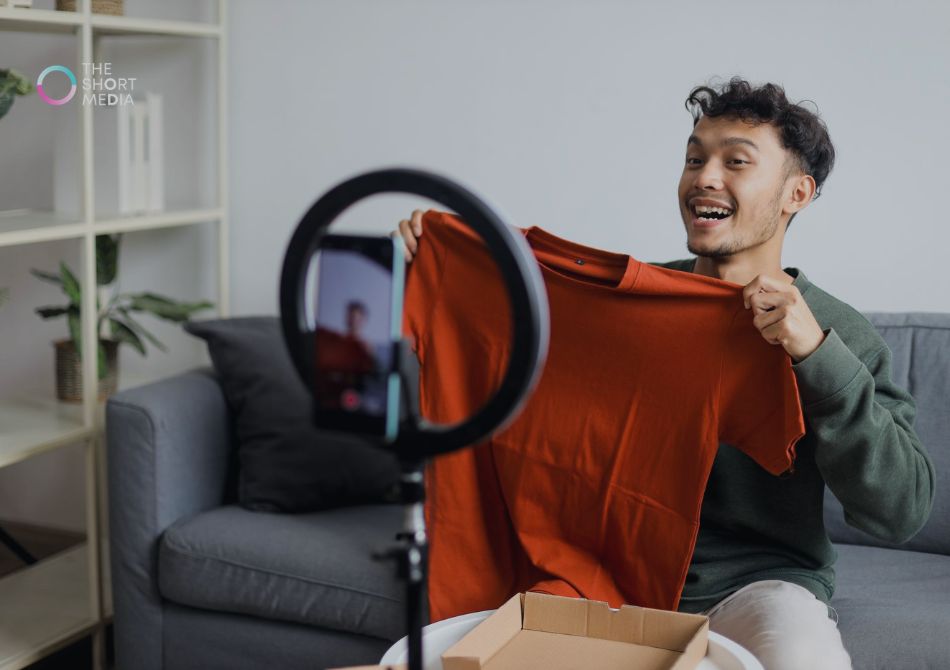
A product demo filmed in a real kitchen can beat a $15,000 brand shoot because it feels believable. A creator who pauses, fumbles a word, and shows the mess before the result often outperforms the one who reads the script too perfectly. You can almost see the comments forming when the delivery feels rehearsed.
That’s where a strong TikTok Shop ads Agency usually earns its keep. Not by making things prettier. By knowing when “less polished” is actually more persuasive.
For a TikTok Shopping ads service to work, creative needs a few things:
– The product should be visible fast
– The use case should make sense without audio
– The first few seconds should frame a problem, reaction, or result
– The ad should feel native enough that it doesn’t scream “campaign asset”
And honestly, timing matters. I’ve seen brands try to jump on a trend two weeks too late because someone internally needed legal review, brand review, and three rounds of copy edits. By the time it launched, the sound was dead and the ad looked like a late corporate imitation of something that had already passed.
Your comments section will tell you what the landing page missed
This is one of the most useful parts of TikTok, if you’re willing to look at it.
Comments are often where the real objections show up. Not the ones from the strategy deck. The actual ones.
A fitness recovery product might get “does this work if you have sensitive skin?” over and over. A snack brand might get “why is this so expensive for the size?” A cleaning product might get “can it be used on quartz?” If those questions keep appearing, your ad or product page didn’t cover something important.
Good TikTok product ads management isn’t just media buying. It’s reading those comments and feeding the patterns back into creative, PDP copy, offer framing, and creator briefs.
I’ve seen a home product brand improve conversions after adding one very unglamorous text overlay: “safe on sealed stone.” That line came straight from the comments. Nothing fancy. It worked because it answered the hesitation people actually had.
The offer has to make sense immediately
On TikTok, people don’t spend much time decoding your pricing structure.
If the product is $24, shipping is $9, and the discount only kicks in at two units, that friction adds up fast. Especially for cold traffic. A lot of brands think they have an offer because technically there’s a promo somewhere. But if a shopper has to think through it, the ad has already lost some momentum.
This is where a TikTok Shop ads Agency can be useful beyond creative and media setup. They’ll usually pressure-test the actual purchase path.
For a TikTok Shopping ads service, simple tends to win:
– clear first-order discount
– bundle that obviously saves money
– free shipping threshold that doesn’t feel annoying
– product page visuals that match the ad people just watched
If your ad shows a handheld demo in a bathroom mirror and the PDP opens on a sterile white-background image with three paragraphs of brand copy, it feels disconnected. Small thing, but it matters.
Inventory, fulfillment, and creator coordination can get messy fast
This is the unsexy part nobody wants to talk about until it becomes a problem.
A campaign starts working. Great. Then inventory sells through on the hero SKU, shipping times slip, creators are still posting old promo language, and customer support gets flooded because buyers expected one thing and got another.
A proper TikTok product ads management setup has to connect media, operations, and creator workflow. If those teams are all working in separate tabs without talking, performance gets weird in a hurry.
I’ve seen:
– creators promoting out-of-stock bundles for three days
– beauty brands send traffic to shades that were no longer available
– food products spike from creator whitelisting and then get hammered in reviews because summer shipping wasn’t planned well
– local service brands try shopping-style creative without realizing their fulfillment experience didn’t match the urgency of the ad
That’s not really an ad problem. But it becomes one.
Why many brands use a TikTok Shop ads Agency
Some teams absolutely can run this in-house. Especially if they already have strong paid social operators, fast creative production, and someone who actually watches the account daily instead of checking a dashboard twice a week.
But a TikTok Shop ads Agency tends to help when the brand has one of these issues:
The creative team is too slow
TikTok rewards iteration. If it takes three weeks to approve a new hook, you’ll feel that.
The paid team knows Meta better than TikTok
That’s common. Smart buyers still misread TikTok signals at first. The platform has its own pacing, creative fatigue patterns, and shopping behavior.
Nobody owns the full funnel
If one person handles creators, another handles paid, ecommerce owns the PDP, and customer service sits somewhere else, things slip. A good TikTok Shopping ads service usually works best when someone is connecting those dots.
Product-market fit exists, but TikTok fit is still unclear
That’s a big one for Amazon brands and DTC brands moving into TikTok Shop. The product may already sell well elsewhere, but that doesn’t automatically mean the ad angles, creator types, and offer structure are right here.
What to get right before you launch
Before spending hard, make sure a few basics are actually in place.
Your hero product should be obvious. Your offer should be easy to understand in two seconds. Your creators should know how to demo, not just read benefits. Your product page should match the ad. And someone on the team should be reading comments every day, especially in the first few weeks.
A solid TikTok Shopping ads service isn’t just about pushing more spend into a trending channel. It’s about tightening the little things that affect whether a viewer turns into a buyer.
And if you’re investing in TikTok product ads management, don’t judge success off one polished launch week. The brands that get traction are usually the ones willing to adjust quickly, scrap mediocre creative without getting emotional about it, and learn from what shoppers are actually reacting to.
That’s less glamorous than the pitch decks make it sound. Still true.
FAQs
1. How many creatives should a brand have before launching TikTok shopping ads?
More than two or three. I’d want at least a small batch with different hooks, creators, and product angles. Not twenty polished assets. Just enough variation to learn quickly without putting all your hope into one ad.
2. Do polished brand videos ever work on TikTok Shop?
Sometimes, sure. Usually when the product is visually strong and the edit still feels native to the feed. But if every frame looks overproduced, performance can flatten. People can smell an ad pretty fast.
3. Is a TikTok Shop setup better for impulse products only?
Not really. Lower-priced products often move faster, but I’ve seen higher-consideration items work when the demo is strong and the objections are handled clearly. Beauty tools, recovery devices, premium pantry items, that sort of thing.
4. What’s the biggest mistake brands make early on?
They treat weak performance like a targeting problem when it’s often a creative or offer problem. Or they keep spending on an ad that got internal praise but isn’t converting. Happens all the time, honestly.
5. How long should brands test before making big decisions?
Long enough to get real signal, short enough to avoid dragging out bad creative. Usually you can spot useful patterns pretty quickly if volume is there. If comments are confused, watch time is weak, and click-through is soft, don’t romanticize it.
6. Should brands use creators or just run from their own account?
Creators usually help, especially for product demos and social proof. But they need direction. A creator with no brief can miss the product’s real selling point, and a creator with too much script can sound robotic. There’s a sweet spot.
7. Can Amazon sellers use TikTok shopping ads effectively?
Yes, especially if they already know their hero SKU and common objections. But they often need to rethink creative. Amazon listing images and bullet points are not ad concepts. Different job.
8. What should teams monitor besides ROAS?
Comments, add-to-cart rate, hook rate, product page behavior, and refund reasons if volume starts building. If people are buying but returning because the product didn’t match expectations, that’s a messaging problem upstream.
9. When does it make sense to hire outside help?
Usually when the team is stretched, creative testing is slow, or nobody really owns the shopping side end to end. A decent partner can save a lot of wasted spend. A bad one will just give you weekly slides and vague advice, so choose carefully.