Why Micro Creators Outperform Celebrity Influencers on TikTok
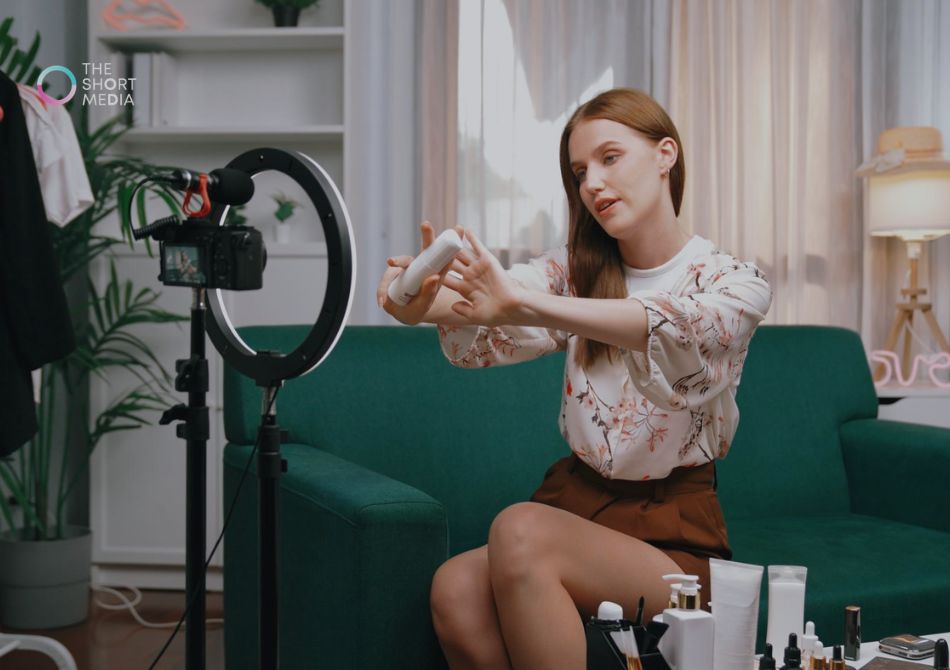
A few months ago, I watched a beauty brand spend a painful amount of money on a recognizable face for TikTok. The video looked polished. Lighting was clean, the script hit every product benefit, and the comments were… flat. A handful of emoji replies, a few “love this,” not much else. That same week, a smaller creator with maybe 18,000 followers posted a casual video using the same product at her bathroom sink. Slightly messy counter. Real texture on her skin. She mispronounced one ingredient, corrected herself, laughed, kept going. The comments filled up with the stuff marketers actually need: “Does this pill under makeup?” “Would this work for oily skin in Florida?” “Where’d you buy it?” That video moved product. That gap is exactly why a lot of brands eventually end up working with a TikTok micro influencer agency instead of chasing the biggest name they can afford. Celebrity creators still have a place. But on TikTok, smaller creators often do the harder job better: they hold attention, start believable conversations, surface objections, and make products feel like they exist in real life instead of inside a campaign brief. The problem with celebrity content on TikTok The issue usually isn’t reach. It’s tone. A celebrity or mega creator often comes with an audience that follows for them, not necessarily for product recommendations. So when a sponsored post drops, people can feel the switch immediately. The video gets watched because the person is famous. It doesn’t always get trusted because the ad feels like an ad. And honestly, brands make this worse. They send over scripts that are too clean, too approved, too full of talking points. You can almost hear legal in the background. When a creator reads that kind of copy too perfectly, TikTok users clock it in about two seconds. I’ve seen this with food brands, fitness apps, even home gadgets. A studio-shot kitchen tool demo from a large influencer underperformed a handheld version filmed by a mom in suburban Texas making lunch for her kids. The second video wasn’t “better” in a traditional ad sense. It was just more believable. That’s where a good TikTok influencer marketing strategy starts: not with follower count, but with fit, format, and how people actually use the app. Micro creators feel native to the platform Micro creators tend to understand the rhythm of TikTok better because they still have to earn attention one post at a time. They can’t rely on fame to carry weak content. That usually shows up in a few ways: They talk like actual users Micro creators are less likely to sound like they swallowed a brand brief whole. They’ll say, “I didn’t think this would work for me, but…” or “Okay, this part surprised me.” That kind of language matters because it mirrors how people really share products with friends. For a DTC supplement brand, for example, a smaller creator might mention that the packaging looked a little overhyped but the product was easier on her stomach than expected. A bigger influencer often won’t include that kind of nuance, even when it would make the recommendation more convincing. Their comments section is useful This gets overlooked all the time. With micro creators, comments often turn into mini focus groups. For Amazon products, you’ll see people asking about durability, shipping, whether the item feels cheap in person. For beauty, they’ll ask about undertones, breakouts, texture, fragrance. For local services, they’ll ask if the offer applies in Phoenix or only in one neighborhood outside Dallas. That comment layer can sharpen a TikTok influencer marketing strategy fast. Sometimes the sales page is missing the exact answer buyers want, and the creator’s audience reveals it within an hour. They still know how to sell without looking like they’re selling Not always. Some are awkward on camera. Some drag intros out way too long. But the good ones know how to build curiosity without sounding like a TV spot. A strong TikTok micro influencer agency usually looks for creators who can demo, react, compare, or tell a quick story around a product without flattening it into a list of features. Why smaller creators often drive better performance This part matters if you’re trying to justify budget internally. A celebrity creator might deliver a big burst of impressions. Useful for awareness, maybe for a retail launch if you need broad visibility. But if you care about click-through rate, saves, comments with actual purchase intent, or content you can repurpose into paid social, micro creators tend to be more efficient. A lot of that comes down to volume and variation. Instead of paying one large creator for one expensive post, a brand can work with 15 or 20 smaller creators and test different angles. One creator frames a protein bar as a post-workout snack. Another positions it as something to keep in a desk drawer. Another shows it tossed into a kid’s soccer bag. Suddenly you’re not guessing what message lands. This is where a TikTok influencer marketing agency can be genuinely helpful, assuming they know how to manage creators beyond basic outreach. The right team won’t just source talent. They’ll spot patterns in hooks, edit styles, retention, and comment quality. And yes, the paid media team usually benefits too. Some of the best-performing Spark Ads I’ve seen came from creators with modest followings and very normal-looking videos. Not ugly. Just not overproduced. A smarter TikTok influencer marketing strategy usually looks less glamorous A lot of brands come into TikTok wanting a splashy moment. Fair enough. But the campaigns that hold up over time are usually a little scrappier. Think about a home cleaning product sold at Target. A celebrity post might get attention on launch week. A network of smaller creators can keep the product moving for months by hitting different use cases: pet messes, apartment kitchens, car interiors, college dorms. Same item, different context. More believable. More useful. Or take a fitness brand in the USA launching resistance bands … Read more