

I’ve sat in too many meetings where someone says, “What if we just get one big TikTok name and make some noise?” Usually that idea shows up right after a brand has gotten impatient. Sales are flat, the paid team wants fresher creative, or a retail launch is coming up fast and everyone wants reach.
Then the celebrity creator post goes live. It looks polished. The comments are full of fire emojis and “omg I love you.” And the actual business result? Sometimes… pretty average.
Meanwhile, a smaller creator with 18,000 followers films a product demo on their kitchen counter in Ohio, mentions one annoying thing they were trying to fix, and suddenly the brand has a comment section full of actual buying questions. Shade match. Shipping speed. Whether it works on oily skin. Whether it fits in a small apartment. That’s usually where the real signal is.
That’s why a TikTok micro influencer agency can be a smarter bet for brands that care about performance, not just optics.
Big creators bring attention. Micro creators bring movement.
Celebrity creators absolutely have a place. If you’re launching nationally at Target, trying to create cultural visibility, or stacking a campaign with paid media and PR, big names can help. I’m not anti-celebrity. I’m anti-lazy planning.
A lot of brands confuse audience size with persuasion. On TikTok, those are not the same thing.
Micro creators tend to feel closer to the way people actually use the app. Their videos are often less filtered, less over-rehearsed, and less burdened by brand-safe polish. That matters. You can feel when a creator has read a script too perfectly. The pacing gets weird. The product mention lands like a legal disclaimer. People scroll.
Smaller creators usually sit in a stronger trust pocket. Not universal trust, obviously. But enough familiarity that their recommendation feels more like “I tried this and here’s the catch” than “I was paid to smile at this bottle for 22 seconds.”
A good TikTok influencer marketing strategy accounts for that difference instead of pretending every creator does the same job.
The comments tell you what worked, not the view count
This is where a lot of teams get fooled.
A celebrity creator can put up 1.2 million views and still leave you with very little to build on. Nice awareness. Thin intent. Weak creative learnings. You don’t always get the messy, useful feedback that helps the next round perform better.
Micro creators often produce something more valuable: comment sections that read like customer research.
I’ve seen beauty brands learn that shoppers were confused about undertones because creators kept getting asked if a tint pulled orange. I’ve seen fitness products get traction because a creator casually mentioned they lived in a third-floor walk-up and needed compact equipment. I’ve seen home brands discover that customers cared less about aesthetics than whether an organizer could survive a humid bathroom.
That kind of information sharpens your TikTok influencer marketing strategy fast. It also improves landing pages, PDP copy, paid hooks, and even Amazon imagery if your team is paying attention.
A strong TikTok influencer agency should be pulling those patterns out of creator content, not just sending you a spreadsheet with views and engagement.
Why micro creators usually make better paid social assets
This is the part paid teams already know, even if the brand side is still chasing splashy names.
A lot of micro influencer content works better in ads because it doesn’t feel like an ad trying too hard. It feels like a person showing something they actually used. Not every time, sure. But often enough that it changes the economics of a campaign.
One of the most common mistakes I see: a brand spends heavily on a recognizable creator, gets one or two usage rights assets, and then realizes the footage is too polished to blend into feed behavior. It screams “campaign.” That can work for some categories, but not all.
Compare that to five micro creators each filming slightly different angles:
– one in a car
– one in a kitchen
– one doing a side-by-side demo
– one addressing a common objection in the first three seconds
– one just talking like a normal person with decent lighting
That’s a real testing set. That’s useful.
A TikTok micro influencer agency usually understands this better because the model depends on volume, variation, and creative realism. Not just one hero post and a recap deck.
A better fit for niche products and real-world buying behavior
Micro creators tend to outperform celebrity creators when the product needs explanation, context, or proof.
Think about categories like:
Beauty that needs shade, texture, or routine context
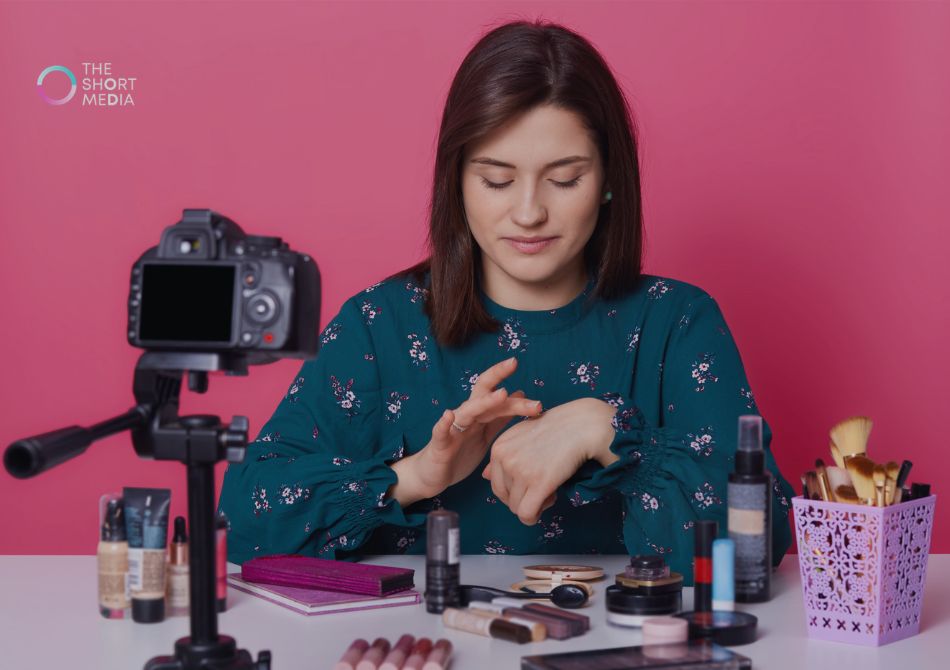
If you sell lip stain, foundation, scalp serum, or acne patches, a creator with a highly specific audience often does more for conversion than a celebrity with broad appeal. People want to see texture, wear test, lighting changes, maybe even a slightly unflattering close-up. Studio-perfect content can actually hurt here.
Food and beverage with everyday use cases
For a protein snack, sparkling drink, or frozen meal, the strongest content is often ordinary. A creator grabbing it after the gym. A mom tossing it into a lunch bag. A night-shift nurse keeping it in the work fridge. Those details matter more than fame.
Home products that need a believable setting
I’ve watched a product demo filmed in a cluttered kitchen beat a professionally lit brand video by a mile. Not because the brand video was bad. It just answered fewer real questions.
Local services and regional brands
If you’re marketing med spas, dental groups, boutique fitness studios, restaurants, or home services in the USA, celebrity creators are usually the wrong tool. Local or regional micro creators can actually drive foot traffic because their audience overlaps with your market. A national star can’t do much for a Dallas pilates opening if most of their audience is scattered everywhere.
That’s where a TikTok influencer agency with local creator sourcing experience earns its keep.
The cost difference changes your whole TikTok influencer marketing strategy
This part matters more than people admit.
A celebrity creator can eat most of your budget before you’ve learned anything. You get one face, one style, one audience dynamic, maybe one round of edits if you’re lucky. If the content misses, you’ve spent a lot to discover that your concept wasn’t strong.
With micro creators, you can spread risk. Ten creators at different audience sizes, content styles, and niches will usually teach you more than one expensive post. Not just performance-wise. Messaging-wise.
You start to see patterns:
which hooks get ignored,
which objections keep showing up,
which creators can sell without sounding salesy,
which product angle actually makes people save the video.
That’s the kind of learning loop a practical TikTok influencer marketing strategy needs. Especially for DTC brands, Amazon products, subscription offers, and retail launches where creative fatigue shows up fast.
Celebrity creators can still work. Just not as a shortcut.
There are times when a bigger creator is worth it. Retail moments. Event amplification. Social proof. Press pickup. Maybe you want one recognizable face to anchor a broader campaign built on micro creator volume.
That setup can work really well, actually.
But if a brand hires a celebrity because the internal team is tired of testing, or because leadership wants a “bigger” idea, that usually ends badly. TikTok tends to punish content that feels reverse-engineered by committee. And brands love joining trends about two weeks too late, which doesn’t help.
A TikTok micro influencer agency is often more useful because it forces better operating habits: more creators, more variation, more learning, less dependence on one expensive post.
What brands should actually ask before choosing creators
Before you hire anyone, ask a few less glamorous questions.
Can this person show the product in a believable way?
Do they handle sponsored content without sounding stiff?
Does their audience comment with buying intent, or just fandom?
Will the footage be usable for paid?
Can we learn something from this creator even if the first post isn’t a hit?
That’s a better filter than follower count. Usually by a lot.
And if you’re working with a TikTok influencer agency, push them on creator selection logic. “They have good engagement” isn’t enough. You want to hear why this creator fits the product, what angle they’ll likely land, and whether their content style can support the broader TikTok influencer marketing strategy.
FAQs
1. Are micro influencers always better than celebrity creators on TikTok?
Not always. If you need broad awareness for a national retail push, a bigger creator can help. But for conversion, UGC-style ads, and message testing, micro creators are often more useful.
2. What follower count counts as a micro influencer?
There’s no perfect line, but many brands treat roughly 10,000 to 100,000 followers as the micro range. On TikTok, I care less about the number and more about whether the creator can consistently make people comment, save, and ask real product questions.
3. Why does micro creator content often perform better in ads?
Because it usually blends into the feed better. It feels less staged, and that gives the hook a better chance. Also, smaller creators often film in normal environments, which weirdly helps. A bathroom mirror clip can outperform a polished studio setup if the product category fits.
4. Should brands use a TikTok micro influencer agency or manage creators in-house?
Depends on volume. If you’re testing with a handful of creators, in-house can work. Once you’re juggling outreach, contracts, briefs, usage rights, revisions, whitelisting, and performance tracking across dozens of creators, it gets messy fast.
5. What makes a strong TikTok influencer marketing strategy for micro creators?
Clear creative direction without over-scripting. Good product-market fit. Enough creator variation to test different hooks and audience types. And a team that actually reviews comments and retention, not just top-line views.
6. Do micro influencers work for Amazon products?
Yes, especially products that need demonstration. Kitchen tools, beauty items, organizers, pet products, supplements, all of that can work well. The content often surfaces objections your Amazon listing forgot to answer.
7. How many creators should a brand test at once?
For most brands, five to fifteen is a sensible starting range. Fewer than that and you may not see enough pattern recognition. More than that can get chaotic if your briefing and review process is sloppy.
8. What should I look for in a TikTok influencer agency?
Look for people who talk about content quality, creator fit, usage rights, paid performance, and comment insights. If the pitch is all reach and vanity metrics, I’d keep looking.