TikTok Shop vs Amazon FBA: Where US Brands Are Growing Faster in 2026
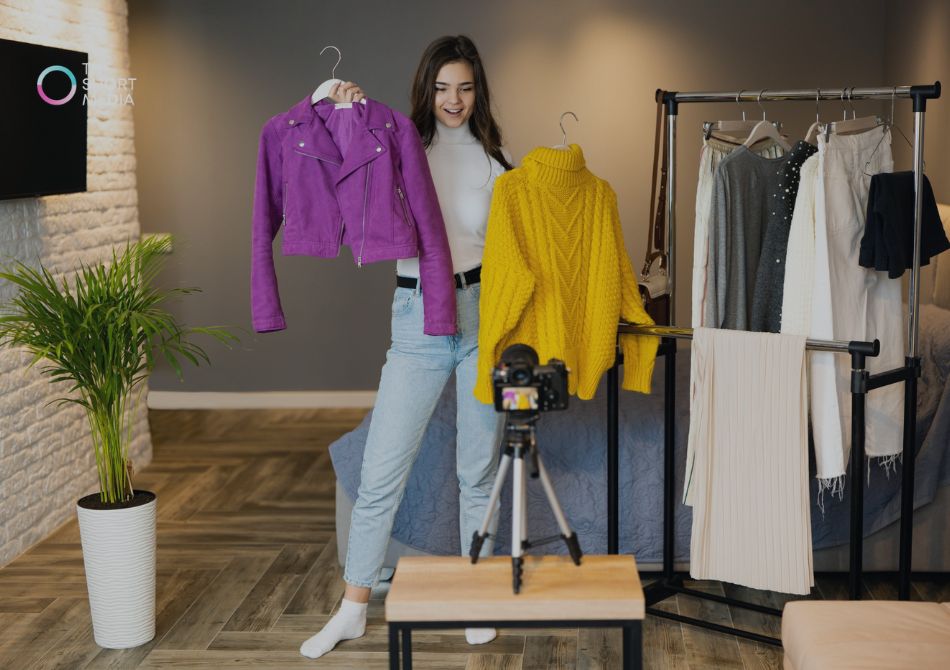
A few months ago, I watched a beauty brand spend three weeks polishing Amazon images, rewriting bullets, and arguing over A+ content modules… while a creator they barely briefed sold out a shade bundle on TikTok in a weekend from her apartment bathroom. That pretty much sums up where a lot of US brands are stuck right now. They’re not choosing between “old” and “new.” They’re choosing between two very different growth engines. Amazon FBA still does what Amazon has always done well: capture demand when someone already kinda knows what they want. TikTok is messier. Faster. Sometimes annoyingly unpredictable. But when tiktok e commerce clicks, it can move product in a way that feels closer to retail hype than marketplace optimization. And in 2026, that’s the real comparison. Not which platform is better in the abstract. Which one is helping US brands grow faster, with fewer delays between attention and purchase. Amazon still wins on intent. TikTok wins on momentum. If you’ve worked on Amazon for any length of time, you know the rhythm. Rankings matter. Reviews matter. Price definitely matters. Inventory planning matters more than most founders want to admit. You can build a very solid business there, especially in supplements, household goods, pet products, and replacement-item categories where people are searching with a job to do. But growth on Amazon FBA often looks like operational excellence. Better listing conversion. Better PPC efficiency. Better review velocity. That’s real growth, sure, but it can be incremental unless you’ve got a true category wedge. TikTok is different. With tiktok shop ecommerce, growth often starts before demand exists in any trackable search volume. A protein snack brand can go from “nobody knows us” to “we’re backordered in the Midwest” because a few creators framed the product the right way. Not with a polished ad, either. Usually with a slightly chaotic demo in a kitchen, or a car, or between school pickup and the gym. That’s not always sustainable. But it is fast. For US brands trying to compress discovery, persuasion, and checkout into one session, tiktok shop ecommerce has become hard to ignore. Where tiktok e commerce is actually moving faster The brands growing quickest on TikTok in the US usually have one thing in common: they sell something that shows well. That doesn’t mean it has to be flashy. It means there’s something to demonstrate, compare, react to, or explain in under 30 seconds. Beauty is the obvious example. A concealer with a clear before-and-after can travel quickly. Same with pimple patches, heatless curl tools, lip stains, or body care products with a visible texture payoff. I’ve also seen home products do well when the demo is dead simple. A grout cleaner. A storage fix. A weirdly satisfying pet hair remover. Stuff that would look boring on an Amazon search results page can suddenly take off in-feed. Food and beverage is more mixed, but not impossible. Snack brands, hydration products, and anything with a strong taste-test angle still have room. The catch is creative fatigue sets in fast. If every creator says “I was skeptical at first,” performance drops. People can smell a script from frame one. That’s been true for a while, and somehow brands still do it. For these categories, tiktok e commerce often grows faster than Amazon because it creates demand while closing the sale at the same time. Amazon usually needs the demand to show up first. The hidden drag on Amazon FBA growth A lot of operators won’t say this out loud, but Amazon growth in 2026 can feel expensive even when sales are climbing. You may be paying for: – Rising ad costs in crowded categories – Margin pressure from fees and discounting – Inventory storage headaches – Review management that feels like a full-time side quest And then there’s the copycat problem. If you get traction with an unremarkable product, somebody will list a version of it quickly. Sometimes several somebodies. That doesn’t kill good brands, but it does flatten easy wins. For many DTC brands, Amazon FBA is still necessary. It’s where customers go to confirm price, shipping speed, and legitimacy. It’s also where your retail launch can get a second life if shoppers see the product in Target, then check Amazon later. Still, if we’re talking pure speed of growth, Amazon often asks for patience and process. tiktok shop ecommerce can be more forgiving early on, especially if your product has a visual hook and your team can turn around content fast. Why tiktok shop ecommerce feels closer to modern QVC than marketplace selling That’s probably the simplest way to explain it to skeptical founders. A strong TikTok Shop setup isn’t just a storefront. It’s hosts, creators, affiliates, clips, reposts, comments, objections, social proof, urgency, and checkout all stacked together. Some of the best-performing US brands on the platform aren’t running “campaigns” in the traditional sense. They’re feeding a content-and-affiliate machine. And the comments matter more than people think. I’ve seen comment sections reveal the exact reason a product page wasn’t converting. A fitness recovery brand kept emphasizing performance benefits, but comments were full of people asking if the material would irritate sensitive skin. The sales page barely addressed it. Once they fixed that, conversion improved across channels, not just TikTok. That’s one reason tiktok marketing for brands has become more operational than many teams expected. It’s not just creative ideation. It’s creator sourcing, moderation, offer testing, landing page feedback, retention analysis, and inventory coordination. Messy stuff. The brands doing well with tiktok marketing for brands usually aren’t precious about their content. They don’t insist every video match the brand book. They care more about whether it feels native and whether it sells. Where Amazon FBA still has the edge There are categories where Amazon remains the easier bet. If the product is replenishable, highly searched, comparison-shopped, or practical to the point of being unsexy, Amazon is still a machine. Think air filters, collagen powder, charging accessories, baby safety gates, … Read more