What Makes a TikTok Creative Worth Scaling
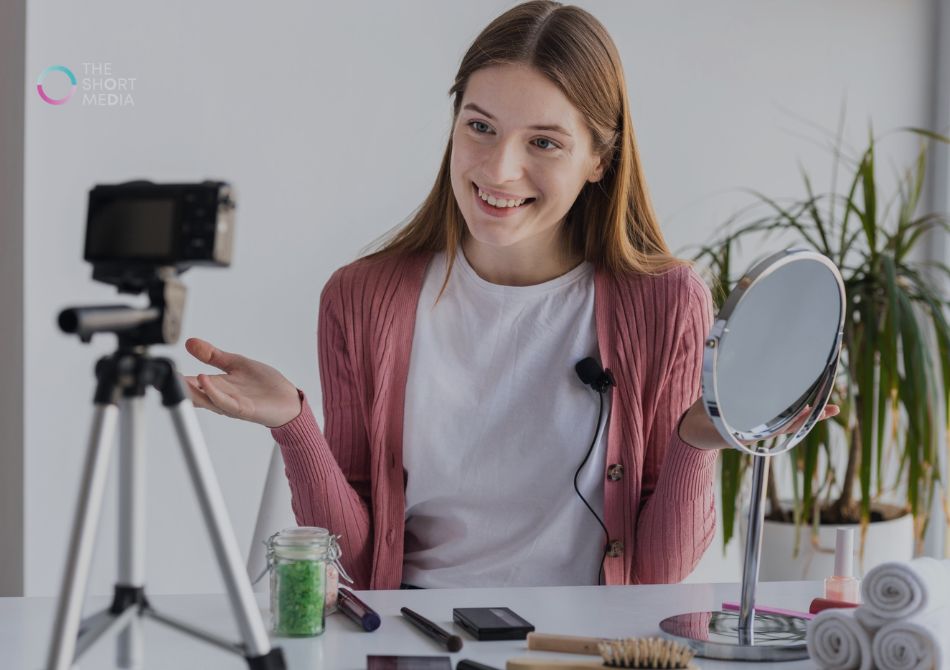
I’ve watched brands spend $15,000 on polished video shoots, then get outperformed by a 22-second clip filmed next to a kitchen sink. Not always. But often enough that it stops being surprising. That’s the weirdly useful thing about TikTok: the ad that scales usually doesn’t look like the ad the brand wanted to make. It looks like something a real person would actually post, with just enough structure to sell. Not too scripted. Not too “campaign.” And definitely not the trend your social manager found after it had already peaked. If you’re trying to figure out what actually makes a TikTok creative worth putting more budget behind, the answer usually isn’t “high production value” or “viral energy.” It’s whether the ad gives the algorithm, and the viewer, enough proof to keep going. A good TikTok creative agency knows this. The ones that don’t tend to chase aesthetics, copy what worked for another brand, and call it testing. The creative that scales usually earns attention fast This part gets oversimplified. People say the first two seconds matter, which is true, but not in a vague “grab attention” way. The opening has to create a very specific kind of curiosity. A beauty ad might start with someone saying, “I thought this was another overhyped Amazon blush, but…” A home product ad might open on a genuinely annoying mess, not a staged one. A local med spa in Texas might show a front-desk moment or a client reaction that feels normal, not glossy. The hook works when it feels like a person is about to tell you something useful, embarrassing, surprising, or slightly opinionated. I’ve seen a creator ruin a good script by reading it too perfectly. Every line landed with the same energy. It felt rehearsed in the bad way. Then the brand re-shot the same concept with rougher delivery, a couple of natural pauses, one line half-mumbled, and performance improved. Not because “authenticity” is magic. Because it felt watchable. A solid TikTok advertising agency will test hooks as separate creative variables, not just swap captions and call it iteration. A TikTok creative agency looks for signals, not just CTR Click-through rate matters. Thumbstop rate matters. But if you’ve run enough TikTok, you know early metrics can flatter a bad ad. Some creatives get cheap clicks because they’re entertaining or confusing. That doesn’t mean they deserve scale. What you want is a mix of signals: – Strong hold rate in the first few seconds – Comments that reveal actual buying intent or curiosity – Conversion behavior that doesn’t collapse once spend increases – A message angle that can support variations This is where a TikTok creative agency earns its keep. Scaling isn’t about finding one lucky winner. It’s about spotting the ad with enough structural strength to survive more impressions. For example, I worked on a fitness product where the best-performing ad wasn’t the funniest one or the one with the highest CTR. It was a creator demo filmed in her apartment hallway, showing exactly how she used the product before work. The comments were full of practical questions: sizing, setup time, whether it worked on hardwood floors. That told us the concept had legs. The landing page hadn’t answered half of those objections, by the way. That’s the kind of thing a good TikTok Ads Management Service should catch quickly. The offer has to be clear without sounding like an ad read A lot of brands miss here. The creative performs okay at low spend, then stalls because viewers never fully understood what was being sold, who it was for, or why they should care now. You don’t need to hammer the offer. TikTok viewers are pretty good at piecing things together if the story is clear. But they still need the basics. That means: – what the product is – what problem it solves – what makes it different enough – why this person is talking about it Simple. Not simplistic. A TikTok advertising agency that knows what it’s doing will push for clarity early in the script, especially for products that aren’t instantly obvious. Think supplements, kitchen gadgets, posture tools, skincare devices, stuff with a learning curve. If the viewer spends eight seconds trying to decode the product, you’ve probably lost them. I’ve also seen food brands bury the actual item until the end of the video. Nice editing, decent pacing, zero scale. People were watching but not buying. Once we moved the product reveal up front and let the creator talk through taste, texture, and price in a more casual way, conversion improved. Not dramatically overnight. Just enough to matter. Good scaling creative leaves room for iteration This is a big one, and it’s where a lot of teams get fooled by one-hit creatives. A video worth scaling usually contains a repeatable angle. Maybe it’s a problem-solution setup. Maybe it’s a side-by-side comparison. Maybe it’s a founder clip that works because the promise is strong, not because the founder happened to be charismatic that day. If the concept can’t be remade with new creators, new hooks, or new edits, it’s fragile. A strong TikTok Ads Management Service should be asking: Can we make five more versions of this without watering it down? That’s a better scaling question than “Is this our winner?” The best creative systems I’ve seen from a TikTok creative agency are built around modular ideas. One angle becomes: – a UGC testimonial – a product demo – a comment reply ad – a stitched reaction – a retail-focused version for Target or Walmart launch support That matters for US brands especially. A DTC skincare product may need one version for direct site conversion, another for Amazon traffic, another for retail awareness in specific regions. Same core message, different framing. Comments tell you what the ad is really doing This gets ignored way too often. Comments are where you find out whether the creative is building trust, triggering skepticism, or attracting the wrong audience entirely. … Read more