

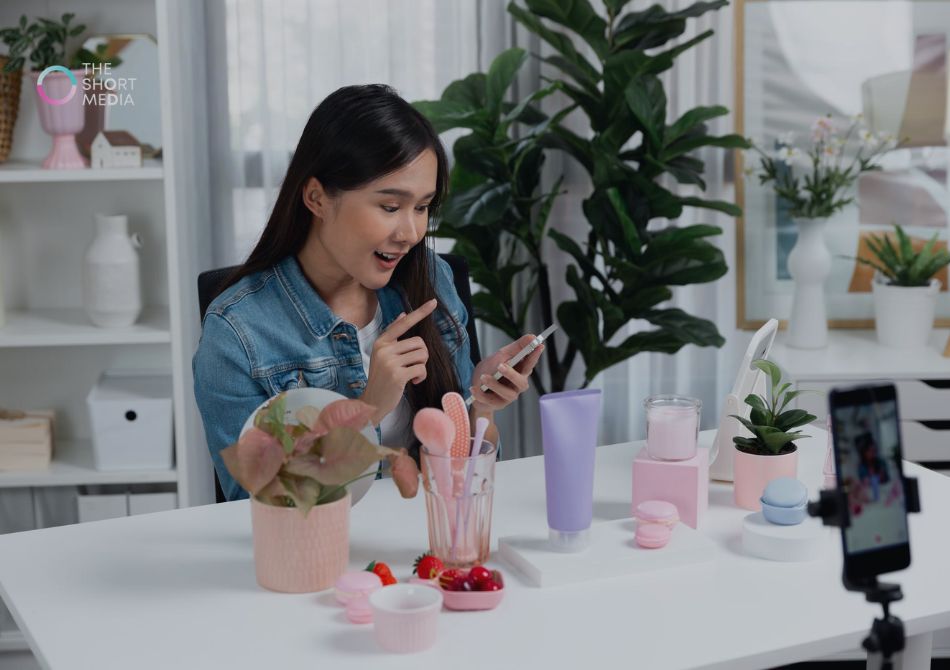
I’ve watched brands list a product on TikTok Shop, add a few decent photos, maybe clip together a polished 15-second video, and then wait for sales that never really show up. Not because the product was bad. Usually it was because the listing looked fine to the brand team and completely unconvincing to the feed.
That’s the weird little tension with TikTok Shop: people talk about it like a marketplace, but it behaves more like a content engine with a checkout button attached. If you treat it like Amazon, you’ll miss what actually gets products seen. If you treat it like pure social content and ignore the listing itself, same problem.
So, can products rank organically? Yes. But not in the tidy, old-school SEO sense people from Amazon or Google backgrounds often expect. A real TikTok shop marketing strategy has to account for search behavior, content signals, engagement velocity, creator fit, and conversion feedback all at once. Messy, honestly. But workable.
Organic ranking on TikTok Shop is real, just not clean
Products do surface organically inside TikTok Shop. You’ll see it through in-app search, product recommendations, related product placements, affiliate content, and product-tagged videos that keep getting distribution long after the post date.
What matters is that TikTok isn’t only reading your product title and description. It’s also reading how people respond to the content around the product.
A listing can have solid naming and still go nowhere if the attached videos feel stiff. I’ve seen a beauty brand send creators a perfect talking-points doc, and every video came back sounding like a high school presentation. Watch time dropped, comments were thin, and the product never got much traction. Then one creator filmed the same cleanser in her apartment bathroom, skipped half the script, mentioned that it didn’t sting around her nose piercing, and suddenly the comments filled with exactly the kind of buying intent the polished videos never pulled out.
That’s organic ranking on TikTok Shop in practice. The product isn’t ranking in isolation. The surrounding content helps teach the platform who might care.
What TikTok seems to reward
Nobody outside TikTok has the full recipe, obviously. But after enough campaigns, patterns show up.
Search relevance still matters
Your product title, category, attributes, description, and even spoken words in videos can affect discoverability. If you’re selling a collagen peptide powder in the USA market, “vanilla wellness supplement” is too vague. People search like shoppers, not brand strategists. They’ll type things closer to “collagen powder for coffee” or “unflavored collagen peptides.”
That doesn’t mean stuffing every field. It means being literal where it helps.
This is where good TikTok shop services tend to outperform in-house teams that are new to the platform. Not because the work is magical, but because someone has usually already seen how small naming changes affect visibility and click-through.
Conversion signals matter more than people admit
A product can get views and still fade if the click turns into hesitation. TikTok notices that. If users tap into the listing, stall, bounce, or hit the comments asking basic questions the page should’ve answered, that friction shows up somewhere in performance.
I’ve seen comments do more diagnostic work than any brand survey. A home product brand kept getting “Will this fit apartment sinks?” over and over. The sales page had dimensions, technically, but buried halfway down. Once the brand added a quick demo with a standard U.S. kitchen sink and put dimensions higher in the listing, conversion improved. Not glamorous. Very effective.
A strong TikTok shop marketing strategy pays attention to those objections because they often affect ranking indirectly. Better conversion tends to help products keep circulation.
Content freshness helps, but not every post needs to be a hit
Some brands panic when one product-tagged video underperforms. That’s normal. TikTok often needs multiple creative angles before it finds the right audience pocket.
For a fitness accessory, one creator’s gym footage might flop while a simpler “I keep this in my car for post-workout stretching” clip keeps selling for weeks. For a snack brand, glossy launch content may do less than a low-fi taste test filmed in a kitchen with bad winter lighting. I wish that last one were rare. It’s not.
This is another reason TikTok shop services can be valuable: the job isn’t only posting content, it’s finding repeatable creative patterns without sanding off what made them work.
Your listing is doing more SEO work than you think
A lot of brands obsess over videos and barely touch the product page after launch. That’s a mistake.
Titles should sound searchable, not branded to death
If your title leads with internal naming language, campaign slogans, or trademark-heavy fluff, you’re making discovery harder. Put the product type and key use case upfront. Save the cleverness for the content if you really need it.
Product images need to answer practical questions
Especially in categories like beauty, supplements, kitchen tools, storage, pet products, and home organization. U.S. shoppers want to know size, texture, shade, ingredients, use case, and what the thing looks like in a real setting.
Studio images are fine. But if every image looks like it belongs in a retailer deck, expect friction.
Descriptions should handle objections early
Not with giant walls of text. Just answer the stuff people always ask:
– what it is
– who it’s for
– how to use it
– sizing or compatibility
– shipping expectations
– return details if relevant
A good TikTok shop management agency will usually treat listing optimization and content strategy as one system, because they are. If your videos create demand and your listing fails to close the gap, organic momentum gets wasted.
Why creators often influence ranking more than brand accounts
Brand teams sometimes want all organic sales to come from the official account. I get it. Cleaner reporting, more control. But TikTok Shop often responds better when products travel through creator ecosystems.
Creators introduce variation. Different hooks, different audiences, different comment sections, different proof. And those comment sections matter. Sometimes they reveal a positioning angle the brand missed entirely.
A food brand might think it’s selling “high-protein pancake mix,” while creators discover the stronger angle is “quick breakfast that doesn’t taste sad.” A local service brand selling a cleaning tool might find that suburban moms care about pet hair while city renters care about storage size. That kind of feedback shapes a better TikTok shop marketing strategy than any internal brainstorm deck.
This is where a TikTok shop management agency can be useful if they actually understand creator matching and not just outreach volume. Sending 100 samples to random affiliates usually creates noise, not lift.
Paid traffic can support organic ranking, but it won’t fake it for long
Paid seeding can help a product get initial data. No argument there. It can drive clicks, purchases, and early engagement that help the product gather momentum. But if the listing is weak or the content feels forced, paid won’t somehow convert that into durable organic visibility.
I’ve seen brands boost the wrong creative for too long because the founder liked how “premium” it looked. Meanwhile, a scrappier video with a better hold rate sat unused. Happens all the time.
Good TikTok shop services usually involve tight feedback loops between paid, affiliate, and organic teams. If one side learns that a certain intro line or product claim keeps pulling comments and saves, the others should adapt fast.
What a practical TikTok shop marketing strategy looks like
Not a giant deck. More like a working system.
Start with product-market clarity. Some products are naturally easier on TikTok Shop because they demo well, solve a visible problem, or trigger impulse purchases. Others need more education. That affects how quickly they can rank organically.
Then get the basics right:
– searchable product titles
– clear images
– short, useful descriptions
– creator-ready talking points, not scripts
– multiple video angles tied to real use cases
– active comment mining
– frequent listing updates based on objections
A serious TikTok shop management agency should also be watching retention, click-through, product page view rate, add-to-cart behavior, affiliate output, and which creator styles actually convert. Not just vanity reach.
And if you’re in the USA market, details like shipping speed, local proof, retail references, and familiar use environments matter more than some brands expect. A countertop organizer shown in a standard American apartment kitchen often lands better than an abstract product montage. Same product, different context.
So, can products rank organically?
They can, and plenty do. But the ranking isn’t coming from “SEO” in the old sense alone. It’s coming from relevance plus proof plus content performance plus a listing that doesn’t create unnecessary doubt.
That’s why brands that win here usually stop separating content, merchandising, and conversion into different silos. TikTok Shop doesn’t care about your org chart.
If you want organic visibility, build a TikTok shop marketing strategy that treats the listing like media, the media like sales collateral, and the comments like free research. That’s usually where the gains are.
FAQs
1. Does TikTok Shop have an algorithm for product ranking?
It does, even if TikTok doesn’t hand over a neat public checklist. Search relevance, engagement, conversion behavior, creator activity, and product-tagged content all seem to play a role.
2. How important are product titles for organic visibility?
Pretty important, especially for search and initial relevance. If the title is too cute or too vague, you’re making the platform guess.
3. Can a product rank without creators promoting it?
Sometimes, but it’s harder. Creator content gives the platform more signals to work with, and it usually gives shoppers more believable context too.
4. Do reviews affect TikTok Shop SEO?
They seem to matter, especially when they reduce hesitation. A product with solid reviews and fewer confused comments tends to hold momentum better than one with lots of clicks but weak buyer confidence.
5. Should brands hire TikTok shop services or manage it in-house?
Depends on team experience and speed. If your internal team already understands short-form creative testing, listing optimization, affiliate coordination, and reporting, you may be fine. If not, outside TikTok shop services can save a lot of trial and error.
6. What does a TikTok shop management agency actually do?
The better ones handle listing optimization, creator coordination, affiliate recruitment, content planning, reporting, and day-to-day troubleshooting. The weaker ones mostly send emails and make dashboards.
7. Is paid traffic necessary to rank organically?
Not always. It can help with early momentum, but a weak product page or awkward creative usually gets exposed pretty fast.
8. How long does it take to see organic traction?
Could be a few days, could be a month, could be never if the offer and content aren’t connecting. That’s the annoying but honest answer.
9. What products tend to do well on TikTok Shop?
Items with clear demos, visible before-and-after moments, strong impulse appeal, or obvious everyday use tend to have an easier time. Beauty, snacks, home gadgets, wellness products, and certain Amazon-style problem-solvers often have a head start.