
Why TikTok LIVE Is Becoming a Customer Acquisition Channel
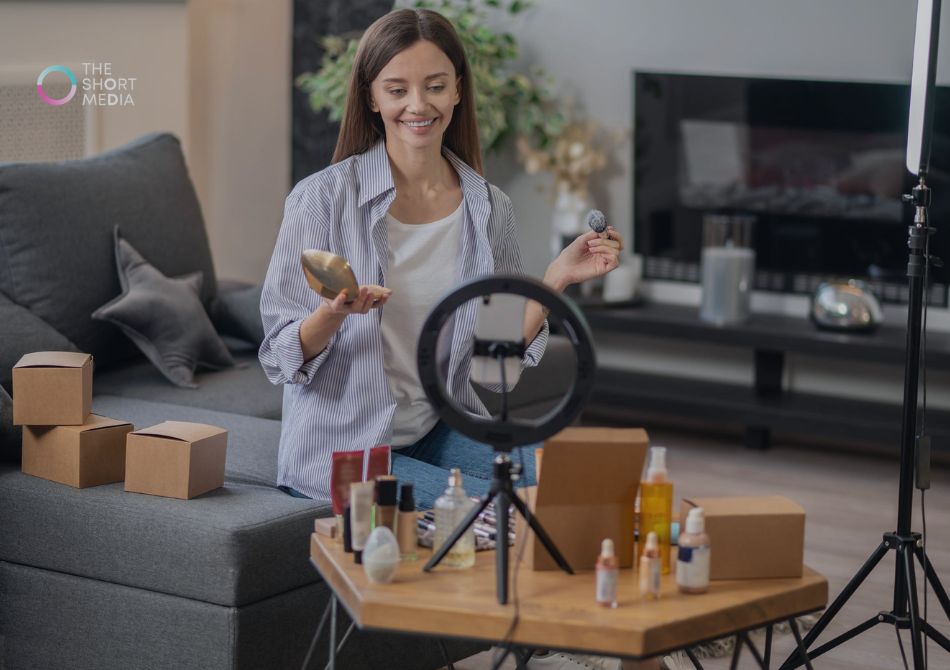
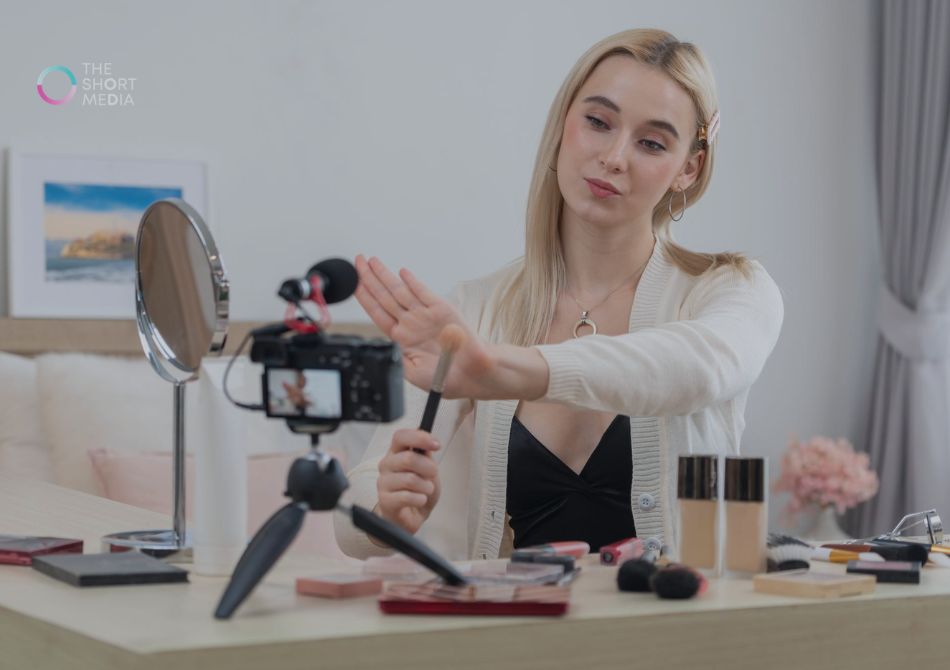
I’ve watched more than a few brand teams walk into TikTok LIVE with the wrong plan. Usually it starts the same way: someone sees a competitor selling out a product on a live, the team scrambles, a creator gets handed a script that sounds like it came from legal, and the whole thing dies in front of 43 viewers. No pace, no real demo, no host chemistry, no offer worth staying for. Then everyone says TikTok LIVE “doesn’t work for our category.” Sometimes it really doesn’t. A lot of times, though, the setup was bad. What’s changed in the last year or two is that LIVE isn’t just a place to entertain existing followers or clear a little inventory. For the right brand, it’s turning into a real acquisition channel. Not a side tactic. Not just community fluff. Actual first-touch customer growth, especially when the host, product, and offer are built for the format. That’s why more teams are looking for a TikTok LIVE agency USA brands can rely on, especially if they need help with creator sourcing, moderation, offer planning, and conversion tracking. Because LIVE has gotten more operational than people expected. It’s not just “social content” anymore A lot of marketers still look at TikTok LIVE like it’s an organic add-on. Something the social team can squeeze in between content shoots. That’s usually the first mistake. LIVE behaves more like a hybrid between storefront, creator content, QVC, customer research session, and performance media. A beauty brand can test shade objections in real time. A snack company can watch comments pile up around ingredients or shipping costs. A fitness brand can see exactly where people drop off during a product demo. You don’t get that kind of feedback from a static PDP. And unlike polished launch content, LIVE gives people room to hesitate out loud. That matters. I’ve seen comments reveal the exact objection a sales page missed: “Does this work on textured hair?” “Can I use this in a small apartment?” “Is this safe for sensitive skin?” Sometimes the host answers it well and conversion picks up right there. Sometimes they dodge it, and you can practically feel the cart abandonment happening live. That’s a big reason TikTok LIVE marketing has become more interesting to paid social teams, not just community managers. It creates acquisition moments while also exposing friction. The brands doing well on LIVE are built for demonstration Some categories have an easier path. Beauty, kitchen tools, supplements with a clear routine, cleaning products, home gadgets, hair tools, shapewear, storage products, pet accessories. If the product can be shown, compared, tested, or reacted to, it has a shot. If the benefit lands in eight seconds, even better. I’ve seen a product demo filmed in a regular kitchen outperform studio content because it felt believable. Not glamorous. Just a host opening a drawer, showing the mess, then fixing it with a storage product people immediately understood. Same thing with skincare. A creator applying product under bathroom lighting often beats the overproduced version because viewers trust what they can actually see. That’s where TikTok LIVE shopping agency support can help. Not because agencies magically make products sell, but because good ones know how to shape the live around proof. They know when a host is over-explaining. They know when a bundle needs to be introduced earlier. They know when the comments are telling you the audience wants a cheaper entry offer. A lot of TikTok LIVE marketing success comes down to this: can someone understand the product fast, believe the host, and act before they scroll away? Why acquisition is happening here, not just retention The old assumption was that LIVE mostly served your existing audience. That’s less true now. TikTok surfaces LIVE content to people who weren’t already looking for your brand. That changes the economics. A small DTC brand in Texas selling scalp care doesn’t need a massive follower base if the host is strong and the product story is clear. A cookware brand launching a new pan can reach people who just like cooking content. An Amazon seller with a clever cleaning tool can pick up first-time buyers if the demo is satisfying enough and the host doesn’t sound like they memorized the brief five minutes ago. That last part matters more than people think. The creator reading a script too perfectly is one of the fastest ways to kill a live. Viewers can feel the stiffness immediately. You want structure, sure. But not a hostage-video product pitch. A smart TikTok LIVE agency USA partner usually builds talking points, objection handling, offer timing, pinned product strategy, and moderator cues without making the host sound robotic. That balance is harder than it looks. And when it works, TikTok LIVE marketing can bring in customers who weren’t searching, weren’t on your email list, and probably wouldn’t have clicked a standard ad. The comment section is doing part of the selling This is the part some teams underestimate. On a good live, the host is selling, but the comments are closing. Or at least helping. People ask whether the leggings are squat-proof, whether the seasoning is too spicy for kids, whether the vacuum works on pet hair, whether the serum pills under makeup. Those aren’t random interruptions. That’s buying intent showing up in public. For local services in the USA, this can get surprisingly practical. A med spa, dental group, or boutique fitness studio can use LIVE to answer the boring but important stuff people won’t always ask on a landing page: downtime, pricing ranges, appointment timing, what first-time clients should expect. Not every local brand should do it, but some absolutely can. A good TikTok LIVE shopping agency will treat comments like live conversion data, not background noise. If the same question appears ten times, that’s not just moderation work. That’s messaging. And honestly, this is where a lot of brand websites still lag behind. The sales page says “premium materials.” The comments ask, “Will this … Read more