

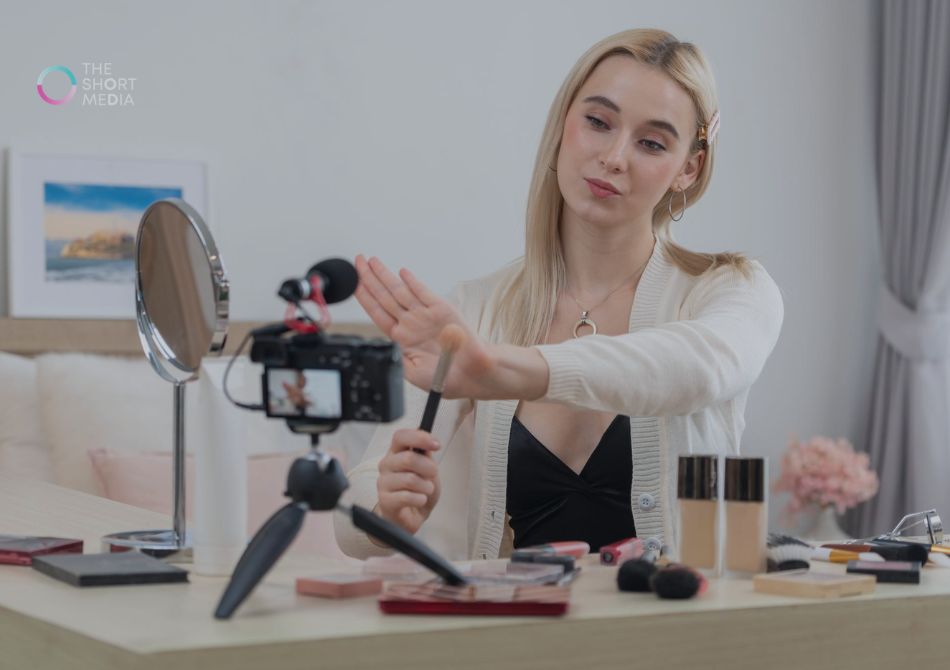
A few months ago, I watched a mid-size beauty brand run a TikTok LIVE with a creator who clearly knew the product but had been handed a script that was too clean. You could feel it. She hit every talking point, smiled at the right moments, and still the comments were slow. Then something shifted. She went off-script, grabbed a makeup wipe, removed half her face, and started reapplying the product while answering questions about shade match and whether it pilled over SPF. Sales picked up almost immediately.
That’s pretty much TikTok LIVE commerce in one scene.
When it works, it doesn’t feel like a polished ad campaign. It feels closer to QVC after spending too much time online, with faster comments, weirder humor, and a much shorter window to earn trust. That mix is exactly why brands in the USA are putting real budget behind it, and why a lot of them are looking for a TikTok LIVE shopping agency instead of trying to wing it with a social coordinator and a ring light.
The money is following attention, but not in the old way
There’s a reason this channel is moving into billion-dollar territory. It’s not just that people are watching live video. Plenty of brands have had live video for years and got almost nothing from it.
What’s different here is the shopping behavior inside the stream.
A customer sees the host use the product, asks a question in comments, gets an answer on the spot, clicks the product card, and buys without leaving the app. That compression matters. It removes the awkward handoff where interest dies. With standard paid social, you’re often paying to create intent and then hoping the landing page doesn’t mess it up. On LIVE, objections show up in comments in plain English. “Does this work on oily skin?” “How loud is the blender?” “Will this fit in a small apartment kitchen?” If the host handles those well, conversion tends to follow.
I’ve seen comments reveal things the sales page completely missed. A home storage brand kept talking about aesthetics, but the chat was full of people asking whether the bins could hold dog food. They changed the demo midstream, showed a full bag being poured in, and that became the top-selling bundle.
That’s not theory. That’s commerce.
Why TikTok LIVE marketing is clicking with US brands
A lot of TikTok LIVE marketing advice is still too generic. It treats every brand like it should just “go live more” and let authenticity do the rest. That’s how you end up with awkward streams, five viewers, and a founder staring into the camera waiting for comments.
In the US market, the brands seeing traction usually have one thing in common: they treat LIVE like a sales environment, not just a content format.
Beauty is an obvious category because demos are visual and questions come fast. But it’s not just beauty. Food brands are doing sample kits, snack bundles, and creator tastings. Fitness brands are moving units with recovery tools, resistance systems, and supplements when the host actually uses them instead of reading claims from a brand brief. Home products do well too, especially when the demo happens in a real kitchen or laundry room. I’ve watched studio-shot content lose to a slightly messy countertop because the product looked more believable there.
That’s a big part of TikTok LIVE marketing in practice: believability beats polish more often than brand teams expect.
And timing matters. A lot. Brands still show up to trends late, especially larger retail teams. By the time approvals are done, the sound or format already feels stale. LIVE gives them a way around some of that because the host can react in real time. A smart creator can pivot based on comments, inventory movement, or even an unexpected question that turns into the whole angle of the stream.
A TikTok LIVE shopping agency can fix the parts brands usually get wrong
Most brands don’t fail on TikTok because they picked the wrong font or forgot a trend. They fail because LIVE is operationally messy.
You need the right host, the right offer, enough moderation, product sequencing, comment handling, backup plans if traffic dips, and someone watching conversion in real time. That’s why hiring a TikTok LIVE shopping agency has started to make sense for brands that are serious about the channel.
A good agency doesn’t just book creators and call it strategy. They think about things like:
The host-product fit has to be real
A creator can be talented and still wrong for the product. I’ve seen fitness creators sell kitchen gadgets better than food influencers because they were naturally sharper on camera and better at handling objections. I’ve also seen creators tank a stream by reading a script too perfectly. That usually kills trust within minutes.
Offer structure matters more than brands want to admit
Free shipping, limited bundles, live-only pricing, gift-with-purchase — these aren’t side details. They often decide whether viewers stay in “interesting” mode or switch into buying mode.
For TikTok LIVE marketing, the offer can’t feel buried. If the host waits 18 minutes to explain what’s actually for sale, you’ve probably lost a chunk of the room.=
Inventory and operations can quietly ruin a good LIVE
This part isn’t glamorous, but it’s real. A stream starts converting, one SKU sells out, the hero bundle breaks, and suddenly the host is scrambling. A seasoned TikTok LIVE shopping agency plans for that. Alternate bundles, pinned products, backup talking points. Boring stuff, honestly. Also the stuff that keeps revenue from falling apart.
Why TikTok LIVE agency USA demand is rising
US brands are under pressure to find channels that don’t rely entirely on rising ad costs and shaky attribution models. That doesn’t mean TikTok LIVE replaces paid social. It doesn’t. But it does give brands another way to turn attention into sales without pushing every shopper through the usual ad-to-site funnel.
That’s part of why searches for TikTok LIVE agency USA have picked up. Teams want help building a repeatable system, not just a one-off event.
A strong TikTok LIVE agency USA partner usually brings three things brands struggle to build internally:
– creator sourcing that goes beyond follower count
– stream planning tied to actual conversion behavior
– operational support before, during, and after the LIVE
That last part gets ignored a lot. Post-LIVE analysis matters. Not just GMV totals, but where viewers dropped, which objections kept appearing, which bundles got clicks but not purchases, and whether the host pushed too hard too early. Sometimes the comments tell you more than the revenue dashboard.
I worked on a food launch where the team thought the issue was price. It wasn’t. Comment after comment was asking how big the pouches were. Nobody had shown scale clearly. Next stream, the creator held one next to a standard lunch bag and sales improved. Small fix. Very normal. Very unsexy. It worked.
TikTok LIVE marketing isn’t just for giant brands
There’s a tendency to assume this channel belongs to enterprise retail, celebrity brands, or companies with huge creator budgets. Not really.
Some of the better TikTok LIVE marketing setups I’ve seen came from smaller DTC brands and Amazon sellers that moved fast and didn’t overproduce. A supplement brand with a decent host and a simple subscribe-and-save angle can outperform a much bigger company that treats LIVE like a repurposed webinar. Same goes for local service-adjacent businesses selling products — med spas with skincare kits, boutique gyms with recovery products, even regional food brands testing bundles around a retail launch.
The key is not scale. It’s format discipline.
A TikTok LIVE agency USA that understands this won’t force every brand into the same playbook. A cookware launch in the USA should not be run like a beauty restock. A pet product stream should not sound like a luxury skincare demo. Seems obvious, but you’d be surprised.
What separates the winners from the brands just “trying TikTok”
Usually, it comes down to a few habits.
The better teams test hosts before they test production upgrades. They script less than they think they should. They watch comments like a sales floor, not like community management. They build offers specifically for LIVE instead of copying the website promo. And they accept that some of the highest-converting moments will look a little rough.
That roughness is part of the appeal, within reason. If a creator fumbles a cap, laughs, and keeps going, viewers don’t mind. If the entire stream feels confused, they absolutely do.
This is where a TikTok LIVE shopping agency earns its keep. Not by making the stream prettier. By making it sharper.
And if you’re evaluating a TikTok LIVE agency USA, I’d ask less about follower reach and more about conversion process. How do they train hosts to handle objections? How do they build product sequencing? What happens when a stream stalls at minute 12? Have they worked across categories like beauty, home, food, and fitness in the USA market? Those answers tell you a lot faster than a flashy pitch deck.
FAQs
1. How often should a brand go live on TikTok?
More than once, less than randomly. A single LIVE usually tells you almost nothing. Most brands need a testing window — different hosts, offers, time slots, product mixes — before they know what’s actually working.
2. Do you need a big creator to make TikTok LIVE work?
Not always. Some larger creators drive traffic but don’t convert especially well on LIVE because they’re not great at selling in real time. A mid-tier host who can demo, answer comments, and keep energy up for 45 minutes is often more useful.
3. Is TikTok LIVE commerce mostly for beauty brands?
Beauty has an easy head start because the format suits demos, shade questions, routines, all that. But home goods, snacks, kitchen products, fitness accessories, and certain Amazon products can do very well too. If the product benefits from showing, explaining, and handling objections live, it has a shot.
4. What does a TikTok LIVE shopping agency actually do?
Usually a mix of creator sourcing, stream planning, offer strategy, moderation support, reporting, and troubleshooting during the event. The good ones also help with host coaching, because “nice on camera” and “good at LIVE selling” are not the same thing.
5. How long should a TikTok LIVE be?
Longer than most brand teams want, shorter than a ramble. Thirty to sixty minutes is a workable range for many US brands, though some products need more time to warm up. If conversion starts late, don’t panic too early.
6. Can smaller US brands afford this channel?
They can, if they don’t treat it like a giant production. You don’t need a studio and a ten-person team. You do need a decent host, a clear offer, product availability, and someone paying attention to the comments.
7. What’s the biggest mistake brands make with TikTok LIVE marketing?
Over-scripting. Easy answer, but true. The second biggest is treating LIVE like a brand awareness exercise when the setup really needs to support shopping behavior.
8. How do you choose a TikTok LIVE agency USA partner?
Ask for specifics. Not vague success stories. You want to know how they handle low-viewer streams, sold-out products, weak hosts, comment moderation, and post-LIVE analysis. If they only talk about impressions, keep looking.
9. Does TikTok LIVE replace paid ads?
No, and it doesn’t need to. It works better as part of a broader system — paid traffic, creator content, remarketing, retail support, maybe Amazon lift if your product is sold there. LIVE can be the conversion event inside that mix.