

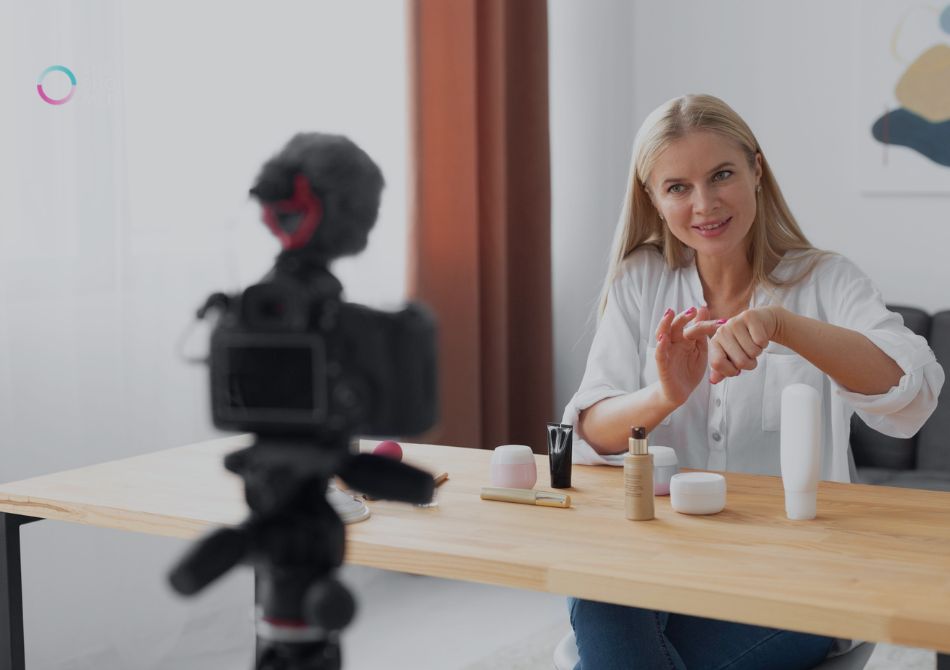
A few months ago, I was reviewing creative for a mid-sized beauty brand in the US. They had a strong product, decent margins, and a team that moved fast enough to matter. Their TikTok content was getting some traction, but their YouTube Shorts were quietly driving better watch time and, weirdly, better branded search lift. Nobody on the team expected that. They were still treating Shorts like a repost bin.
That’s the thing heading into 2026: a lot of brands still have a platform bias that’s based on 2022 behavior. Meanwhile, audiences have settled into habits that are less dramatic and more practical. People bounce between apps. They discover on one platform, compare on another, and buy whenever the friction is lowest. So the real question isn’t “Which app wins?” It’s where your brand should put actual budget, creative energy, and team attention.
If you’re deciding between TikTok and YouTube Shorts, the answer depends less on hype and more on what you’re selling, how fast you can produce usable creative, and whether you need awareness, consideration, or direct response now.
The case for TikTok is still real
TikTok still has an edge when a brand needs cultural speed. Not polished speed. Messy speed. A reaction, a stitch, a creator riff, a product moment that feels like it escaped the content calendar.
For food brands, beauty launches, impulse-friendly DTC products, and trend-sensitive categories, TikTok can still put a product in front of the right kind of curiosity very quickly. I’ve seen a snack brand get more useful feedback from TikTok comments in three days than from a month of survey data. People weren’t just saying “want this.” They were saying the spicy version looked too mild, the packaging looked hard to open, and the serving size felt “airport tiny.” That’s useful.
TikTok also tends to reward creative that feels less overworked. Which sounds obvious until a brand sends creators a script that’s been revised by legal, brand, paid social, and the founder. You can hear that kind of script. The creator starts sounding like a customer service chatbot with nice lighting. Performance usually drops.
If your team is comfortable producing a lot of short form video marketing quickly, testing hooks aggressively, and reacting before a trend gets stale, TikTok is still worth serious investment in 2026.
Why YouTube Shorts keeps getting underestimated
A lot of brands still think Shorts is where videos go after TikTok. That’s lazy, honestly.
Shorts sits inside a broader YouTube ecosystem, and that matters more than people give it credit for. A short clip can introduce a home product, then a longer review, comparison, or influencer integration can pick up the next step. For fitness brands, kitchen gadgets, supplements, tools, and products people want to “check before buying,” that path is valuable.
I’ve watched Amazon-focused brands do especially well here. A simple demo filmed in a real kitchen, not a studio set, can outperform glossy content because it answers the exact question a shopper had. Does the blender crush ice without sounding like a leaf blower? Can the storage container actually stack in a cramped apartment cabinet? Shorts can do that in 20 seconds, and YouTube gives the user an easy next click when they want more.
This is where a YouTube Shorts marketing agency can be useful, especially for brands that need more than views. A good team won’t just crop TikToks and call it strategy. They’ll think about sequencing, search behavior, creator fit, and how Shorts supports the rest of your YouTube presence.
TikTok is louder. Shorts is often steadier.
That’s a simplification, but not by much.
TikTok can spike fast. It can also flatten just as fast, especially if your product depends on novelty or trend timing. A retail launch, a limited-edition flavor, a celebrity collab — TikTok can make sense there because urgency helps. But if your brand sells something people research a bit more, YouTube Shorts often gives you a cleaner runway.
For local services in the USA, this gets interesting. A med spa, roofing company, orthodontist, or high-end cleaning service may get attention on TikTok, sure. But Shorts often fits better when the content is educational and tied to trust. “What happens during Invisalign week one” or “three things to check before replacing your roof after hail damage” can pull in a more patient viewer. Not always viral. Usually more useful.
A smart YouTube Shorts advertising agency will usually look at this through the lens of intent, not just reach. That’s a better conversation.
Paid media changes the decision
Organic performance gets all the attention, but media buying reality tends to sober people up.
On TikTok, ad creative fatigue can hit fast. If you’ve run paid social for any amount of time, you’ve seen it: one UGC-style video works, then five imitations show up, and by week three the comments are dragging the ad for sounding fake. The refresh cycle is brutal if your team can’t keep feeding the machine.
With Shorts, paid distribution can feel a little less chaotic, especially when the creative is tied to product education or simple demonstrations. Not easier, exactly. Just less dependent on catching a very specific mood in the feed that week.
That’s why some brands end up working with both a YouTube Shorts marketing agency and a TikTok-focused creative team. They’re solving different problems. One is trying to create momentum and social proof fast. The other is building a more stable video layer that supports search, retargeting, and longer consideration windows.
Short form video marketing works better when the platform matches the product
This is where a lot of strategy decks get too abstract.
A skincare brand launching a pimple patch line at Target? TikTok probably deserves aggressive testing. The category is visual, creator-friendly, comment-heavy, and easy to demonstrate in a bathroom mirror with bad but believable lighting.
A premium mattress topper brand selling through Shopify and Amazon? YouTube Shorts may punch above its weight. Sleep products often need explanation, comparison, and a little proof. A YouTube Shorts advertising agency can build around those use cases better than a trend-chasing playbook.
For home products, I’ve repeatedly seen raw demos beat polished edits. Someone opening a cabinet, showing the organizer actually fits, and muttering “okay, that’s better” can outperform a studio montage. Not glamorous, but real. That’s the kind of short form video marketing detail that matters.
For supplements and fitness products, the split can go either way. TikTok is strong when the hook is immediate — energy, taste, routine, transformation framing. Shorts is often stronger when the buyer wants to compare, understand ingredients, or watch a coach explain how they actually use it.
Where a YouTube Shorts marketing agency fits in
Not every brand needs one. Some just need a better editor and a less timid content lead.
But a YouTube Shorts marketing agency can help if your internal team keeps treating Shorts as leftover inventory. The good agencies know that YouTube has different pacing, different retention patterns, and different expectations around usefulness. They also know how to connect organic Shorts with paid testing and longer-form assets.
That matters if your brand already has a YouTube channel sitting half-used. It matters even more if your customer journey includes review content, tutorials, unboxings, or product comparisons.
A strong YouTube Shorts advertising agency should also be honest about creative. If your first three seconds are slow, they should say so. If your creator reads every line too cleanly and kills the ad, they should say that too. Some won’t. The useful ones will.
So where should brands invest in 2026?
For most brands, this won’t be an either-or decision. It’ll be a weighting decision.
If you sell visually demonstrable, trend-responsive, lower-consideration products, TikTok likely deserves the bigger creative test budget. Especially in beauty, food, fashion accessories, and certain DTC impulse buys.
If your product benefits from explanation, comparison, trust-building, or a longer path to purchase, YouTube Shorts deserves more than repost scraps. In a lot of cases, a YouTube Shorts marketing agency can help brands build a system instead of just posting clips and hoping something sticks.
The strongest setup I’m seeing is this: TikTok for fast creative learning and audience signal, Shorts for durable distribution and deeper mid-funnel support. That’s not sexy, but it’s practical. And practical tends to age better than platform hype.
Short form video marketing in 2026 is less about picking a winner and more about matching the feed to the buying behavior. Some teams will still force the same content into both channels and call it efficiency. Usually you can tell.
FAQs
1. Should brands stop investing in TikTok if they’re already seeing traction on YouTube Shorts?
Probably not. If TikTok is giving you strong creative learnings, useful comment feedback, or low-cost reach, keep it in the mix. Just don’t assume that traction there means the same videos will work unchanged on Shorts.
2. Is a YouTube Shorts advertising agency only useful for big brands?
Not really. Mid-sized DTC brands, Amazon sellers, and even local service businesses can benefit if they need a clearer content system. The key is whether the agency understands your sales cycle, not whether they have a fancy deck.
3. Can I just repost TikToks to Shorts?
You can, and plenty of brands do. It’s also one of the easiest ways to underperform on both platforms over time. The pacing, captions, hooks, and context usually need at least some adjustment.
4. Which platform is better for local businesses in the USA?
For many local businesses, Shorts can be a better fit than people expect. A dentist, contractor, or med spa often needs trust and clarity more than trend participation. TikTok can still work, but it tends to reward a more personality-driven approach.
5. How much creative volume do brands need for short form video marketing?
More than they think, less than they fear. You don’t need 40 polished edits a month. You do need enough variety to test different hooks, angles, creators, and objections. A few scrappy winners often beat a big polished batch.
6. What should I look for in a YouTube Shorts marketing agency?
Look for someone who talks about retention, product education, sequencing, and audience behavior on YouTube specifically. If they mostly show you TikTok examples with the logos cropped out, keep looking.
7. Does YouTube Shorts work for ecommerce, or is it more for creators?
It works for ecommerce, especially when the product needs a quick demo or a little explanation. Kitchen tools, home organization, fitness gear, and beauty products can all do well there if the content feels useful instead of overproduced.
8. How do I know if my short form video marketing is too polished?
Usually the audience tells you. Watch the comments, hold rates, and click behavior. If the video looks expensive but people scroll past in two seconds, that’s your answer. Sometimes the clip shot on an iPhone in someone’s kitchen is the one that actually sells.