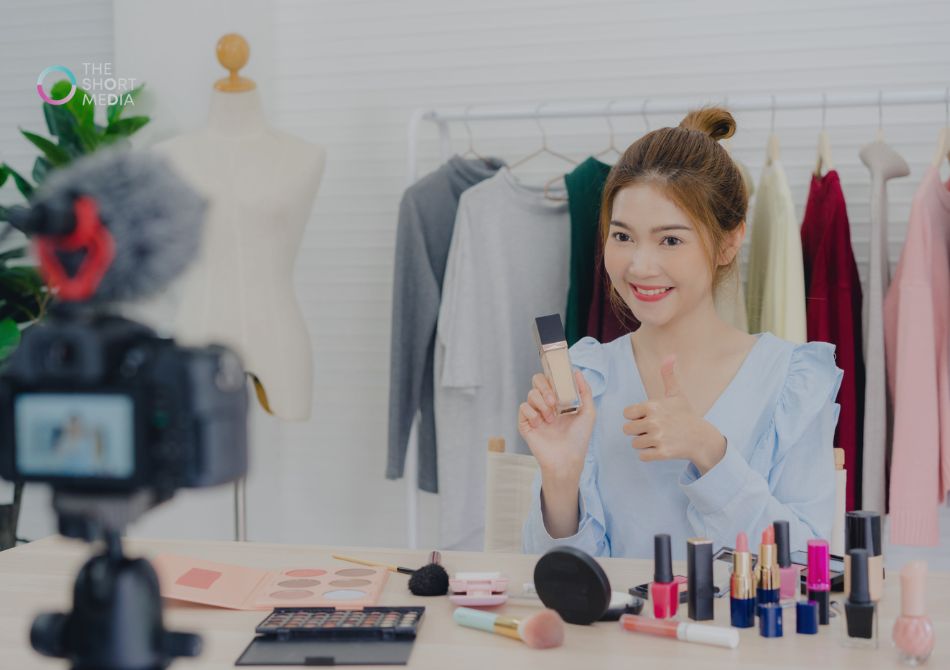
I’ve watched more than one brand spend three weeks polishing a TikTok brief, only to get back creator videos that looked like someone was reading cue cards in a dentist’s office. Then a smaller creator films a quick demo on a messy kitchen counter, mentions one annoying problem the product actually solves, and that’s the clip that moves units.
That’s pretty much the rhythm of TikTok shop affiliate marketing right now. The brands that treat it like a catalog channel usually get mediocre results. The ones that understand it’s part creator management, part offer strategy, part content testing — they tend to stay in the game longer and make it work.
If you’re a brand trying to figure out whether to build this in-house or work with a TikTok Shop Affiliate Agency, here’s the practical version. No fluff. Just what tends to matter.
Why TikTok shop affiliate marketing feels messy at first
A lot of US brands come into TikTok Shop expecting a cleaner version of influencer marketing. It isn’t. It’s faster, noisier, and more operational than most teams expect.
You’re not just hiring creators to “post content.” You’re dealing with product seeding, commission structure, creator outreach, content approvals sometimes, shipping issues, promo timing, inventory sync, comment sentiment, and the weird reality that a video with average lighting can outperform a beautifully edited brand asset by a mile.
That’s why TikTok shop affiliate marketing often breaks down when it’s handed to a social coordinator who already has five other jobs.
Beauty brands run into this quickly. A lip oil brand might send PR to 200 creators, but only 25 actually post. Of those, maybe 6 make content that feels native enough to get traction. Then the winning angle isn’t “hydrating shine,” it’s “this replaced the gloss I keep losing in my car.” You only find that by testing with volume.
Food brands see a different version of it. A protein snack company may think the product needs a polished health-and-wellness pitch. Meanwhile, creators who toss it into a lunchbox video or a post-gym car snack clip end up driving the orders.
That gap between what a brand wants to say and what creators can sell naturally — that’s the work.
What a TikTok Shop Affiliate Agency actually does
A good TikTok Shop Affiliate Agency is not just a middleman emailing creators. If that’s all they do, you can probably handle it internally with a decent operator and a spreadsheet.
What the better agencies do is build a repeatable system around TikTok shop affiliate marketing so brands aren’t constantly reacting.
They recruit creators at scale, but not blindly
A lot of outreach lists look impressive until you realize half the creators haven’t posted about products in months, a quarter are in the wrong niche, and some are only responsive when there’s a flat fee involved.
An experienced TikTok Shop Affiliate Agency looks for creators who already know how to sell in-feed without making it feel like a late-night commercial. That’s a real filter. Some creators have great engagement and still can’t move product. Others have smaller audiences but know how to frame a demo, handle objections, and keep the hook from sounding rehearsed.
And yes, the “reads the script too perfectly” issue is real. It kills performance all the time.
They manage offers, samples, and follow-up
This part is less glamorous, but it’s usually where momentum gets lost.
A creator says they’re interested. The sample arrives late. The shade sent is wrong. The product page doesn’t explain sizing clearly. The commission is lower than competing offers. Suddenly the creator ghosts, or posts once and never again.
Strong TikTok shop affiliate services clean up that operational drag. That means creator onboarding, tracking shipments, nudging for content, adjusting commission when needed, and keeping enough communication going without sounding desperate.
They read content like performance marketers, not just talent managers
This is where a lot of TikTok shop affiliate services separate themselves.
The job isn’t just getting posts live. It’s spotting patterns. Maybe creators keep getting comments asking whether a cleaning product works on quartz counters, and the product page never mentions it. Maybe a fitness recovery tool gets better conversion when creators show the setup time honestly instead of pretending it’s instant. Maybe a home gadget performs better in a cluttered apartment kitchen than in a pristine studio.
Those details matter because TikTok shop affiliate marketing is often won in the comments and in the first three seconds of a demo.
The brands that usually do well
Not every brand is a fit right away. That’s worth saying.
Products that tend to work well in TikTok shop affiliate marketing usually have a clear visual payoff, a reasonable price point, and a simple explanation. Skin care, snacks, supplements, home organization, pet products, beauty tools, kitchen items, postpartum products, and impulse-friendly Amazon-style problem solvers all have a shot.
I’ve also seen local service-adjacent brands use the model in smart ways. Not direct booking through TikTok Shop, obviously, but productized offers. A med spa pushing aftercare kits. A salon brand selling extension-care products. A fitness studio moving branded recovery tools and supplements.
Retail launches can work too, especially when TikTok Shop supports a broader push. A DTC home brand launching into Target or Walmart can use affiliates to create the kind of social proof that paid media later amplifies. But timing matters. If the team jumps on a trend two weeks late because legal finally approved the copy… well, you can guess how that goes.
Where brands usually mess this up
Some of this is predictable.
They treat creators like ad units
If every brief sounds like it came from a sales deck, creators either ignore it or produce stiff content. You want talking points, not theater. The highest-performing affiliate creators usually need room to phrase things like actual people.
They obsess over aesthetics and ignore conversion signals
I’ve seen brands reject videos because the kitchen looked “too normal,” then approve polished studio clips that did almost nothing. On TikTok Shop, normal can help. Not always. But often enough that it’s expensive to ignore.
They underpay or overcomplicate the offer
Weak commission structures don’t inspire much effort, especially in crowded categories like beauty and wellness. On the other side, some brands create so many rules around claims, hooks, and talking points that no creator wants to bother.
This is exactly where TikTok shop affiliate services can help, assuming the agency has enough experience to push back on bad internal habits.
Should you hire a TikTok Shop Affiliate Agency or build in-house?
If you already have strong creator operations, fast sample fulfillment, and someone on the team who can manage outreach volume without dropping follow-up, in-house can work. Especially for brands with a narrow SKU set and a founder who understands content.
But plenty of teams underestimate the workload. A TikTok Shop Affiliate Agency can make sense when:
– you need creator volume fast
– your team is good at paid social but weak on affiliate ops
– fulfillment and reporting need outside structure
– you want TikTok shop affiliate services tied to content testing, not just outreach
For mid-sized US brands, the decision usually comes down to speed and consistency. If your internal team can’t recruit, ship, track, and optimize every week, the channel starts to stall.
What to ask before signing with TikTok shop affiliate services
Not all TikTok shop affiliate services are built the same. Some are basically influencer outreach shops with new packaging.
Ask how they source creators. Ask what happens after a creator says yes. Ask how they handle low posting rates. Ask what reporting actually looks like. Ask whether they’ve worked with products in your category, because skincare, pantry food, and home storage all behave differently.
Also ask how they deal with underperforming content. If the answer is just “we’ll get more creators,” that’s not enough. More volume helps, sure, but someone should be learning from the misses.
A solid TikTok Shop Affiliate Agency should be able to talk about creator activation rates, repeat posting behavior, content angles that convert, common objections in comments, and where operations usually break.
That’s a lot more useful than hearing about “virality.”
Final thoughts for brands getting started
The brands that stick with TikTok shop affiliate marketing usually stop expecting it to behave like polished influencer marketing. It’s closer to a live testing environment with creators attached. Some weeks the content is weird. Some creators disappear. A product you thought would be the hero barely moves, while a less glamorous SKU quietly becomes the one affiliates keep reordering.
That’s normal.
If you want this channel to work, make the offer easy to understand, get product into the right hands quickly, and pay attention to what creators and commenters are telling you. A good TikTok Shop Affiliate Agency can speed that up. The wrong one just adds another layer of email.
FAQs
1. How long does it take to see results from TikTok Shop affiliates?
Usually faster than traditional influencer campaigns, but not always in a clean straight line. Some brands get traction in a few weeks if the product is easy to demo and the commission is competitive. Others need a month or two of testing before the right creator angles show up.
2. What commission rate should a brand offer?
It depends on category, margin, and how competitive your niche is. Beauty and supplements often need stronger incentives because creators have options. If your rate is noticeably lower than similar products, don’t be surprised when outreach gets ignored.
3. Do brands need to send free product to every creator?
For affiliate programs, yes, most of the time. Creators generally need to try the item, film with it, and decide whether they can talk about it naturally. Sending samples is part of the cost of entry here.
4. Can small brands compete with larger companies on TikTok Shop?
They can, especially if the product is clear and the team moves quickly. Smaller brands often approve content faster, fix offer issues faster, and adapt when comments expose a problem. Big brands tend to have more budget, but they also tend to have more internal drag.
5. What kind of products struggle on TikTok Shop?
Products with a long education curve, very high price points, or weak visual storytelling usually have a tougher time. If a creator needs 90 seconds just to explain what the item is, that’s a harder sell. Not impossible. Just harder.
6. Do creators need scripts?
Usually no. They need direction, claims guidance, maybe a few hooks or proof points. Full scripts often make the content sound stiff, and viewers can feel that pretty quickly.
7. Is this different from regular influencer marketing?
Pretty different, honestly. Traditional influencer campaigns often care more about reach, brand fit, and polished deliverables. Affiliate work is much closer to performance content. Sales matter, posting consistency matters, and creators who can actually convert are more valuable than creators who just look good on a media list.
8. What should brands track besides sales?
Posting rate, creator response rate, repeat creator activity, average time from outreach to live post, comment themes, and which hooks show up in winning videos. Sales tell you what happened. Those other signals help explain why.
9. Can TikTok shop affiliate services help with Amazon products too?
They can, especially for brands using TikTok Shop as part of a broader ecommerce push. I’ve seen Amazon-native products use affiliate content as a testing ground for messaging before rolling top-performing angles into paid social and marketplace creative. It’s not a bad workflow, actually.