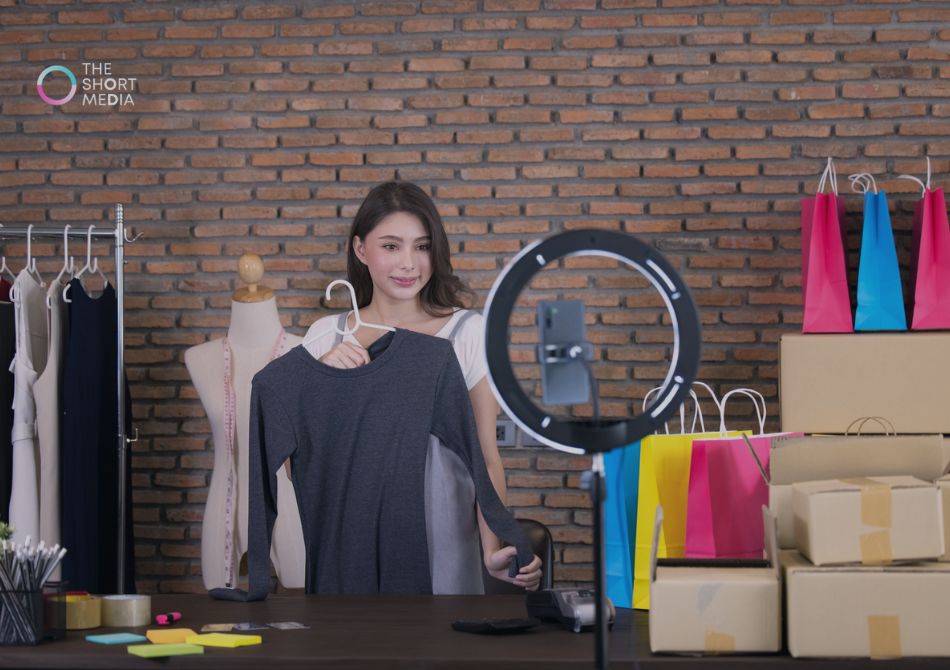
How US Businesses Are Turning TikTok Views Into Sales
For US businesses, promoting products on TikTok has evolved from a trendy social experiment into a core revenue‑driving tactic. While many brands initially joined TikTok to build awareness or engage younger audiences, data now shows that strategic use of the platform — whether through TikTok Shop, creator partnerships, or paid campaigns — is increasingly directly tied to measurable sales outcomes. From small independent sellers to global lifestyle brands, businesses across sectors are converting attention into revenue at unprecedented rates, thanks to TikTok’s unique blend of discovery‑driven content, interactive shopping features, and algorithmic recommendation systems. Unlike traditional digital ads that interrupt a user’s experience, TikTok’s format fosters discovery, relevance, and engagement. Younger consumers browse TikTok not just for entertainment but for recommendations, product insights, and purchase ideas. It’s not uncommon for a user to watch a product video, tap a shopping link, and complete a purchase — all without leaving the app. This seamless convergence of content and commerce positions TikTok as a powerful tool for closing the gap between awareness and conversion. In this blog, we explore why TikTok drives purchases so effectively, how US brands are turning views into sales with modern tactics, the role of TikTok ads for business in scaling revenue, and the key benefits this approach delivers in shortening sales cycles. We’ll also highlight a real, publicly documented case study of US businesses deploying TikTok e‑commerce strategies that convert views into commerce. Why TikTok Drives Purchases Social Proof One of the core reasons TikTok drives purchases more effectively than many other social platforms is the depth of social proof embedded in its user experience. Social proof refers to the psychological phenomenon where individuals copy the actions of others in an attempt to behave correctly in a given situation. On TikTok, this manifests through visible likes, shares, comments, and trends that signal a product’s popularity or desirability. When users see a product featured repeatedly — perhaps through multiple creators, trending audio, or user reviews indexed by hashtags — the perception of legitimacy and relevance grows. This makes viewers more inclined to consider the product seriously, reducing hesitation around purchase decisions. Because TikTok’s algorithm amplifies content that resonates with real users, TikTok’s feeds quickly curate products “endorsed” by peer behaviour, creating a self‑reinforcing loop that helps drive conversions beyond simple views. Creator Recommendations Unlike traditional ads, which are often crafted in isolation and broadcast to a broad audience, TikTok thrives on creator recommendations — a form of influence that feels organic and trustworthy. When a creator demos, reviews, or casually features a product in their content, it’s perceived more like a personal endorsement than a paid advertisement. Creators range from macro‑influencers with millions of followers to micro‑influencers with niche credibility. Both play a role in converting views into sales, especially when used strategically by brands as part of a broader TikTok marketing strategy. Creators’ fans often view them as peers or trusted tastemakers, and when they share product experiences — particularly authentic reactions — it can motivate viewers to seek out and purchase the product themselves. This pattern is now a cornerstone of TikTok e‑commerce growth, and it has been validated across multiple US campaigns where creator‑led content drove significant sales lifts. How Brands Convert Views Driving views on TikTok is only the first step; turning those views into actual sales requires a structured approach that connects discovery moments to purchasable outcomes. Below are the key methods US businesses are using to convert attention into revenue. TikTok Shop TikTok Shop is one of the most direct mechanisms for conversion on the platform. Unlike older social models that redirect users to external websites, TikTok Shop enables purchase directly within the app. This frictionless checkout experience means users can go from viewing content to buying products with minimal interruption. TikTok Shop integrates seamlessly into product videos, livestreams, and creator recommendations, often with visible price tags, product cards, and “Buy Now” buttons that lower the threshold for purchase. Case studies confirm the power of TikTok Shop in driving sales. For example, the home fragrance brand Glow & Co used influencer marketing alongside TikTok Shop to double its average monthly sales and get featured on the For You Page multiple times, with high view‑to‑sale conversion rates. The integration of TikTok Shop has marked a shift in promoting products on TikTok, especially for direct‑to‑consumer (DTC) brands that benefit from reducing steps between discovery and purchase. Because the checkout happens inside TikTok’s secure environment, it streamlines conversion paths and maximises impulse buying tendencies driven by emotionally engaging content. Retargeting Ads While organic exposure and TikTok Shop serve as strong direct sale drivers, retargeting ads are essential for capturing users who viewed content but did not immediately purchase. Retargeting works by serving ads to users who have interacted with a brand’s video, followed the profile, added a product to cart, or visited the TikTok Shop listing without completing a purchase. This method nurtures engaged viewers back into the funnel with personalised messages, promotional incentives, or reminders to complete the checkout process. Because these users have already expressed interest, retargeting can significantly improve the efficiency of ad spend by focusing only on warm prospects, which typically yields higher conversion rates and better ROI. TikTok’s algorithm supports this by allowing advertisers to define custom audiences and retarget based on interaction history, meaning that retargeting campaigns can be laser‑focused and analytically optimised rather than broadly applied. Clear CTAs A critical factor that differentiates a passive view from an active purchase is the presence of clear calls to action (CTAs) in content. CTAs are explicit prompts embedded within videos — either through on‑screen text, creator dialogue, or caption — that tell viewers exactly what to do next. Examples include “Shop now on TikTok Shop,” “Tap the link to buy,” or “Use code TIKTOK10 for 10% off.” Clear CTAs reduce ambiguity and guide users from passive consumption to active engagement. Without them, even highly engaging content might fail to convert because users aren’t sure how or where to purchase. … Read more