How tiktok e commerce Drives Sales Without Paid Ads
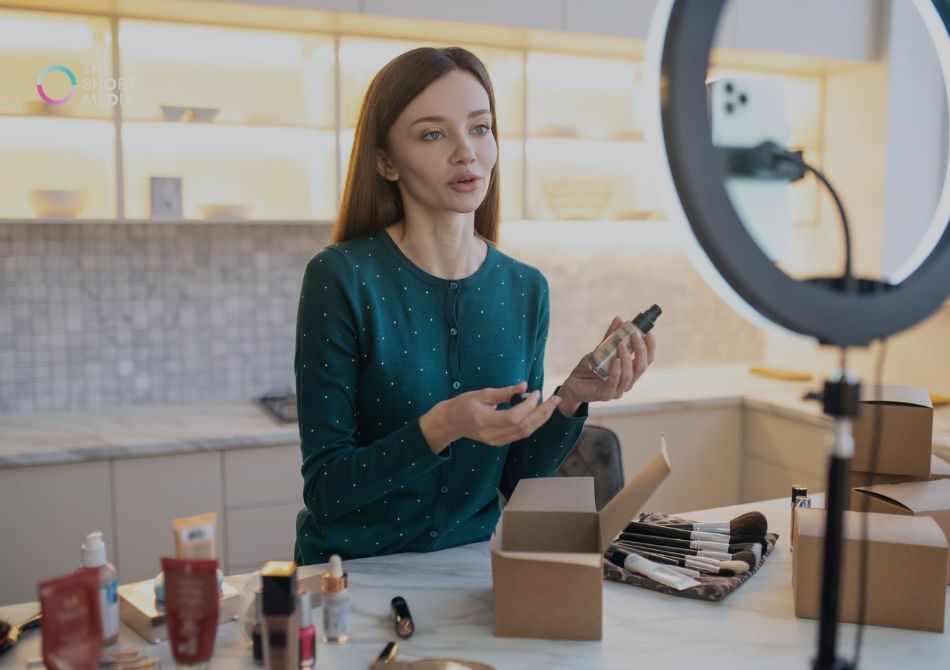
I’ve watched brands spend weeks polishing TikTok ads, only to get outperformed by a 19-second clip shot next to a sink. Not a fancy set. Not a media plan masterpiece. Just a founder showing how a stain remover worked on a white sneaker in her kitchen, with bad overhead lighting and comments full of people asking where to buy it. That’s the part a lot of teams still miss. On TikTok, the thing that moves product often doesn’t look like “marketing” in the way most US brands are used to. That matters if you’re trying to grow without pouring money into paid social. It also matters if your ad account has gone sideways, your CAC is ugly, or you’re launching something new and need proof before scaling. tiktok e commerce can absolutely drive sales without paid ads, but not by posting random trends and hoping for magic. It works when the content closes the gap between curiosity and purchase. Fast. Where organic sales actually come from on TikTok A lot of people talk about discovery as if it’s some abstract platform behavior. In practice, it usually looks more mundane than that. Someone sees a product being used in a real setting, notices a comment that matches their own objection, and buys because the video answered the thing the product page didn’t. I’ve seen this with beauty brands in the US constantly. A lip stain brand can spend months talking about “long wear,” but one creator wiping off a coffee cup ring and then zooming in on her lips does more than six polished brand videos. Same product. Different proof. That’s why tiktok e commerce works best when content is built around use, reaction, friction, and proof. Not slogans. A few formats tend to pull sales without paid support: – quick demos that show the product in the first two seconds  – response videos answering real comments  – side-by-side comparisons  – “I didn’t expect this to work” style creator content that feels slightly unscripted  – restock, packing, or behind-the-scenes clips that create momentum without trying too hard And yes, trying too hard is a real problem. You can tell when a creator has been handed a script and told to hit every talking point. The pacing gets stiff. The product mention lands too cleanly. People scroll. Why tiktok shop marketing US feels different from regular social commerce The US market has made this more interesting, because people aren’t just watching product content anymore. They can buy right there, often while still half-distracted. That changes what good content needs to do. With tiktok shop marketing US, the strongest videos usually remove one small hesitation at a time. Maybe it’s fit for a workout set. Maybe it’s whether a cleaning product actually works on pet hair. Maybe it’s whether a snack is worth ordering if you already buy something similar at Target. That’s a very different job from making a “brand awareness” video. For American DTC brands, Amazon sellers, and even retail-first companies testing direct sales, tiktok shop marketing US tends to work when the content feels close to real life. A home organizer filmed in an actual messy pantry often beats the pristine studio version. A protein coffee mixed before an early gym session tends to feel more convincing than a glossy campaign edit with dramatic music. I’ve also seen local service businesses borrow this approach. Med spas, dentists, even boutique fitness studios in cities like Austin and Miami use TikTok content to drive bookings by showing the process, not just the result. Different sale, same principle. Organic TikTok sales usually start in the comments This is the part paid social teams sometimes underestimate. Comments tell you what people need before they buy. Not in a theoretical persona deck way. In plain language. “Does this work on textured hair?” “Would this hold up in Arizona heat?” “Is it sweet-sweet or actually balanced?” That stuff is gold. A smart tiktok e commerce strategy treats comments like sales research. If enough people ask whether a pan is oven-safe, make the next video about that. If shoppers keep asking whether a shapewear piece rolls down when sitting, show someone sitting in a car, at a desk, on a couch. Real positions. Real concern. I’ve seen comments reveal gaps a Shopify PDP completely missed. One food brand had great conversion on TikTok after posting creator reviews, but the comments kept asking about portion size. Their product page barely addressed it. Once they started making portion-comparison videos and updated the PDP, conversion got cleaner across channels. That’s not glamorous. It works anyway. tiktok influencer marketing works better when it doesn’t look over-managed A lot of brands say they want creator content, but what they really want is a creator reading ad copy in a bedroom. That’s usually where things go wrong. Good tiktok influencer marketing doesn’t mean giving creators zero direction. It means giving them the right direction. You want the product truth, the audience angle, and maybe one or two non-negotiables. Then you let them say it like a person who actually uses the thing. For US beauty, wellness, and home brands, tiktok influencer marketing often performs best with mid-tier creators and niche voices, not just the biggest names. A Dallas mom showing a lunchbox product in a rushed school-morning routine can outsell a polished lifestyle creator with a prettier feed. A barber in Atlanta explaining a trimmer attachment in his shop can move more units than a broad grooming campaign. Because the context is doing half the selling. The brands that get value from tiktok influencer marketing also tend to think in batches, not one-offs. Ten creators with different angles will teach you more than one expensive creator with a heavily approved concept. You’ll see what objections keep repeating, what hooks feel native, and which demos actually trigger purchase intent. And for the love of your budget, don’t join a trend two weeks too late with a product wedge jammed into it. Everyone can … Read more