A few months ago, I watched a mid-sized beauty brand spend six weeks making polished launch assets for TikTok Shop. Clean product renders. Studio lighting. Founder talking points. Paid media plan. The whole thing looked expensive because it was expensive.
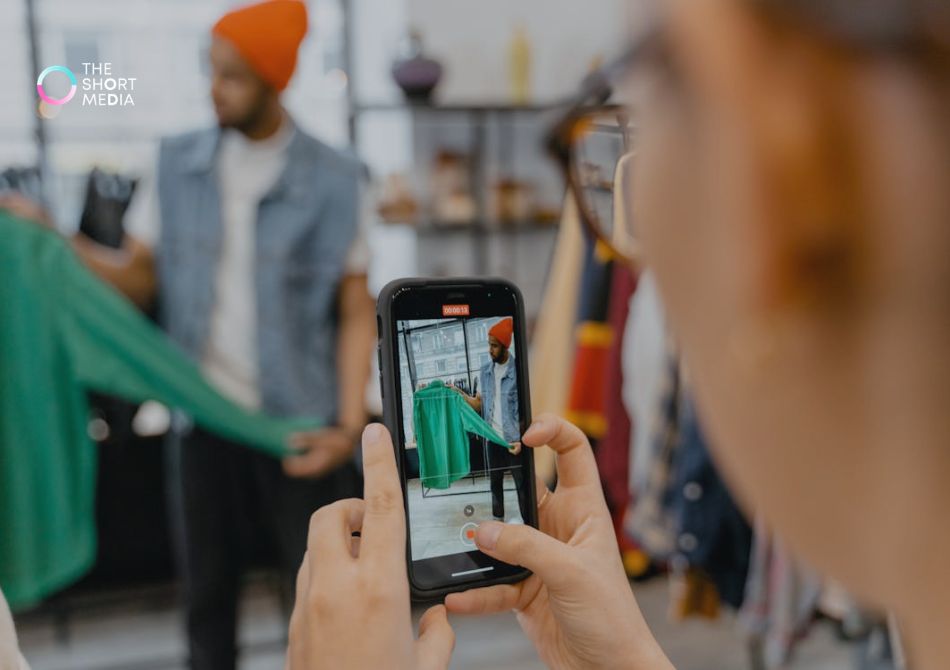
Then a creator filmed the same moisturizer on her phone, in a cramped bathroom, with bad overhead lighting and a very honest line about pilling under sunscreen. That video moved more product in two days than the brand’s launch package did in two weeks.
That’s usually the moment retail teams start looking at tiktok shop agencies differently.
Not because agencies are new. They’re not. But TikTok Shop is weird in very specific ways. It blends affiliate, creator management, content production, merchandising, live selling, paid amplification, and marketplace operations into one messy system. A lot of retail brands, especially in the USA, are set up to handle those things in separate lanes. TikTok Shop doesn’t really care about your org chart.
Retail brands don’t need more strategy decks. They need operators.
A lot of brands already have social teams. They have paid teams. Sometimes they have Amazon teams too. What they often don’t have is someone who can connect content velocity, creator seeding, offer structure, storefront optimization, and fulfillment expectations without making it feel like five different projects.
That’s where tiktok shop agencies are finding their lane.
The good ones aren’t just posting content and calling themselves experts because they know trending audio. They’re handling the awkward middle part where retail brands usually get stuck: the actual mechanics of selling inside the platform.
That includes tiktok shop setup, product catalog organization, creator outreach, affiliate commission strategy, promo timing, live support, and content testing that doesn’t feel overproduced. It also includes fixing the boring stuff that kills momentum, like a PDP with unclear sizing info or shipping times buried too deep.
I’ve seen comments on TikTok reveal sales objections faster than a brand’s own research deck. A kitchen gadget brand kept getting “does this work on induction?” under every post. Their product page barely addressed it. Once that got fixed, conversion got less erratic. Not magic. Just less friction.
Why a tiktok shop partner agency can move faster than an internal team
Internal teams usually have more context. They know the product history, margin constraints, retail calendar, legal guardrails. That matters. But speed on TikTok Shop comes from repetition, not just knowledge.
A decent tiktok shop partner agency has probably already seen the same failure pattern across ten brands:
– creators reading scripts too perfectly
– a promo launched with no affiliate excitement behind it
– inventory mismatched with the products actually getting views
– content that looks like an ad before the hook even lands
– a trend used two weeks after everyone got tired of it
That pattern recognition is useful. It saves time.
For a retail brand trying to launch quickly, a tiktok shop partner agency can often get the storefront, creator pipeline, and first wave of shoppable content moving before an internal team has finished debating who owns what. That sounds harsh, but it’s usually true.
And for larger brands, it’s not really about replacing the team. It’s more like adding a specialized unit that already understands the platform’s weird little habits.
The part most brands underestimate: tiktok shop setup
A lot of teams treat tiktok shop setup like admin work. Fill in the forms, upload products, move on. That’s a mistake.
The setup phase shapes everything that comes after it. Bad category mapping, weak product titles, clunky bundles, missing variation details, sloppy imagery, unclear shipping expectations — all of that shows up later as poor conversion, confused creators, and customer service headaches.
A strong tiktok shop setup isn’t glamorous, but it’s usually where good operators separate themselves from people who are just freelancing their way through a trend.
For example, if you’re a food brand selling pantry products in the US, your storefront structure matters a lot more than people think. If your best-seller is a hot honey bundle but your product detail page doesn’t make the use case obvious — pizza, fried chicken, charcuterie, whatever — creators have to do extra work to sell it. Some will. Most won’t.
Same with fitness products. Resistance bands, supplements, recovery tools — these categories need clear claims, clean visuals, and realistic demos. If the tiktok shop setup is messy, affiliates lose confidence fast.
Why retail launches are starting to involve a tiktok shop partner agency earlier
This is the shift I’m seeing more often: brands aren’t waiting until TikTok Shop underperforms to bring in help. They’re pulling in a tiktok shop partner agency before launch.
That makes sense. If you’re rolling out a new SKU at Target, expanding a DTC hero product, or trying to give an Amazon bestseller a second life through creator commerce, TikTok Shop can’t be treated like an afterthought. It needs launch planning of its own.
Not giant planning. Just the right planning.
A tiktok shop partner agency will usually pressure-test things internal teams sometimes miss:
Content that sells doesn’t always look “on brand”
This one causes friction. A lot of retail brands still want TikTok content to match the exact visual language of paid social, email, and retail PDPs. Sometimes that works. Often it doesn’t.
I’ve watched a home products brand reject creator videos because the kitchen looked “too normal.” Those videos ended up outperforming the approved studio assets when they finally loosened up. Turns out a mop being used on a real sticky floor was more convincing than a spotless demo set.
Affiliate recruitment is not just sending free product
A tiktok shop partner agency that knows what it’s doing will build a creator mix, not just a seeding list. You need some polished sellers, some niche voices, some volume creators, and a few people who can make a product feel useful in everyday life.
For beauty, that might mean one esthetician creator, a couple of GRWM personalities, and a few smaller affiliates who are good at before-and-after framing without sounding fake. For snacks, maybe moms, gym creators, road-trip content people, college creators. Depends on the product.
Offers matter more than brands want to admit
Sometimes a product simply needs a better first purchase angle. Bundle it. Add a coupon. Create a sampling set. Shift the commission. A lot of tiktok shop agencies are basically helping brands accept that the offer is part of the content strategy, not separate from it.
The brands that benefit most from tiktok shop agencies
Not every retail brand needs outside help forever. But some categories get value fast.
Beauty is the obvious one because creators already know how to demonstrate products. Food does well when there’s a clear sensory hook or recipe angle. Home products can work if the demo is satisfying and specific. Fitness can be strong, though it gets cluttered quickly if every video sounds like a repurposed ad.
I’d also include:
– DTC brands trying to diversify beyond Meta
– Amazon-first brands that have strong reviews but weak social proof on TikTok
– retail brands launching exclusive bundles
– local service businesses with physical products or kits
– legacy brands that have awareness but not creator trust yet
A lot of these teams don’t need a giant agency relationship. They need a focused tiktok shop setup, a creator engine, and someone watching the storefront closely enough to catch issues before they snowball.
What to look for before hiring one
Not all tiktok shop agencies are equal. Some are really just influencer agencies with a new landing page. Some can handle creators but not storefront operations. Some know paid, but they don’t understand affiliate behavior at all.
Ask practical questions.
How do they handle tiktok shop setup for brands with multiple SKUs? Who owns creator recruitment? How do they think about commission tiers? What happens when a product starts moving and customer questions spike? Can they show examples where they improved conversion after fixing product page details, not just by adding more content?
Also, ask to see bad videos that performed well. Seriously. If every case study looks polished and brand-safe, they may not be telling you how the platform actually works.
A useful tiktok shop partner agency should be a little opinionated. Not chaotic. Just realistic. They should be able to say, “This script sounds too approved,” or “Your hero SKU isn’t your TikTok Shop hero SKU,” or “The comments are telling us customers don’t understand the value prop yet.”
That kind of honesty saves money.
FAQs
1. Are TikTok Shop agencies only useful for big retail brands?
Not really. Some of the fastest wins happen with smaller DTC brands because they can move quicker and approve content without six rounds of feedback. Big brands have more resources, but they also tend to have more internal drag.
2. How long does tiktok shop setup usually take?
If the catalog is clean and the brand has its assets together, tiktok shop setup can move pretty quickly. If product data is messy, approvals are slow, or fulfillment details are unclear, it drags. That’s usually where timelines slip.
3. What does a tiktok shop partner agency actually do day to day?
Usually a mix of storefront management, affiliate outreach, creator coordination, content planning, promo support, and performance monitoring. On busy weeks, they’re also dealing with random issues like a creator link mismatch or a product page detail that suddenly becomes a conversion problem.
4. Can an internal social team handle TikTok Shop without an agency?
Sometimes, yes. If the team already understands creator partnerships, ecommerce operations, and short-form content testing, they may not need outside help. But plenty of internal teams are already stretched thin, and TikTok Shop adds a whole extra layer of operational work.
5. Is tiktok shop setup mostly technical?
Partly, but not in a boring IT-only way. It’s technical, merchandising-driven, and conversion-sensitive at the same time. Small choices in tiktok shop setup can affect whether creators want to promote the product and whether customers feel confident buying it.
6. How do you know if a tiktok shop partner agency is any good?
Look for specifics, not buzzwords. They should talk about creator quality, storefront fixes, offer testing, commission structure, and what they learned from comments. If they only talk about “viral content,” I’d keep looking.
7. Do tiktok shop agencies replace paid media teams?
No, and they shouldn’t. Paid can amplify what’s already working, but someone still has to build the creator and storefront engine underneath it. The better tiktok shop agencies usually work alongside paid teams, not against them.