Short Media

The real work behind TikTok LIVE creator monetization
TikTok LIVE creator monetization

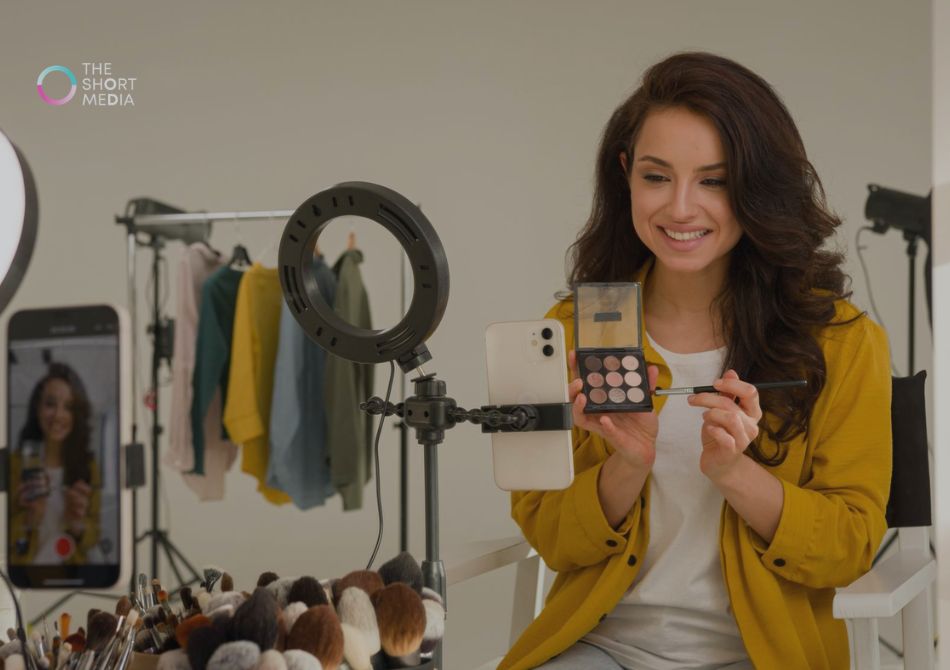
I’ve watched enough TikTok LIVE sessions to know the difference between a creator who’s actually earning and one who just went live because someone told them they should “be consistent.” You can usually tell in the first two minutes. The creator who’s making money has a rhythm. They greet people fast, repeat the hook without sounding robotic, answer comments in a way that keeps the room moving, and they know when to show the product again. The other kind? They stare at the screen, say “hey guys, join, join, join,” maybe thank a few followers, then wonder why nobody converts. That gap matters because TikTok LIVE creator monetization isn’t just about turning on gifts and hoping the algorithm sends traffic. The creators doing well right now — especially in the US across beauty, fitness, food, home, and product-driven niches — treat LIVE like a sales channel, a community format, and a feedback loop all at once. It’s not glamorous. But it works. TikTok LIVE creator monetization is getting more operational A lot of creators still think monetization on LIVE means virtual gifts, maybe a few affiliate sales, and that’s about it. That’s outdated. The stronger setup for TikTok LIVE creator monetization usually stacks a few revenue streams together: – gifts from the audience   – affiliate or TikTok Shop product sales   – brand sponsorships tied to LIVE appearances   – creator incentives or agency support   – traffic that later converts through Amazon, DTC sites, or local booking pages That mix is what makes TikTok live monetization more stable. Gifts alone can be unpredictable. Product sales alone can flatten if the host has no on-camera energy. Brand deals can pay well, but only if the creator can prove they hold attention live, not just in edited short-form clips. I’ve seen a kitchen demo for a countertop cleaner outperform a polished studio setup by a mile, mostly because the creator looked believable. A little messy, normal lighting, dog barking once in the background. People stayed. They asked real questions. Someone wanted to know if it worked on grout. That comment thread did more selling than the product page did. The creators earning most from TikTok live monetization usually sell while talking This is where a lot of people get stiff. They either go full QVC and lose their personality, or they try to “just hang out” and never actually move anyone toward a sale. The good hosts sit in the middle. They talk like themselves, but they know what they’re trying to get done. For TikTok live monetization, that usually means: Repeating the offer without sounding like a script You do need repetition. New viewers are constantly entering the room. But if a creator reads the same line every 45 seconds, people feel it. You can hear when someone memorized brand copy and never translated it into their own voice. It gets weird fast. A beauty creator I worked with in the US was promoting a skin tint launch at Target. Her first LIVE was too polished. She nailed the talking points, technically. Sales were fine, not great. On the second stream, she dropped the script a bit and started comparing the tint to the one she’d been buying with her own money for two years. Comments picked up immediately. More objections came out too — shade match, oxidation, whether it sat well over sunscreen. That version sold better because it sounded like a person. Building a loop, not a monologue Good LIVE hosts don’t just present. They create a loop: show product, explain use, answer comment, restate benefit, react to another comment, demo again. That rhythm keeps watch time up, which helps TikTok LIVE creator monetization in a very practical sense. More retention usually means more chances for gifts, more product clicks, and more proof for future brand partnerships. Using comments as conversion data This part gets overlooked. Comments on LIVE often reveal what the landing page missed. For a fitness creator selling resistance bands, the sales page talked about “portable home workouts.” Fine. The LIVE comments, though, were all about whether the bands rolled up on thicker thighs and whether beginners would know what to do with them. That’s a very different sales conversation. Once the creator started addressing those exact objections live, conversion improved. That’s one reason TikTok live monetization can be so useful even for creators who don’t have huge audiences. A smaller room with active comments is often more valuable than a bigger room full of passive viewers. Where a TikTok LIVE agency for creators can actually help I’m slightly skeptical of agencies in general because plenty of them overpromise and send creators a PDF full of obvious advice. But a solid TikTok LIVE agency for creators can be genuinely useful if the creator already has some traction and needs structure. Usually the value shows up in a few places. Better brand matching Not every creator should be pitching every product. Obvious, but you’d be surprised. I’ve seen home creators pushed into beauty, beauty creators pushed into supplements, and local service businesses trying to host LIVE shopping sessions with no offer worth watching. A good TikTok LIVE agency for creators helps match creators with categories that make sense on camera. Beauty demos, kitchen tools, snacks, cleaning products, wellness accessories, even some pet products tend to do well because people can see the use case quickly. LIVE coaching that goes beyond “be engaging” That phrase is useless unless someone explains what it means. A decent TikTok LIVE agency for creators should help with pacing, offer placement, retention moments, moderator setup, and post-LIVE review. They should be able to tell a creator, “You lost the room when you spent four minutes thanking gifters and stopped demoing the product,” or “Your close was too soft; people needed a reason to buy during the stream, not later.” That kind of feedback matters more than generic creator pep talks. Operational support For creators doing frequent LIVE sessions, there’s also backend work: scheduling, reporting, … Read more
The Most Effective TikTok LIVE Formats for Ecommerce Brands

TikTok LIVE Formats for Ecommerce Brands

I’ve watched a skincare founder go live from a folding table in her warehouse and outsell a polished studio stream from the week before. Same products. Same offer. Different feel. The warehouse stream had a little chaos to it — staff walking by, someone in the comments asking if the cleanser stung sensitive skin, the founder opening a box and testing the texture on camera. It felt real enough that people stayed. That’s usually where TikTok LIVE marketing either works or falls apart for ecommerce brands. Not on production quality. On format. A lot of brands in the USA still approach LIVE like it’s a webinar with a discount code taped on top. Too scripted, too stiff, too many talking points crammed into 40 minutes. Then they wonder why retention drops after three minutes and nobody converts unless they already planned to buy. If you’re selling beauty, snacks, supplements, home products, pet gear, or even random Amazon-friendly impulse items, the format matters more than the set. A smart TikTok LIVE agency will usually tell you that before they start talking about creator sourcing or GMV targets. And they’re right. TikTok LIVE marketing works better when the format fits the product Not every product needs the same kind of stream. A kitchen gadget shouldn’t be sold like a luxury serum. A local med spa in Texas shouldn’t copy a national fashion brand’s LIVE cadence just because it looked busy. The strongest TikTok LIVE marketing setups usually do one thing well: they match how people naturally ask questions before buying. That sounds obvious, but brands miss it all the time. I’ve seen a fitness brand spend 25 minutes listing protein powder benefits while comments kept asking the same thing: “Does it taste chalky?” Nobody answered directly for six minutes. You could almost watch purchase intent leave the room. A good TikTok LIVE agency will build around those moments, not around a slide deck version of your messaging. The demo-first format still wins more often than people admit For ecommerce, product demonstration is still the safest place to start. Not because it’s flashy. Because it answers doubt quickly. Beauty brands do this well when they stop overproducing it. A host applying a foundation in bad-but-normal bathroom lighting can outperform a polished stream with ring lights and scripted benefit lines. Same with hair tools. Same with pimple patches. If the host reads the script too perfectly, comments get weirdly quiet. People sense it. For home products, this format is even more useful. Show the mop picking up pet hair. Show the organizer fitting under a sink. Show the vacuum attachment working on car seats. Don’t just say “great for busy moms” and move on. That kind of copy dies on LIVE. This is where a TikTok LIVE shopping agency can be helpful, especially if your internal team keeps drifting back into ad language. LIVE needs proof, not polished claims. What makes demo streams convert A few things usually help: – The host starts using the product within the first minute – Objections are handled while the demo is happening – The camera stays close enough to show texture, mess, fit, or results – The offer is repeated casually, not barked every 90 seconds I’ve also seen a product demo filmed in a kitchen beat a studio setup because the kitchen answered context questions without trying. Viewers could tell how big the blender was on a real counter. That matters. The host-led QVC style can work, but only if it loosens up Some brands want the classic sales-host format: strong presenter, product stack, timed offers, urgency. Fair enough. It can work, especially for accessories, beauty bundles, seasonal retail launches, and lower-priced DTC products. But this format gets rough when the host sounds like they memorized brand bullets in a Google Doc 15 minutes earlier. You can hear it. So can viewers. The better version feels more like a good retail associate than a polished spokesperson. A little repetition is fine. Some side comments are good. If someone asks whether the leggings roll down during workouts, the host should answer like a person who has actually worn them, or bring in a creator who has. A seasoned TikTok LIVE agency will often pair a sales-minded host with a product user or creator. That combination tends to hold attention better than one person trying to be both expert and closer. Creator co-host streams usually feel less forced This is one of the more reliable formats for brands that struggle to sound natural on camera. Bring in a creator who already knows how to talk to a TikTok audience without sounding like a retail training video. Not every creator is good on LIVE, though. That’s worth saying. Some are great in short-form and completely flat in real-time. They pause too long, miss comments, or overperform in a way that feels off. A smart TikTok LIVE shopping agency usually screens for this because follower count doesn’t tell you who can actually carry a room. For food brands, creator co-hosts are especially useful. A snack brand can do tasting reactions, bundle comparisons, “best flavor” debates, even quick recipe hacks. Those streams often pull stronger engagement than founder-led education because the energy is lighter and the product is easier to react to in real time. For beauty, creators can help surface the stuff your PDP never covers. Texture. Smell. Whether the shade oxidizes. Whether the pump leaks in a makeup bag. Comments always find the missing details. The “drop” format is good for launches, not for everything There’s a certain kind of LIVE built around a launch window: limited bundle, new shade, retail placement, collab, restock. This can work really well if there’s actual urgency behind it. If there isn’t, viewers can tell. I’ve seen brands try to manufacture a “major drop” around a product that had been sitting on the site for two weeks already. Comments called it out almost immediately. Not in a mean way, just enough to … Read more

How Brands Can Use TikTok LIVE to Launch New Products

TikTok LIVE to Launch New Products

I’ve watched more than a few product launches go sideways on TikTok for reasons that had nothing to do with the product itself. A beauty brand sends over a gorgeous new lip oil. The packaging is right, the landing page is clean, paid ads are queued up. Then the TikTok LIVE starts, and the host sounds like she memorized every line from the brief. Comments slow down. Someone asks if the shade is sticky. Nobody answers for 40 seconds. Another person asks whether it works on deeper skin tones, and the host skips past it to hit the next talking point. You can almost feel the sale slipping away in real time. That’s the thing about TikTok LIVE for Brands: it exposes whether a launch is actually ready for people, not just for media spend. When it works, though, it works in a way other launch formats usually don’t. You get objections, excitement, confusion, and buying intent all at once. For a new product, that’s incredibly useful. Especially for brands in the USA trying to cut through crowded launches in beauty, food, fitness, home, and DTC categories where everyone seems to be dropping “new” something every week. Why TikTok LIVE for Brands works so well at launch A product launch usually has a lot of controlled assets: email, paid social, PDP copy, influencer posts, maybe retail signage if you’re in Target or Ulta or rolling out in regional grocery. LIVE is messier. Good. Messy is where you find out what people actually care about. I’ve seen a kitchen demo for a protein pancake mix pull better engagement than a studio shoot that cost ten times more. Why? Because viewers wanted to see whether it clumped, how it poured, whether it looked dry, and if the person making it actually ate it after. A polished ad can’t answer all that in the moment. That’s where TikTok LIVE marketing earns its keep. It doesn’t just announce a product. It pressure-tests the story around it. For a home product launch, maybe the comments reveal people don’t understand installation. For a skincare launch, maybe everyone keeps asking whether it pills under sunscreen. For an Amazon product, maybe the real hook isn’t the feature you put in the listing at all. It’s the fact that it fits in a small apartment bathroom and doesn’t look ugly on the counter. Useful stuff. The kind of stuff teams usually spend weeks trying to pull from post-launch reviews. Don’t treat the LIVE like a webinar This is where a lot of brands get stiff. They build a run of show that reads like a corporate presentation: intro, product story, founder quote, feature list, discount code, CTA. And then they wonder why people leave. A launch LIVE needs structure, sure. But it can’t feel over-managed. If the host sounds too polished, comments start to flatten. You can see it happen. A creator reading a script too perfectly usually performs worse than someone who knows the product well and can talk like a normal person. For TikTok LIVE for Brands, I’d rather have a host who can recover from interruption than one who can recite bullet points. A better flow usually looks something like this: Start with the product in use, not the backstory If you’re launching a new scalp serum, put it on someone’s scalp in the first minute. If it’s a cleaning product, wipe something dirty right away. If it’s a snack, open the bag and taste it. Don’t spend the opening explaining the brand mission unless the mission is the reason people buy. That sounds obvious, but I’ve seen teams bury the actual product until minute six. On TikTok, that’s late. Let comments steer the middle The middle of a LIVE is where the useful sales material shows up. Not the planned material. The accidental material. A fitness brand launching resistance bands might discover viewers care less about “premium latex” and more about whether the bands roll up on thick thighs. A food brand might learn people want to know if the seasoning blend is kid-friendly, not just low sodium. A local medspa promoting a new treatment package might find that price isn’t the main hesitation; downtime is That’s why TikTok LIVE marketing shouldn’t be handed off to someone who only knows the script. The host needs enough product fluency to answer messy, unplanned questions without sounding defensive. Give people a reason to stay past the first few minutes Not fake urgency. Real pacing. Maybe the founder joins at minute eight to show shades on different skin tones. Maybe there’s a side-by-side comparison halfway through. Maybe a customer or creator comes on to show how they’d actually use the product at home. If it’s a retail launch in the US, mention where it’s stocked and when shelves reset. That kind of detail matters more than marketers sometimes think. People stick around when the LIVE keeps revealing something. The brands that do this well usually prep harder than it looks The loose, casual feel of a good TikTok launch is often the result of more prep, not less. A smart TikTok branding agency will usually build for flexibility instead of control. That means prepping a host on likely objections, making sure inventory and promo codes are synced, having product variants nearby, and knowing what can be offered if comments start circling around price. It also means choosing the right person to host. Not always the founder. Founders can be great, but some of them drift into origin-story mode and forget to sell the actual item sitting in front of them. Sometimes a creator is better. Sometimes a store associate is better. I’ve seen a retail employee demo a beauty tool more naturally than the brand’s executive team ever could. A TikTok branding agency that’s worked across launches will also know when to keep production light. You don’t need a ring of LED panels and a fake living room set for every launch. In fact, too much production … Read more

Why TikTok LIVE Commerce Is Becoming a Billion-Dollar Channel

TikTok LIVE Commerce

A few months ago, I watched a mid-size beauty brand run a TikTok LIVE with a creator who clearly knew the product but had been handed a script that was too clean. You could feel it. She hit every talking point, smiled at the right moments, and still the comments were slow. Then something shifted. She went off-script, grabbed a makeup wipe, removed half her face, and started reapplying the product while answering questions about shade match and whether it pilled over SPF. Sales picked up almost immediately. That’s pretty much TikTok LIVE commerce in one scene. When it works, it doesn’t feel like a polished ad campaign. It feels closer to QVC after spending too much time online, with faster comments, weirder humor, and a much shorter window to earn trust. That mix is exactly why brands in the USA are putting real budget behind it, and why a lot of them are looking for a TikTok LIVE shopping agency instead of trying to wing it with a social coordinator and a ring light. The money is following attention, but not in the old way There’s a reason this channel is moving into billion-dollar territory. It’s not just that people are watching live video. Plenty of brands have had live video for years and got almost nothing from it. What’s different here is the shopping behavior inside the stream. A customer sees the host use the product, asks a question in comments, gets an answer on the spot, clicks the product card, and buys without leaving the app. That compression matters. It removes the awkward handoff where interest dies. With standard paid social, you’re often paying to create intent and then hoping the landing page doesn’t mess it up. On LIVE, objections show up in comments in plain English. “Does this work on oily skin?” “How loud is the blender?” “Will this fit in a small apartment kitchen?” If the host handles those well, conversion tends to follow. I’ve seen comments reveal things the sales page completely missed. A home storage brand kept talking about aesthetics, but the chat was full of people asking whether the bins could hold dog food. They changed the demo midstream, showed a full bag being poured in, and that became the top-selling bundle. That’s not theory. That’s commerce. Why TikTok LIVE marketing is clicking with US brands A lot of TikTok LIVE marketing advice is still too generic. It treats every brand like it should just “go live more” and let authenticity do the rest. That’s how you end up with awkward streams, five viewers, and a founder staring into the camera waiting for comments. In the US market, the brands seeing traction usually have one thing in common: they treat LIVE like a sales environment, not just a content format. Beauty is an obvious category because demos are visual and questions come fast. But it’s not just beauty. Food brands are doing sample kits, snack bundles, and creator tastings. Fitness brands are moving units with recovery tools, resistance systems, and supplements when the host actually uses them instead of reading claims from a brand brief. Home products do well too, especially when the demo happens in a real kitchen or laundry room. I’ve watched studio-shot content lose to a slightly messy countertop because the product looked more believable there. That’s a big part of TikTok LIVE marketing in practice: believability beats polish more often than brand teams expect. And timing matters. A lot. Brands still show up to trends late, especially larger retail teams. By the time approvals are done, the sound or format already feels stale. LIVE gives them a way around some of that because the host can react in real time. A smart creator can pivot based on comments, inventory movement, or even an unexpected question that turns into the whole angle of the stream. A TikTok LIVE shopping agency can fix the parts brands usually get wrong Most brands don’t fail on TikTok because they picked the wrong font or forgot a trend. They fail because LIVE is operationally messy. You need the right host, the right offer, enough moderation, product sequencing, comment handling, backup plans if traffic dips, and someone watching conversion in real time. That’s why hiring a TikTok LIVE shopping agency has started to make sense for brands that are serious about the channel. A good agency doesn’t just book creators and call it strategy. They think about things like: The host-product fit has to be real A creator can be talented and still wrong for the product. I’ve seen fitness creators sell kitchen gadgets better than food influencers because they were naturally sharper on camera and better at handling objections. I’ve also seen creators tank a stream by reading a script too perfectly. That usually kills trust within minutes. Offer structure matters more than brands want to admit Free shipping, limited bundles, live-only pricing, gift-with-purchase — these aren’t side details. They often decide whether viewers stay in “interesting” mode or switch into buying mode. For TikTok LIVE marketing, the offer can’t feel buried. If the host waits 18 minutes to explain what’s actually for sale, you’ve probably lost a chunk of the room.= Inventory and operations can quietly ruin a good LIVE This part isn’t glamorous, but it’s real. A stream starts converting, one SKU sells out, the hero bundle breaks, and suddenly the host is scrambling. A seasoned TikTok LIVE shopping agency plans for that. Alternate bundles, pinned products, backup talking points. Boring stuff, honestly. Also the stuff that keeps revenue from falling apart. Why TikTok LIVE agency USA demand is rising US brands are under pressure to find channels that don’t rely entirely on rising ad costs and shaky attribution models. That doesn’t mean TikTok LIVE replaces paid social. It doesn’t. But it does give brands another way to turn attention into sales without pushing every shopper through the usual ad-to-site funnel. That’s part of why searches for TikTok LIVE agency … Read more

TikTok Shop Analytics: Metrics Every Brand Should Track

TikTok Shop Analytics

I’ve seen this happen more than once: a brand gets a little spike on TikTok Shop, everyone on the team gets excited, and then two weeks later nobody can explain where the sales actually came from. Was it the creator with the messy kitchen demo? The affiliate push? A discount that cut margin too hard? Or just one video that happened to catch a wave on a Sunday night? That’s usually the point where analytics stops being a “nice to have” and starts becoming the thing that keeps the whole operation from turning into guesswork. If you’re selling in the US, especially in crowded categories like beauty, supplements, snacks, fitness gear, or home gadgets, TikTok Shop can move fast. Faster than most internal reporting setups, honestly. And if your team is relying on screenshots from the app and a vague sense that “content is doing well,” you’re probably missing the real story. That’s why serious brands eventually look at TikTok shop management services or bring in a TikTok shop account management agency that knows how to connect content, conversion, creators, and margin. Because views alone won’t help when your best-selling SKU is getting returned, or when an affiliate is driving cheap orders that never turn into repeat customers. The numbers that actually matter in TikTok Shop A lot of dashboards look impressive until you ask a simple question: what changed, and why? TikTok Shop analytics should help you answer that. Not just report activity. There’s a difference. The strongest TikTok shop services usually focus on a smaller group of metrics first, then layer in more detail once the basics are stable. That’s smart. Too many brands track everything and react to nothing. Start with GMV, but don’t stop there Gross merchandise value gets attention because it’s easy to celebrate. Sales went up. Great. But GMV by itself can hide a lot. Maybe your GMV jumped because a creator pushed a deep coupon. Maybe a low-priced bundle moved volume but hurt profitability. Maybe one SKU carried the whole week while everything else stalled. For brands using TikTok shop management services, GMV is usually the opening number, not the final verdict. You want to break it down by: – SKU – traffic source – creator or affiliate – campaign period – new vs returning customer behavior I’ve watched a US beauty brand think it had a “hero product” because GMV was strong, but once we dug in, most of the sales were coming from one affiliate who had trained customers to wait for discounts. The product was fine. The sales pattern wasn’t. Conversion rate tells you where friction lives This one matters more than some teams want to admit. If product views are healthy but purchases lag, something is off. Usually it’s not just one thing. It might be the product title, weak social proof, a confusing offer, slow shipping estimates, or content that creates curiosity without making the item feel necessary. A good TikTok shop account management agency will usually watch conversion rate by product and by traffic source. That split matters. Traffic from a creator who gives a clear demo often converts differently from traffic coming from a trend-led video that got attention but didn’t really sell. I’ve also seen comments do half the diagnostic work for you. A home product brand had decent views and bad conversion, and the comments kept repeating the same concern: “Will this work on apartment walls?” The sales page never addressed it. Once the brand added a simple demo filmed in a rental kitchen, conversion improved. Not glamorous. Effective. AOV matters more than brands expect Average order value is one of those metrics people ignore until acquisition costs start creeping up. If your AOV is too low, it gets harder to scale creator commissions, discounts, shipping incentives, and paid support around the shop. This is where TikTok shop services can be genuinely useful, because the issue often isn’t traffic. It’s offer structure. Bundles, multipacks, “subscribe later” logic, cart add-ons, and better product pairing can all help. A US snack brand, for example, may get plenty of first-time orders on a single flavor pack. But if the store introduces a sampler bundle and creators actually show the unboxing and taste test, AOV often moves in a way that plain product listing tweaks never could. Not every brand needs to force bundles, though. Sometimes a simple add-on wins. Refund and return rate: the metric people avoid This one gets skipped in a lot of shiny reports. It shouldn’t. A product can look like a winner until returns start stacking up. In TikTok Shop, that often points back to content promises. If creators oversell results, use misleading hooks, or skip basic usage context, returns tend to follow. That’s one reason brands hire TikTok shop management services in the first place. Someone has to police the gap between what the video implies and what the product actually does. I’ve seen this with fitness accessories and beauty tools in particular. A creator reads a script too perfectly, says all the “right” things, and the content dies. Another creator films a slightly awkward demo on the floor of her apartment, mentions one limitation, and that version converts better with fewer complaints. People could tell what they were buying. Affiliate performance isn’t just about volume A lot of brands go wide with affiliates and then realize 80% of the output is noise. You need to track: – number of active affiliates – sales per affiliate – conversion rate by affiliate – refund rate by affiliate – content output and consistency – margin after commission and discounts A seasoned TikTok shop account management agency won’t just recruit more creators and call it growth. They’ll cut weak affiliates, double down on the ones who can actually sell, and spot the creators whose content drives useful comments, not just clicks. That last part matters. Comments often reveal objections your PDP missed, or show whether buyers are serious. If every comment says “where can … Read more

How Brands Can Build a Full-Funnel TikTok Shop Strategy

TikTok Shop Strategy

A few months ago, I watched a beauty brand spend five figures pushing polished product videos into TikTok Shop. Nice lighting, clean hooks, solid offer. On paper, it should’ve worked. But the comments told the real story: shade-match confusion, shipping questions, people asking if the formula separated in heat, and a weird number of users saying the creator “sounded like an ad.” Sales lagged. A week later, the brand posted a rough demo filmed on a bathroom counter. Not fancy. The creator swatched three shades, admitted one undertone was tricky, answered the “will this cling to dry patches?” question directly, and pinned a comment about shipping times. That video moved more units than the studio assets. That’s TikTok Shop in the U.S. right now. It’s not just a media-buying problem, and it’s not just a creator problem either. If a brand wants real scale, it needs a full-funnel setup where content, creators, paid media, product page details, and post-click trust all work together. A smart TikTok shop agency usually understands this pretty quickly. The ones that don’t tend to burn budget on “winning creatives” that never had enough context to convert. Full-funnel on TikTok Shop looks different than brands expect A lot of teams still think in old channel silos. Awareness content sits over here. Conversion ads sit over there. Creator seeding is handled by another person. The ecommerce team worries about PDPs. That setup gets messy fast on TikTok Shop because discovery, evaluation, and purchase often happen in the same session. Someone sees a protein snack clip from a fitness creator, taps into the product listing, scrolls comments, watches a second affiliate video, checks price, then buys because there’s a coupon and enough social proof. That’s the funnel. Not neat, but real. For U.S. brands, especially in beauty, food, home, and impulse-friendly DTC categories, TikTok shop marketing works best when you stop treating each touchpoint like a separate campaign. The top of funnel still matters, sure. But on this platform, middle-of-funnel friction shows up in comments, creator delivery, product page images, fulfillment expectations, and whether your offer feels current or weirdly late. I’ve seen brands join a trend two weeks too late and wonder why the post flopped. I’ve also seen a kitchen-shot demo for a cleaning product beat a high-production launch video because it answered the exact stain-removal question people had. Start with product-market-content fit, not ad spend Before scaling anything, figure out whether the product actually makes sense for TikTok Shop. Some items are naturally demonstrable. Others need more education than the platform wants to give. Beauty does well because the proof is visual. Same for gadgets, home organizers, supplements with a strong use case, snack brands, and affordable fashion. A local service business? Harder, unless there’s a product angle or a strong offer that creators can make tangible. Even Amazon products can work if the content shows a real use moment instead of reading like a listing. This is where TikTok shop marketing often gets overcomplicated. Brands obsess over account structure while ignoring whether the first five videos explain the product in a believable way. A few things matter early: – Can someone understand the product benefit in three seconds without a voiceover? – Are the objections obvious in the comments? – Does the creator sound like a person, or like they memorized a brief? – Is the price low enough, or the value clear enough, for in-app purchase behavior? If the answer is shaky, more spend won’t fix it. A good TikTok shop agency will tell you that before they start scaling. The top of funnel is content volume, but not random content volume This is where brands usually either underdo it or go chaotic. You need enough creative variation to learn what angle the market responds to. Not just different hooks. Different proof styles, different creator types, different settings, different objections handled. For a U.S. skincare brand, that might mean one esthetician-style explainer, one “get ready with me” integration, one side-by-side wear test, one messy bathroom-counter demo, and one affiliate clip from a creator with acne-prone skin. That’s top of funnel. Not because these videos are “awareness” in the traditional sense, but because they introduce the product to cold users in formats that feel native. A strong TikTok shop ads agency will usually build around creative clusters instead of one hero ad. That matters because TikTok doesn’t reward sameness for long. The ad that worked last week often starts to feel stale fast, especially if the creator read the script too perfectly. You can almost hear the drop-off. Mid-funnel is where comments, social proof, and creator selection do the heavy lifting This is the part many brands skip because it doesn’t look like media buying. Once people click through, they’re looking for reassurance. They want to know if the leggings are squat-proof, if the hot sauce is actually spicy or just sugary, if the storage rack feels sturdy, if shipping is a mess. The sales page rarely answers all of that. Comments do. That’s why TikTok shop marketing needs active comment mining. Not once at launch. Constantly. Comments surface objections your landing page team missed, language your customers actually use, and creator angles that deserve paid support. I’ve had a home product brand discover that half the audience cared less about aesthetics and more about whether the item fit under a standard U.S. apartment sink. That became the next wave of content. Sales improved because the content got more specific, not because the budget changed. A solid TikTok shop agency will also pay attention to affiliate mix. Big creators can help, but smaller creators often convert better because their audience still believes them. Especially in categories like supplements, mom products, kitchen tools, and budget beauty. You don’t need fifty creators saying the same thing. You need enough variation that buyers can see themselves in the use case. Conversion happens before the click and after it There’s a bad habit in paid social teams … Read more

TikTok Shop SEO: How Product Discovery Works in 2026

TikTok Shop SEO

I was on a call not long ago with a mid-sized beauty brand in the U.S. They were frustrated because their product page looked “fine,” their creators were posting, and they’d even put budget behind TikTok shop ads. Sales were inconsistent anyway. Then we looked at the actual search behavior inside TikTok Shop and the comments on a few product videos. People were asking basic things the listing never answered: whether the shade pulled warm, whether the serum pilled under sunscreen, whether shipping was fast from a U.S. warehouse. The brand had spent weeks polishing visuals and almost no time thinking about discovery. That’s the thing with TikTok Shop in 2026. Product discovery isn’t just about going viral, and it’s definitely not just about listing a product and hoping the algorithm figures it out. Search, video signals, creator relevance, reviews, fulfillment details, pricing behavior, and conversion history all feed each other. If you’re serious about TikTok shop marketing, you need to treat TikTok Shop more like a living storefront than a side tab under your social strategy. TikTok shop marketing now starts with search intent, not just content volume A lot of brands still approach TikTok Shop like it’s 2023: post a bunch of videos, send samples to creators, run TikTok shop ads, and wait for momentum. Sometimes that works for a week. Usually not for long. In practice, TikTok Shop discovery now behaves more like a mashup of marketplace SEO and social recommendation. A user might find a product through a For You video, sure. But they also search very specific phrases: “protein powder no stevia,” “small apartment mop,” “red light mask acne,” “teacher lunch containers,” “pre workout no itch.” If your product title, attributes, content, and review language don’t line up with those searches, you’ll feel invisible. For brands doing TikTok shop marketing well, the work starts with language. Not brand language. Customer language. The words people actually use when they’re half shopping, half scrolling. A Texas snack brand we worked with had a spicy pickle kit that kept getting described internally as a “bold flavor experience.” Nobody searches that. Once the content and listing started using phrases customers were already typing and saying in comments—“pickle kit for parties,” “spicy snack gift,” “DIY chamoy pickles”—discovery got noticeably better. Not glamorous, but real. What TikTok Shop seems to reward in 2026 TikTok doesn’t publish a neat little checklist, and honestly that’s probably for the best. But after enough launches, refreshes, and painful postmortems, the patterns are pretty clear. Product titles and attributes do more heavy lifting than brands expect This is where a lot of listings quietly fail. A product title stuffed with branding and vague descriptors won’t help much. TikTok Shop needs clean signals. Good titles tend to be specific, readable, and built around how people shop. Think: – “Collagen Peptide Powder Vanilla 20 Servings” – “Nonstick Ceramic Egg Pan 8 Inch” – “Resistance Bands Set for Home Workouts” Not exciting. Effective. Attributes matter too. Size, color, skin type, dietary preference, material, age range, and shipping location all help TikTok sort products into the right discovery lanes. This is one reason TikTok shop services often include catalog cleanup before anyone touches creative. It’s not glamorous work, but it fixes a lot. Video relevance affects search visibility more than people admit A product listing doesn’t live on its own. TikTok reads the surrounding content. Captions, spoken words, text overlays, engagement patterns, watch time, and conversion behavior all create context. If you sell a countertop ice maker and all your videos are trend-heavy skits with no clear demo, don’t be surprised when discovery stalls. Meanwhile, a simple kitchen video showing noise level, ice speed, and counter size fit might do better than your studio ad. I’ve seen product demo footage shot next to a microwave outperform polished campaign creative by a mile. It answered what shoppers actually cared about. This is also where TikTok shop ads can either help or muddy things. If paid traffic pushes a video that gets clicks but weak conversions, you’re not building useful quality signals. You’re just renting attention. Why reviews, comments, and creator content now shape SEO This part gets overlooked all the time. Reviews on TikTok Shop aren’t just there to reassure buyers at the last second. They also feed the language ecosystem around a product. If enough customers mention “true to size,” “works on textured hair,” “good for meal prep,” or “arrived in 3 days,” those phrases start reinforcing relevance. Same with comments. Comments often reveal the gap between what a brand thinks it explained and what a shopper still needs. I’ve seen comments uncover objections the PDP completely missed: whether a supplement contains sucralose, whether a storage bin fits under a dorm bed, whether an LED lamp needs hardwiring. That stuff matters. Strong TikTok shop services teams usually mine comments and reviews every week, then feed those insights back into titles, hooks, creator briefs, and FAQ copy. Not because it sounds strategic. Because it works. Creator fit still matters, but not in the lazy way A creator with a big following can still underperform badly if the content feels scripted. You can spot it in two seconds sometimes—the unnatural pause before the product name, the perfect talking points, the fake “I just found this.” Users spot it too. For discovery, creator fit tends to work best when the product already makes sense in that person’s life. A gym creator showing a stain-resistant shaker bottle. A mom creator testing snack containers during actual school lunch prep. A home creator filming an under-sink organizer install while kneeling on a kitchen mat, dog walking through the frame and all. Those little details help the content stick because it feels like use, not placement. That’s why many brands invest in TikTok shop services that include creator sourcing, scripting guardrails, and content QA. Not to over-control it—usually that makes it worse—but to avoid the dead-eyed, over-rehearsed stuff. TikTok shop services that actually improve discovery Not … Read more

The Future of Social Commerce Beyond TikTok Shop

Social Commerce

A few months ago, I watched a beauty brand panic because its TikTok Shop sales dipped for two straight weeks. Nothing catastrophic. Just enough to send the Slack channel into full “what changed?” mode. The product hadn’t changed. The creators were still posting. Paid spend was steady. But the comments told the real story: people liked the product, they just weren’t ready to buy it there. Some wanted Amazon. Some wanted the brand site. A few asked if Target carried it. That’s the part a lot of teams miss when they get overly attached to one platform. Social commerce isn’t just about where the checkout happens. It’s about where interest starts, where trust gets built, and where buying finally feels easy enough to happen. TikTok Shop matters, obviously. It’s still one of the most interesting retail environments on the internet. But if you’re planning for the next two years, not just the next two campaigns, you need a wider view. And honestly, a little skepticism helps. Social commerce is getting bigger, but also messier For a while, a lot of brands treated social commerce like a clean little funnel: creator posts video, viewer clicks product, purchase happens, everyone celebrates. In real life, it’s sloppier than that. A customer sees a protein powder on TikTok, checks reviews on Amazon, visits the brand’s site for ingredients, then waits three days and buys after seeing a retargeting ad on Instagram. A home product gets discovered through a funny creator demo, but the sale happens in Walmart because the shopper wants faster shipping. A local med spa gets leads from short-form content, but nobody is “checking out” inside the app. They’re booking a consultation. That’s why the future of social commerce won’t belong to one app or one checkout flow. It’s going to spread across platforms, retailers, creator ecosystems, and owned channels. The brands that do well won’t just chase the newest feature. They’ll build systems that let content travel. What a good TikTok ecommerce agency already knows A solid TikTok ecommerce agency usually learns this pretty quickly: TikTok can spark demand fast, but it doesn’t control the whole buying journey. I’ve seen brands hire a TikTok ecommerce agency because they want explosive shop revenue, then realize halfway through that their bigger issue is merchandising, offer structure, or creator fit. Sometimes the content is fine. The product page is the problem. Sometimes the listing is fine, but the videos feel too polished. You can almost hear the script. Viewers can too. The better agencies are already moving beyond narrow shop management. They’re connecting organic content, paid media, creator sourcing, affiliate management, landing pages, and retail spillover. A TikTok ecommerce agency that only talks about in-app sales is probably looking at the channel too narrowly. And if you’re evaluating partners in the USA, this matters even more. American shoppers are used to choice. They want to buy from TikTok, sure, but also from Amazon, Ulta, Sephora, Walmart, Instacart, a DTC site, or wherever feels familiar that day. TikTok shop services won’t disappear, but they won’t be enough There’s still real demand for TikTok shop services. Brands need help with creator seeding, affiliate recruitment, shop optimization, live selling, catalog setup, promo planning, and all the operational stuff that gets ignored until something breaks. But TikTok shop services on their own can turn into a trap if they’re isolated from the rest of the business. I’ve seen this happen with food brands especially. A snack company gets traction with creators and moves decent volume through TikTok Shop. Great. Then the comments start filling up with “Is this at Whole Foods?” or “Can I get this on Amazon?” That’s not noise. That’s buying intent in a different format. If nobody’s feeding those insights back into retail strategy, paid search, or marketplace listings, the brand leaves money sitting on the table. The same goes for beauty. A product can go mini-viral from a bathroom mirror demo filmed on an iPhone, while the expensive studio asset underperforms badly. Not because the product is weak. Because the raw demo answered real objections. Texture. Shade. Dry-down. Mess. Smell. The future of social commerce looks a lot like that: content that sells by clarifying, not just entertaining. So yes, TikTok shop services still matter. A lot. But they need to plug into broader commerce operations, not sit off in a corner as a trendy experiment. The next phase is platform-agnostic commerce content This is where things get more interesting. The brands that are getting smarter are building content libraries that work across TikTok, Instagram Reels, YouTube Shorts, Amazon product pages, PDPs, paid social ads, and retailer media placements. Not identical content copied everywhere. That usually falls flat. But adaptable content with a clear point of view. A creator opening a package in her kitchen and showing how a pan actually cleans after cooking salmon? That can work on TikTok, on Amazon, on Meta, even on the product page. A fitness creator explaining why a resistance band doesn’t snap back awkwardly into your face — weirdly specific, but that’s the stuff people care about — can move across channels too. This is where a TikTok shop partner agency can be more useful than the title suggests. A strong TikTok shop partner agency won’t just push for more in-app activity. They’ll notice which creator hooks are portable, which objections keep showing up in comments, and which products need a different path to purchase. That matters because social commerce is becoming less about app loyalty and more about content-led retail behavior. Retail media, marketplaces, and creator commerce are starting to blend The old separation between “social team,” “ecommerce team,” and “retail team” is getting harder to defend. A DTC skincare brand might test a product angle on TikTok, turn the winning creator clip into Amazon Sponsored Brands video, then hand the same insight to its Target retail team for shelf messaging. A frozen food brand might use creator content to support a regional grocery launch … Read more

What Makes a Product Go Viral on TikTok Shop

TikTok Shop

A few months ago, I watched a kitchen gadget brand spend real money on polished product videos that looked like they belonged in a Target endcap display. Clean lighting, tight edits, nice hands, very “brand safe.” Those videos did… fine. Then a creator posted a scrappy clip from her actual apartment kitchen. Bad overhead light. Dog barking in the background. She used the product slightly wrong at first, laughed, fixed it, and kept going. That video drove more clicks, more saves, and a weirdly high comment rate from people saying things like, “Wait, does this actually work for frozen fruit?” and “I need this before holiday baking.” That’s usually where TikTok shop marketing gets misunderstood. A product doesn’t go viral just because it’s useful, trendy, or backed by ad spend. It goes viral when the product fits the way people already behave on TikTok: fast curiosity, visible payoff, low-friction buying, and lots of social proof piled on top of each other. Not every product can do that. Some can. And when they can, it’s obvious pretty quickly. TikTok shop marketing works best when the product shows the result fast If I had to narrow it down, the strongest viral TikTok Shop products usually have a short path between seeing and believing. Beauty does this well. A concealer that covers redness in three seconds. A heatless curl set with a side-by-side before and after. A lip stain that survives coffee. The viewer doesn’t need a white paper. They need proof, fast. Food products can work too, but only when the payoff is visual or specific. I’ve seen a chili crisp brand get traction because creators kept filming the same thing: eggs, rice, one spoonful, immediate reaction. Not a lifestyle pitch. Just “I put this on boring leftovers and now I’m eating it straight from the jar.” That’s a TikTok product, not just a grocery product. Home products are similar. Storage tools, cleaning items, little apartment upgrades, pet hair removers. Anything that creates a visible “oh wow, okay” moment has a shot. A blanket ladder? Probably not. A grout pen that makes a rental bathroom look less depressing in 12 seconds? Much better. This is where TikTok product ads management matters more than people think. A lot of brands try to force a viral angle onto products that simply don’t reveal themselves quickly enough. If the benefit takes three paragraphs to explain, or only matters after 30 days, it’s a harder sell on Shop. The product has to invite demonstration, not explanation Some teams still build TikTok creative like they’re writing Facebook ads from 2018. Hook, benefit, CTA, done. But the products that really move on TikTok Shop usually invite play. They give creators something to do with their hands, compare, test, reveal, react to. That’s why beauty, gadgets, organizing tools, wellness accessories, and oddly specific household products keep showing up. They’re easy to film. They have texture. Motion. Contrast. I’ve seen this play out with fitness products too. A resistance band set won’t necessarily pop on its own. But a creator showing how she packs it for hotel workouts, then actually doing a quick glute circuit in a cramped room? Different story. That’s not “here’s a product.” That’s “here’s me using it in a real situation you recognize.” A good TikTok shop ads agency will usually spot this early. They’ll ask whether the product can be demonstrated in five different believable ways, by five different creators, without every video sounding like a script read under duress. Because once creators start speaking too perfectly, performance usually drops. You can almost feel viewers scrolling. Comment sections often tell you why a product is taking off Honestly, some of the best product research for TikTok shop marketing happens after the video is live. The comments tell you what people care about, what they doubt, and what your product page forgot to explain. I’ve seen comments rescue campaigns. A skincare brand thought its hero angle was “clean ingredients.” Comments made it obvious that people actually cared whether the serum pilled under makeup. So the next round of creator content focused on that, and conversion improved. Same with home products. A pan organizer got traction, but not because people loved organization content in the abstract. The comments were full of, “Will this fit under a shallow apartment cabinet?” That became the next video. Then another: “Here it is in my tiny Brooklyn kitchen.” Much better. This is also where TikTok product ads management needs some patience. Too many teams kill creative before they’ve mined the feedback. A video can have average click-through and still be incredibly useful if it exposes the real objections. Virality usually needs creator fit, not just creator size Big creators can move product, sure. But I’ve watched mid-tier creators outperform bigger names all the time, especially in the US market where niches matter more than vanity metrics suggest. A Texas mom creator selling lunchbox tools. A gym creator talking about a blender bottle cleaning brush. A beauty creator in New Jersey filming in her bathroom mirror instead of a studio setup. Those videos often convert because they feel like they belong in that creator’s feed. When a brand joins a trend two weeks too late and hands every creator the same talking points, the content starts to look interchangeable. Viewers notice. They may not say it that way, but you’ll see it in watch time and comments that go weirdly quiet. A solid TikTok shop ads agency won’t just source creators with reach. They’ll source creators whose tone matches the product and whose audience has the right buying habits. That matters more than people want to admit. Cheap enough to try, clear enough to justify A lot of viral TikTok Shop products live in that impulse-friendly range where people can justify trying them without opening a spreadsheet. Not always cheap, exactly. But easy to rationalize. That’s why beauty minis, kitchen tools, shapewear, supplements with a simple promise, and home problem-solvers often … Read more

TikTok Shop vs Amazon: Which Platform Is Winning New Customers?

TikTok Shop vs Amazon

A few months ago, I watched a small beauty brand in Texas sell out a lip oil on TikTok Shop after a creator filmed a very unglamorous bathroom mirror video. Not a polished campaign. Not a fancy studio setup. Just decent lighting, a believable reaction, and a comment section full of people asking if the shade worked on dry lips. That same brand had been on Amazon for over a year. Amazon kept bringing in steady sales, sure. But TikTok brought in the kind of first-time customer rush that made the team start rethinking where discovery was actually happening. That’s the tension a lot of brands in the USA are dealing with right now. Amazon still owns a huge share of ecommerce intent. TikTok Shop, though, keeps inserting itself earlier in the buying decision, often before a shopper has even decided what brand they want. So if the question is which platform is winning new customers, the honest answer is: it depends on what kind of customer acquisition you mean. But if we’re talking about attention, impulse, and product discovery, TikTok is making Amazon look a little slow. Amazon still wins when shoppers know what they want Amazon is still the default for high-intent buying. If someone needs protein powder by Friday, a phone tripod under $30, or replacement air fryer liners, they’re probably not opening TikTok first. They search. They compare. They skim reviews. They buy. That behavior matters, especially for products that solve a clear need. Household staples, supplements, pet products, kitchen tools, phone accessories, all of that still performs well on Amazon because the shopper is already halfway to checkout. For many DTC brands and Amazon-first sellers, the platform remains a dependable machine for demand capture. But that’s also the limitation. Amazon is very good at collecting demand that already exists. It’s less reliable when you need to create desire from scratch. New customer acquisition there usually comes down to ranking, reviews, price competitiveness, ad spend, and whether your listing can survive in a sea of similar products. If you’re launching a new skincare line or a niche home product, Amazon can feel a bit like showing up to a crowded shelf and hoping your packaging does the heavy lifting. Where TikTok Shop marketing changes the equation This is where TikTok shop marketing has become so interesting. Not because it replaces Amazon entirely, but because it handles the part Amazon often doesn’t: making someone care before they were planning to shop. I’ve seen this most clearly with products that need a visual “oh, I get it now” moment. A posture corrector. A scalp serum. A compact blender for protein shakes in the car. A freezer-prep gadget that looks unnecessary until someone shows exactly how they use it in their kitchen. That kind of product can sit on Amazon for months with modest sales. Then a creator posts a believable demo on TikTok Shop and suddenly the comments are doing half the conversion work. People ask practical questions. Does it leak? Is it loud? Will it work for thick hair? Can you wash it in the dishwasher? Those objections often show up faster in comments than they ever do in a polished sales page. A strong TikTok ecommerce agency usually understands this. The job isn’t just to run creators through a script and hope for volume. In fact, the worst content often comes from scripts that sound too correct. You can spot it in the first three seconds. The creator pauses half a beat too long before saying the product name, everything is over-explained, and the comments go dead. A good TikTok shop agency will push brands toward content that feels used, not staged. Discovery is messy, and TikTok is built for messy Amazon shopping is efficient. TikTok shopping is chaotic in a way that can be very profitable. That doesn’t mean random. It means people find products while doing something else. Watching meal prep videos. Looking up gym routines. Falling into “clean girl” beauty content. Scrolling late at night and buying a countertop ice maker they definitely were not planning to buy ten minutes earlier. For new customer growth, that matters. A TikTok shop agency that works with food brands, fitness products, or home goods will usually tell you the same thing: the winning videos often don’t look like ads. One of the better-performing product demos I saw recently was filmed in a slightly cluttered kitchen with a toddler making noise in the background. It beat the studio version by a lot. Why? Because it looked like real life, and the product made sense in real life. That’s the piece some brands still miss with TikTok shop marketing. They bring in their paid social team, repurpose a Meta ad, toss on captions, and wonder why it stalls. TikTok doesn’t reward “good ad creative” in the same way. It tends to reward relevance, timing, face-to-camera trust, and content that doesn’t feel two weeks late to the trend. And yes, brands do show up late all the time. I’ve watched teams approve a trend after three rounds of review only for it to be completely dead by the time the video goes live. Amazon converts demand better. TikTok creates it faster. That’s the simplest way I’d frame it. Amazon still has the stronger checkout habit for a lot of US consumers. There’s less friction. Prime helps. Reviews help. Search behavior helps. If someone sees your product on TikTok and then buys it on Amazon later, that still says something important about Amazon’s role. It remains the place many shoppers trust for final purchase, especially for higher-priced items or products where review depth matters. But if the goal is winning *new* customers, TikTok is often upstream from Amazon now. A TikTok ecommerce agency can help brands build a creator pipeline, affiliate structure, and content testing rhythm that feeds discovery at scale. That matters a lot for beauty launches, snack brands, wellness products, and even Amazon products that need more … Read more