Short Media

TikTok Ads for Business: Beginner to Advanced Guide
TikTok Ads for Business

A founder once told me, half-joking, that TikTok felt like “the app where our interns are right and our ad agency is nervous.” Honestly, that wasn’t far off. I’ve watched beauty brands spend weeks polishing a studio shoot, only to get beat by a creator filming a quick demo next to a sink with bad overhead lighting. I’ve seen a meal brand force a trend that had already peaked, and the comments let them know. Loudly. And I’ve seen local service businesses in the USA assume TikTok was only for national brands, then pull in solid leads from simple, scrappy videos tied to a clear offer. That’s the thing with tiktok ads for business: the platform rewards relevance and speed more than polish. If you treat it like Facebook from 2018 or TV with captions, it usually gets expensive fast. This guide is for companies that want a real handle on what works, from getting started to tightening up performance when spend increases. Why tiktok ads for business feels different from other paid social A lot of marketers come into TikTok expecting the usual paid social playbook. Tight brand control. Carefully approved copy. Clean product shots. Then performance drifts, CPMs climb, and everyone starts blaming the audience Usually, it’s the creative. On TikTok, the ad has to earn attention in a feed full of creators, reactions, tutorials, mini-reviews, and weirdly compelling videos about cleaning grout. People don’t stop because your logo appears in the first second. They stop because something feels native to the environment. That can mean a sharp hook, a useful demo, a familiar frustration, or even a comment-style setup that sounds like a real person talking. For advertising on tik tok, that shift matters. A skincare brand in the US might see a founder-led “here’s why this keeps pilling under sunscreen” video outperform a glossy campaign asset. A fitness product might sell better when the creator sounds slightly unscripted, not when they read every line too perfectly. You can almost hear it when someone’s been over-coached. Start simple: campaign structure that doesn’t create chaos Beginners often overbuild. Too many ad groups, too many audiences, too many variables at once. Then nobody knows what actually worked. If you’re new to tiktok ads for business, keep the setup boring at first: Build around one clear conversion event If you’re ecommerce, optimize for purchase once you have enough signal. If not, start a little higher in the funnel only when necessary. For local services in the USA, lead forms can work, but I’d still push clients to think hard about what happens after the form. Cheap leads that never answer the phone aren’t a win. Don’t over-segment your audience too early TikTok’s algorithm usually does better with room to find pockets of intent. I’ve seen brands split audiences into so many interest layers that delivery got choppy for no reason. Unless you have a strong reason to narrow, broader targeting often gives the system more to work with. Launch multiple creatives, not tiny targeting experiments For advertising on tik tok, creative variation tends to matter more than micro-adjusting interests. Test different hooks, opening visuals, creator styles, and offer framing. Keep the landing page stable while you learn what the feed responds to. The creative part everyone says matters — because it actually does This is where most results are won or lost. A decent TikTok Ads Management Service will usually spend a lot of time on creative workflow, not just media buying. That’s not because media buying is unimportant. It’s because weak creative gives the algorithm nothing to amplify. Hooks need to feel immediate, not theatrical You don’t need fake urgency. You need a reason to stop scrolling. For a home product, that might be: “I thought this was one of those pointless Amazon buys until…” For a food brand: “We kept getting the same complaint in reviews, so we tested this.” For a local med spa in Texas or Florida, maybe it’s a provider speaking plainly about a treatment people misunderstand. What usually flops is a slow branded intro. Or a creator smiling into the camera for three seconds before saying anything useful. That dead space hurts. Product demos beat vague lifestyle content more often than people want to admit Especially for beauty, kitchen tools, cleaning products, supplements, and random Amazon-friendly gadgets. Show the thing. Use it. Compare before and after if it’s appropriate and compliant. Let people see texture, speed, ease, mess, result. One of the most common misses in advertising on tik tok is when a brand tries to sell a product without showing the exact moment it becomes valuable. A kitchen-shot demo can outperform a $15,000 set day. I’ve seen it happen enough times that it’s not surprising anymore. Comments are creative research This gets ignored. Badly. If people keep asking whether a protein snack tastes chalky, your ad probably skipped a real objection. If a hair product gets comments from women saying, “Cute, but does it work on thick curls?” there’s your next ad angle. Comments often reveal what the sales page forgot to answer. A strong TikTok Ads Management Service should be pulling those insights into the next batch of concepts, not just reporting CTR and CPA. What advanced teams do differently Once spend increases, the job changes a bit. You’re no longer just trying to get a campaign live. You’re trying to keep performance from flattening while scaling. They build creative systems, not one-off winners A lot of brands hit one good ad and assume they’ve cracked TikTok. Then frequency rises, results fade, and panic sets in. Advanced teams plan for creative fatigue from the start. They know they’ll need fresh hooks, new creator faces, alternate edits, tighter offers, and revised angles every few weeks, sometimes faster. In beauty and DTC especially, a winning ad can slow down before the internal team has even finished celebrating it. That’s where a real TikTok Ads Management Service earns its keep. Not by finding one … Read more
The Evolution of TikTok Marketing Strategy in the US Market

TikTok Marketing Strategy

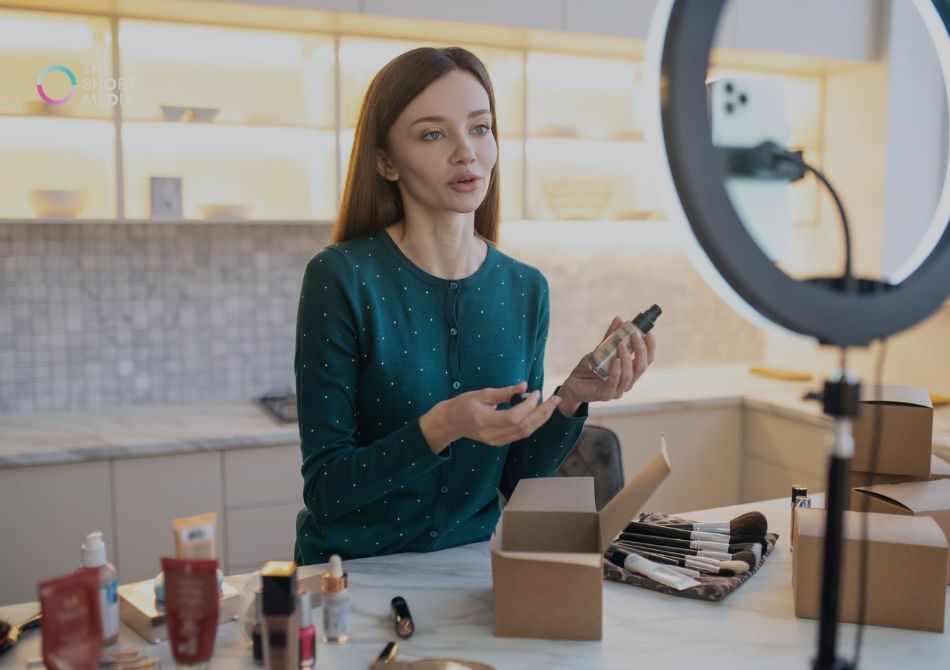
A few years ago, I watched a mid-sized beauty brand approve a TikTok video that looked like a TV spot squeezed into a phone screen. Clean lighting, polished voiceover, product hero shot, logo in the first second. It flopped. A week later, a creator filmed the same product on her bathroom floor, half-whispering about how it actually sat on textured skin, and that one moved inventory. That gap pretty much explains the evolution of TikTok in the US. A lot of brands showed up treating the platform like Instagram with faster cuts. Then they learned, usually the hard way, that a workable tiktok marketing strategy had to be built around behavior, not branding guidelines. And that’s really what changed. Not just the app, but the expectations around how brands show up, how creators are used, how paid and organic support each other, and how quickly a team can react without looking desperate. TikTok stopped rewarding “brand content” pretty fast Early US brand activity on TikTok had a weird sameness to it. Everyone wanted trends, but through three rounds of approvals. So you’d get a frozen yogurt chain joining a sound two weeks too late, or a home goods brand trying to be funny with captions that had obviously been reviewed by legal. The accounts that started figuring it out weren’t always the biggest. They were the ones willing to loosen up the production value and let someone talk like an actual person. In beauty, that often meant creators showing application mistakes, not just the final look. In food, it meant filming in a kitchen that looked lived in. In fitness, some of the better-performing clips were shot between sets with a phone propped on a water bottle. Not elegant. Effective. That shift pushed tiktok digital marketing away from campaign-first thinking and toward content systems. Brands needed more volume, more variation, and more room for things to feel slightly unfinished. Not sloppy. Just not overcooked. A real tiktok marketing strategy now includes creators much earlier At first, a lot of US brands treated creators like distribution. Make the ad, hand over the talking points, ask them to post. That still happens, and you can usually tell. The script sounds too perfect, the pauses are in the wrong places, and the comments get awkward fast. A smarter tiktok marketing strategy now brings creators in before the message is locked. That matters because creators often know where viewers will tune out. They know when a hook sounds like ad copy. They know if a product claim needs a demo to feel believable. I’ve seen this especially with DTC skincare and Amazon products. A brand will insist on leading with “clinically tested” or “premium quality,” while the creator says, basically, nobody cares until they see how the thing works in real life. Usually the creator is right. A stain remover shown on a kid’s soccer uniform in a laundry room in Ohio will beat a pristine product animation nine times out of ten. This is where digital marketing tiktok got more mature in the US. Brands stopped asking only, “Who has reach?” and started asking, “Who can make this feel native without sounding fake?” Organic and paid got less separate than people wanted For a while, teams liked to split TikTok into neat buckets. Organic over here. Paid over there. Creator whitelisting somewhere in the middle. In practice, it’s messier. A lot of strong tiktok digital marketing programs now use organic content as a testing ground. Not in a simplistic “post it and boost the winner” way, because that misses context. But if comments are full of objections, confusion, or people asking the same practical question, that’s useful. Sometimes more useful than click-through rate. I’ve seen comments do a better job than landing page research. A home cleaning brand kept talking about “plant-based ingredients,” but TikTok comments kept asking if the spray would leave streaks on black appliances. That objection wasn’t anywhere on the product page. It should’ve been. Once they made videos answering that exact concern, performance improved across paid and organic. That’s one reason digital marketing tiktok became more operational. The winning teams weren’t just creative teams. They had paid social managers, community managers, creator managers, and sometimes customer support feeding insights back into the content loop. The US market made TikTok more commerce-driven American brands, especially in retail and DTC, pushed TikTok hard toward conversion. That changed the content style. In the earlier phase, there was a lot of “just be entertaining” advice floating around. Fine, to a point. But once brands had to justify spend, entertainment by itself wasn’t enough. A snack brand launching into Target needed store callouts. A supplement brand needed to handle skepticism. A local med spa needed to explain pricing without sounding stiff. An Amazon seller needed to show setup time in under ten seconds because comments would absolutely drag anything that looked annoying to assemble. That pressure shaped tiktok digital marketing into something more practical. Product demos got tighter. Hooks got more specific. “Come with me to buy this at Ulta” worked because it matched a real shopping behavior. “Here’s what happened after 7 days” worked because it gave people a timeline they could picture. And yes, TikTok Shop added fuel to all this, but even outside direct in-app commerce, US marketers started treating content like storefront material. Not polished catalog content. More like the sales floor conversation that happens when someone says, “Wait, show me how big it is,” or “Does this actually hold up?” Digital marketing TikTok teams had to get comfortable being a little uncomfortable This part gets skipped in a lot of articles. The platform asks brands to move faster than most internal processes were built for. That created friction. A retail team wants trend participation. Legal wants claim review. Brand wants consistency. Paid wants fresh assets every week. Creator wants freedom. Usually somebody gets irritated. The brands that adapted didn’t solve all that tension. They built around it. They … Read more

TikTok E-Commerce Trends Every US Brand Must Know

TikTok E-Commerce Trends

A few months ago, I watched a beauty brand spend real money on polished TikTok ads that looked like mini TV spots. Nice lighting, clean product shots, approved talking points, the whole thing. Meanwhile, a creator they hired on the side filmed a quick demo at her bathroom sink, fumbled one line, laughed, kept going, and sold more in two days than the studio edit did all week. That’s the part some teams still resist about tiktok e commerce. It doesn’t reward “brand-safe” content in the way a lot of US marketers were trained to expect. It rewards relevance, speed, and proof. Not abstract proof, either. Real use, real comments, real friction, real buying behavior. If you’re a US brand trying to make sense of where TikTok shopping is headed, there are a few trends worth paying attention to. Not because they sound exciting in a deck, but because they show up in performance. TikTok e commerce is getting less polished, not more A lot of teams still think success on TikTok means learning the platform’s visual style. That’s part of it, sure. But the bigger shift is this: content that feels too approved often drags. I’ve seen this with skincare, protein snacks, cleaning products, even home gadgets. The videos that move product usually don’t look expensive. They look believable. A founder packing orders in a warehouse in Ohio. A mom showing how a stain remover actually works on a kid’s soccer uniform. A fitness creator comparing two resistance bands in her garage, not a perfect white studio. This matters for tiktok e commerce because the purchase path is shorter than it used to be. If someone can buy without leaving the app, the content has to do more of the selling work right there. It has to answer the obvious objections quickly: – Does it actually work? – Is it worth the price? – Is this for me? – Why does this one feel different from the ten others I’ve seen? That’s where rougher content often wins. Not because rough always beats polished, but because polished often hides the product. And on TikTok, hiding the product is a weirdly common mistake. The real growth area is tiktok shop ecommerce, not just awareness There are still brands treating TikTok like a top-of-funnel channel and nothing else. That made more sense a while back. Less so now. tiktok shop ecommerce has changed the planning conversation for DTC brands, Amazon sellers, and even retail-first brands testing direct response. Teams that used to ask, “Can TikTok drive interest?” are now asking, “Can we build a repeatable sales engine here without wrecking margin?” That’s a better question. For a lot of US brands, especially in beauty, supplements, kitchen tools, and impulse-friendly home products, tiktok shop ecommerce works best when it’s treated like a hybrid of affiliate, paid social, and creator seeding. Not a standalone storefront that magically prints revenue. I’ve seen brands get excited too early because one product took off for a weekend. Then they realize returns are messy, creator payouts weren’t modeled correctly, and customer service is suddenly handling TikTok-specific complaints. The sales spike was real. So were the operational headaches. Still, tiktok shop ecommerce is where a lot of the platform’s momentum sits right now. If you’re a US brand with products that demo well, solve a visible problem, or have strong before-and-after potential, it’s hard to ignore. Marketing TikTok Shop means planning for creators who aren’t polished actors One of the biggest mistakes in marketing tiktok shop is over-controlling creator output. You can always tell when a script has been revised by five internal stakeholders. The creator starts sounding like a landing page. They hit every message point. They also sound like they’re reading a hostage note. That kind of content usually dies fast. The better approach in marketing tiktok shop is to give creators a real angle, not a memorized paragraph. Maybe it’s “show your first impression after using it for three days.” Maybe it’s “compare this to what you were buying at Target.” Maybe it’s “film the part that annoyed you before you figured out how to use it.” That last one matters more than brands think. Comments often reveal objections the product page missed entirely. I’ve watched people ask whether a kitchen gadget is dishwasher safe, whether a beauty product oxidizes on deeper skin tones, whether a wellness item is HSA/FSA eligible, whether a supplement tastes weird, whether a home organizer fits apartment cabinets instead of suburban kitchens. Useful stuff. Sales-page stuff. But it often shows up first in comments. Good marketing tiktok shop teams read those comments like research, because that’s what they are. Search behavior is creeping into shopping behavior TikTok isn’t just trend-chasing anymore. A lot of users are searching with buying intent, especially younger shoppers who’d rather watch a demo than read a product description written by committee. That changes content strategy. For tiktok shop ecommerce, brands should think beyond trend participation and build a usable library of videos around actual buyer language. Not stiff keyword stuffing. Just normal phrasing people use when they’re trying to figure something out. A few examples from US categories: – “best foundation for humid weather” – “meal prep container that doesn’t leak” – “walking pad for small apartment” – “pet hair remover for car seats” – “pre workout that doesn’t make you itchy” That kind of content can keep converting after the trend cycle moves on. It’s less flashy, but often more stable. And frankly, some brands need more stable. Smaller creators are still doing a lot of the heavy lifting There’s always pressure to land a big creator. Sometimes that makes sense. Often it doesn’t. For marketing tiktok shop, smaller creators tend to outperform on efficiency because they still feel like actual users. Their comments are more conversational. Their demos are less rehearsed. Their audiences haven’t developed ad blindness to every recommendation. I’ve seen a Texas food brand get stronger results from five smaller creators … Read more

TikTok Advertising Services Explained for US Startups

TikTok Advertising Services

I’ve seen this happen more than once: a startup gets one decent TikTok post, maybe a founder video or a scrappy product demo filmed on an iPhone, and suddenly the team thinks paid TikTok will be easy. Then they launch ads using the same clip, target “everyone,” spend a few thousand dollars in a week, and end up with a pile of views, weak click-through rates, and comments full of objections nobody addressed on the landing page. That’s usually the point where founders start looking into tiktok advertising services and realizing TikTok isn’t just “make a fun video and hit promote.” Not if you actually need efficient customer acquisition in the USA. For startups, TikTok can work. Beauty brands, snack companies, fitness apps, home gadgets, even local service businesses in big metro areas have all found traction there. But it tends to work for startups that treat creative, media buying, and landing page feedback as one system. Not separate tasks sitting in different Slack channels. What tiktok advertising services actually cover A lot of people hear the phrase and assume it just means someone sets up campaigns in Ads Manager. That’s part of it, sure, but decent tiktok advertising services usually go wider than that. At minimum, you’re looking at a mix of: – account setup and pixel/events configuration   – campaign structure and budget allocation   – audience testing   – creative strategy   – creator sourcing or UGC coordination   – ad iteration based on performance   – reporting tied to actual business outcomes, not vanity metrics For startups, the creative side matters more than they expect. I’d argue it matters more than targeting in many cases. I’ve watched a simple kitchen-shot demo for a food storage product beat a polished studio ad because the studio version looked expensive and distant. The kitchen one felt like something a real customer would post after unpacking it. That’s the kind of thing experienced teams catch early. Why US startups usually need a different setup The USA market is expensive enough that you can’t afford lazy testing. CPMs vary by niche, but if you’re a startup selling skincare, supplements, a home cleaning tool, or a DTC fitness product, you’re probably entering a crowded feed and competing against brands with much deeper budgets. That’s where tiktok ads services USA tends to become more specialized. Agencies or consultants working with US startups usually think about things like regional creative angles, shipping expectations, price sensitivity, and whether your offer can survive cold traffic from states where customers have never heard of you. A Texas-based home services brand won’t need the same ad approach as a Brooklyn beverage startup launching in Whole Foods. An Amazon product trying to drive rank and review velocity has a different setup from a subscription wellness brand trying to hold CAC under target. Good tiktok ads services USA work starts with those realities, not with generic audience buckets and recycled ad templates. TikTok Ads Management is mostly creative management, if we’re being honest People talk about TikTok Ads Management like it’s a dashboard job. Some of it is. Bids, budgets, exclusions, attribution windows, all that matters. But on startup accounts, the thing that usually makes or breaks performance is the speed and quality of creative iteration. That means: Ads that don’t sound like ads A creator reading a script too perfectly usually tanks. You can almost feel the audience clock it in the first two seconds. The better ads tend to have a little friction in them — a pause, a natural reaction, a less polished setup. Not sloppy. Just believable. A beauty startup in the USA might test: – a founder explaining why they reformulated after customer complaints – a creator showing texture and wear test in bathroom lighting – a comment-reply style video answering “why is this more expensive than drugstore?” Those are very different jobs, even if they’re all technically ad creatives. Faster learning cycles Strong TikTok Ads Management means the team doesn’t wait three weeks to admit an angle is dead. If a hook isn’t pulling, or the watch time falls off immediately, you move. Same with offers. I’ve seen comments do half the strategy work. People will tell you the real objection fast: “Does this work on textured hair?” “Will this fit apartment sinks?” “Why is shipping 10 days?” Sometimes the landing page misses the exact thing buyers care about, and TikTok comments expose it before your analytics dashboard does. Creative volume without random chaos This is where many startups struggle. They hear they need “more content,” so they produce 20 weak variations of the same video. That’s not testing. That’s duplication with costume changes. Better TikTok Ads Management usually means a cleaner testing map: different hooks, different proof points, different creator types, different call-to-action styles. Less random. More deliberate. Where tiktok ads services USA help early-stage teams US startups often don’t have a full paid social team yet. Maybe there’s a founder, a freelance editor, and one growth marketer juggling Meta, email, and Amazon. In that setup, tiktok ads services USA can fill some very real gaps. They stop founders from overspending on the wrong signal Views are cheap until they aren’t useful. I’ve had startup teams get excited about a video with huge reach while the conversion rate was terrible and the traffic bounced because the ad promised something the site didn’t support. A decent partner will care less about “this one went viral” and more about whether the traffic converted in a way that makes the business sustainable. They connect creators to performance goals A lot of startup teams hire creators based on follower count or aesthetics. That’s often a mistake. Small creators who know how to demo a product plainly can outperform bigger names. Especially for home products, kitchen tools, Amazon finds, or practical beauty items. The best tiktok ads services USA teams know how to brief creators without sanding off their personality. Too much scripting kills the thing you were paying for in the first … Read more

Digital Marketing on TikTok: Why It’s Different From Meta & Google

Digital Marketing on TikTok

I’ve watched smart paid social teams bring perfectly polished Meta creative into TikTok and absolutely tank. Same offer, same audience logic, same landing page. Nothing. Then somebody on the team grabs a sample, films a quick demo on a kitchen counter with bad overhead lighting, adds text that sounds like a real person, and suddenly the comments start filling up with actual buying questions. That gap matters. A lot of marketers still treat TikTok like another placement to bolt onto an existing media plan. It isn’t. digital marketing tiktok works on a different rhythm than Meta and Google, and if you run it like either of those platforms, you usually pay to learn the hard way. Why digital marketing tiktok doesn’t behave like Meta or Google Meta is still strong when you know your audience and can feed the machine enough conversion data. Google is great when intent is already there. Somebody searches “best running shoes for flat feet” or “emergency plumber near me,” and you show up at the right moment. TikTok is messier. In a good way, sometimes. People aren’t opening the app with the same mindset they bring to Google. They’re not typing a problem into a search bar first. And they’re not always sitting inside a tight social graph the way they are on Meta, where identity and known interests still shape a lot of delivery. On TikTok, content gets tested on people who may have never heard of you, and the creative itself does a lot of the targeting heavy lifting. That’s why tiktok digital marketing feels less like media buying in the traditional sense and more like creative operations with paid support. If your video can’t hold attention for the first beat or two, the platform doesn’t care how refined your audience strategy is. I’ve seen beauty brands with excellent Meta structures struggle because every ad looked like an ad. Clean product shots, polished voiceover, nice studio setup. On TikTok, a creator casually showing how the concealer sits under fluorescent bathroom lighting got better watch time and lower CPA. Not because it was “authentic” in some vague brand-deck sense. It answered the exact concern buyers had. The algorithm is reading the room, not just your targeting This is where advertising on tik tok throws experienced Meta buyers off a bit. On Meta, targeting choices, account history, and optimization events still give you a stronger sense of control. On Google, keyword intent can be very direct. TikTok has signals too, obviously, but the platform is much more reactive to how people behave around the content itself. Watch time, rewatches, comments, shares, saves, completions. The ad is being judged fast. So when people talk about tiktok digital marketing, I usually tell them to stop obsessing over audience theory before they’ve solved for content fit. A mediocre ad with a smart audience isn’t much help here. A home product brand I worked with learned this the expensive way. Their first round of advertising on tik tok used slick lifestyle videos that looked like paid social from 2021. Nice house, perfect family, expensive camera. The second round used a creator filming a storage problem in her actual apartment closet. Slightly cramped space, uneven lighting, very normal voice. The comments were full of “wait, where do you put boots?” and “does this work in a rental?” Those comments ended up shaping the product page copy because the sales page had skipped over the practical objections. That’s a very TikTok thing. The comment section often tells you what your conversion funnel forgot. TikTok creative has to feel native, but not fake-casual This is the part people oversimplify. You don’t need to make bad content on purpose. You do need to stop overproducing videos that flatten all the personality out of the message. There’s a difference. A creator reading a script too perfectly usually kills the whole thing. You can feel the approval chain on it. Legal reviewed it, brand reviewed it, maybe three people softened the language until it sounded like packaging copy. Meanwhile, the video next to it has somebody saying, “I bought this because my hair looked fried after summer,” and that one gets attention. For digital marketing tiktok, the strongest creative often has one clear job: show the product in use, surface a real problem, and get to the point quickly. That doesn’t mean every video has to be a lo-fi selfie clip. Some retail launches do well with sharper edits. Some food brands can win with recipe-style assembly shots and strong hooks. Some fitness brands benefit from side-by-side progress framing. But the content still needs to feel like it belongs in-feed. A lot of tiktok digital marketing success comes from volume and variation, not from hunting for one perfect hero ad. Different hooks. Different creators. Different use cases. Different opening lines. If you’ve only made three ads and all three say basically the same thing, you don’t really know much yet. Advertising on Tik Tok works better when the offer is easy to grasp TikTok can sell, sure. But it’s not very patient with complicated setup. If your product needs a six-step explanation, advertising on tik tok gets harder fast. The platform tends to reward clarity. A snack brand. A pimple patch. A posture corrector. A pet hair tool. A local med spa promoting one very specific service. These are easier to communicate than something abstract or highly technical. That doesn’t mean complex products can’t work. It means the entry point has to be simple. For example, an Amazon kitchen gadget doesn’t need a full feature rundown. It needs one satisfying use case. A DTC supplement brand probably shouldn’t open with ingredient philosophy; it should start with the practical moment that made somebody try it. A local HVAC company in the USA might get more traction from a technician explaining why one room never cools properly than from a generic “call us today” promo. That’s another reason digital marketing tiktok differs from Google. Google can … Read more

Why TikTok LIVE Is Becoming a Customer Acquisition Channel

Customer Acquisition Channel

I’ve watched more than a few brand teams walk into TikTok LIVE with the wrong plan. Usually it starts the same way: someone sees a competitor selling out a product on a live, the team scrambles, a creator gets handed a script that sounds like it came from legal, and the whole thing dies in front of 43 viewers. No pace, no real demo, no host chemistry, no offer worth staying for. Then everyone says TikTok LIVE “doesn’t work for our category.” Sometimes it really doesn’t. A lot of times, though, the setup was bad. What’s changed in the last year or two is that LIVE isn’t just a place to entertain existing followers or clear a little inventory. For the right brand, it’s turning into a real acquisition channel. Not a side tactic. Not just community fluff. Actual first-touch customer growth, especially when the host, product, and offer are built for the format. That’s why more teams are looking for a TikTok LIVE agency USA brands can rely on, especially if they need help with creator sourcing, moderation, offer planning, and conversion tracking. Because LIVE has gotten more operational than people expected. It’s not just “social content” anymore A lot of marketers still look at TikTok LIVE like it’s an organic add-on. Something the social team can squeeze in between content shoots. That’s usually the first mistake. LIVE behaves more like a hybrid between storefront, creator content, QVC, customer research session, and performance media. A beauty brand can test shade objections in real time. A snack company can watch comments pile up around ingredients or shipping costs. A fitness brand can see exactly where people drop off during a product demo. You don’t get that kind of feedback from a static PDP. And unlike polished launch content, LIVE gives people room to hesitate out loud. That matters. I’ve seen comments reveal the exact objection a sales page missed: “Does this work on textured hair?” “Can I use this in a small apartment?” “Is this safe for sensitive skin?” Sometimes the host answers it well and conversion picks up right there. Sometimes they dodge it, and you can practically feel the cart abandonment happening live. That’s a big reason TikTok LIVE marketing has become more interesting to paid social teams, not just community managers. It creates acquisition moments while also exposing friction. The brands doing well on LIVE are built for demonstration Some categories have an easier path. Beauty, kitchen tools, supplements with a clear routine, cleaning products, home gadgets, hair tools, shapewear, storage products, pet accessories. If the product can be shown, compared, tested, or reacted to, it has a shot. If the benefit lands in eight seconds, even better. I’ve seen a product demo filmed in a regular kitchen outperform studio content because it felt believable. Not glamorous. Just a host opening a drawer, showing the mess, then fixing it with a storage product people immediately understood. Same thing with skincare. A creator applying product under bathroom lighting often beats the overproduced version because viewers trust what they can actually see. That’s where TikTok LIVE shopping agency support can help. Not because agencies magically make products sell, but because good ones know how to shape the live around proof. They know when a host is over-explaining. They know when a bundle needs to be introduced earlier. They know when the comments are telling you the audience wants a cheaper entry offer. A lot of TikTok LIVE marketing success comes down to this: can someone understand the product fast, believe the host, and act before they scroll away? Why acquisition is happening here, not just retention The old assumption was that LIVE mostly served your existing audience. That’s less true now. TikTok surfaces LIVE content to people who weren’t already looking for your brand. That changes the economics. A small DTC brand in Texas selling scalp care doesn’t need a massive follower base if the host is strong and the product story is clear. A cookware brand launching a new pan can reach people who just like cooking content. An Amazon seller with a clever cleaning tool can pick up first-time buyers if the demo is satisfying enough and the host doesn’t sound like they memorized the brief five minutes ago. That last part matters more than people think. The creator reading a script too perfectly is one of the fastest ways to kill a live. Viewers can feel the stiffness immediately. You want structure, sure. But not a hostage-video product pitch. A smart TikTok LIVE agency USA partner usually builds talking points, objection handling, offer timing, pinned product strategy, and moderator cues without making the host sound robotic. That balance is harder than it looks. And when it works, TikTok LIVE marketing can bring in customers who weren’t searching, weren’t on your email list, and probably wouldn’t have clicked a standard ad. The comment section is doing part of the selling This is the part some teams underestimate. On a good live, the host is selling, but the comments are closing. Or at least helping. People ask whether the leggings are squat-proof, whether the seasoning is too spicy for kids, whether the vacuum works on pet hair, whether the serum pills under makeup. Those aren’t random interruptions. That’s buying intent showing up in public. For local services in the USA, this can get surprisingly practical. A med spa, dental group, or boutique fitness studio can use LIVE to answer the boring but important stuff people won’t always ask on a landing page: downtime, pricing ranges, appointment timing, what first-time clients should expect. Not every local brand should do it, but some absolutely can. A good TikTok LIVE shopping agency will treat comments like live conversion data, not background noise. If the same question appears ten times, that’s not just moderation work. That’s messaging. And honestly, this is where a lot of brand websites still lag behind. The sales page says “premium materials.” The comments ask, “Will this … Read more

How TikTok LIVE Moderation Impacts Conversion Rates

TikTok LIVE Moderation

I’ve watched a lot of TikTok LIVE sessions go sideways for reasons that had nothing to do with the product. A skincare founder is doing a solid demo, comments are moving fast, people are actually asking buying questions, and then the chat turns into a mess. Spam. Random arguments. Somebody keeps posting “this is overpriced” five times in a row. Another viewer asks if the serum pills under sunscreen, but that question gets buried under nonsense. Ten minutes later, the host is still talking, but the buying energy is gone. That’s the part people underestimate. Moderation doesn’t sit off to the side as some administrative task. On TikTok LIVE, it shapes whether viewers stay, trust what they’re seeing, and move toward a purchase. If you’re selling in the US market, where comment culture is fast and blunt and shoppers are used to scanning for red flags, the quality of moderation can directly affect conversion rates. A good TikTok LIVE management agency usually understands this before the brand does. Moderation isn’t just cleanup. It changes the sales environment. A lot of teams still treat moderation like customer service with faster typing. That’s too narrow. During a LIVE, the comments are part of the product page, part of the sales floor, and part of the creator’s script all at once. If the chat feels sketchy, repetitive, or hostile, conversion drops even when the host is doing a decent job. I’ve seen this happen with beauty launches, supplement brands, kitchen gadgets, even local medspa promotions in the USA where the offer itself was fine but the room felt unmanaged. A strong TikTok LIVE agency doesn’t only remove abuse. It protects momentum. That means catching fake claims, moving real product questions to the surface, calming confusion before it spreads, and making sure the host isn’t dragged off-message by every loud viewer in the room. When moderation is sharp, the stream feels more trustworthy. Not polished. Just under control. And that matters more than some brands want to admit. The chat often reveals the sale-killers before the landing page does This is one of the most useful things about LIVE selling. People tell you exactly why they’re hesitating. Not in a survey. In the comments. A viewer says the protein powder looks chalky. Someone else asks whether the pan works on induction. Three people ask if the lashes are reusable. A mom wants to know if the snack bars are school-safe for nut allergies. These aren’t interruptions. These are conversion clues. A TikTok LIVE marketing agency USA team that knows what it’s doing will treat moderation as real-time sales intelligence. They’ll flag repeated objections, feed them to the host, and help the brand tighten the pitch while the stream is still live. I’ve seen comments uncover gaps that a whole paid social team somehow missed. A sales page said a cleaning product was “non-toxic,” but comments kept asking if it was safe around pets. The host answered once, but the moderator kept pinning and resurfacing the clarification because the concern wasn’t going away. Conversion improved after that, and not because the creative got prettier. Just because a question feels basic to the brand doesn’t mean it feels basic to the buyer. Bad moderation creates friction in weird little ways Not every moderation problem looks dramatic. Sometimes it’s subtle. The host keeps answering the same shipping question because nobody is pinning the answer. A creator reads a discount line too perfectly, almost like a teleprompter, and the chat starts calling it scripted. Nobody steps in to redirect. Or a brand joins a trend two weeks too late, the comments get snarky, and the moderator doesn’t shift the conversation back to the offer. Those small misses stack up. A decent TikTok LIVE management agency will usually build a simple moderation flow before the stream starts: – what gets deleted immediately – what gets answered publicly – what gets escalated to the host – what gets pinned – what kind of skepticism should stay visible because removing it would look worse That last one matters. Over-moderating can hurt conversion too. If every mildly critical comment disappears, viewers notice. Then the room starts to feel fake, and fake kills sales faster than a blunt question ever will. The better TikTok LIVE agency teams know the difference between healthy skepticism and actual disruption. Conversion lifts usually come from speed, not perfection People like to talk about LIVE selling as if it’s all charisma. It isn’t. A lot of it is response time. When somebody asks, “Does this come in a queen size?” and gets an answer in ten seconds, they stay in buying mode. If they wait two minutes, they’re gone, or worse, they scroll into a competitor’s video and forget you existed. That’s especially true for home products, Amazon items, and lower-AOV impulse buys where hesitation doesn’t last long before the sale disappears. This is where a TikTok LIVE marketing agency USA setup can earn its keep. Not with vague strategy decks. With staffing, scripts, escalation notes, SKU knowledge, offer timing, and moderators who can keep pace with the comment velocity. I’ve seen a kitchen demo filmed in an actual messy kitchen outperform studio content by a mile because the moderator was excellent. Questions about clean-up, dishwasher safety, and counter space were answered quickly and naturally. The host never had to stop the flow. It felt real. People bought. That same product in a prettier stream with weaker moderation? Worse conversion. Why US brands feel moderation mistakes more sharply The USA market tends to be less forgiving on LIVE. Viewers are quick to call out anything that feels off: weird pricing, vague claims, shipping confusion, creator-brand mismatch, coupon issues, all of it. For DTC brands, retail launches, and Amazon-driven products, LIVE comments often become a public pressure test. If your moderator can’t handle that pressure, the stream starts bleeding trust in public. A TikTok LIVE management agency working with US brands should already be prepared for: – price … Read more

Why TikTok LIVE Commerce Is Becoming a Billion-Dollar Channel

TikTok LIVE Commerce

A few months ago, I watched a mid-size beauty brand run a TikTok LIVE with a creator who clearly knew the product but had been handed a script that was too clean. You could feel it. She hit every talking point, smiled at the right moments, and still the comments were slow. Then something shifted. She went off-script, grabbed a makeup wipe, removed half her face, and started reapplying the product while answering questions about shade match and whether it pilled over SPF. Sales picked up almost immediately. That’s pretty much TikTok LIVE commerce in one scene. When it works, it doesn’t feel like a polished ad campaign. It feels closer to QVC after spending too much time online, with faster comments, weirder humor, and a much shorter window to earn trust. That mix is exactly why brands in the USA are putting real budget behind it, and why a lot of them are looking for a TikTok LIVE shopping agency instead of trying to wing it with a social coordinator and a ring light. The money is following attention, but not in the old way There’s a reason this channel is moving into billion-dollar territory. It’s not just that people are watching live video. Plenty of brands have had live video for years and got almost nothing from it. What’s different here is the shopping behavior inside the stream. A customer sees the host use the product, asks a question in comments, gets an answer on the spot, clicks the product card, and buys without leaving the app. That compression matters. It removes the awkward handoff where interest dies. With standard paid social, you’re often paying to create intent and then hoping the landing page doesn’t mess it up. On LIVE, objections show up in comments in plain English. “Does this work on oily skin?” “How loud is the blender?” “Will this fit in a small apartment kitchen?” If the host handles those well, conversion tends to follow. I’ve seen comments reveal things the sales page completely missed. A home storage brand kept talking about aesthetics, but the chat was full of people asking whether the bins could hold dog food. They changed the demo midstream, showed a full bag being poured in, and that became the top-selling bundle. That’s not theory. That’s commerce. Why TikTok LIVE marketing is clicking with US brands A lot of TikTok LIVE marketing advice is still too generic. It treats every brand like it should just “go live more” and let authenticity do the rest. That’s how you end up with awkward streams, five viewers, and a founder staring into the camera waiting for comments. In the US market, the brands seeing traction usually have one thing in common: they treat LIVE like a sales environment, not just a content format. Beauty is an obvious category because demos are visual and questions come fast. But it’s not just beauty. Food brands are doing sample kits, snack bundles, and creator tastings. Fitness brands are moving units with recovery tools, resistance systems, and supplements when the host actually uses them instead of reading claims from a brand brief. Home products do well too, especially when the demo happens in a real kitchen or laundry room. I’ve watched studio-shot content lose to a slightly messy countertop because the product looked more believable there. That’s a big part of TikTok LIVE marketing in practice: believability beats polish more often than brand teams expect. And timing matters. A lot. Brands still show up to trends late, especially larger retail teams. By the time approvals are done, the sound or format already feels stale. LIVE gives them a way around some of that because the host can react in real time. A smart creator can pivot based on comments, inventory movement, or even an unexpected question that turns into the whole angle of the stream. A TikTok LIVE shopping agency can fix the parts brands usually get wrong Most brands don’t fail on TikTok because they picked the wrong font or forgot a trend. They fail because LIVE is operationally messy. You need the right host, the right offer, enough moderation, product sequencing, comment handling, backup plans if traffic dips, and someone watching conversion in real time. That’s why hiring a TikTok LIVE shopping agency has started to make sense for brands that are serious about the channel. A good agency doesn’t just book creators and call it strategy. They think about things like: The host-product fit has to be real A creator can be talented and still wrong for the product. I’ve seen fitness creators sell kitchen gadgets better than food influencers because they were naturally sharper on camera and better at handling objections. I’ve also seen creators tank a stream by reading a script too perfectly. That usually kills trust within minutes. Offer structure matters more than brands want to admit Free shipping, limited bundles, live-only pricing, gift-with-purchase — these aren’t side details. They often decide whether viewers stay in “interesting” mode or switch into buying mode. For TikTok LIVE marketing, the offer can’t feel buried. If the host waits 18 minutes to explain what’s actually for sale, you’ve probably lost a chunk of the room.= Inventory and operations can quietly ruin a good LIVE This part isn’t glamorous, but it’s real. A stream starts converting, one SKU sells out, the hero bundle breaks, and suddenly the host is scrambling. A seasoned TikTok LIVE shopping agency plans for that. Alternate bundles, pinned products, backup talking points. Boring stuff, honestly. Also the stuff that keeps revenue from falling apart. Why TikTok LIVE agency USA demand is rising US brands are under pressure to find channels that don’t rely entirely on rising ad costs and shaky attribution models. That doesn’t mean TikTok LIVE replaces paid social. It doesn’t. But it does give brands another way to turn attention into sales without pushing every shopper through the usual ad-to-site funnel. That’s part of why searches for TikTok LIVE agency … Read more

The Creator Economy Trends Brands Can’t Ignore in 2026

The Creator Economy Trends Brands Can't Ignore in 2026

A skincare brand sends over a polished brief. Twelve talking points, three mandatory claims, a hook that sounds like it came from legal, and a request for “raw, authentic content.” You can guess what happens next. The creator reads it a little too cleanly, the comments go quiet, and the brand team wonders why the ad with the expensive set build lost to a 24-second demo filmed next to somebody’s sink in Ohio. That’s pretty much where a lot of brands still are with creator work. Not clueless, exactly. Just stuck between old campaign habits and the way people actually buy now. By 2026, that gap gets more expensive. The creator economy isn’t just about paying people with followings to post. It’s become a messy, useful mix of media buying, product feedback, retail support, search behavior, and customer research. If you’re a brand in the USA trying to grow on social, especially on TikTok, you can’t treat creators like optional add-ons anymore. A TikTok creator agency is starting to look more like an operating partner A few years ago, brands hired creators for bursts: a launch, a holiday push, maybe a retail moment at Target or Ulta. Now the smarter teams are building creator programs that run all year, because they’ve seen what happens when they stop and restart every six weeks. Performance resets. Learnings disappear. The content gets inconsistent. That’s one reason a TikTok creator agency has become more valuable. Not because brands can’t find creators on their own, but because managing sourcing, briefs, usage rights, paid amplification, whitelisting, revisions, and reporting across dozens of creators gets messy fast. Especially when your paid social team wants fresh hooks every week and your legal team still needs approvals. The agencies that matter in 2026 won’t just hand over a spreadsheet of creators. They’ll know which fitness creator can make a protein powder feel credible without sounding like an infomercial, which mom creator can sell a home organization product without making the video look staged, and which beauty creator should not be given a script because she performs better riffing off bullet points. That last part matters more than people admit. A creator reading every line exactly as written usually tanks the vibe. You can see it in the first two seconds. TikTok influencer marketing is getting less flashy and more useful There was a stretch where brands chased creators with big numbers and hoped reach would cover up weak creative. That’s fading. Not completely, but enough that budgets are moving toward creators who can actually drive action. In practice, TikTok influencer marketing in 2026 looks more like creator portfolios than one-off influencer deals. Brands want a mix: a few recognizable faces, some niche subject-matter creators, some lower-follower UGC-style talent who are excellent on camera, and maybe a local creator if there’s a retail push in specific US markets. A food brand launching in Kroger stores in the Midwest doesn’t necessarily need one giant national creator. Sometimes three regional creators showing the product in a real grocery haul do more. Same with local services. A med spa in Dallas or a chain of car washes in Florida can get far better traction from creators whose audience actually lives nearby than from a broad lifestyle account with weak local relevance. That shift also changes how TikTok influencer marketing gets measured. Views still matter, sure. But comments, saves, click behavior, hold rate, and even the language people use in replies often tell you more. I’ve seen comment sections surface objections that the landing page completely missed—shade match confusion for a concealer line, ingredient concerns for a supplement, “does this work on apartment carpet?” for a cleaning gadget sold on Amazon. That’s not fluff. That’s customer research you can use next week. Content that feels lightly produced is still winning, but not lazy Brands keep hearing that TikTok should feel unpolished, and some take that to mean low effort. Not the same thing. Good creator content often looks casual while being very intentional. The opening line is tested. The demo is tight. The product gets shown early. There’s a reason a kitchen counter video can beat studio footage: the setting helps the product make sense. A frozen snack brand in somebody’s actual freezer. A countertop cleaner used on a real mess, not a fake one on a soundstage. A resistance band demo in a cramped apartment gym corner, not a glossy fitness set. That’s where TikTok creator services have gotten more sophisticated. The better teams aren’t just matching brands with creators. They’re shaping content systems—brief frameworks, testing angles, creator feedback loops, usage planning, and post-production edits that preserve the creator’s voice. A lot of TikTok creator services now sit close to paid social because that’s where the spend goes after the first post. Organic posting alone isn’t enough for most brands. If a creator video shows promise, it gets cut into variants, tested with different hooks, maybe recaptioned, maybe paired with Spark Ads. The creator post is the start, not the finish line. Search behavior on TikTok keeps changing the brief People don’t just scroll TikTok. They search it like a recommendation engine, especially for beauty, home products, food, and “is this worth it” purchases. That changes what brands should ask creators to make. Not every piece needs to chase a trend. Some of the most useful creator content in 2026 will be boring in the best possible way: comparisons, tutorials, “I tried this for two weeks,” before-and-after tests, ingredient breakdowns, setup instructions, side-by-side demos. A TikTok creator agency that understands search behavior will brief differently. Instead of “make it fun and native,” they’ll ask for videos built around real query patterns and objections. For a hair tool: show long hair, short hair, and humid weather results. For an Amazon kitchen gadget: include cleanup time, storage size, and whether it feels flimsy. For a supplement: don’t promise miracles; explain routine and taste because that’s what people ask in comments anyway. This is where … Read more

How Consumer Behavior Changes After Watching TikTok Content

How Consumer Behavior Changes After Watching TikTok Content

I’ve watched this happen in real time with brands that swore their customer journey was tidy. Someone sees an ad, clicks a product page, compares a few options, maybe signs up for email, then buys. Nice theory. Then TikTok enters the mix and suddenly a woman in Ohio buys a scalp serum because she saw a creator apply it in bad bathroom lighting at 11:40 p.m., reads three comments about hair shedding, checks Amazon reviews, forgets about it, and comes back two days later after seeing the same product in a “things I actually repurchased” video. That’s the thing about TikTok. It doesn’t just create awareness. It changes the order, timing, and emotional texture of how people decide. If you’re working on TikTok brand marketing, you have to stop treating the platform like a smaller, louder version of Instagram. The behavior is different. The signals are different too. TikTok doesn’t push people neatly down a funnel A lot of consumer behavior after watching TikTok content looks messy from the outside. A person might not click at all. They might search your brand on TikTok, then search it again on Google, then look for it on Target’s site, then ask in comments whether the product works for oily skin or apartment-sized kitchens or broad feet. That matters because a good TikTok marketing strategy isn’t just about view count or even click-through rate. It has to account for delayed action and scattered intent. I’ve seen beauty brands in the US get more useful buying signals from comment sections than from landing page heatmaps. Someone comments, “Does this leave a white cast on medium skin?” or “Can I use this with tret?” That’s not fluff. That’s purchase friction, stated plainly, in the customer’s own words. Smart teams feed those objections back into creative. And people don’t always want polished reassurance. Sometimes a creator who reads a script too perfectly kills the whole thing. You can almost feel the audience back away. The real shift: people start shopping through proof, not promises On TikTok, consumers often move from curiosity to evaluation through demonstration. Not brand claims. Proof. That proof can be rough around the edges. A protein pancake mix filmed in a cramped kitchen can outperform a studio spot because viewers can actually see texture, portion size, cleanup, the pan sticking a little. That tiny imperfection helps. It feels testable. This is where TikTok creator services becomes useful, especially for brands that need more than one polished campaign asset. You need creators who can show the product in context: a mom packing a lunchbox, a runner using a recovery tool after a half marathon, a renter trying a peel-and-stick backsplash in a dated apartment kitchen. Different use cases trigger different buying behavior. A strong TikTok marketing strategy usually builds around these proof moments. Not every video needs to sell hard. Some should answer the objections people are already typing. For TikTok brand marketing, the shift is subtle but important: consumers aren’t only asking “Do I want this?” They’re asking “Can I picture this in my life, and do I believe this person?” Search behavior gets weird after TikTok “Weird” is probably the right word. People don’t always click the link in bio. They’ll open Amazon. Or Reddit. Or search “brand name + scam” because they’ve been burned before. For US consumer brands, especially DTC and Amazon-heavy sellers, TikTok often creates branded search lift before it creates clean attribution. A home cleaning product gets traction on TikTok, and suddenly Amazon sessions spike. Or a snack brand sees Target store locator traffic jump after a creator says she found it in the endcap near the sparkling water. That’s why TikTok brand marketing gets frustrating for teams that only trust last-click reporting. The purchase path can stretch across platforms and days. Sometimes longer. A practical TikTok marketing strategy plans for this by tightening the places people go next. Your Amazon listing needs stronger images. Your retail product page should match what people saw in the video. Your website FAQ should answer the exact concern showing up in comments. If the TikTok says “great for sensitive skin” and your PDP says nothing about sensitivity, that gap hurts. Impulse is part of it, but repetition does more work People talk about TikTok purchases like they all happen on impulse. Some do. A lip stain under $15, a cold brew gadget, a car detailing gel. Sure. But a lot of buying behavior changes through repetition. A product keeps showing up in different formats: tutorial, review, “empties,” comparison, stitch, creator response to comments. Each video adds a little confidence or a little familiarity. That’s why TikTok creator services shouldn’t be treated like a one-off influencer drop. You usually need a spread of creators, tones, and content styles. One creator makes the product look aspirational. Another makes it feel practical. Another addresses the skeptical buyer who hates being sold to. I’ve seen a fitness brand get mediocre results from one hero creator, then much better conversion once they added smaller creators who showed the product sitting on a bedroom floor next to laundry baskets and resistance bands. Much less glamorous. Much more believable. A solid TikTok marketing strategy leaves room for repetition without cloning the same ad 12 times. Comments quietly shape purchase decisions This gets ignored way too often. People don’t just watch TikTok content. They read the comments like they’re product reviews, customer service threads, and group chats all at once. If your video has 400 comments and half of them are asking whether the product pills under makeup, that thread is now part of the shopping experience. For TikTok brand marketing, comment management isn’t a side task for an intern when they have time. It’s part of conversion. Replying with a video can work especially well. A skincare brand can answer “Will this sting?” with a quick creator demo. A food brand can respond to “What does it actually taste like?” with someone trying it next to a … Read more