

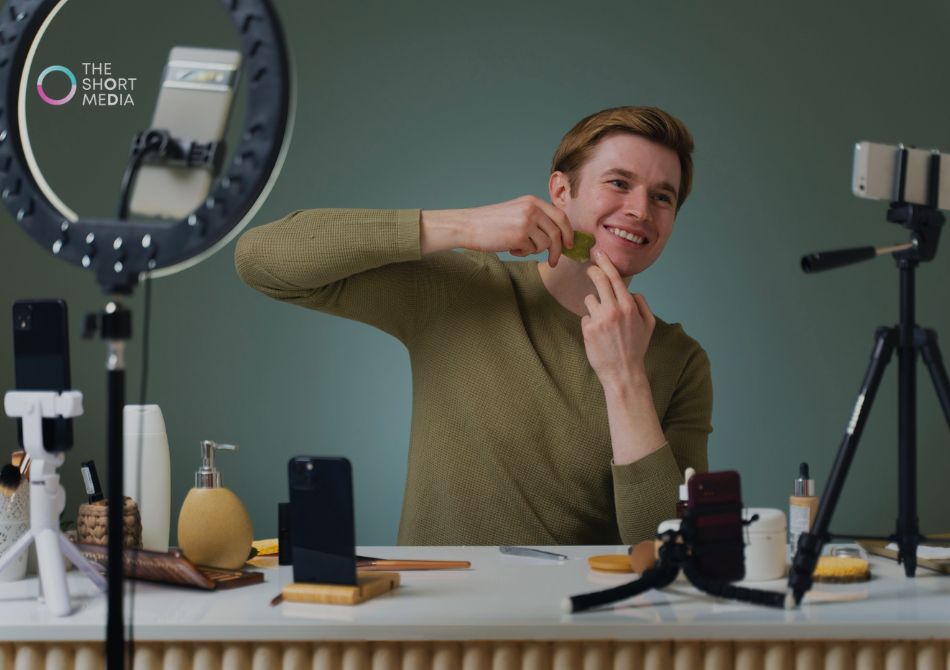
A founder once told me, half-joking, that TikTok felt like “the app where our interns are right and our ad agency is nervous.” Honestly, that wasn’t far off.
I’ve watched beauty brands spend weeks polishing a studio shoot, only to get beat by a creator filming a quick demo next to a sink with bad overhead lighting. I’ve seen a meal brand force a trend that had already peaked, and the comments let them know. Loudly. And I’ve seen local service businesses in the USA assume TikTok was only for national brands, then pull in solid leads from simple, scrappy videos tied to a clear offer.
That’s the thing with tiktok ads for business: the platform rewards relevance and speed more than polish. If you treat it like Facebook from 2018 or TV with captions, it usually gets expensive fast.
This guide is for companies that want a real handle on what works, from getting started to tightening up performance when spend increases.
Why tiktok ads for business feels different from other paid social
A lot of marketers come into TikTok expecting the usual paid social playbook. Tight brand control. Carefully approved copy. Clean product shots. Then performance drifts, CPMs climb, and everyone starts blaming the audience
Usually, it’s the creative.
On TikTok, the ad has to earn attention in a feed full of creators, reactions, tutorials, mini-reviews, and weirdly compelling videos about cleaning grout. People don’t stop because your logo appears in the first second. They stop because something feels native to the environment. That can mean a sharp hook, a useful demo, a familiar frustration, or even a comment-style setup that sounds like a real person talking.
For advertising on tik tok, that shift matters. A skincare brand in the US might see a founder-led “here’s why this keeps pilling under sunscreen” video outperform a glossy campaign asset. A fitness product might sell better when the creator sounds slightly unscripted, not when they read every line too perfectly. You can almost hear it when someone’s been over-coached.
Start simple: campaign structure that doesn’t create chaos
Beginners often overbuild. Too many ad groups, too many audiences, too many variables at once. Then nobody knows what actually worked.
If you’re new to tiktok ads for business, keep the setup boring at first:
Build around one clear conversion event
If you’re ecommerce, optimize for purchase once you have enough signal. If not, start a little higher in the funnel only when necessary. For local services in the USA, lead forms can work, but I’d still push clients to think hard about what happens after the form. Cheap leads that never answer the phone aren’t a win.
Don’t over-segment your audience too early
TikTok’s algorithm usually does better with room to find pockets of intent. I’ve seen brands split audiences into so many interest layers that delivery got choppy for no reason. Unless you have a strong reason to narrow, broader targeting often gives the system more to work with.
Launch multiple creatives, not tiny targeting experiments
For advertising on tik tok, creative variation tends to matter more than micro-adjusting interests. Test different hooks, opening visuals, creator styles, and offer framing. Keep the landing page stable while you learn what the feed responds to.
The creative part everyone says matters — because it actually does
This is where most results are won or lost.
A decent TikTok Ads Management Service will usually spend a lot of time on creative workflow, not just media buying. That’s not because media buying is unimportant. It’s because weak creative gives the algorithm nothing to amplify.
Hooks need to feel immediate, not theatrical
You don’t need fake urgency. You need a reason to stop scrolling.
For a home product, that might be: “I thought this was one of those pointless Amazon buys until…” For a food brand: “We kept getting the same complaint in reviews, so we tested this.” For a local med spa in Texas or Florida, maybe it’s a provider speaking plainly about a treatment people misunderstand.
What usually flops is a slow branded intro. Or a creator smiling into the camera for three seconds before saying anything useful. That dead space hurts.
Product demos beat vague lifestyle content more often than people want to admit
Especially for beauty, kitchen tools, cleaning products, supplements, and random Amazon-friendly gadgets. Show the thing. Use it. Compare before and after if it’s appropriate and compliant. Let people see texture, speed, ease, mess, result.
One of the most common misses in advertising on tik tok is when a brand tries to sell a product without showing the exact moment it becomes valuable.
A kitchen-shot demo can outperform a $15,000 set day. I’ve seen it happen enough times that it’s not surprising anymore.
Comments are creative research
This gets ignored. Badly.
If people keep asking whether a protein snack tastes chalky, your ad probably skipped a real objection. If a hair product gets comments from women saying, “Cute, but does it work on thick curls?” there’s your next ad angle. Comments often reveal what the sales page forgot to answer.
A strong TikTok Ads Management Service should be pulling those insights into the next batch of concepts, not just reporting CTR and CPA.
What advanced teams do differently
Once spend increases, the job changes a bit. You’re no longer just trying to get a campaign live. You’re trying to keep performance from flattening while scaling.
They build creative systems, not one-off winners
A lot of brands hit one good ad and assume they’ve cracked TikTok. Then frequency rises, results fade, and panic sets in.
Advanced teams plan for creative fatigue from the start. They know they’ll need fresh hooks, new creator faces, alternate edits, tighter offers, and revised angles every few weeks, sometimes faster. In beauty and DTC especially, a winning ad can slow down before the internal team has even finished celebrating it.
That’s where a real TikTok Ads Management Service earns its keep. Not by finding one miracle ad. By building a repeatable testing engine.
They separate testing from scaling
Don’t mix everything together. Keep one area for finding new winners and another for pushing proven ads. It sounds obvious, but plenty of accounts get messy here.
For tiktok ads for business, this matters because TikTok can move quickly. If you’re constantly editing budgets, swapping creatives, and changing targeting all inside the same campaigns, it gets hard to read signal from noise.
They match landing pages to TikTok intent
This one gets missed all the time. The ad feels native and fast-moving, then the click lands on a stiff product page written like a catalog.
If the ad is creator-led and conversational, the landing page should keep some of that energy. Not by copying TikTok slang into your PDP. Just by making the page easier to scan, clearer on benefits, and more direct about objections. For US shoppers, shipping, returns, promo details, and trust signals need to be obvious. Don’t hide the basics.
When to bring in a TikTok Ads Management Service
Some brands should absolutely keep this in-house at first. If your budget is modest and you have someone who can test creative quickly, you can learn a lot on your own.
But there are moments when outside help makes sense.
A TikTok Ads Management Service is usually worth considering when:
– your team can’t produce creative fast enough
– you’re spending enough that inefficiency is getting expensive
– attribution debates are eating up too much time
– your account has data, but no real testing discipline
– your internal team knows Meta well and keeps trying to make TikTok behave the same way
The good services don’t just traffic ads. They help shape briefs, source creators, review hooks, pressure-test offers, and spot when a brand is joining a trend two weeks too late. Which, to be fair, happens a lot.
If you’re serious about advertising on tik tok, ask a potential partner how they handle creative iteration, not just bidding strategy. That answer tells you more than the sales deck.
Common mistakes that waste budget fast
Some of these are beginner mistakes. Some come from experienced teams who are a little too confident.
Treating TikTok like a brand awareness channel only
It can drive awareness, sure. It can also drive purchases, lead gen, app installs, retail traffic, and Amazon lift. But you need creative and measurement built for that goal. A vague “fun brand moment” isn’t enough.
Over-scripting creators
The fastest way to make a creator sound fake is to hand them a paragraph that legal, brand, and three managers have polished to death. The ad may be technically correct and completely lifeless.
Ignoring offer clarity
For advertising on tik tok, people need to understand the deal quickly. Is it a bundle? A first-order discount? A limited retail launch at Target? A free consultation for a local service? If the offer is muddy, the ad has to work too hard.
Waiting too long to refresh
This is a huge one in tiktok ads for business. Teams hold onto an old winner because it once worked, even when the data has clearly moved on.
FAQs
1. How much should a business spend to start on TikTok ads?
For a small US business, I’d want enough budget to test several creatives without choking delivery. That usually means more than “let’s try $20 a day and see.” You don’t need a giant budget, but you do need enough to learn something real.
2. Is TikTok only good for ecommerce brands?
Not really. Ecommerce has an obvious fit because product demos work well, but local services, apps, events, and even some B2B-adjacent offers can work if the angle is right. I’ve seen clinics, realtors, and home service companies get traction with very straightforward videos.
3. Do we need influencers to make TikTok ads work?
Not always. Founder content, employee content, customer-style demos, and simple UGC-style production can all perform well. Still, creators help a lot when your internal team is stiff on camera or your brand needs more volume.
4. How long should a TikTok ad be?
There isn’t one perfect number. Shorter often works, especially when the hook is strong, but some of the better converting ads run longer because they’re actually showing something useful. If people are watching a stain remover remove a stain, they’ll stick around.
5. What’s the biggest mistake beginners make?
Trying to be polished before they’ve learned what the audience responds to. That, and making only one ad concept with five tiny edits. Those are not five different ads, usually.
6. Can TikTok ads help Amazon products?
Absolutely. This is actually a pretty common use case. A smart creator demo can drive branded search and Amazon sales even when direct attribution looks messy, so you need to watch more than just in-platform ROAS.
7. How often should we refresh creative?
If you’re spending lightly, maybe every few weeks. If spend is climbing, you may need fresh concepts much sooner. The account usually tells you before the team wants to admit it.
8. Should we hire a TikTok Ads Management Service or keep it in-house?
Depends on your team. If you’ve got strong creative production, someone who understands the platform, and enough time to test properly, in-house can work well. If not, a TikTok Ads Management Service can save you from wasting months on ads that look fine and sell nothing.
9. Is advertising on tik tok harder than Meta ads?
Different, more than harder. TikTok usually asks more from creative and less from old-school audience micromanagement. If your team likes control, that adjustment can be a little annoying at first. But that’s the job.
Getting good at tiktok ads for business usually has less to do with secret tactics and more to do with speed, creative honesty, and paying attention to what the market is actually telling you. The brands that do well aren’t always the prettiest or the loudest. They’re the ones willing to test, notice what feels off, and fix it before burning another month of spend.