What Brands Should Include in Every TikTok Creator Brief
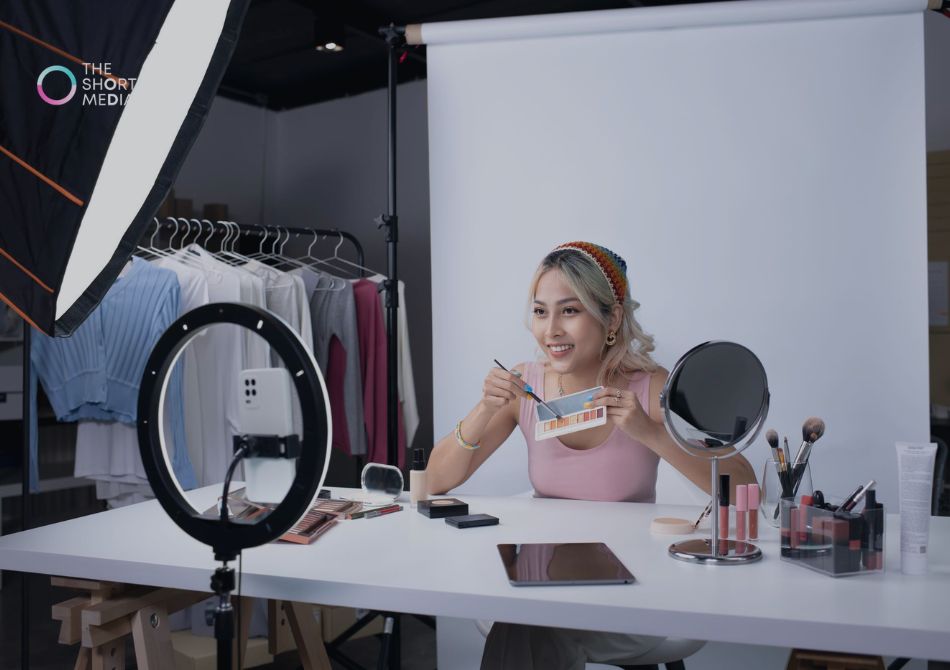
I’ve seen this happen more than once: a brand finally gets budget approved for creator content, sends out a brief, and then acts surprised when the videos come back stiff, over-scripted, and weirdly off. The creator hit the talking points. The product was shown. Technically, everyone did their job. But the post still felt like an ad somebody was forced to read. Usually the problem isn’t the creator. It’s the brief. A good TikTok brief doesn’t read like legal copy with a hook pasted on top. It gives creators enough direction to make content that works on-platform, while still protecting the brand from going off the rails. That balance matters a lot, especially if you’re investing in TikTok creator services through an internal social team, a freelance producer, or a TikTok creator agency that’s managing talent at scale. And honestly, a lot of brands in the USA still haven’t figured out that balance. A brief should guide the video, not suffocate it The fastest way to ruin creator content is to write a brief like a 30-second commercial script. If a creator sounds like they’re reading from a teleprompter, viewers can tell in about two seconds. You can almost see the engagement drop before the video finishes loading. That doesn’t mean “just let creators do whatever.” That advice sounds nice until the product benefit gets lost, the FTC disclosure is missing, and the comments are full of people misunderstanding what the item actually does. What works better is a brief built around clear inputs: – what the brand needs – what the audience needs to understand – what the creator needs freedom to interpret That’s the real job of TikTok creator services when they’re done well. Not just matching brands with people who have followers, but shaping content so it has a shot at performing. Start with the actual objective, not vague brand language This part gets skipped all the time. If the goal is awareness for a retail launch at Target, say that. If the goal is driving Amazon search lift for a supplement, say that. If you need content for paid usage because your in-house team needs fresh UGC-style assets, say that too. Creators make better content when they know what they’re solving for. A beauty creator talking about a new foundation launch will frame the video differently if the real priority is shade-match education versus pure product hype. Same product, different angle. Your brief should include: What success looks like Not “make an engaging TikTok.” That means nothing. Be specific: – drive trial – explain a new feature – support a seasonal retail push – generate whitelisted ad assets – address common objections Sometimes the comments tell you exactly what the brief should have said. I’ve worked on campaigns where the sales page bragged about “plant-based cleaning power,” but TikTok comments kept asking, “Does it actually cut grease?” That should’ve been in the creator brief from day one. Where the content will live Organic only? Paid and organic? Spark Ads? Retailer PDP? Amazon? Email? This changes how creators shoot. A creator making content for organic TikTok might leave in a small pause or a casual stumble because it feels natural. If the footage is also meant for paid, the brand may need cleaner edit points and stronger product framing in the first three seconds. A smart TikTok content strategy starts with placement, not just concept. Give creators messaging pillars, not a memorization exercise There’s a big difference between “mention these points” and “say this exact sentence.” Creators should know the non-negotiables: – brand name pronunciation – required claim language – offer or promo details – legal/FTC disclosure – product features that must be shown But beyond that, loosen up a little. If you send a six-line script to a food creator and ask them to sound spontaneous, you’re setting them up to fail. Same for fitness creators. Same for local service businesses trying to sound “authentic” while forcing exact wording about financing offers and service guarantees. A better brief gives creators: – 2–3 key messages – proof points or product facts – words to avoid – claim boundaries – examples of brand tone That’s enough structure for good creators to translate the message into something people might actually watch. A strong TikTok content strategy leaves room for human phrasing. Include visual direction, but keep it realistic This is where brands often get a little delusional. If you want “raw, native TikTok content,” don’t also ask for a spotless studio kitchen, perfect daylight, three outfit changes, macro product shots, and motion graphics placeholders. That’s not raw. That’s a production brief pretending to be UGC. Be clear about what needs to appear on screen: – product usage demo – packaging shot – before/after moment – shelf placement in-store – app interface – unboxing – voiceover or talking-to-camera And note what matters most. A home product demo filmed on a real counter usually beats a polished setup that looks rented for the day. I’ve seen a kitchen cleaner perform better when the stovetop looked slightly messy. Not disgusting. Just normal. People believed it. If you’re working with a TikTok creator agency, this is one of the easiest places for misalignment. Agencies sometimes over-clean the brief because they’re trying to avoid mistakes. Fair enough. But if every visual note is overcontrolled, the content loses the texture that made you hire creators in the first place. Show examples, but don’t demand a copy Reference videos help. They save time and reduce revision rounds. But the way you present them matters. Bad version: “Make it like this exact trend.” Worse version: sending a trend that peaked 16 days ago. I’ve watched brands approve a concept based on a sound that was already dead by the time contracts were signed. By the time the content went live, it felt late and awkward. That’s not the creator’s fault. Better approach: – share 2–4 examples – explain what you like about each one – note … Read more