

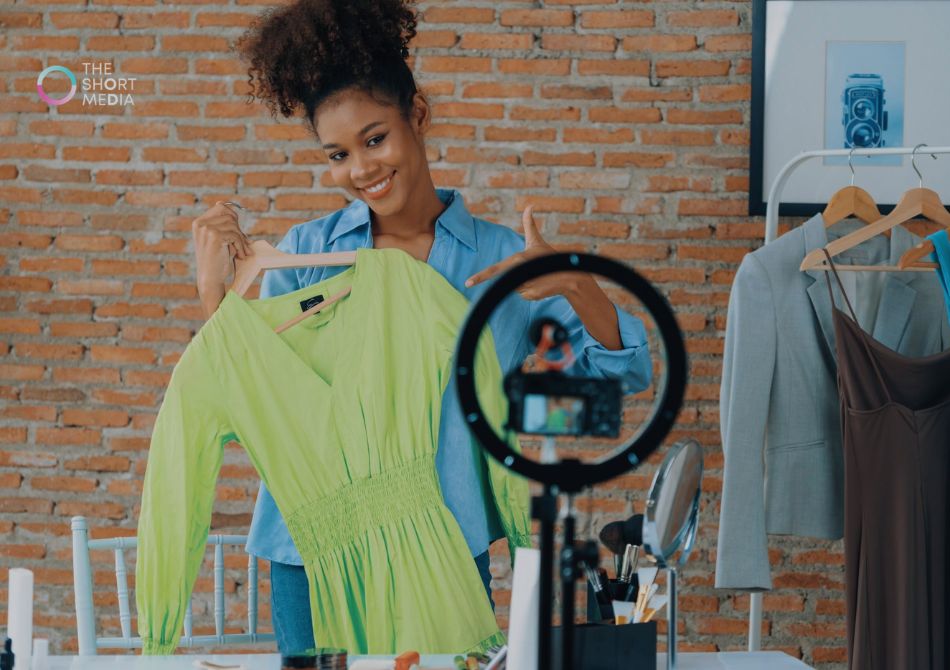
A creator can have 400,000 followers, clean lighting, a nice apartment kitchen, and still make a terrible sales partner.
I’ve seen it happen. A skincare brand sends out product to a creator who looks perfect on paper. Strong follower count. Decent views. Pretty feed. The video comes back, and it’s polished in the worst way — every line sounds memorized, the product is held up like a QVC segment, and the comments are mostly friends saying “so cute.” Meanwhile, a smaller creator with 18,000 followers films a quick demo by her bathroom sink in Ohio, mentions that the pump sticks a little if you don’t twist it first, and somehow that video drives actual add-to-carts.
That gap matters. A lot of brands still confuse “popular” with “converting,” and those are not the same thing on TikTok.
If you’re trying to build a creator program that actually moves product, you need a better filter. Not just who looks good in a spreadsheet, but who can sell without sounding like they’re trying to sell. That’s usually where a good TikTok creator services agency earns its keep, but even if you’re handling outreach in-house, the same rules apply.
A TikTok creator agency should care less about follower count than comment behavior
Follower count is useful for one thing: estimating possible reach. That’s it.
When I’m reviewing creators for a campaign, I care more about the comments than the top-line metrics. Not generic engagement either. I mean the kind of comments that suggest intent, curiosity, or friction. Stuff like:
– “Wait, does this work on textured hair?”
– “I’ve been looking for something that doesn’t scratch my pans.”
– “Where did you get that organizer?”
– “I thought this was gimmicky but now I kinda want one.”
Those comments tell you the creator is surfacing real buying questions. Sometimes they even reveal objections the brand’s product page completely missed. I’ve seen creators uncover that shoppers were confused about sizing, ingredients, or setup in a way the brand team hadn’t noticed.
A strong TikTok creator agency will usually screen for this kind of audience response, because high-converting creators don’t just entertain. They trigger useful conversation.
And honestly, dead comments are a warning sign. If a creator has big view counts but the replies are all flame emojis and “need,” I’d keep digging.
Watch how they talk when they’re not sponsored
This is where a lot of brands skip steps.
Don’t just review the paid posts in a creator’s portfolio. Go watch their regular content. Watch three or four videos in a row. Then a few older ones. You’re looking for rhythm, credibility, and whether they can hold attention without a product brief propping them up.
Some creators are naturally persuasive. They explain things clearly, they show the product in use, they mention a detail that feels lived-in. Others are basically reading captions out loud.
A creator who can casually explain why a protein powder doesn’t clump in cold coffee, or show how a storage bin actually fits under a narrow apartment sink, is often more valuable than someone with a prettier aesthetic.
This is one reason brands hire a TikTok creator services agency. Good agencies know how to spot creators who have a real selling voice before the sponsored content starts flattening them out.
The best TikTok creator services usually start with product fit, not trends
I’ve watched brands force creator partnerships that made no sense.
A premium cookware brand tries to work with creators who mostly post chaotic dorm meals. A local med spa picks creators who do comedy skits but never talk about beauty routines. An Amazon gadget brand sends a product to someone whose audience clearly likes fashion hauls and nothing else. Then the team acts surprised when the performance is soft.
Product fit matters more than trend fluency.
That doesn’t mean the creator has to live in one narrow niche forever. It means the audience has to believe the recommendation. If you sell functional fitness gear, look for creators who already show routines, recovery habits, gym bag setups, or even little complaints about crowded gyms and home workout storage. If you’re launching a snack brand into Target, a creator who films realistic lunch packing or late-night pantry raids may convert better than a “food influencer” with a glossy recipe style.
Good TikTok creator services are part casting, part pattern recognition. The fit should feel obvious once you see it.
High-converting creators usually know how to demo, not just pose
This sounds basic, but it gets missed all the time.
A lot of creators are good at featuring products. Fewer are good at demonstrating them. And on TikTok, demo often wins.
For beauty, that might mean showing texture, wear, application, and the slightly awkward in-between moments. For home products, it might be assembly, storage, cleanup, or a side-by-side with the old version. For food brands, maybe it’s the sound, the pour, the bite, the ingredient label, the actual use case in a busy weekday kitchen.
One of the strongest UGC-style videos I saw for a home cleaning brand was filmed with bad overhead lighting and a toddler making noise in the background. Not ideal, technically. But the creator showed exactly how the spray worked on soap scum in a real shower, and that beat the polished studio cut by a mile.
A solid TikTok creator agency knows that conversion often lives in these practical little moments. Not in perfect editing.
Past paid performance matters, but ask better questions
If a creator says they’ve “worked with major brands,” that tells you almost nothing.
Ask what kind of content actually performed. Was it Spark Ads? Organic only? Whitelisting? Did the top video drive clicks, saves, comments, or purchases? Was the creator allowed to script in their own voice, or did the brand hand them a stiff talking-points doc?
You don’t need every metric from every campaign. But you do want signs that they understand what gets people to act.
A smart TikTok creator services agency will often ask for examples across categories too, because conversion style can travel. A creator who made a kitchen gadget sell through TikTok Shop might also be strong for supplements or household products if the content style is explanation-first and believable.
Just be careful with cherry-picked case studies. Every creator has one banger. That’s not the same as consistency.
A TikTok creator services agency can help, but the brief still matters
Even the right creator can get tanked by a bad brief.
The usual problems: too many talking points, legal copy shoved into the opening hook, weird brand phrases nobody says in real life, or trend references that were already stale when the brief was written. I’ve seen brands insist on opening a video with a slogan they clearly loved internally. The creator said it exactly as written. It landed like a voicemail from HR.
If you’re working with a TikTok creator services agency, make sure they’re protecting the creator’s tone, not sanding it down. The whole point is to keep what made that person persuasive in the first place.
The best-performing briefs tend to be looser than nervous brand teams want. Clear product priorities, a few mandatory claims, maybe one objection to address, and room for the creator to do their thing. That’s usually enough.
What a good TikTok creator agency actually screens for
A useful TikTok creator agency doesn’t just send over a list of people with rates attached. They should be pressure-testing whether the creator can help you sell.
That usually includes:
Audience signals that suggest buying intent
Not just engagement rate. Look for comments, saves, repeat product mentions, and whether followers ask follow-up questions that sound like real shoppers.
On-camera trust
This is hard to quantify, but easy to feel. Does the creator sound like someone who uses things and notices details? Or like someone who is auditioning for “brand partner”?
Editing choices that support response
A lot of high-converting creators are actually pretty restrained. They don’t cut every half-second. They let the demo breathe. They put the payoff early. Good TikTok creator services teams notice that.
Ability to make multiple angles from one product
You don’t just want one decent video. You want a creator who can find three or four believable ways into the same item: problem-solution, routine integration, comparison, objection handling, maybe a comment reply format.
That’s especially useful for DTC brands, Amazon products, and retail launches where paid teams need creative variety fast.
Don’t ignore the creators who feel a little less polished
This is probably the part brand teams resist most.
The creator with the perfect set and ad-ready voice often feels safer. The creator with slightly messy framing, a regional accent, or a less curated background can feel riskier. But sometimes that second person is the one who gets watched all the way through.
Not always. But often enough that it’s worth paying attention.
A lot of effective TikTok creator services work comes down to identifying authenticity that still performs under paid amplification. That balance matters. You don’t want chaos. You also don’t want a video that looks like every other underperforming ad in the feed.
FAQs
1. How do I know if a TikTok creator can actually drive sales?
Start with their product-related content, not their biggest viral post. Watch how they explain things, what people ask in the comments, and whether the audience seems curious enough to click or buy. If every post gets views but no one asks practical questions, I’d be cautious.
2. Is follower count ever important?
It has a place, sure. Bigger creators can help with reach and social proof, especially for retail launches or broad awareness pushes. But for conversion, I’ve seen smaller creators outperform larger ones all the time, especially in beauty, kitchen, and home organization.
3. Should brands use a TikTok creator services agency or manage creators directly?
Depends on volume and internal bandwidth. If you’re running a few test partnerships, in-house can work. If you need sourcing, vetting, usage rights, paid-ready content, and a steady flow of creators, a TikTok creator services agency usually saves time and avoids some expensive mismatches.
4. What’s the biggest red flag when evaluating creators?
Over-scripted delivery. If every sponsored post sounds like it was approved by six people and read off a teleprompter, performance usually suffers. Also, watch for creators whose audience barely reacts to product content even though their entertainment posts do well.
5. Do creators need experience in my exact niche?
Not always. A good TikTok creator agency will often look for transferable selling skills, not just niche labels. Someone who explains household products well may also do great with pet items or wellness products if the use case is clear and the audience fit is there.
6. How many creators should a brand test at once?
Usually more than you think, but not so many that you can’t learn from the results. For most US brands, 10 to 20 creators is a decent testing batch if you’re trying to identify patterns. Three creators is barely a sample.
7. What kind of content tends to convert best on TikTok?
Usually the stuff that feels like a real person using the product in a real setting. A kitchen demo for a snack brand, a bathroom counter routine for skincare, a car clip for a local service, that kind of thing. Studio content can work, but it often loses the little frictions and details that make people believe it.
8. Can a TikTok creator services agency help with paid ads too?
Usually, yes. Many TikTok creator services teams are building creator content with paid usage in mind, which changes who they source and how they brief. That matters because a video that does okay organically can still become a strong Spark Ad if the hook, pacing, and proof points are there.