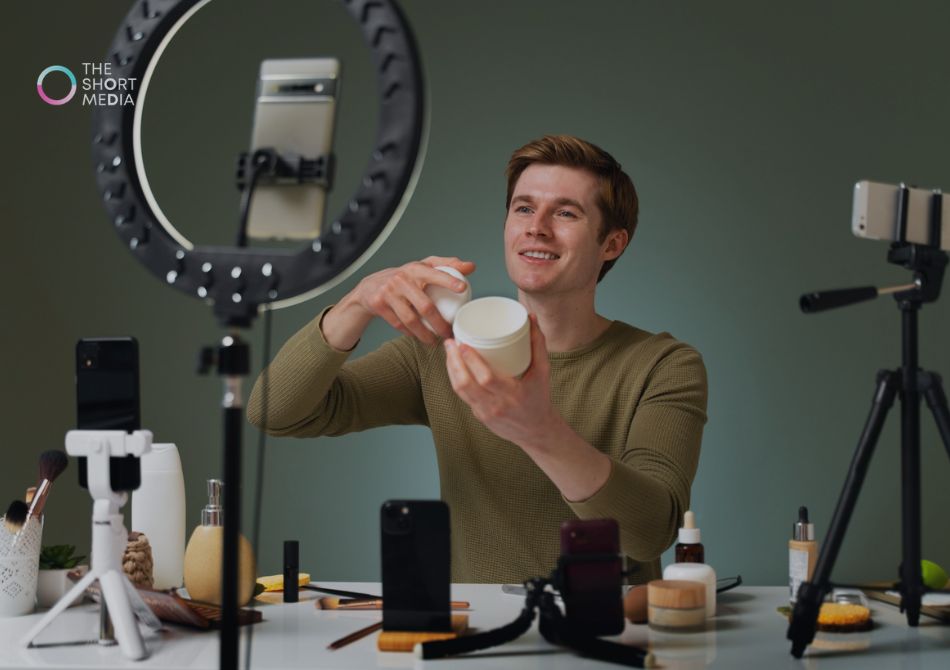
Advertising on TikTok vs Instagram: Where Should US Brands Invest?

A few months ago, I watched a beauty brand spend five figures on polished Instagram creative that looked expensive and performed… fine. Nothing disastrous. Just flat. The same week, a creator filmed a loose TikTok in her apartment bathroom, missed a line in the middle, laughed, kept going, and that video drove a better click-through rate and cheaper add-to-carts. That doesn’t mean Instagram is washed. It means the old shortcut — “just put budget where the audience is” — isn’t enough anymore. For US brands trying to sort out paid social budgets, this usually comes down to a messier question: where does your product, your price point, and your creative style actually fit? Because advertising on tik tok and running on Instagram are not interchangeable media buys, even if some teams still treat them that way. Advertising on TikTok vs Instagram isn’t really a platform debate Most brands frame this like a cage match. TikTok for awareness. Instagram for conversions. TikTok for Gen Z. Instagram for everyone else. That’s tidy. It’s also a little lazy. What I’ve seen in practice is that the winner usually depends on what kind of buying behavior you’re trying to trigger. A $14 kitchen gadget sold through Amazon? TikTok often has more upside, especially if the product demo is obvious in the first two seconds. Same for impulse-friendly beauty, supplements, cleaning products, or weird little home items people didn’t know they wanted until they saw someone use them. That’s where tiktok ads for business can feel less like interruption and more like product discovery with a pulse. A higher-consideration skincare system, a regional med spa, or a home service brand in the suburbs? Instagram still tends to hold up better, partly because the user behavior is more familiar for those categories. People save posts, click profiles, check Highlights, compare before-and-afters, send things to a spouse. It’s not always flashy, but it can be steadier. That’s the part some teams miss. digital marketing tiktok isn’t just about reaching younger users. It’s about whether your offer makes sense in an environment where people are moving fast, reacting fast, and deciding fast. What TikTok gets right for certain US brands TikTok is still unusually good at making products feel current. Not in a vague “buzz” sense. I mean very literally current — like a product seems relevant because someone is using it right now in a kitchen, car, gym locker room, or messy bedroom. That matters for direct response. I’ve seen tiktok ads for business work especially well for: – DTC beauty launches with strong visual payoff – Food and beverage brands with a clear taste or routine angle – Fitness accessories that need a quick demo – Amazon products with a simple “before/after” use case – Home products where the problem is instantly recognizable A countertop ice maker. A pimple patch. A posture corrector. A stain remover. You don’t need a big narrative arc. You need a thumb-stopping visual and a creator who doesn’t sound like they memorized the script in a conference room. That last part matters more than people admit. The fastest way to tank advertising on tik tok is to over-control it. If the creator hits every talking point too perfectly, the ad starts to feel dead on arrival. Users may not articulate why, but they feel it. And comments tell on you. Always. I’ve seen comment sections reveal objections the landing page never answered — shipping times, shade match confusion, “does this work on textured hair,” “is this safe for cats,” stuff like that. Smart teams mine those comments and turn them into the next round of hooks. Instagram still has some advantages people are weirdly eager to ignore There’s a habit right now of talking about Instagram like it’s only useful for retargeting. That’s overstated. Instagram still does a few things really well for US brands, especially if you already have some brand recognition or a product that benefits from visual trust signals. Fashion is an obvious one, but not the only one. I’ve seen strong Instagram performance for: When Instagram feels more purchase-ready A furniture brand launching into retail. A local cosmetic dentist showing real patient transformations. A premium candle line with giftable packaging. A women’s fitness brand selling a $120 set where fit, styling, and aspirational context all matter. People on Instagram often take a beat before buying. They browse your grid. They tap tagged products. They look at UGC in Stories. That slower behavior can be frustrating if you want instant spikes, but it’s useful when the purchase needs a little reassurance. This is where some digital marketing tiktok conversations get too simplistic. Not every product should be sold in a chaotic, creator-first environment. Some products need polish. Or at least structure. Also, Instagram’s ecosystem is still easier for many internal teams to understand. The handoff between organic content, creator whitelisting, retargeting, and branded profile traffic tends to be cleaner. Not more exciting. Just cleaner. Creative is where most brands get this wrong The media plan matters, sure. But creative fit matters more. A lot of US brands lose money on TikTok because they’re basically running Instagram ads with TikTok fonts slapped on top. You can spot it immediately: clean studio lighting, stiff product hold, scripted testimonial, trend sound added as an afterthought. Usually posted about two weeks after the trend had any heat. That’s not a TikTok ad. That’s a repackaged social asset. Good advertising on tik tok usually has a little friction to it. Not bad quality, just human texture. Someone opens with the problem, not the logo. The camera angle is slightly imperfect. The product appears in use fast. The creator sounds like a person, not legal-approved copy with a ring light. Meanwhile, Instagram creative can handle more refinement without losing effectiveness. In fact, some categories need it. If you’re marketing a premium home product or a med-aesthetic service in Los Angeles, rough-looking content can hurt trust. So when people ask where to invest, I … Read more