

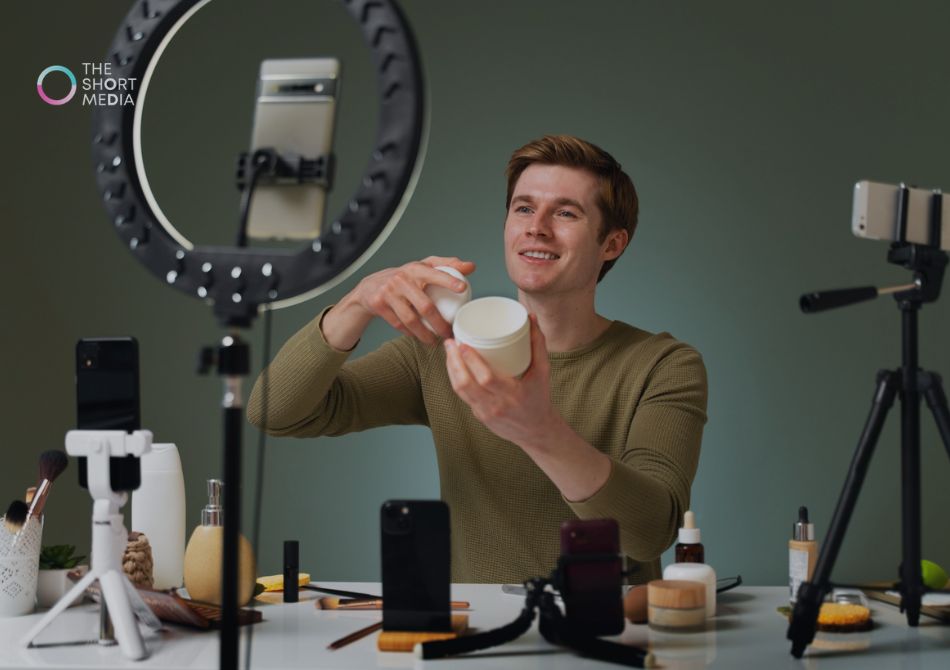
A few months ago, I watched a skincare brand spend a very respectable budget on TikTok and get almost nothing useful back. Plenty of views. A decent click-through rate. Comments, even. But sales? Thin. The problem wasn’t that TikTok “didn’t work.” It was that the brand treated it like polished Meta creative with trending audio pasted on top.
That happens a lot.
The brands that get real return from tiktok marketing services usually aren’t the ones making the prettiest videos. They’re the ones building a system: creator content that doesn’t feel over-rehearsed, paid testing that moves fast, landing pages that match what people just saw, and reporting that goes past vanity metrics. Not glamorous, but that’s usually where the money is.
If you’re in the USA and trying to figure out whether TikTok is worth serious budget, it helps to know what actually drives performance and what tends to waste time.
What good tiktok marketing services really include
A lot of agencies sell TikTok as if it’s one thing. It isn’t. Effective tiktok marketing services usually sit across creative, media buying, creator sourcing, testing, and conversion cleanup.
That matters because TikTok breaks when one piece is off.
I’ve seen strong products fail because the creator read the script too perfectly. You could hear the approval process in every line. I’ve also seen a simple product demo filmed in a real kitchen beat a studio shoot that cost ten times more. Not because lower production is magically better, but because the ad matched how people actually use the app.
Good tiktok marketing services tend to include:
– Creative strategy based on hooks, retention, and comment behavior
– Creator sourcing that fits the product, not just follower count
– Paid testing with enough variation to find something usable
– Landing page alignment
– Reporting tied to CPA, MER, AOV, and assisted conversions
That last part gets skipped more than it should. A lot of brands buy tiktok ads services and get weekly reports full of impressions, thumb-stop rate, and “engagement trends,” while the finance team is asking a simpler question: did this help us sell product?
TikTok Ads Management is where a lot of ROI gets won or lost
Creative gets the attention, but TikTok Ads Management is where many campaigns quietly improve or fall apart.
I’ve worked with teams that had strong content but weak account structure. They’d launch too many variables at once, kill ads before they had enough spend, or keep broad audiences running with mismatched offers. Then they’d blame the platform.
Good TikTok Ads Management is less about secret hacks and more about disciplined testing. Boring answer, true answer.
For US brands, especially DTC and retail-backed brands, the account setup should reflect how people actually buy. A beauty brand selling a $24 lip product can test aggressively and optimize for direct conversion faster. A home goods brand with a $300 average order value may need more creative angles, stronger social proof, and a warmer retargeting path. Local services are another story entirely. A med spa in Dallas or a fitness studio in Chicago doesn’t need broad national reach; it needs geo-specific creative and clean lead handling on the back end.
That’s why tiktok ads services shouldn’t be sold as a plug-and-play package. The structure for an Amazon product launch is different from the structure for a DTC subscription brand. A frozen food brand going into Target has different goals than a supplement company trying to scale direct response.
The creative that usually performs isn’t the creative brands expect
This is where teams get uncomfortable.
A lot of brands say they want “authentic” TikTok creative, but what they really want is a carefully controlled ad that looks casual. Users can tell. Usually within a second.
The best-performing content often has a little friction to it. A creator pauses awkwardly before showing the product. A countertop is messy. The lighting is fine, not cinematic. Comments start surfacing objections the sales page never addressed, and suddenly you’ve got your next three ad angles.
That’s a big reason many companies hire tiktok ads services alongside creator management. You need volume. Not one hero video. Volume.
For example:
– A fitness recovery brand may test “gym bag reveal” content against post-run pain point content.
– A food brand may find that a microwave close-up and honest taste reaction beats a polished recipe montage.
– A home cleaning product might win with a side-by-side sink demo shot on an iPhone in someone’s actual apartment.
I’ve also seen brands join a trend two weeks too late and wonder why the ad feels dead on arrival. TikTok moves fast, but not every ad needs to chase trends anyway. Sometimes a clear product use case with a sharp first two seconds outperforms trend-based creative by a mile.
That’s where TikTok Ads Management and creative strategy need to talk to each other. If the media team sees hold rate drop at second three, that should influence the next batch of briefs. Sounds obvious. It often doesn’t happen.
Why tiktok ads services fail when the post-click experience is weak
You can have strong ads and still get mediocre return if the click lands in the wrong place.
This is a common issue with tiktok ads services. The ad feels native and specific, then the user hits a generic product page that looks like it was built for search traffic or email. Different tone, different promise, too much friction.
A few examples from actual campaigns:
A beauty brand ran creator testimonials that focused on shade match and wear time. The landing page opened with brand story copy and buried the shade finder. Conversion rate lagged until the page was rebuilt around the exact objections showing up in comments.
A kitchen gadget brand had videos showing the product solving one very specific annoying problem. The landing page listed every feature under the sun. Once they simplified it and moved the demo GIF higher, paid performance got healthier.
This is where solid tiktok marketing services feel less like channel management and more like conversion troubleshooting. Not every agency wants to touch landing pages, offer strategy, or checkout friction. The good ones usually do, because they know ad performance doesn’t stop at the click.
What to expect from tiktok ads services if you care about ROI
If ROI is the goal, not just “presence,” your expectations should be pretty practical.
First, you need enough creative throughput. Most brands don’t lose on TikTok because they lack budget. They lose because they test too little creative and expect one or two approved assets to carry the whole account.
Second, TikTok Ads Management should come with clear decision-making. What gets scaled? What gets cut? How long does a test run before it’s judged? If your agency can’t explain that without turning it into jargon, that’s a problem.
Third, attribution needs some maturity. TikTok can assist conversions that show up elsewhere, especially for products with a longer consideration window. But that doesn’t mean every soft metric deserves credit. Good operators look at platform data, site behavior, blended performance, and what happens when spend changes.
The better tiktok marketing services teams I’ve seen are pretty blunt about this. They won’t promise instant efficient scale. They’ll tell you when your offer is weak, when your creators don’t fit the audience, or when your comments are full of objections nobody solved in the funnel.
That kind of honesty is useful. Sometimes slightly annoying, but useful.
Picking a partner for TikTok Ads Management in the USA
If you’re evaluating agencies or freelancers in the US market, ask how they handle creator sourcing, paid testing cadence, and post-click optimization. Don’t stop at “we manage campaigns.”
Ask to see examples from categories that look like yours. Beauty. Food and beverage. Home products. Fitness. Local services. Amazon launches. Retail support. The details matter.
A team that’s strong in tiktok ads services for a DTC personal care brand may not be the right fit for a regional service business. A local HVAC company in Florida needs a very different content and targeting approach than a national wellness brand.
Also, ask how they deal with bad creative. Seriously. Some teams keep weak ads alive because the client likes them. Strong TikTok Ads Management means being willing to say, “This one isn’t working, even if everyone internally signed off on it.”
That saves money.
ROI on TikTok is usually built, not stumbled into
The brands seeing the best return from tiktok marketing services usually aren’t guessing. They’re testing hooks, swapping creators, fixing product pages, reading comments, and tightening account structure week after week.
It’s not especially glamorous. It is effective.
And if you’ve been burned by tiktok ads services before, that doesn’t automatically mean the platform is wrong for your brand. Sometimes it just means the setup was too polished, too slow, or too disconnected from how people actually buy after seeing a TikTok ad.
FAQs
1. How long does it take to see results from TikTok campaigns?
Usually faster on the signal side than on the profitability side. You can spot early creative traction in days, but stable ROI often takes a few testing cycles, especially if your offer or landing page needs work.
2. Are TikTok ads only good for younger audiences?
Not really. That assumption is outdated. I’ve seen home, kitchen, wellness, and even local service campaigns pull strong results with audiences well beyond Gen Z, especially when the creative is specific and not trying too hard to sound young.
3. What’s included in TikTok Ads Management?
It should cover account structure, campaign setup, budget allocation, testing, optimization, reporting, and coordination with creative. In better setups, it also includes feedback loops on landing pages and offer performance.
4. How much creative do brands usually need?
More than they think. A lot more, honestly. If you’re trying to run paid seriously, you’ll want a regular flow of new hooks, creator variations, and refreshed edits instead of waiting around for one polished flagship ad.
5. Can TikTok work for local businesses in the USA?
It can, but the strategy changes. A med spa, dental office, or boutique gym needs geo-focused creative, tight targeting, and a lead process that doesn’t fall apart once someone fills out a form.
6. Do I need creators, or can I use brand-made content?
You can use both. In many cases, brand-shot demos and founder-led videos do well, especially for products that need explanation. But creator content often helps with volume and perspective. Just don’t over-script it.
7. Why do some TikTok campaigns get views but not sales?
Usually there’s a disconnect somewhere. The hook may attract curiosity instead of buying intent, or the landing page may fail to continue the story. Sometimes the comments tell you exactly what’s wrong, which is a little humbling.
8. Are tiktok marketing services worth it for smaller brands?
They can be, if the team is realistic about testing and budget. Smaller brands often do better with focused creative production and tight paid management than with a bloated agency package full of meetings and vague reporting.
9. What should I ask before hiring tiktok ads services?
Ask how they test creative, how often they refresh ads, what metrics they use to make scaling decisions, and whether they’ll push back when your favorite ad isn’t performing. That last one matters more than people think.