

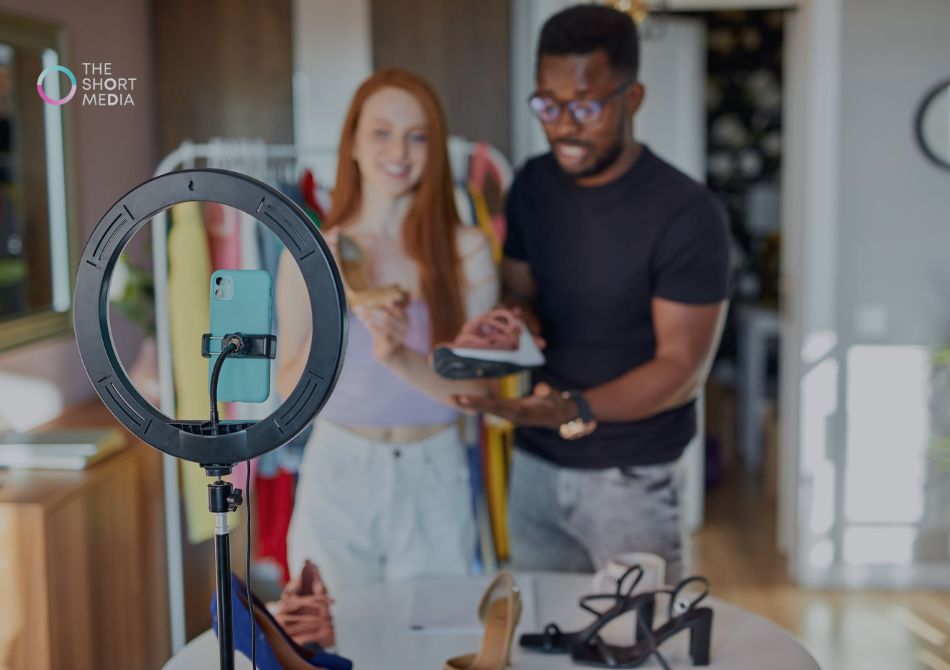
A few months ago, I watched a brand spend real money on TikTok creative that looked expensive, polished, and completely dead on arrival. Nice lighting. Clean product shots. A founder who clearly memorized every line. And you could feel it in the first three seconds: nobody was going to care.
Then they posted a rougher version. Same product, same offer, but this time it was filmed on a phone in a kitchen with a slightly chaotic voiceover and a creator who actually sounded like she’d used the thing before. That one pulled comments, saves, and eventually sales.
That’s usually where TikTok goes sideways for brands. Not because the platform is mysterious, but because teams keep bringing the wrong instincts into it.
If you’re working with a marketing agency san diego brands can actually rely on, this is the stuff that matters. Not vague “be authentic” advice. Real decisions around creative, media buying, creators, and timing.
What a marketing agency san diego brands trust should understand about TikTok
TikTok punishes content that feels over-handled. Not every time, obviously. But often enough that it should change how you plan campaigns.
I’ve seen beauty brands in the US ship gorgeous studio edits for a product launch, only to get beat by a creator filming a mirror check in bad apartment lighting. A home product brand spent weeks refining messaging around “premium materials,” while the comments kept asking, “Does it scratch hardwood?” That should tell you something. The audience was doing market research for them, and the sales page hadn’t caught up.
A good marketing agency san diego companies hire for TikTok shouldn’t just make ads. It should pay attention to the comments, the watch time drop-off, the saves, the weird little moments where people stop scrolling. That’s where the real tiktok marketing strategy starts.
And honestly, some agencies still miss this. They’re good at Meta. Good at Google. Then they show up on TikTok with campaign structures that look fine in a deck and weak in-feed.
A tiktok marketing strategy that starts with creative, not media math
This is probably the biggest disconnect I see.
Brands want to talk budget allocation, targeting, bidding, audience segments. All fair. But if the creative is stiff, your media setup won’t rescue it. TikTok is a creative volume platform. You need more angles, more hooks, more faces, more testing than most brands expect.
A working tiktok marketing strategy usually includes a mix of:
– creator-style demos
– founder or team-led explainers
– objection-handling videos pulled from comments
– quick before-and-after edits
– simple product use cases in real homes, cars, gyms, kitchens
That mix matters. A fitness brand might think its strongest angle is performance, but the winning video ends up being a customer showing how the product fits into a cramped apartment workout setup. A food brand may obsess over recipe content when a blunt taste-test reaction outperforms everything else.
That’s why tiktok ads services can’t just mean “we’ll run paid traffic to your videos.” The creative system has to be built into the offer. Otherwise you’re paying to learn the same lesson slowly.
The brands that do well usually look a little less “on brand”
Not sloppy. Just less precious.
I’ve worked with teams that rejected strong TikTok concepts because the creator’s background wasn’t clean enough, or the intro felt too casual, or the product wasn’t centered in frame by second one. Then a competitor runs a video with a dog barking in the background and clears them.
For a tiktok marketing strategy to work, the content has to feel native enough that people don’t recoil from it. That doesn’t mean chasing every trend. Please don’t do that two weeks late with legal review layered on top. Everyone can tell.
It means understanding format. Pace. Voice. The difference between “here’s our amazing product” and “I bought this because my cabinets were a mess and now they aren’t.” One sounds like a campaign. The other sounds like a person.
A strong marketing agency san diego businesses choose should know when to protect brand standards and when to loosen them a bit. TikTok usually rewards the second option.
Why comments are part of the media plan
This gets overlooked all the time.
Comments tell you where the friction is. For local services, people ask about pricing, service areas, scheduling, trust. For DTC, they ask about shipping times, ingredients, sizing, whether the thing actually works outside perfect conditions. For Amazon products, comments often reveal what shoppers are still unsure about before they click through.
That’s gold for tiktok ads services.
If a skincare brand keeps getting “Will this pill under makeup?” then that should become a video. If a meal brand sees “Okay but how big is the portion actually,” film it next to a fork, a hand, a takeout container, whatever gives scale fast. If a home cleaning product gets “Does it work on grout or just tile,” don’t answer in copy alone. Show it.
A lot of tiktok marketing strategy work is really just structured listening followed by fast creative response.
Paid performance on TikTok is messier than people want it to be
Some weeks a creator ad scales immediately. Some weeks the same style burns out fast and a lower-production clip takes over. You can’t get too attached.
That’s why solid tiktok ads services should include frequent creative refreshes, not just campaign maintenance. I’d rather have a brand test six decent concepts quickly than spend a month perfecting one. The platform moves too fast for perfectionism.
For US brands, especially in crowded categories like beauty, supplements, snacks, and home organization, creative fatigue hits fast. Retail launches add another wrinkle. If you’re pushing a Target or Walmart placement, your content needs to bridge awareness and store intent without sounding like a retail circular. That balance is awkward, but it matters.
And local businesses in San Diego? Same principle, different execution. A med spa, fitness studio, or home service company doesn’t need to pretend to be a national DTC brand. A local-feeling video with an actual technician, actual neighborhood context, and a believable offer often lands better than a generic polished ad.
That’s where a marketing agency san diego teams work with can bring some real value: understanding both local market texture and platform behavior.
Creator selection is where a lot of spend gets wasted
Follower count is still overrated. Not useless, just overrated.
I’d take a mid-sized creator who knows how to pause naturally, hold a product without making it look like a hostage video, and improvise around a script over a bigger creator who reads every line too perfectly. You can hear the approval process in those videos. They die fast.
Good tiktok ads services should involve creator vetting based on delivery, pacing, audience fit, and edit style, not just surface metrics. A food creator who can make frozen protein meals look genuinely convenient in a small office kitchen may beat a larger lifestyle creator with prettier content and weaker selling instincts.
A practical tiktok marketing strategy also reuses creator content intelligently. Spark ads, whitelisted ads, cutdowns, hook variations, comment-response edits. There’s usually more value in one strong recording session than brands extract.
What to expect from a marketing agency san diego companies hire for TikTok
If you’re evaluating a marketing agency san diego option for TikTok support, I’d look for a team that can do three things well:
First, they should have a clear creative testing process. Not vague promises about viral content. Actual systems for hooks, offers, creators, and iterations.
Second, they should treat tiktok ads services as part creative lab, part paid social operation. If they only talk media buying, that’s a problem. If they only talk content vibes, also a problem.
Third, they should be comfortable with imperfect but effective content. Some agencies still want every asset to look campaign-ready. TikTok usually prefers content that feels like it escaped the approval chain a little.
A serious tiktok marketing strategy is less about chasing trends and more about building a repeatable way to find what people respond to, then making more of that before the window closes.
FAQs
1. How long does it take to see results from TikTok ads?
Sometimes you’ll get signal fast, especially on creative. Sales efficiency takes longer. Usually you can tell within a couple of weeks whether the content has legs, but that doesn’t mean the account is fully dialed in yet.
2. Do local San Diego businesses really need TikTok?
Not all of them. But plenty can use it well. Fitness studios, med spas, restaurants, realtors, home services, even niche local retail can get traction if the content feels specific to real customers instead of trying to look like a national brand.
3. What’s usually included in tiktok ads services?
It varies, and that’s the issue. Some shops only manage media buying. Better tiktok ads services usually include creative strategy, creator sourcing, ad account management, testing plans, reporting, and ongoing refreshes when performance starts slipping.
4. Should brands post organically before running ads?
It helps, mostly because organic posting teaches you what people react to. You’ll spot hooks that hold attention, objections in comments, and creators who feel believable. Paid can still work without a huge organic presence, but the learning curve is rougher.
5. How many videos do we actually need each month?
More than most brands want to hear. If you’re serious about a tiktok marketing strategy, you need enough volume to test angles consistently. For many brands, that means at least several new creative variations every month, sometimes a lot more.
6. Is polished studio content always a bad idea on TikTok?
Not always. It just tends to need editing or framing that makes it feel less ad-like. A clean studio product demo can work if the hook is sharp and the delivery doesn’t feel like a commercial from another platform.
7. What kind of creators perform best?
Usually the ones who sound like themselves. Not necessarily the biggest, not necessarily the most aesthetic. The sweet spot is someone who can explain, react, demo, and sell without sounding rehearsed. Harder to find than people think.
8. Can TikTok work for Amazon products?
Absolutely, especially if the product solves a visible problem quickly. Kitchen tools, storage items, pet products, beauty accessories, weirdly satisfying cleaning products — those can do well. But the video has to show the payoff fast, not circle around it for 20 seconds.
9. What’s a red flag when hiring an agency for TikTok?
If they talk like every platform works the same, I’d be cautious. Also if they show only polished case studies and can’t explain their creative testing process. TikTok is messy. A good team should sound like they know that.