

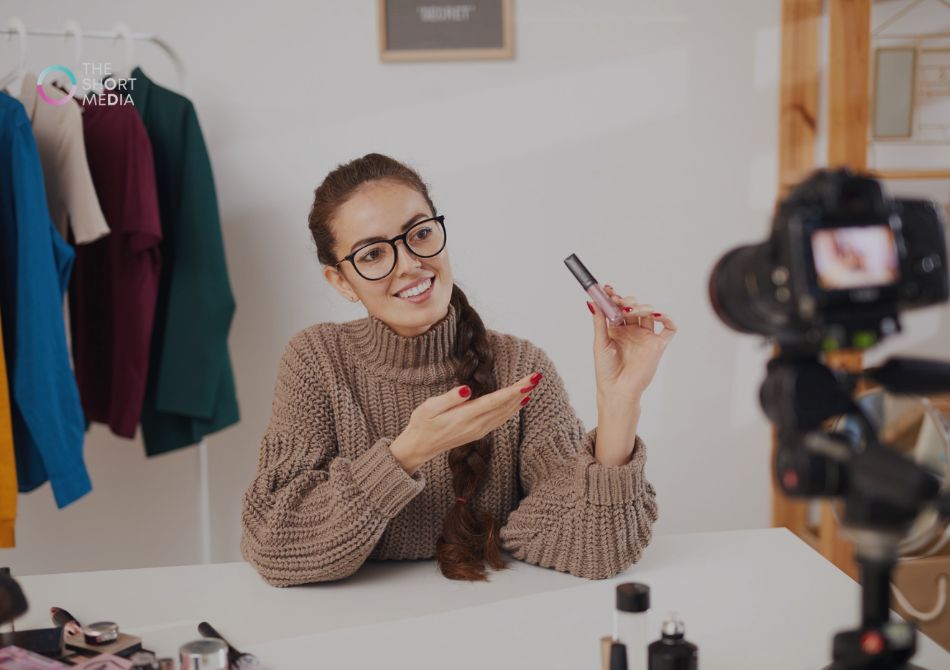
A few months ago, I watched a Bay Area wellness brand spend a small fortune on polished vertical video. Nice lighting, clean edit, founder on-camera, all the expected talking points. It looked expensive. It also felt expensive, which was the problem. Meanwhile, a scrappier video shot on an iPhone in someone’s apartment kitchen — product on the counter, slightly awkward voiceover, comments turned on — pulled stronger watch time and a much healthier CPA.
That’s pretty much Tiktok San Francisco in a nutshell.
It’s a market full of smart teams, overbuilt strategy decks, fast-moving trends, and audiences with a very sharp radar for anything that feels staged. If you’re trying to grow on TikTok in San Francisco, or sell into the broader USA market from here, you’re not just competing with other brands. You’re competing with creators, startups, local restaurants, AI tools, beauty founders, fitness coaches, and random people who happen to be more interesting than your ad.
That sounds harsh. It’s also useful.
Why Tiktok San Francisco feels harder than other markets
San Francisco brands usually don’t have a creativity problem. They have an overthinking problem.
A lot of teams here are used to polishing everything before it goes live. Legal checks it. Brand checks it. Paid social wants six hooks, three CTAs, and a clean attribution setup. By the time the video is approved, the sound is old, the joke is dead, and somebody else already posted the version that felt natural.
That’s why digital marketing tiktok work in this market has to be a little looser than some teams are comfortable with. Not sloppy. Just less corporate.
I’ve seen this with DTC skincare, packaged food, home organization products, even local service businesses. A founder wants “premium” content, but the audience wants proof. Show the texture of the serum. Show the meal kit after somebody actually cooks it. Show the shelf installation going wrong before it goes right. Comments will tell you very quickly what people believe and what they don’t.
And in Tiktok San Francisco, those comments are often smarter than the landing page.
The brands that do well usually stop acting like brands
This is the part some teams resist.
The strongest performers in digital marketing tiktok aren’t always the ones with the biggest budgets. They’re usually the ones willing to let the platform shape the creative. That means creator-led content, rougher edits, faster testing, and a tolerance for things being a little imperfect.
A beauty brand selling in Sephora might get more traction from a creator filming “I thought this was overhyped but…” than from a perfectly lit founder manifesto. A food brand launching into Whole Foods might see stronger conversion from a “three ways I actually use this” kitchen demo than a glossy product montage. I’ve seen an Amazon home product get buried with studio content, then suddenly move once someone filmed a very ordinary before-and-after in a cramped laundry room.
That’s where a good tiktok marketing agency can help, honestly. Not because agencies are magical, but because someone needs to protect the work from becoming too polished. The irony is real: sometimes the job is stopping the brand from sanding off the useful parts.
What smart digital marketing tiktok teams actually focus on
The teams that make TikTok work tend to care about a few practical things.
First, volume matters. Not junk volume. Testing volume. You need enough creative in market to learn something beyond “this one did okay.” In digital marketing tiktok, one decent video doesn’t give you a strategy. It gives you a hint.
Second, comments are research. Better research than a lot of survey decks, frankly. If people keep asking whether a supplement tastes chalky, whether a cleaning tool actually works on pet hair, or whether a fitness app is beginner-friendly, that’s not noise. That’s messaging you missed.
Third, creators need room to sound like themselves. This one gets butchered all the time. A brand sends a script that reads like compliance wrote it, then wonders why the video lands flat. You can almost hear the creator trying not to sound robotic. And viewers can definitely hear it.
A seasoned tiktok marketing agency will usually push for talking points instead of line-by-line scripts. That change alone can improve performance. A creator who speaks naturally, even if they stumble a little, often beats the one who sounds like they memorized a brochure.
Tiktok San Francisco and the local advantage brands forget to use
There’s also something specific about Tiktok San Francisco that national brands miss: local texture works.
Not every video needs a Golden Gate Bridge shot, obviously. But San Francisco and the Bay Area have recognizable habits, references, and settings that make content feel grounded. A coffee brand filming in an actual Mission apartment kitchen. A fitness studio showing a 6:30 a.m. class before everyone heads to Caltrain. A home product brand talking about small-space storage in a real SF apartment instead of a giant staged loft. That stuff lands because it feels lived-in.
For local businesses, this gets even more practical. A med spa, restaurant group, dental office, or boutique fitness brand can use digital marketing tiktok to answer the exact objections people have before booking. Parking. Price. Wait times. What the inside actually looks like. Whether it feels intimidating. A lot of local service content fails because it tries to look “luxury” instead of useful.
And if you’re hiring a tiktok marketing agency, ask whether they understand local nuance or if they’re planning to run the same generic creator brief they use for every city.
Paid media helps, but weak creative still gets exposed
There’s always a moment when a brand decides the answer is just more spend.
Sometimes that works. Usually for a week.
Paid amplification absolutely matters in digital marketing tiktok, especially when you’re trying to scale a winner, support a retail launch, or push an offer with a tight window. But weak creative gets exposed fast. You can force impressions. You can’t force interest.
I’ve watched brands put paid behind videos with all the “right” ingredients — hook, benefit stack, CTA, social proof — and still miss because the content felt like ad math. Then a simpler video wins because the creator actually seemed mildly annoyed by the problem and relieved by the fix. Much more believable.
A strong tiktok marketing agency should be able to separate creative testing from media ego. Not every underperforming ad needs a new audience strategy. Sometimes the first three seconds are just boring.
The creator piece is messier than most brands expect
A lot of Tiktok San Francisco campaigns depend on creators, and that’s usually the right call. But creator work is rarely tidy.
Some creators are great on camera and weak at selling. Some are strong sellers and terrible at following a brief. Some nail the first hook and then drag the middle. Some are perfect for organic and wrong for paid. You learn this by doing the work, not by staring at follower counts.
For digital marketing tiktok, I’d take a mid-sized creator with sharp instincts over a bigger one who posts beautiful but generic content. Especially in categories like beauty, food, fitness, and home products. The creator who can casually mention the weird smell, the shipping delay, the texture issue, or the setup time — and still make the product feel worth trying — is usually more valuable than the one who only knows how to praise.
That’s another place a tiktok marketing agency earns its keep: sourcing creators who can sell without sounding like they’re selling.
What winning looks like, realistically
Winning on TikTok in this market doesn’t always mean virality. Honestly, virality can be distracting.
For some brands, winning means finding three repeatable creative angles that keep CAC within range. For a local business, it might mean consistent inbound leads from content that answers real questions. For a retail brand, it could mean moving product in specific stores after a burst of creator content and paid support. For an Amazon seller, it might just mean finally finding demos that don’t look like they came from a listing page.
That’s the more useful way to think about Tiktok San Francisco. Not as a trend machine, but as a place where audiences are quick to scroll past anything that feels overworked.
And yes, that can be frustrating. It’s also why the brands that get it right tend to build stronger creative habits everywhere else.
FAQs
1. Do San Francisco brands need a different TikTok strategy than brands in other US cities?
A different tone, usually. Audiences here tend to pick apart polished messaging faster, especially in tech-adjacent and wellness categories. You can still run national creative, but content with local texture and a little less corporate varnish often performs better.
2. How often should a brand post on TikTok?
More often than most internal teams want to hear. A few times a week is a decent starting point, but if you’re serious about learning, you’ll need enough output to test hooks, formats, creators, and offers. Posting once every ten days and calling it a strategy… not really.
3. Is it better to hire a tiktok marketing agency or keep it in-house?
Depends on what’s broken. If your team can produce quickly, work with creators well, and read performance data without panicking, in-house can work. A tiktok marketing agency helps when approvals are slow, creative is too polished, or nobody internally has time to manage iteration.
4. What kinds of brands tend to do well with digital marketing tiktok?
Beauty is still strong, obviously, but I’ve seen solid results in food, fitness, home products, pet brands, personal care, local services, and even less flashy categories like cleaning tools. The common thread isn’t category. It’s whether the product can be shown clearly and talked about like a real person uses it.
5. Do you need creators, or can a brand just post from its own account?
You don’t always need creators, but they help a lot. Founder-led and employee-led content can work well if the people on camera are comfortable and specific. If every brand video sounds like it came from the same internal script, creators can loosen things up.
6. How much does paid media matter on TikTok?
Quite a bit once you have creative worth scaling. Paid can help you move faster, support launches, and get more mileage from strong content. But if the video itself is stiff, spend won’t rescue it for long.
7. What’s the biggest mistake brands make with TikTok creative?
Over-directing creators. Close second: joining a trend too late and pretending it’s still fresh. I’ve seen brands finally approve a trend-based video after two weeks, and by then it just feels like someone’s uncle discovered the joke.
8. Can local businesses in San Francisco actually get customers from TikTok?
Absolutely, especially if the service has friction people want clarified before they book. Show the experience, answer the awkward questions, and make the place feel approachable. That tends to work better than trying to look fancy.
9. How do you know if your TikTok content is actually working?
Don’t just look at views. Watch time, hold rate, saves, comments, click-through, CPA, and even the quality of comments matter more. If people keep saying “wait, this actually solves that?” you’re probably onto something useful.