

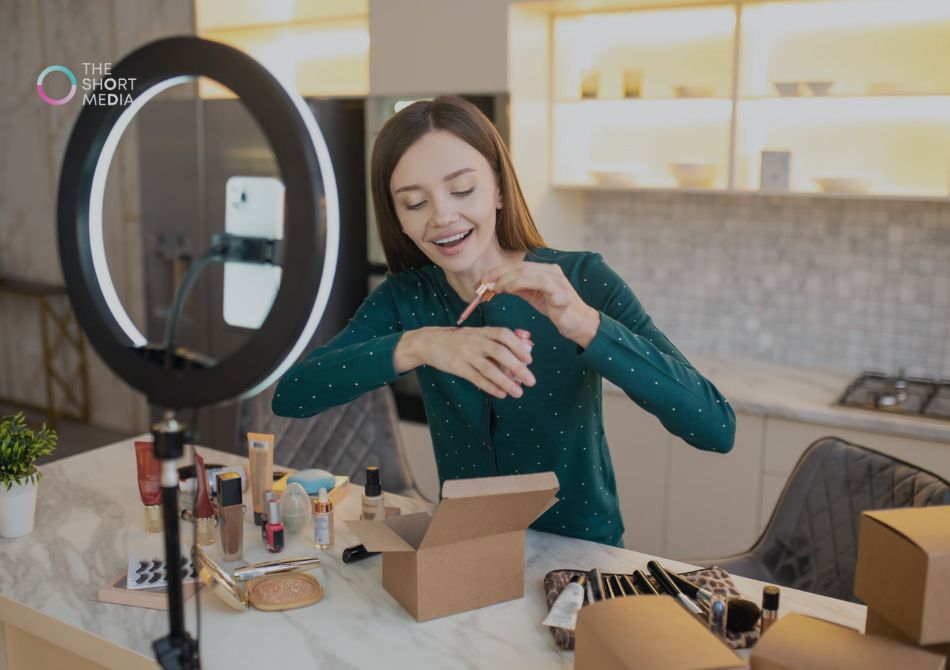
A few months ago, I watched a US beauty brand spend real money on a polished TikTok launch video that looked like it belonged on Hulu. Nice lighting, clean set, perfect edit. It flopped. A creator-style clip filmed in a messy bathroom, with someone complaining that the pump was hard to open the first time, sold more product in two days.
That’s TikTok commerce in the US right now. Not random, exactly. But definitely less forgiving than a lot of brand teams expect.
The next phase of TikTok commerce isn’t just about posting more often or throwing budget behind Spark Ads. It’s about getting tighter on creator selection, product-market fit, comment mining, fulfillment, and the weird little details that decide whether someone buys in-app or keeps scrolling. If you’re a US brand trying to build a real sales channel here, not just a campaign spike, you need a different operating model.
That’s usually where a TikTok e-commerce agency earns its keep. Not by making everything look trendier. By helping brands stop treating TikTok Shop like a side project.
TikTok commerce is getting less forgiving
A year ago, some brands could get decent results just by being early. Put a discount on a product, send samples to a few creators, run some paid traffic, and see what happens. That window has narrowed.
Now the US market is more crowded, creators are more selective, and shoppers are a little savvier. They’ve seen enough low-effort product clips to scroll past anything that feels stiff, over-scripted, or late to the party. You can spot it fast: the creator hits every talking point in order, smiles at the exact wrong moment, and sounds like they’re reading terms and conditions. Dead on arrival.
That matters for TikTok shop marketing US efforts because the platform is rewarding content that feels native to how people actually use the app. Not “native” in the fake agency sense. Native as in: would this survive in someone’s feed next to a chaotic meal prep video, a creator ranting about dry shampoo, and a guy reviewing Costco frozen dumplings from his car?
A lot of brands still haven’t adjusted.
The brands that do well are building for commerce, not just content
There’s a difference between a brand that can post on TikTok and a brand that can sell on TikTok.
I’ve seen DTC home product brands get excited because one video hit 400,000 views, then realize it barely moved units. On the other hand, I’ve seen a kitchen demo for a cleaning product — literally shot near a sink with bad overhead light — generate comments full of buying intent because it answered the exact objection the PDP missed. People wanted to know if it worked on grout, not marble countertops in a styled loft.
That’s where TikTok shop services start to matter. Good teams aren’t just making videos. They’re connecting content with offer structure, creator briefs, affiliate activation, product page fixes, shipping expectations, and ad amplification.
The next evolution of commerce on TikTok in the US will favor brands that can do a few things at once:
– Seed creators consistently, not in one big burst
– Turn comment sections into messaging inputs
– Match inventory planning to content velocity
– Build landing and shop experiences around impulse behavior
– Know when to push a winner and when to leave it alone
Simple on paper. Messy in practice.
Why a TikTok e-commerce agency can see problems earlier
Most in-house teams are already stretched. Paid social owns spend. Social owns posting. Influencer owns creator outreach. E-commerce owns conversion. Customer service sees the complaints. Nobody fully owns the gap between the video and the sale.
A solid TikTok e-commerce agency usually does.
That matters when you’re dealing with TikTok shop marketing US campaigns, because friction shows up in places most teams don’t check fast enough. Comments will tell you the shade range is confusing. Creator content will reveal that the product instructions are too long. Live shopping data might show that one bundle sells far better when demonstrated by a fitness coach than by a lifestyle creator. Small stuff, but not really small.
I worked with a food brand where the comments kept asking if the product was actually spicy or just “white people spicy,” which, honestly, was more useful than the official customer survey language. We changed the creator briefing and product positioning around that. Sales got cleaner after that because expectations were clearer.
That kind of adjustment is the real work. Not trend-chasing for the sake of it.
TikTok shop marketing US teams need a creator bench, not a few favorites
A lot of US brands over-rely on two or three creators who performed once. Fair enough. It’s comforting to have known winners. But the next stage of TikTok shop marketing US is going to belong to brands with deeper creator pipelines.
Not every creator should be your “face of brand.” Some are there to convert cold audiences. Some are there to make the product look easy to use. Some are there to make it feel normal to buy. Different job.
For example:
A supplement brand might need one blunt gym creator who talks about taste and ingredients without sounding coached, plus a working-mom creator who shows how the product fits into a rushed morning. Same SKU, different sales angle.
A retail launch in the US might need local creators near store locations, not just national reach.
An Amazon-heavy brand moving into TikTok Shop may need creators who can explain why buying in-app is worth it, especially if shoppers are used to Prime delivery and easy comparison.
This is where TikTok shop services often outperform piecemeal freelancer management. The process matters: sourcing, briefing, whitelisting, usage rights, performance review, replacement creators when someone misses deadline — because they will.
The operational side is about to matter more than brands want to admit
TikTok commerce conversations love content. Fine. But operations quietly decide whether the channel scales.
If a product goes semi-viral and fulfillment slips, that pain doesn’t stay hidden. It shows up in comments, creator DMs, and return rates. If your bundles are confusing, conversion drops. If your live offers don’t match what users saw in creator content, trust gets weird fast.
That’s why many brands look for TikTok shop services that go beyond creative. They need support with catalog setup, affiliate program structure, live shopping coordination, reporting, and offer testing.
And for US brands specifically, expectations are high. Shoppers are used to fast shipping, clear discounts, and easy returns. A home gadget brand can get away with rougher creative than rougher fulfillment. Usually not the other way around.
What the next year will probably reward
I don’t think the winners will necessarily be the loudest brands or the ones posting the most. More likely, it’ll be the teams that get boring things right while staying flexible on creative.
A TikTok e-commerce agency that understands US consumer behavior will usually push brands toward a few habits:
Treat comments like conversion research
Some of the best copy fixes come straight from comment threads. A skincare brand may discover people are confused about when to use a product. A pet brand may learn buyers care more about smell than ingredients. That should shape the next 20 videos, not sit in a report nobody reads.
Build content around proof, not polish
Studio content has its place, sure. But TikTok shop marketing US performance often improves when the demo feels lived-in. A protein pancake mix filmed in an actual apartment kitchen can beat a sleek food shoot because the buyer can picture making it before work.
Plan for paid and organic together
Not every organic hit should become an ad. Some fall apart the second they leave the feed context. But when a piece of creator content has the right hook, clean watch time, and comments that sound like buying objections getting resolved in real time, it’s usually worth testing.
Stop briefing creators like they’re reading ad copy
This one comes up constantly. If a creator sounds too perfect, performance usually drops. People don’t need chaos, but they do need some texture. A slight pause, a personal comparison, even a minor complaint can make the content more believable.
That’s part of why TikTok shop services can’t be reduced to “find influencers and post clips.” The nuance is in the execution.
US brands should prepare now, not after they miss the window
The brands that struggle most with TikTok commerce are often the ones waiting for certainty. They want a proven playbook, stable benchmarks, clean attribution, and a content formula they can hand to a junior coordinator.
That’s not really how this channel works.
You need testing volume. You need creators who don’t all look and sound the same. You need someone watching comments closely enough to notice when customers are telling you the sales page is missing something obvious. And you need tighter coordination between content, paid, operations, and merchandising than most teams are used to.
If that sounds like more than your internal team can carry, a TikTok e-commerce agency can help close the gap — especially one that actually understands TikTok shop marketing US and not just influencer marketing dressed up with new language.
The next phase of TikTok commerce in the US won’t reward brands for showing up late with prettier assets. It’ll reward the ones that can move fast, fix friction, and keep the content human enough to sell.
FAQs
1. What does a TikTok e-commerce agency actually do?
Usually more than brands expect. A good one handles creator sourcing, affiliate management, content planning, paid amplification, shop optimization, reporting, and often the messy in-between work that internal teams split across four departments.
2. How is TikTok Shop different from regular TikTok marketing?
The sale happens much closer to the content. That changes how you brief creators, structure offers, review comments, and measure success. A video with average views can still be a strong seller if the intent is there.
3. Do US brands need a big creator budget to make TikTok Shop work?
Not always. Mid-tier and smaller creators often perform better for commerce, especially in beauty, food, fitness, and practical home categories. I’d rather have ten believable demos than one expensive creator who sounds checked out.
4. What kinds of products tend to do well on TikTok Shop?
Products that demo clearly tend to have an easier start. Beauty tools, snacks, supplements, cleaning products, kitchen items, problem-solving home products. That said, I’ve seen “boring” products work when the creator angle is right and the offer is clean.
5. Are TikTok shop services worth it for established retail brands?
Often, yes. Retail brands usually have awareness already, but TikTok Shop introduces a different purchase path and a different content rhythm. The internal team may know brand marketing well and still need help with creator-led commerce.
6. How long does it take to see results from TikTok shop marketing US efforts?
Sometimes a few weeks, sometimes longer. Usually you’ll learn faster than you’ll scale. Early wins are useful, but the real signal comes from repeated creator performance, conversion trends, and whether you can keep producing content that doesn’t feel stale by month two.
7. Should brands use the same creators for organic, paid, and live selling?
Sometimes, but not automatically. A creator who makes strong short-form content may be awkward on live. Another might be great live and just okay in feed videos. Different skill set, honestly.
8. Can Amazon brands succeed on TikTok Shop in the US?
They can, but they need to adjust. Amazon listings and TikTok conversion behavior aren’t the same thing. Content has to do more of the selling upfront, and brands need a reason for shoppers to buy there instead of defaulting to Amazon out of habit.
9. What’s the most common mistake brands make?
Over-controlling the creative. Close second: treating TikTok Shop like a temporary channel experiment while expecting it to perform like a mature acquisition program. That usually ends with a lot of content, a lot of confusion, and not much else.