

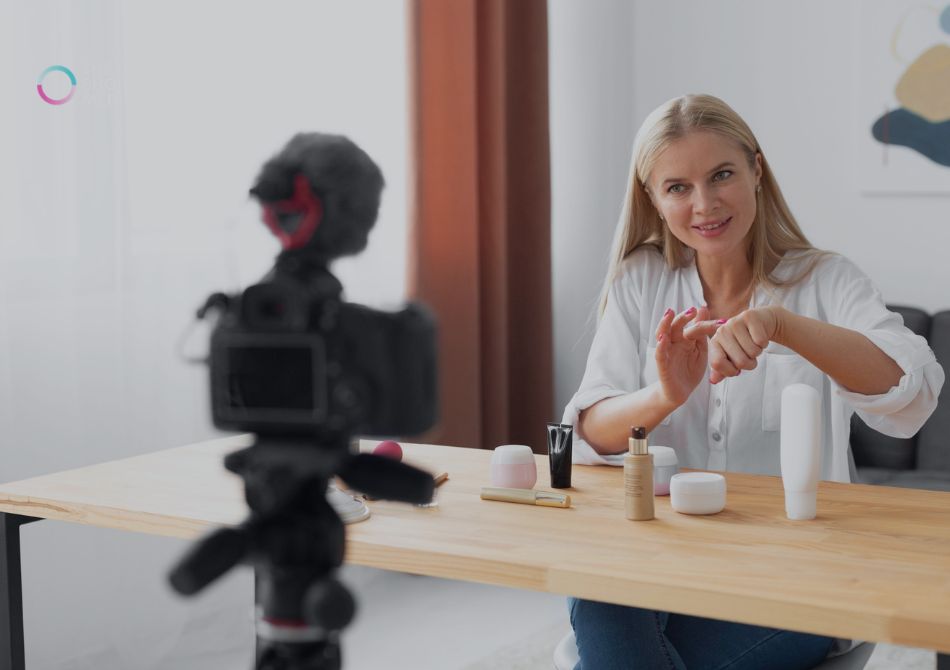
I’ve seen this more than once with US brands: a TikTok gets decent reach, the team moves on, and then somebody reposts a trimmed version to YouTube Shorts almost as an afterthought. A week later, that “extra” upload is pulling steadier views, better watch time, and comments that sound a lot closer to buying intent.
Not always. Plenty of recycled clips fall flat too. Usually for obvious reasons, if you’ve spent any time in the weeds with creator briefs and paid social cutdowns. The pacing is off. The first second feels borrowed from another platform. The creator sounds a little too rehearsed. Or the brand kept the TikTok watermark on and called it a strategy.
That’s really the issue. Repurposing isn’t just reposting. If you want TikTok footage to turn into something useful for youtube content creation, you have to edit for the way people actually watch Shorts.
Repurposing works, but lazy reposting usually doesn’t
A lot of teams treat short form content like interchangeable inventory. One vertical video goes everywhere. Same hook, same caption, same on-screen text, done.
Sometimes that’s fine for a quick test. But if you’re trying to build a real Shorts presence, especially for a beauty brand, food product, fitness offer, Amazon item, or local service, the differences start to matter fast.
TikTok often tolerates a messier opening if the vibe is right. YouTube Shorts can be less forgiving. On Shorts, I’ve watched a kitchen demo for a nonstick pan outperform a cleaner studio version because it got straight to the egg slide in the first second. No intro, no “hey guys,” no brand setup. Just proof.
That’s the mindset shift. Don’t ask, “Can we repost this?” Ask, “What part of this clip actually earns attention on YouTube?”
Where youtube content creation usually goes wrong
The biggest mistake is assuming a TikTok winner is automatically a Shorts winner. Sometimes a TikTok performs because the sound is trending, or because the comments turn into a little community event. That doesn’t transfer neatly.
A few common misses:
The hook starts too late
This happens constantly with creator content. The first two seconds are throat-clearing. A smile, a point at text, a scripted “I was influenced to buy this…” Meanwhile the useful part doesn’t show up until second four.
That’s survivable on TikTok. On Shorts, not so much.
For youtube content creation, I usually want the visual payoff or strongest claim almost immediately. A before-and-after split screen. The stain coming out of the rug. The protein yogurt actually looking edible. Something concrete.
The edit still feels like TikTok
You can feel when a brand joined a trend two weeks too late and then carried that stale energy over to YouTube. Same meme pacing. Same text placement. Same joke structure. It lands flat.
Shorts tends to reward cleaner utility, stronger sequencing, and a little less dependence on trend context. Not boring. Just less borrowed.
The CTA is wrong for the platform
TikTok CTAs often chase comments or profile clicks in a way that feels native there. Shorts viewers respond better when the ask fits the clip. “See full review in channel.” “Part 2 has the setup.” “Link in description for shades.” Subtle works better than sounding like a paid ad from 2021.
How to turn TikTok footage into better short form content
You don’t need to rebuild every video from scratch. But you do need to make choices.
Start by finding the actual reason the TikTok worked
Not the vanity metric answer. The real answer.
Was it the creator’s face? The product result? The pacing? A weirdly specific pain point? Comments are helpful here. They’ll usually tell you what landed and what didn’t. I’ve seen comments reveal objections the sales page completely missed—shade match concerns for a concealer, whether a mop head is machine washable, whether a pre-workout causes jitters.
That’s gold for short form content. Pull those objections into the next Shorts version.
If a TikTok about a countertop ice maker got comments asking how loud it was, the Shorts edit shouldn’t just repeat the original “look how cute this is” angle. Cut in the sound. Show the kitchen. Address the apartment-living concern directly.
Re-cut the first three seconds like they matter, because they do
This is where most of the lift happens.
For YouTube Shorts creator marketing, I’d rather have a blunt first second than a clever setup that takes too long. Show the result. Show the mess. Show the side-by-side. Then let the creator explain.
A good example: a DTC skincare brand had a TikTok with a creator talking to camera about texture and ingredients. Fine. On Shorts, the stronger version opened with the product pilling under foundation, then immediately showed the fix. Same footage, different order, much better retention.
Remove anything that feels overly scripted
You can spot it fast. The creator hits every talking point perfectly, the pauses are too clean, the delivery sounds approved by six stakeholders. It usually underperforms.
That matters in YouTube Shorts creator marketing because the platform still rewards some rough edges. Not sloppy editing for the sake of it. Just human texture. A slight stumble. A real apartment bathroom. A product demo filmed on a kitchen counter instead of a bright white set.
Some of the best-performing repurposed short form content feels like a person noticed something useful and filmed it before they forgot.
What to change before you repost
There are a few practical fixes that make a noticeable difference.
Adjust text for Shorts, not TikTok
TikTok-style text often sits too high, too busy, or too dependent on trend language. Rewrite it. Shorter lines. Cleaner hierarchy. More readable at a glance.
For youtube content creation, on-screen text should support the visual, not compete with it. If the product demo already explains itself, don’t cover half the frame with six lines of copy.
Rethink sound, don’t just carry it over
Trending TikTok audio can feel random on Shorts if the viewer doesn’t have the same context. Sometimes original voiceover works better. Sometimes light background audio is enough.
This comes up a lot in YouTube Shorts creator marketing for food and home products. Sizzle sounds, pouring shots, packaging clicks, vacuum suction noise—those can do more than a trendy sound ever will.
Clean up the branding
No watermark. No cluttered end card. No giant logo bug sitting on the product shot.
If it’s a retail launch, a local service promo, or an Amazon product push, keep the branding present but not heavy-handed. Shorts viewers don’t need a billboard. They need a reason to keep watching.
Repurposing for brands, creators, and paid teams
This is where YouTube Shorts creator marketing gets more interesting than people give it credit for. Shorts isn’t just an organic dumping ground for old TikToks. It can become a testing layer between creator content and paid usage.
Say you’re working with a US beauty brand launching in Target. You’ve got ten creator videos from TikTok. Instead of reposting all ten as-is, cut three Shorts angles:
– quick result-first demo
– objection-handling version
– shelf-context or retail-finding angle
Watch retention and comments. Then feed those learnings back into your paid edits.
Same for fitness gear, snack brands, cleaning products, or local med spas. The Shorts comments are often less chaotic than TikTok comments and a little more practical. People ask where to buy, whether it works on a certain hair type, whether the tool fits a small apartment. Useful stuff.
That feedback loop helps youtube content creation feel less like content recycling and more like content development.
A few formats that tend to travel well
Not every TikTok concept deserves a Shorts version. But these usually hold up:
Product demos with visible payoff
Cleaning sprays, hair tools, kitchen gadgets, organizers, posture devices. If the result is obvious, it’s a good candidate for short form content on Shorts.
Fast objection handling
“Does it leave a white cast?” “Will it fit under an airline seat?” “Can you use it on textured hair?” These are strong for YouTube Shorts creator marketing because they get right to the purchase friction.
Side-by-side comparisons
Drugstore vs prestige beauty, old vacuum vs new one, before-and-after pantry setup. Viewers don’t need much setup if the contrast is clear.
Local service proof clips
For dentists, med spas, gyms, home cleaning services, and realtors, a quick transformation or walk-through can work surprisingly well. Just don’t make it look like a local TV ad.
Don’t treat Shorts like a backup plan
That’s probably the part I’d stress most. Teams often put all the energy into TikTok and then use Shorts as overflow storage. Which is odd, because some of the cleanest creator-led product storytelling right now is happening there.
Good repurposing isn’t glamorous. It’s small decisions. Moving the reveal earlier. Cutting the dead air. Swapping trend text for something clearer. Pulling a real customer objection from comments. Letting a useful demo stay a little imperfect.
That’s how TikTok footage turns into stronger youtube content creation instead of just recycled assets.
FAQs
1. Do I need to reshoot TikTok videos before posting them as Shorts?
Usually not. A smart re-edit is often enough. Change the opening, clean up the text, remove platform-specific bits, and make sure the clip makes sense without TikTok context.
2. Can I upload TikTok videos with the watermark still on them?
I wouldn’t. It looks lazy, and it can hurt how the content feels to viewers even before you get into platform performance concerns.
3. What kind of TikTok videos tend to work best on YouTube Shorts?
Anything with a visible payoff tends to travel better than trend-dependent humor. Product demos, transformations, comparisons, and quick problem-solution clips are usually safer bets.
4. How short should a repurposed YouTube Short be?
A lot of strong ones land somewhere around 15 to 30 seconds, but there’s no magic number. If the payoff happens fast and the pacing stays tight, a longer Short can still work.
5. Does YouTube Shorts creator marketing work for smaller brands?
It does, especially if the product needs a quick visual explanation. Smaller brands often do well when they stop trying to look overly polished and just show the thing working in a believable setting.
6. Should creators change how they speak for Shorts?
A little. Not fake, just tighter. The creator who reads a script too perfectly usually loses people faster than the one who sounds like they’re talking to a friend while making coffee.
7. Is short form content enough on its own to drive sales?
Sometimes it nudges, sometimes it closes, depends on the product. Lower-cost beauty, food, and Amazon-friendly items can convert pretty directly. Bigger purchases usually need the Short to do the first part of the job.
8. How many TikTok videos should I repurpose each week?
Start with a handful, not your whole backlog. Pick the clips with clear proof, strong comments, or obvious objections to answer, then build from what actually holds attention on Shorts.
9. What should I look at besides views?
Retention, replays, comments, saves if available, and whether viewers ask useful buying questions. A video with fewer views but better comment quality can be more valuable than a broad, empty spike.
10. Can local businesses use this approach too?
Absolutely. A US-based med spa, roofer, trainer, or cleaning company can get a lot out of simple, honest Shorts. Before-and-after clips, quick walkthroughs, and “here’s what people always ask us” videos tend to be more effective than stiff promos.