

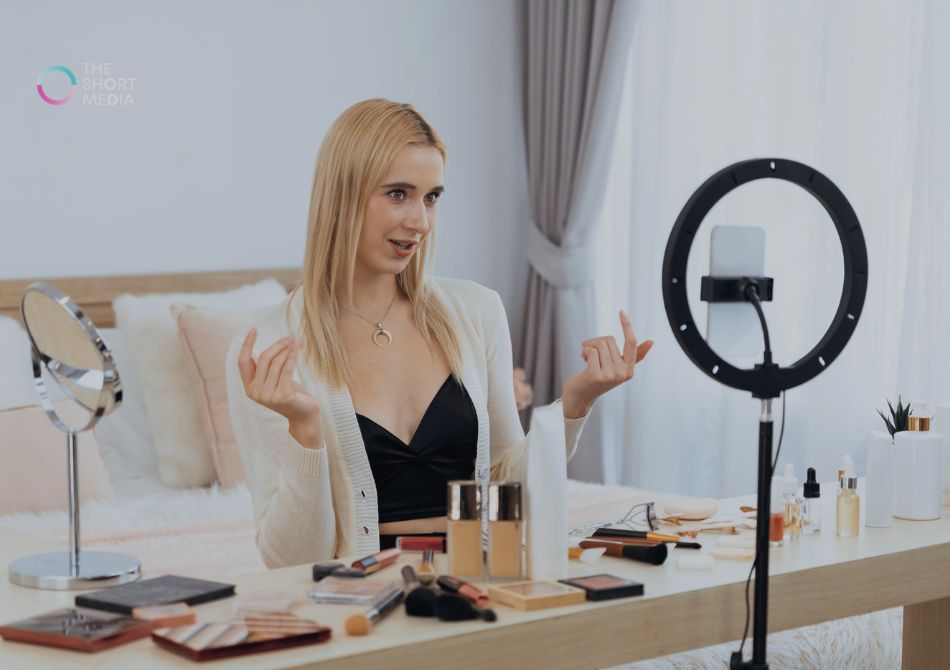
I’ve seen luxury teams spend $40,000 on a glossy video shoot, cut it into TikTok-sized edits, post it with a trending sound, and then act surprised when it lands with a thud.
Not because the product was bad. Usually the product was great. The problem was the content still felt like an ad somebody had politely cropped for a vertical feed.
Luxury on TikTok is awkward for a lot of brands at first, especially in the US market where the platform moves fast and shoppers can smell overproduction in about half a second. A handbag brand wants control. A skincare founder wants pristine visuals. A premium home brand wants everything color-matched, lit perfectly, approved by six people. TikTok doesn’t always reward that.
That doesn’t mean luxury can’t work there. It absolutely can. But TikTok brand marketing for premium products looks different from what many brand teams expect.
Luxury brands don’t need to act casual. They need to act native.
There’s a difference.
A lot of marketers hear “TikTok” and immediately think they need to be goofy, trend-chasing, overly self-aware, maybe even a little chaotic. That’s usually where things go sideways. A luxury brand doesn’t need to dance, force memes, or pretend it’s a Gen Z intern with a ring light.
What it does need is content that feels like it belongs on the platform.
For a luxury fragrance brand, that might mean a creator filming a close-up texture shot on a bathroom counter in natural light, then talking through why the scent feels expensive without reading from a script. For a premium kitchenware brand, it might be a chef using the pan during an actual dinner prep, not a studio demo with floating herbs and dramatic music. I’ve watched a product demo filmed in a real kitchen outperform the polished launch asset by a wide margin. Not a little. A lot.
That’s the first adjustment in TikTok brand marketing: stop trying to preserve the exact visual language of print, retail, or even Instagram. Keep the brand standards, sure. Lose the stiffness.
What a TikTok branding agency gets right for premium brands
A good TikTok branding agency usually understands something internal teams struggle with: luxury buyers still want context.
They want to see how the item fits into a life, not just a mood board.
This matters whether you’re selling fine jewelry, premium supplements, designer home goods, or high-end beauty. The content has to answer practical objections without sounding practical in a cheap way. That’s the balance. A serum can still look elevated while showing texture, wear, and how it layers under makeup. A luxury robe brand can still feel premium while showing the fabric after washing, how it falls on different body types, where it bunches at the sleeve.
Comments often tell you what your landing page missed. I’ve seen people ask if a $180 candle actually throws scent in a large room, whether a premium blazer wrinkles in carry-on luggage, whether a luxury hair tool works on thick textured hair. Those aren’t annoying questions. That’s the creative brief.
A strong TikTok branding agency will build around those signals instead of treating them like customer service cleanup.
TikTok brand marketing works better when the product earns the attention
This is where luxury has an advantage, actually.
Premium products often have details mass-market brands would love to show if they had them: stitching, finish, packaging, craftsmanship, ingredient quality, sourcing, fit, weight, hardware, refill systems. The issue isn’t lack of material. It’s that many teams present those details too formally.
TikTok likes evidence. Not polished claims. Evidence.
If you’re launching a luxury lip product in the USA, don’t just post campaign footage and say it’s richly pigmented. Show one swipe on three skin tones in the same video. If you’re selling a premium espresso machine, show the crema, the sound, the setup time, and yes, the mess on the counter too. If you’re marketing a high-end mattress topper, show a real bed in a real apartment, not a set that looks like no one has slept there in years.
That kind of creative tends to feel more expensive, not less, because it lets people inspect the product.
The role of a TikTok creative agency when luxury content starts feeling too safe
A lot of luxury brands don’t fail on TikTok because they’re too premium. They fail because the content gets over-edited by committee.
You can usually spot it. The creator sounds like they memorized every line. The hook is technically correct but weirdly lifeless. The brand joins a trend about two weeks too late, after legal and compliance finally approve it. Someone insists on adding a tagline that no normal person would ever say out loud.
This is where a TikTok creative agency can help, especially one that’s worked with premium or aspirational brands before. Not because agencies magically understand culture better, but because they can protect the content from being sanded down into something forgettable.
A solid TikTok creative agency will often push for looser creator direction, faster iteration, and more scenario-based content. Instead of “talk about our craftsmanship,” they’ll brief creators with something like: show what made you pause when you unboxed it, mention the part that surprised you, and compare it to the version you used before.
That’s a much better setup.
Creator fit matters more than follower count
Luxury brands still get seduced by reach. I get it. Big numbers calm nervous stakeholders.
But on TikTok, a mid-sized creator with the right tone usually does more for a premium product than a giant creator doing a one-off mention between unrelated posts. Especially in beauty, fashion, wellness, and home categories.
For example, a US-based creator who regularly posts “quiet luxury” outfit reviews, boutique hotel stays, or high-end skincare empties can make a premium product feel naturally placed. A fitness creator who usually talks about marathon training and recovery might be a stronger fit for a luxury wellness device than a celebrity-adjacent lifestyle account with millions of followers and no real credibility in the category.
A TikTok branding agency worth hiring will screen for this kind of alignment. Not just demographics. Tone, comment quality, camera presence, whether the creator can improvise without sounding sloppy. There’s a difference between authentic and underprepared.
And honestly, creators who read a script too perfectly tend to tank performance. The audience hears the brand voice before they hear the person.
Luxury doesn’t need constant posting. It needs a usable content system.
This part gets ignored.
Some luxury teams assume TikTok success means posting three times a day forever. That’s not realistic for most brands, and it’s not necessary. What helps more is building a repeatable system for content you can actually sustain.
That might include:
– founder or designer commentary
– creator demos
– behind-the-scenes product details
– customer objection videos
– retail launch coverage
– lifestyle use cases
– paid social cutdowns from top organic performers
A TikTok creative agency can help structure that pipeline so your organic team, paid social team, and creator partnerships team aren’t all making separate content that never informs each other.
Because that happens a lot. One team learns that “how it wears after six hours” drives saves. Another learns that unfiltered bathroom lighting outperforms studio edits. And none of that gets shared.
TikTok branding agency support is often most useful before paid spend scales
Luxury brands often want to jump straight to polished ad creative. Fair enough. But if the message hasn’t been pressure-tested organically or through creator whitelisting, you’re often paying to distribute assumptions.
A TikTok branding agency can help identify which hooks actually hold attention before media dollars get serious. Maybe the audience responds to craftsmanship. Maybe they care more about durability. Maybe the thing they keep commenting on is giftability, not the feature your internal team thought mattered most.
I’ve seen a premium food brand push heritage messaging while comments kept focusing on portion size and packaging quality. A home product brand wanted to lead with design awards; TikTok viewers cared more that the item solved a very annoying storage problem in small city apartments.
That’s useful information. Expensive if you ignore it.
What actually works in TikTok brand marketing for luxury
The brands that do well tend to get a few things right.
They keep the product at the center. They show proof instead of writing expensive-sounding captions. They work with creators who already know how to speak to a premium audience. They stop treating TikTok like a downgraded version of a campaign shoot.
Most of all, they accept that luxury on TikTok isn’t about acting less premium. It’s about being easier to believe.
That’s really it.
FAQs
1. Do luxury brands need to follow TikTok trends to perform well?
Not really. Forced trend participation usually looks worse for luxury brands than skipping the trend entirely. It’s better to borrow platform behaviors — quick hooks, direct language, real-world footage — without trying to mimic every meme format.
2. Should luxury brands use influencers or smaller creators?
Usually a mix, but smaller creators often carry more weight than people expect. If they have the right audience and a believable point of view, they can make a premium product feel desirable without making it feel overexposed.
3. Is polished production always a bad idea on TikTok?
No, just not by itself. High production can work when it’s paired with content that still feels watchable in-feed. A beautiful video with no real point tends to get scrolled past pretty fast.
4. What does a TikTok creative agency actually do for a luxury brand?
The good ones shape concepts that fit the platform, brief creators properly, review what’s working, and help turn those learnings into both organic and paid content. They also save brands from posting things that look expensive but feel dead.
5. How often should a luxury brand post on TikTok?
Consistency matters more than volume. For many premium brands, 3 to 5 strong posts a week is more useful than posting constantly with filler content. If the team can only make one or two good videos a week at first, fine. Start there.
6. Can TikTok really work for high-ticket products?
Yes, but the content has to reduce uncertainty. People may discover a $300 skincare device or a $1,200 bag on TikTok, but they still want to inspect it from every angle first. That’s where creator demos, comments, and follow-up videos do a lot of heavy lifting.
7. When should a brand hire a TikTok branding agency?
Usually when the internal team keeps repurposing existing assets and calling it a TikTok strategy. Or when paid performance stalls because the creative all feels too controlled. That’s often the moment outside help starts paying for itself.
8. What categories tend to do well with TikTok brand marketing in luxury?
Beauty does well. So do fragrance, fashion accessories, premium food, home products, and some wellness categories. Even local luxury services can work if the content shows the experience clearly instead of hiding behind vague “elevated” branding language.
9. Is it okay if luxury TikTok content feels a little less polished?
Honestly, it probably should. Not sloppy. Just human enough that someone believes it was made for the platform and not reluctantly adapted after the campaign shoot was over.