

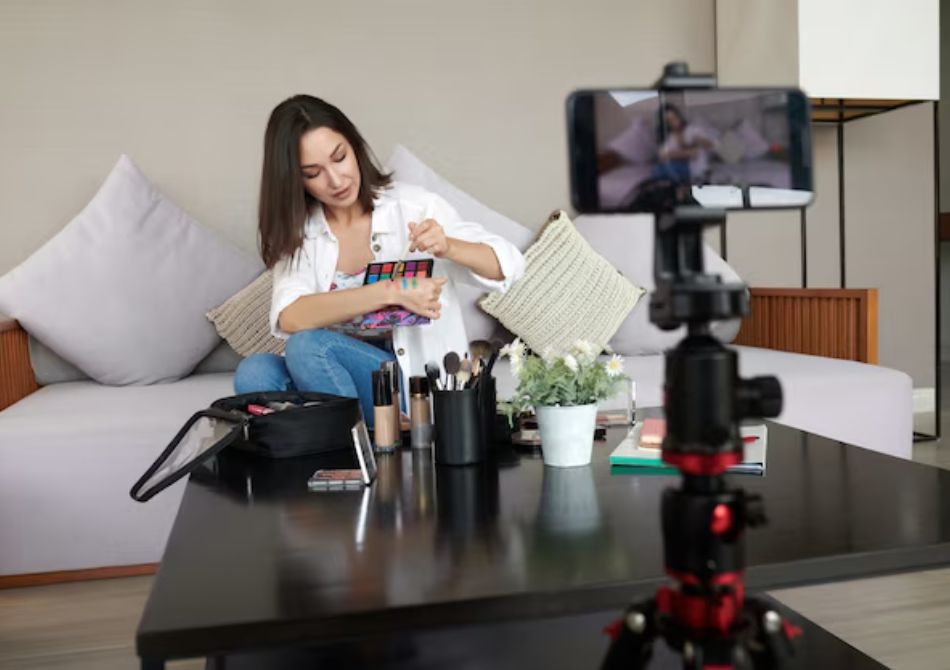
TikTok influencer marketing in the United States works fundamentally differently from traditional influencer partnerships on platforms like Instagram or YouTube. Rather than polished photos or long‑form reviews, TikTok thrives on native creator content, short‑form storytelling, and community participation. Influencer marketing on TikTok is not simply about reaching a large audience — it’s about engaging a highly responsive, trend‑driven community with content that feels authentic and culturally relevant.
For this reason, many brands partner with a TikTok influencer agency to navigate the platform’s distinct ecosystem. Agencies specialising in TikTok understand how to identify the right creators, structure campaigns that align with trending formats, manage partnerships, and measure performance against business outcomes. Rather than seeing TikTok influencers as one‑off promotions, successful campaigns treat them as strategic assets woven directly into the brand’s broader influencer marketing TikTok strategy.
The unique dynamics of TikTok — where a video from a lesser‑known creator can go viral overnight, and users expect entertaining, relatable content — require a thoughtful and systematic approach. In the sections that follow, we’ll explain what influencer marketing looks like on TikTok, break down the types of TikTok influencers, describe how brands run successful campaigns, explain the role of specialised agencies, and illustrate these principles with a publicly documented case study from a major US brand.
What Influencer Marketing Looks Like on TikTok
TikTok influencer marketing stands apart from older social media marketing models because it is inherently native, participatory, and short‑form. Instead of inserting branded messaging into established formats, effective influencer campaigns on TikTok embrace the platform’s habits and behaviours — namely, creative expression, trend participation, and social sharing.
Native Creator Content
Native content refers to videos that feel like they belong on TikTok’s For You Page (FYP), not like adverts repurposed from other platforms. Influencers create this content in their own voice, using familiar editing techniques, trending audio, or visual styles that appeal to their followers. In contrast to traditional social media ads, native creator content does not interrupt — it blends seamlessly with organic user activity.
For US brands, this means working with creators who can embed product stories into formats users enjoy, rather than forcing overt commercial messaging that feels out of place. TikTok influencers excel at this because their content resonates with followers precisely because it feels personal and original.
Short‐Form Storytelling
TikTok’s short‑form video format — typically 1https://theshortmedia.com/0 to 30 seconds — places a premium on storytelling that is concise, compelling, and emotionally engaging. Influencers on TikTok are adept at telling mini narratives that can convey humor, utility, aspiration, or cultural relevance in a matter of seconds.
Short‑form storytelling on TikTok often includes elements such as visual hooks, expressive reactions, quick tutorials, or responses to trending challenges. When influencers incorporate a brand’s product into these narratives, they effectively position it within a broader context of entertainment or utility, rather than as a stand‑alone advertisement.
For US audiences — particularly younger generations such as Gen Z and Millennials — this approach aligns with their consumption habits. They are more likely to respond to content that entertains and informs, rather than straightforward promotional messaging. TikTok influencer marketing capitalises on that behaviour to build affinity and recall for brands.
Types of TikTok Influencers
Influencers on TikTok are categorised by the size of their audiences, but these tiers mean different things in terms of reach, engagement, and strategic value. Understanding the distinctions helps brands decide which partnerships best support their campaign goals.
Nano Influencers
Nano influencers typically have between 1,000 and 10,000 followers. Their strength lies in hyper‑personal engagement and tight‑knit communities. While they reach smaller audiences, their followers often trust their recommendations more deeply because interactions feel personal and relatable. Brands targeting niche communities or seeking authentic reviews often leverage nano influencers to generate grassroots awareness and engagement.
Micro Influencers
Micro influencers have between 10,000 and 100,000 followers. They strike a balance between reach and intimacy, often delivering high engagement rates and strong community trust. For many US brands, micro influencers are the backbone of influencer marketing TikTok campaigns because they can deliver both reach and credibility without the cost associated with larger creators. Their followers often view their content as genuine peer recommendations, which enhances conversion potential.
Mid‑Tier Influencers
Mid‑tier influencers usually boast 100,000 to 500,000 followers. At this level, creators offer broader reach while still maintaining meaningful engagement with their communities. Mid‑tier influencers are often used in campaigns that aim to balance visibility with authentic storytelling. They are particularly effective for brands with national ambitions that also want to avoid the expense — and sometimes lower engagement rates — of macro influencers.
Each influencer tier plays a unique role in a layered influencer marketing strategy. While nano and micro influencers can build deep engagement and trust, mid‑tier influencers can amplify those efforts to wider segments of the US audience. The choice of tier depends on campaign objectives, target demographic, and budget considerations.
How Brands Run Influencer Campaigns
Successful TikTok influencer marketing campaigns are not random collaborations. They involve careful planning, creator selection, content guidelines, and performance measurement.
Creator Selection
Choosing the right influencers is a strategic process, not a popularity contest. The key factors brands consider include audience alignment, content style, engagement metrics, past performance, and cultural relevance.
Audience alignment ensures that the influencer’s followers resemble the brand’s target demographic. For example, a beauty brand focused on Gen Z consumers may look for influencers whose followers skew younger and who regularly engage with beauty‑related content. Engagement metrics — such as comments, shares, and completion rates — often matter more than follower count because they indicate real audience interaction and influence.
Content style is also crucial. Brands seek creators whose tone, aesthetics, and storytelling align with their values and messaging. This ensures that promotional content feels natural to the creator’s audience and avoids jarring branded transitions that may reduce engagement.
The selection process can be complex, which is why many brands work with a TikTok influencer agency to source, evaluate, and negotiate partnerships that maximise both relevance and ROI.
Content Guidelines
While influencers bring their own creative voice to campaigns, brands typically provide content guidelines to ensure messaging consistency, legal compliance, and alignment with campaign goals. These guidelines strike a balance between brand safety and creative freedom.
A good guideline set covers brand positioning, required messaging points, call‑to‑action directives, and disclosure requirements (such as #ad or #sponsored indicators required by the FTC). At the same time, it avoids rigid scripts that stifle the influencer’s natural style. The most effective campaigns allow creators to interpret brand briefs in ways that feel authentic to their audience — a fundamental principle of influencer marketing TikTok success.
Role of a TikTok Influencer Agency
Many brands partner with a TikTok influencer agency to manage the end‑to‑end execution of influencer campaigns. Agencies specialise in navigating TikTok’s nuanced ecosystem, helping brands design, implement, and optimise campaigns with influencer partners.
Campaign Management
Campaign management includes vetting influencers, negotiating rates, managing contracts, coordinating deliverables, and scheduling content. Agencies often maintain relationships with creator networks across different verticals, enabling them to match brands with influencers whose style and audience perfectly suit the campaign’s goals.
Agencies also handle logistics such as content approvals, legal requirements, and delivery timelines. They ensure that campaigns are executed smoothly — reducing administrative overhead for in‑house teams and increasing the likelihood that the campaign is delivered on time and within budget.
Performance Tracking
Measuring the impact of influencer partnerships is critical to refining strategy and proving ROI. A TikTok influencer agency implements performance tracking systems that monitor engagement, reach, conversions, click‑throughs, and other campaign KPIs. These insights allow brands to understand which influencers and content formats deliver the strongest outcomes and inform optimisation for future campaigns.
Performance tracking also enables brands to attribute sales or conversions to influencer activities, providing a clearer picture of how TikTok influencer marketing contributes to broader business goals. Effective agencies use both native TikTok analytics and third‑party measurement tools to build comprehensive performance dashboards that guide strategic decisions.
Real Case Study: Chipotle’s #GuacDance Challenge
A widely cited real‑world example of successful influencer marketing TikTok in the USA is Chipotle’s “#GuacDance” challenge. The fast‑casual restaurant chain orchestrated a branded challenge around National Avocado Day that leaned heavily on influencers to spark participation and spread the campaign’s reach. Chipotle partnered with popular TikTok creators such as Loren Gray and others to kick‑start the challenge by posting videos dancing to the “Guacamole Song” and encouraging their audiences to join.
The campaign quickly gained traction. It generated an estimated 430 million video starts and 250,000 video submissions in just six days, making it one of TikTok’s highest‑performing branded challenges in the U.S. at the time. Most notably, Chipotle reported that this campaign became its biggest day ever for guacamole sales, using free guacamole on National Avocado Day as an incentive for participation.
What made this campaign stand out was its integration of influencer partnerships, community participation, and a simple, fun concept that aligned with TikTok’s culture. Influencers helped give the challenge initial momentum and credibility, while the challenge itself invited millions of users to create and share their own content — a hallmark of successful TikTok influencer marketing.
Conclusion
TikTok influencer marketing represents a transformative opportunity for US brands seeking to build awareness, engagement, and measurable outcomes in an increasingly digital, video‑centric world. The platform’s native content format, short‑form storytelling, and cultural vibrancy demand a specialised approach that differs fundamentally from traditional influencer models.
By understanding the distinct tiers of TikTok influencers — from nano to mid‑tier — and executing structured campaigns with careful creator selection and clear content guidelines, brands can tap into the platform’s unique dynamics. Partnering with a TikTok influencer agency further enhances campaign effectiveness by managing execution, tracking performance, and optimising influencer output over time.
Real cases like Chipotle’s #GuacDance challenge illustrate how influencer‑driven campaigns can capture cultural moments, spark mass participation, and deliver tangible business results. When influencers are integrated into a brand’s broader influencer marketing TikTok strategy rather than treated as isolated promotions, the payoff multiplies — creating trust, relevance, and reach that resonates with American audiences.
FAQs
- What distinguishes TikTok influencer marketing from other platforms?
TikTok influencer marketing focuses on native creator content and short‑form storytelling that aligns with the platform’s culture. Unlike static posts on other social platforms, TikTok influencer content blends entertainment and engagement, making it essential to prioritise authenticity and trend participation over traditional advertising formats. - How do brands choose the right influencer tier for their campaign?
Brands select influencer tiers based on campaign goals, audience alignment, and budget. Nano and micro influencers often deliver high engagement with niche audiences, while mid‑tier influencers provide broader reach with meaningful interaction. Campaign objectives — whether awareness, community building, or conversions — guide tier selection. - What role does a TikTok influencer agency play in campaign execution?
A TikTok influencer agency manages campaign logistics, creator vetting, contract negotiation, content coordination, and performance tracking. Agencies help streamline influencer partnerships and optimise outcomes by leveraging specialised expertise in TikTok’s content and analytics ecosystem. - Can influencer marketing on TikTok drive sales in addition to awareness?
Yes. Well‑executed TikTok influencer marketing can drive both awareness and measurable outcomes, including conversions. Campaigns that integrate clear calls to action, TikTok Shop integrations, or performance tracking frameworks can attribute sales directly to influencer activities. - What made Chipotle’s #GuacDance campaign successful on TikTok?
Chipotle’s #GuacDance campaign succeeded due to a simple, fun concept that encouraged user participation, combined with strategic influencer partnerships that helped launch the challenge. It generated hundreds of millions of views, thousands of user‑generated videos, and record guacamole sales by aligning with TikTok’s culture of creativity and engagement.