Short Media

How TikTok Is Changing Brand Trust Across the US

Brand Trust

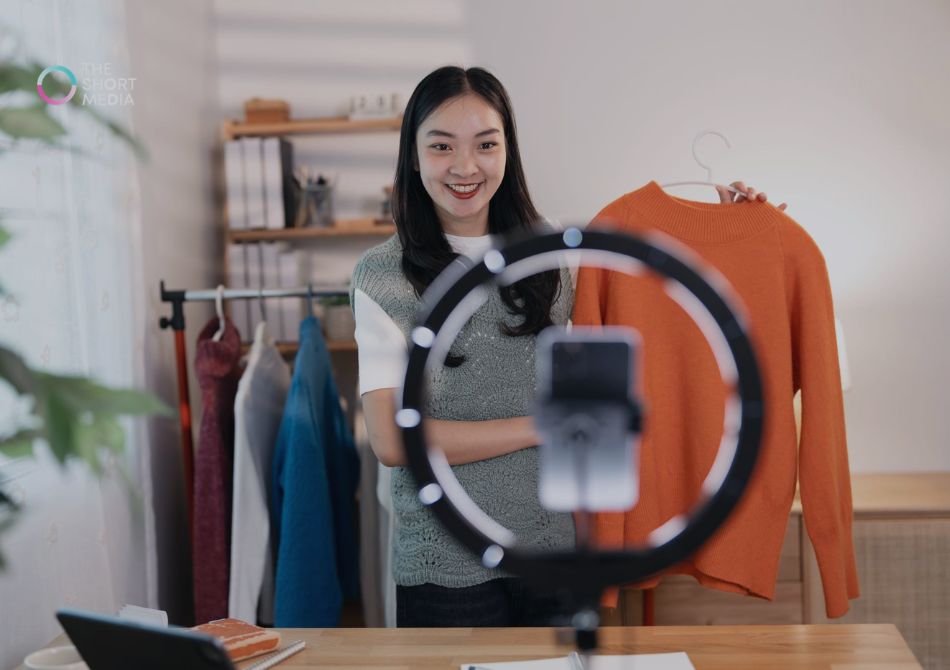
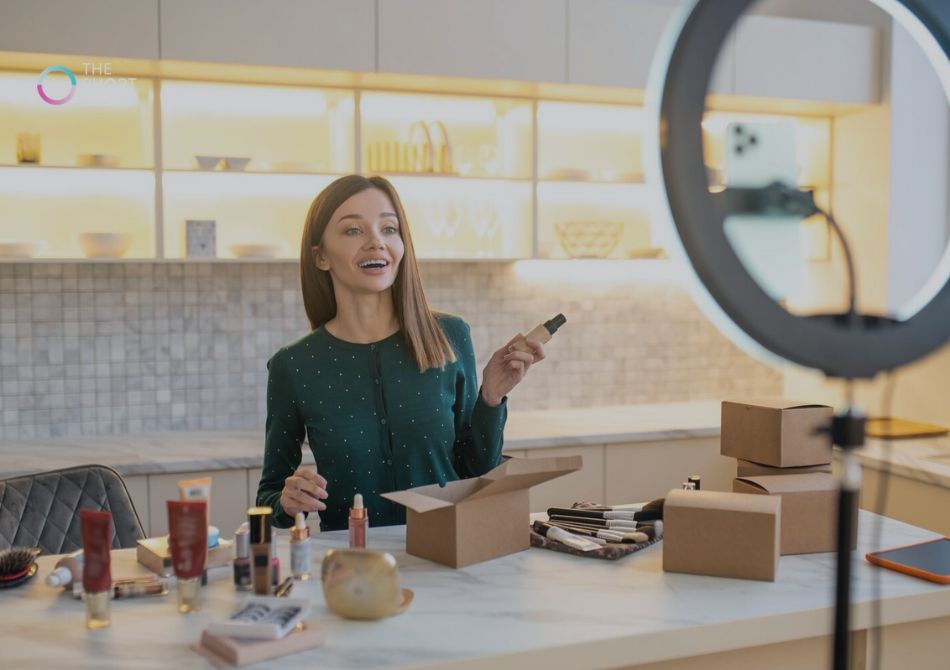
A skincare founder I know spent $18,000 on polished launch creative for a new moisturizer. Clean lighting, studio set, nice hands, all of it. Then a creator posted a 22-second TikTok filmed in her bathroom, half whispering because her kid was asleep, and that was the video people kept sending around. Not because it was prettier. Because it felt like an actual person had used the thing. That’s the part a lot of teams still wrestle with. Trust on TikTok doesn’t really come from looking established. It comes from looking believable. And that has made tiktok brand marketing a little uncomfortable for brands that are used to controlling every frame, every line, every comment. In the US especially, where consumers have endless options and a pretty sharp radar for anything that feels overproduced, TikTok has pushed trust into a messier, more public place. Trust looks different when the comments are doing half the work On older social platforms, brands could still get away with broadcasting. Nice visuals, tidy copy, maybe a few influencer posts around a launch. With marketing on tiktok, the comments often matter almost as much as the video itself. That’s where people ask if the leggings are squat-proof. If the protein powder tastes weird in coffee. If the “viral” kitchen gadget actually survives the dishwasher. And those questions aren’t side chatter. They’re part of the sales process. I’ve seen comments reveal objections a polished landing page completely missed. A home cleaning brand kept talking about scent and shine, while TikTok comments kept asking whether the formula was safe around pets. Once they started answering that directly in videos, performance improved. Not because they found some magical tactic. They finally addressed the thing people actually cared about. That’s one reason marketing on tiktok has changed how trust gets built. It’s less about claiming credibility and more about surviving public scrutiny in real time. The polished brand voice usually doesn’t travel well here A lot of brand teams enter TikTok with habits they picked up from Instagram, TV, retail launches, maybe Amazon listing content. They want consistency. They want approved messaging. Legal wants every line buttoned up. I get it. But on TikTok, a creator reading a script too perfectly can tank a video fast. You can almost feel viewers backing away. For tiktok brand marketing to work, brands often need to loosen their grip a bit. Not abandon standards. Just stop sanding off every human edge. A fitness brand in the US sent creators a rigid script for a resistance band campaign. Every video came back sounding like the same person in different apartments. The strongest-performing version was the one that ignored half the brief and showed the creator fumbling with the band setup before getting into the workout. A little awkward. Very normal. Comments loved it because it answered the exact concern new buyers had: “Is this annoying to use?” That’s what marketing on tiktok keeps rewarding—proof over polish. Creator trust is useful, but borrowed trust expires fast Some brands treat creators like rented credibility. Pay for a few posts, get some social proof, move on. Sometimes that works for a short burst. Usually not for long. People can tell when a creator genuinely fits a product category and when they’re just slotting in another sponsorship between GRWM clips. A beauty creator who already talks about texture, wear time, and irritation risk can make a foundation launch feel credible. A random lifestyle account doing the same ad with zero context? Different story. This is where tiktok brand marketing gets more nuanced than many teams expect. It’s not just “find creators with reach.” It’s finding creators whose audience already trusts their judgment in that category. In US retail, this matters a lot during launches. If a snack brand hits Target shelves and pairs that with creators who already review grocery finds, that feels coherent. If the same product shows up through creators who never talk about food, it starts to feel like media buying wearing a creator costume. And people notice. Maybe not in those words, but they notice. Marketing on TikTok works better when the brand account acts like a participant Some brand accounts still post like they’re filing paperwork. Product shot, caption, hashtag stack, done. That’s usually a miss. The brands building trust through marketing on tiktok tend to act more like active participants in the platform. They reply to comments like humans. They make follow-up videos when people are confused. They show the product in ordinary settings, not only campaign environments. A kitchen product demo filmed on a cluttered counter will often beat the studio version if it answers a real use question. I’ve watched a pan brand get stronger results from a video showing burnt cheese cleanup in a real kitchen than from a sleek recipe montage. It wasn’t glamorous, but it handled skepticism head-on. That kind of content helps because trust isn’t formed by one heroic brand video. It builds through repetition. Small proofs. A useful reply. A creator using the product more than once. A comment section that doesn’t look weirdly empty or defensive. That’s the day-to-day reality of marketing on tiktok. Trends can help, but chasing them late makes brands look nervous You can usually tell when a brand joined a trend two weeks too late. The sound is already tired, the edit feels approved by six people, and the joke lands like a conference room trying to be casual. Not every brand needs to be trend-led. Honestly, many would be better off skipping half the trends they chase. For tiktok brand marketing, trust often grows faster from repeatable content formats than from trend-hopping. A food brand showing three honest ways people actually use the sauce. A local med spa answering one awkward pre-appointment question per week. An Amazon home brand comparing assembly time with and without tools. Those formats don’t look flashy, but they can keep working. Especially in the US market, where regional habits and buying contexts vary … Read more

Influencer Marketing Strategies for US Real Estate Brands

Real-Estate-Brands

The real estate market in the United States of America is undergoing a huge transformation in recent years with the help of digital innovation and changing consumer behaviors. Marketing strategies such as advertising in newspapers, direct marketing calls, and real estate websites are no longer enough to attract customers in this modern digital world. Customers of this era, especially millennials and Gen Z, are using social media platforms as one of the most important tools to search for real estate and get emotionally attached to real estate opportunities. Among all the social media platforms, TikTok has emerged as a dominant force in the real estate marketing and sales sector. The role of a TikTok marketing agency in the real estate sector is quite significant in helping real estate brands cope with the changing consumer behaviors of this era. A TikTok marketing agency is quite capable of creating highly engaging marketing campaigns for real estate brands. A marketing agency for TikTok is quite distinct from all other marketing agencies in that it is based on short video storytelling, which is quite in line with changing consumer behaviors. A marketing agency for TikTok is quite capable of becoming a huge help to real estate brands in creating immersive marketing campaigns that are quite engaging and capable of attracting customers. Additionally, a marketing agency for TikTok is well positioned to connect the concepts of entertainment and business. The real estate industry is an industry that is considered a high-involvement business, and hence there is a need to create a high level of emotional connection and trust with the consumer. It has also been observed that the influencer marketing strategy has shown tremendous promise for the real estate business, and it has enabled the real estate business to humanize the business and create a high level of personal connection with the consumer. The role played by the influencer marketing strategies and a TikTok marketing agency in revolutionizing the marketing of real estate businesses in the United States of America will be discussed in the next sections of this blog. Why Influencer Marketing Works in Real Estate It has also been observed that the influencer marketing strategy is a marketing strategy that has shown tremendous promise in the marketing industry, and when it comes to the real estate business, the impact of the influencer marketing strategy is even more significant, as the business itself is considered to be unique in nature. In the case of the real estate business, it is not the money that is being spent, but rather there is a need to create an emotional connection with the consumer. Visual Storytelling The first and foremost thing to do with the business of real estate is to realize that this is a business that is not only visual in nature but also one in which people do not only want to see the product but also want to experience the lifestyle. Secondly, we have to realize that influencers are storytellers, and therefore, the best people to get involved with the business of real estate are the influencers, as they are not only able to sell the product but also make a personal connection. The role of a marketing agency for the TikTok platform in creating a narrative for a property is significant, and this is done in a strategic manner by promoting the key features of a property along with trending content in a manner that ensures a larger number of people are reached while also ensuring a high level of engagement and usefulness. The role of transition, music, and captions in creating a narrative for a property and making it even more engaging and useful for the potential buyers cannot be ignored. Another important feature of the use of a TikTok platform in the marketing of a property is that it focuses more on content than advertisements, and this is exactly what an influencer can do best by creating content that is both authentic and entertaining at the same time, and this can be quite important in the business of real estate, considering that people are quite skeptical when it comes to advertisements. Another important feature of the visual storytelling done through the use of the TikTok platform in the marketing of a property is the ability to simplify complex information. In real estate, for example, there are many technical details to be explained to the potential buyers. However, these details are simplified in a quite interesting and entertaining way, making sure that the potential buyers are kept entertained while also being provided with important information. How Real Estate Brands Use Influencers Influencers have been very significant when it comes to marketing real estate brands in the United States. There are many real estate brands that have started making use of the services of influencers to come up with dynamic marketing strategies. This has not been done in a very simple way. Rather, real estate brands have made use of the services of influencers to come up with marketing strategies that are in line with what they want to achieve. Property Tours One of the most impactful marketing strategies that have been adopted by real estate brands in the United States is property tours. In this case, the real estate agent or the influencer gives a unique perspective on the property, something which cannot be done in a normal property walk and tour, in which a real estate agent talks to potential buyers about the property. There are many ideas which an influencer may come up with, such as an idea about living in a house or an idea about what one can use a house for. A TikTok marketing company ensures that property tours are optimized to increase engagement and reach a wider audience by incorporating trends and hooks in the first few seconds of the video and coming up with a number of creative ideas. Another marketing strategy which real estate brands are making use of is lifestyle content, in which … Read more

Why US Influencers Are Becoming Media Companies

Influencers

The last decade has witnessed a major transformation in the digital marketing environment. One of the most impactful changes that have occurred within this transformation is the emergence of creator-led media systems. At the center of this change has been TikTok influencer marketing, which has revolutionized the manner in which creators are producing, distributing, and monetizing content within the United States. Influencers are no longer merely creators who are posting sponsored content on various social media sites; they are also emerging as media companies. In the past, when influencer marketing was first taking shape, creators would only engage with brands on a one-time basis, wherein they would be sponsored by brands to promote the brands’ products or services through promotional posts on various social media sites. The purpose of influencers was quite simple, wherein they would only be required to generate interesting content and incorporate the brands’ messaging within the posts they would be creating. The relationships between brands and creators were transactional, limited to a single campaign or a short promotional collaboration. Once the post was published and the payment was made, the collaboration typically ended. However, with the rapid proliferation of TikTok and the manner in which creators are utilizing algorithms to generate maximum visibility, creators are now emerging as influencers who possess the ability to reach larger audiences than what traditional media companies are capable of attaining. The platform’s algorithm-driven distribution model allows creators with compelling content to reach millions of viewers regardless of their follower count. This dynamic has enabled many creators to build massive communities around their personal brands, transforming them from simple content creators into powerful media entities. As these creators grow their audiences, their operations begin to resemble those of professional media organizations. They employ editors, writers, strategists, and marketing specialists. They operate with content calendars, storytelling frameworks, and performance analytics. Their channels become content hubs where audiences consistently return for entertainment, information, and recommendations. In many cases, these creators are capable of generating levels of engagement that traditional television networks, magazines, or digital media platforms struggle to achieve. For brands, this means that there are opportunities and challenges. Brands that are utilizing TikTok for marketing purposes should be made aware of the fact that they are no longer merely working with influencers; they are working with media companies that possess their very own audience strategy, editorial strategy, and monetization strategy. Brands, especially in competitive markets such as TikTok business marketing New York, should be made aware of this fact and adjust accordingly in order to effectively work with media companies. This article will discuss the reasons why influencers are becoming media companies in the United States, how they monetize their influence in complex ways, and what this means for brands who want to use TikTok influencer marketing. It will also discuss some of the strategic implications for brands and some of the potential pitfalls that brands need to be aware of when using influencer marketing. How Influencers Monetize Like Media Companies One of the most important parts of being a media company is being able to monetize the media that they produce. This means that they need to be able to generate more than one way to make money. Traditional media companies rarely rely on a single revenue stream. Instead, they combine advertising revenue, subscription services, licensing, sponsorships, merchandise, and product partnerships. Influencers are using similar methods to monetize their influence on TikTok. This means that they are using their influencer marketing on TikTok to generate diversified ways to make money. This diversification has become essential for creators who want to build sustainable businesses around their content. Many influencers today operate their channels as full-scale media businesses. They plan content strategically, analyze audience behavior, and optimize their publishing schedules to maximize engagement and reach. Their content is not only designed to entertain audiences but also to generate long-term revenue opportunities. This means that they are not using their influence solely for influencer marketing partnerships. Instead, they are using their influence to generate money through various types of partnerships. Some of these partnerships include advertising campaigns, affiliate programs, product collaborations, merchandise lines, and even the creation of entirely new consumer brands. These diversified revenue streams allow creators to build financial stability and independence from individual brand deals. They can choose partnerships strategically, ensuring that the products they promote align with their audience’s interests. In many cases, creators even negotiate revenue-sharing agreements that resemble the types of contracts used in traditional media industries. Two of the most prominent monetization strategies adopted by influencer media companies include advertising partnerships and affiliate marketing. Ads Advertising is one of the most important ways that media companies are able to monetize the media that they produce. Influencers are using the same way to monetize the influence that they produce on TikTok as part of their influencer marketing. This means that brands are using influencer marketing on TikTok to partner with influencers to produce advertisements. However, this type of partnership has changed significantly over time. In the past, advertising sponsorships for creators have been carried out by developing advertising posts and videos for the marketing of products. However, today, advertising sponsorships for creators have been carried out through long-term advertising partnerships, just as in other advertising media channels. Influencers have been developing advertising content series, campaigns, and advertising storytelling models for the feature of advertising content within the content advertising ecosystem. In advertising markets such as TikTok business marketing New York, advertising sponsorships for creators have been carried out through long-term advertising partnerships. Influencers have been developing advertising content series, campaigns, and advertising storytelling models for the feature of advertising content within the content advertising ecosystem. Influencers have been entering into advertising contracts for the creation of advertising content, as seen within the advertising market for TikTok business marketing New York. This shows the level of professionalism within the advertising market for TikTok business marketing New York. The other major trend within advertising monetization today is the utilization of … Read more

The Harsh Truth About Influencer Agencies in the United States

Influencer

In the United States, brands increasingly turn to TikTok as a growth engine, leveraging the platform’s ability to generate awareness, engagement, and sales through influencer partnerships. Many businesses naturally seek the guidance of a TikTok social media agency to navigate this ecosystem. However, the reality is that not all agencies are created equal, and brands often engage them without understanding the full picture of how influencer partnerships are executed and measured. While some agencies deliver strong performance and measurable ROI, others operate on traditional, less transparent models that prioritize flat fees and high-priced creators over results. This blog explores how influencer agencies traditionally operate, the common pitfalls US brands face, what high-performing agencies do differently, and how to evaluate agencies for measurable success. A real case study will illustrate practical lessons. How Influencer Agencies Traditionally Operate Historically, influencer agencies followed standard practices that often overlooked true performance metrics and ROI. Flat-Fee Deals Many agencies operate on fixed-fee structures for campaign execution. Brands pay a set price for campaign management or influencer engagement, regardless of actual results. Flat-fee arrangements often fail to incentivize agencies to optimize for performance, focusing instead on completing deliverables. Limited Performance Accountability Traditional models rarely tie agency compensation to measurable campaign outcomes. Agencies may provide basic reach and engagement reports, such as likes or follower counts, which do not demonstrate ROI. Without performance benchmarks, brands cannot assess whether their investment is generating meaningful business results. These practices can be especially costly on platforms like TikTok, where algorithm-driven content and creator authenticity heavily influence outcomes. Common Problems Brands Face US brands working with traditional influencer agencies frequently encounter the following challenges: Overpriced Creators Agencies sometimes push high-profile influencers who charge premium fees. Large audiences do not guarantee higher engagement or conversions, meaning brands may pay more for lower ROI. No Performance Reporting Many agencies provide only surface-level reporting such as impressions or likes. Brands lack insight into key performance indicators (KPIs) like click-through rates, conversions, or return on ad spend (ROAS). Weak Creator-Brand Fit Agencies may prioritize available influencers over those with a genuine alignment to the brand. Poor fit results in inauthentic content that fails to resonate with target audiences. These issues contribute to inefficient spending and missed growth opportunities, particularly for brands seeking measurable results on TikTok. What Good Agencies Do Differently High-performing influencer agencies differentiate themselves by prioritizing performance, testing, and data-driven decision-making. Performance Benchmarks Successful agencies set clear KPIs tied to business outcomes, such as conversions, CTR, or ROAS. Campaign success is measured against these benchmarks, ensuring accountability. Creator Testing Systems Agencies use structured testing frameworks to identify high-performing creators before scaling. Micro and niche influencers are often tested alongside larger creators to determine ROI per audience segment. Data-Driven Campaign Optimization Content performance is continuously monitored and optimized in real-time. Agencies leverage metrics beyond vanity numbers, focusing on watch time, engagement quality, and actual purchase behavior. By integrating performance-focused approaches, agencies ensure campaigns are both creative and results-oriented. How Brands Should Evaluate Agencies Choosing the right TikTok social media agency requires careful evaluation. Brands should consider: Transparency Agencies should clearly disclose fees, creator costs, and reporting methodologies. Brands must understand what they are paying for and how value is measured. Data Access Performance data should be shared openly with brands. Dashboards, real-time reporting, and detailed KPIs allow brands to monitor campaign progress and ROI. Proven Performance Request case studies and results from past campaigns, including ROI metrics and optimization examples. Avoid agencies that rely solely on reach and engagement statistics without tangible business outcomes. Strategic Expertise The agency should offer insights into audience targeting, content strategy, and TikTok trends. A strong agency balances creative storytelling with measurable objectives. Evaluating agencies based on these criteria reduces risk and ensures campaigns are structured for success. Real Case Study: US E-Commerce Brand Maximizes ROI Through TikTok Agency A US e-commerce brand selling fitness apparel partnered with a TikTok agency to revamp its influencer strategy. Objective: Increase online sales during a seasonal launch Traditional Challenge: Previous campaigns focused on high-follower influencers with low engagement Agency Approach: Identified micro and mid-tier influencers in fitness and wellness niches Implemented performance benchmarks (CTR, cost per conversion, ROAS) Used content testing to determine top-performing formats before scaling spend Results: CTR improved by 78% over prior campaigns Cost per acquisition decreased by 45% ROAS exceeded 6:1 within two months High engagement content was repurposed across other marketing channels, amplifying reach without extra spend This example demonstrates how a data-driven TikTok social media agency can transform influencer campaigns from expensive experiments into measurable growth engines. Conclusion Not all influencer agencies are built for results. Many US brands engage agencies based on reputation, fees, or access to large creators, only to find campaigns underperforming due to poor alignment, lack of transparency, or overreliance on vanity metrics. High-performing agencies differentiate themselves through performance benchmarks, rigorous creator testing, and continuous campaign optimization. Brands that prioritize transparency, data access, and measurable KPIs maximize ROI from influencer partnerships on TikTok. FAQs 1. What is a TikTok social media agency? A TikTok social media agency specializes in managing influencer campaigns, content strategy, and paid amplification on TikTok for brands. 2. Why do traditional influencer agencies often underperform? Many rely on flat fees, focus on high-follower influencers, and report vanity metrics like likes and views, rather than tracking ROI-driven KPIs. 3. What differentiates a high-performing TikTok agency? They implement performance benchmarks, test creators before scaling, optimize campaigns in real-time, and provide transparent reporting. 4. How can brands evaluate TikTok agencies effectively? Brands should assess transparency, data access, proven performance, and strategic expertise in audience targeting and content creation. 5. Can micro-influencers outperform celebrities on TikTok? Yes. Micro-influencers often deliver higher engagement, stronger audience trust, and better ROI per dollar spent, especially when campaigns are performance-focused.

The Ultimate Guide to TikTok Influencer Marketing in the USA

Marketing

TikTok influencer marketing in the United States works fundamentally differently from traditional influencer partnerships on platforms like Instagram or YouTube. Rather than polished photos or long‑form reviews, TikTok thrives on native creator content, short‑form storytelling, and community participation. Influencer marketing on TikTok is not simply about reaching a large audience — it’s about engaging a highly responsive, trend‑driven community with content that feels authentic and culturally relevant. For this reason, many brands partner with a TikTok influencer agency to navigate the platform’s distinct ecosystem. Agencies specialising in TikTok understand how to identify the right creators, structure campaigns that align with trending formats, manage partnerships, and measure performance against business outcomes. Rather than seeing TikTok influencers as one‑off promotions, successful campaigns treat them as strategic assets woven directly into the brand’s broader influencer marketing TikTok strategy. The unique dynamics of TikTok — where a video from a lesser‑known creator can go viral overnight, and users expect entertaining, relatable content — require a thoughtful and systematic approach. In the sections that follow, we’ll explain what influencer marketing looks like on TikTok, break down the types of TikTok influencers, describe how brands run successful campaigns, explain the role of specialised agencies, and illustrate these principles with a publicly documented case study from a major US brand. What Influencer Marketing Looks Like on TikTok TikTok influencer marketing stands apart from older social media marketing models because it is inherently native, participatory, and short‑form. Instead of inserting branded messaging into established formats, effective influencer campaigns on TikTok embrace the platform’s habits and behaviours — namely, creative expression, trend participation, and social sharing. Native Creator Content Native content refers to videos that feel like they belong on TikTok’s For You Page (FYP), not like adverts repurposed from other platforms. Influencers create this content in their own voice, using familiar editing techniques, trending audio, or visual styles that appeal to their followers. In contrast to traditional social media ads, native creator content does not interrupt — it blends seamlessly with organic user activity. For US brands, this means working with creators who can embed product stories into formats users enjoy, rather than forcing overt commercial messaging that feels out of place. TikTok influencers excel at this because their content resonates with followers precisely because it feels personal and original. Short‐Form Storytelling TikTok’s short‑form video format — typically 1https://theshortmedia.com/0 to 30 seconds — places a premium on storytelling that is concise, compelling, and emotionally engaging. Influencers on TikTok are adept at telling mini narratives that can convey humor, utility, aspiration, or cultural relevance in a matter of seconds. Short‑form storytelling on TikTok often includes elements such as visual hooks, expressive reactions, quick tutorials, or responses to trending challenges. When influencers incorporate a brand’s product into these narratives, they effectively position it within a broader context of entertainment or utility, rather than as a stand‑alone advertisement. For US audiences — particularly younger generations such as Gen Z and Millennials — this approach aligns with their consumption habits. They are more likely to respond to content that entertains and informs, rather than straightforward promotional messaging. TikTok influencer marketing capitalises on that behaviour to build affinity and recall for brands. Types of TikTok Influencers Influencers on TikTok are categorised by the size of their audiences, but these tiers mean different things in terms of reach, engagement, and strategic value. Understanding the distinctions helps brands decide which partnerships best support their campaign goals. Nano Influencers Nano influencers typically have between 1,000 and 10,000 followers. Their strength lies in hyper‑personal engagement and tight‑knit communities. While they reach smaller audiences, their followers often trust their recommendations more deeply because interactions feel personal and relatable. Brands targeting niche communities or seeking authentic reviews often leverage nano influencers to generate grassroots awareness and engagement. Micro Influencers Micro influencers have between 10,000 and 100,000 followers. They strike a balance between reach and intimacy, often delivering high engagement rates and strong community trust. For many US brands, micro influencers are the backbone of influencer marketing TikTok campaigns because they can deliver both reach and credibility without the cost associated with larger creators. Their followers often view their content as genuine peer recommendations, which enhances conversion potential. Mid‑Tier Influencers Mid‑tier influencers usually boast 100,000 to 500,000 followers. At this level, creators offer broader reach while still maintaining meaningful engagement with their communities. Mid‑tier influencers are often used in campaigns that aim to balance visibility with authentic storytelling. They are particularly effective for brands with national ambitions that also want to avoid the expense — and sometimes lower engagement rates — of macro influencers. Each influencer tier plays a unique role in a layered influencer marketing strategy. While nano and micro influencers can build deep engagement and trust, mid‑tier influencers can amplify those efforts to wider segments of the US audience. The choice of tier depends on campaign objectives, target demographic, and budget considerations. How Brands Run Influencer Campaigns Successful TikTok influencer marketing campaigns are not random collaborations. They involve careful planning, creator selection, content guidelines, and performance measurement. Creator Selection Choosing the right influencers is a strategic process, not a popularity contest. The key factors brands consider include audience alignment, content style, engagement metrics, past performance, and cultural relevance. Audience alignment ensures that the influencer’s followers resemble the brand’s target demographic. For example, a beauty brand focused on Gen Z consumers may look for influencers whose followers skew younger and who regularly engage with beauty‑related content. Engagement metrics — such as comments, shares, and completion rates — often matter more than follower count because they indicate real audience interaction and influence. Content style is also crucial. Brands seek creators whose tone, aesthetics, and storytelling align with their values and messaging. This ensures that promotional content feels natural to the creator’s audience and avoids jarring branded transitions that may reduce engagement. The selection process can be complex, which is why many brands work with a TikTok influencer agency to source, evaluate, and negotiate partnerships that maximise both relevance and … Read more

Why TikTok Creator Partnerships Work Better Than Ads in the USA

Creator

TikTok has become a cornerstone of modern marketing in the USA, redefining how brands connect with audiences. While traditional paid advertising has its place, creator-driven strategies are proving more effective in building engagement, trust, and conversions. A TikTok influencer agency specialises in connecting brands with creators who authentically resonate with audiences, enabling campaigns that feel natural rather than intrusive. Creator partnerships allow brands to leverage the creativity, credibility, and reach of TikTok influencers, producing content that drives meaningful engagement and long-term brand growth. These partnerships go beyond transactional ads, emphasising storytelling, authenticity, and strategic collaboration. This guide explores what creator partnerships entail, why they outperform ads on TikTok, how they compare with traditional paid campaigns, and the benefits they deliver for US brands. A real case study demonstrates how influencer marketing TikTok strategies convert attention into measurable results. What Creator Partnerships Are Creator partnerships involve ongoing collaborations between brands and TikTok influencers, often structured around content creation, audience engagement, and campaign goals. Unlike one-off sponsored posts, these partnerships focus on building a long-term relationship that benefits both the brand and the creator. Long-Term Collaborations Brands that invest in multi-month or yearly collaborations with TikTok creators gain consistency in messaging, brand alignment, and audience familiarity. Long-term partnerships allow creators to integrate products or services into their content naturally, building trust with followers over time. For example, a fitness brand may partner with a creator to produce weekly workout videos featuring branded apparel or nutrition products, creating a narrative that feels authentic rather than promotional. Content-First Partnerships Content-first partnerships prioritise creative storytelling over traditional ad formats. The creator’s perspective, style, and voice remain central, while the brand’s messaging is seamlessly integrated. This approach respects TikTok’s platform culture, where users prefer authentic, relatable, and entertaining content. A TikTok influencer agency guides brands in identifying creators whose style aligns with brand objectives, ensuring that content resonates while driving engagement and conversions. Why Creator Partnerships Perform Better TikTok creator partnerships outperform traditional ads for several key reasons, primarily related to authenticity, trust, and content longevity. Higher Trust Creators have established credibility with their followers. Audiences trust their recommendations because they perceive creators as genuine, relatable, and knowledgeable. This trust translates into higher engagement rates and stronger influence over purchasing decisions. In contrast, paid ads are often perceived as interruptive, leading to lower engagement and a decreased likelihood of conversion. Authentic Storytelling Creator partnerships allow brands to convey their story through authentic narratives. Creators integrate products into content that aligns with their style and audience preferences, making promotions feel natural. For instance, a beauty brand may partner with a TikTok creator to demonstrate a skincare routine, subtly showcasing products while providing useful information. This approach enhances relatability and encourages viewers to take action. Reusable Content Content produced through creator partnerships can be repurposed across marketing channels, including TikTok ads, Instagram posts, or email campaigns. This dual use increases the return on investment and ensures that high-quality content remains relevant beyond the initial campaign. Creator Partnerships vs Ads Engagement Levels Creator-led content consistently generates higher engagement than traditional ads on TikTok. Videos from influencers tend to receive more likes, shares, and comments because they feel native to the platform. Paid ads, while able to reach large audiences, often suffer from lower interaction rates. Creator partnerships leverage the influencer’s credibility and style, resulting in content that audiences actively engage with. Cost Efficiency Although paid ads require upfront budgets for placements and targeting, creator partnerships often provide better cost efficiency over time. Long-term collaborations reduce the need for continuous ad spend while delivering sustained engagement. Moreover, TikTok influencer agency-managed campaigns can optimise content and select creators whose followers align closely with the target audience, improving ROI. Benefits for US Brands Stronger Brand Connection Creator partnerships foster deeper connections between brands and audiences. By leveraging the influencer’s voice and style, brands humanise their messaging and become part of the creator’s narrative. This relationship creates loyalty, repeat engagement, and long-term brand affinity. Better Conversions Because creator content is trusted and authentic, audiences are more likely to take desired actions, such as visiting a website, purchasing a product, or signing up for a service. Creator partnerships often outperform ads in generating conversions due to higher engagement and perceived credibility. US brands using TikTok shop influencer marketing can directly integrate product links within content, simplifying the purchasing journey and improving conversion rates. Case Study: Gymshark – TikTok Creator Partnerships in the US Gymshark, the UK-born fitness apparel brand, successfully leveraged TikTok influencer marketing in the US market. The brand partnered with fitness creators to produce authentic content featuring Gymshark apparel in workouts, lifestyle videos, and motivational posts. Rather than relying solely on ads, Gymshark focused on long-term creator collaborations. The TikTok influencer agency managing the campaigns ensured that creators aligned with brand values, produced high-quality content, and amplified reach through paid promotion when necessary. The results were significant: Millions of organic views from creator content Increased TikTok shop sales and website traffic Higher engagement rates compared to paid campaigns alone Stronger brand recognition among US fitness enthusiasts This case demonstrates the effectiveness of creator partnerships in driving engagement, conversions, and brand growth, outperforming traditional paid strategies on TikTok. Conclusion TikTok creator partnerships offer US brands a more effective approach than traditional ads. By leveraging influencer credibility, authentic storytelling, and reusable content, these partnerships deliver higher engagement, stronger brand connections, and better conversions. A TikTok influencer agency plays a crucial role in identifying the right creators, managing long-term collaborations, and optimising content for maximum impact. US brands that invest in creator partnerships gain a competitive edge, transforming TikTok into a revenue-driving channel rather than just an awareness platform. FAQs How does a TikTok influencer agency help brands succeed on TikTok? They identify relevant creators, manage partnerships, and optimise campaigns to ensure content resonates with audiences and drives measurable results. What is the difference between TikTok creator partnerships and paid ads? Creator partnerships focus on authentic, content-driven storytelling, while paid ads are promotional and … Read more

How TikTok Changed Influencer Marketing in the USA

influencer marketing

In the past decade, influencer marketing has transformed from a simple endorsement model to a sophisticated digital strategy. In the United States, TikTok influencer marketing has emerged as a game-changer, redefining how brands connect with audiences, create trust, and drive conversions. Unlike traditional platforms, TikTok rewards content that is entertaining, relatable, and authentic. Audiences engage more with creators who feel “real” rather than overly polished. This shift has prompted brands to rethink their influencer partnerships, moving from one-off campaigns to content-first collaborations that generate measurable business results. For US businesses, leveraging TikTok influencers is no longer optional—it is essential. Brands now rely on professional TikTok influencer agencies to match them with creators who align with their voice, execute campaigns efficiently, and measure ROI effectively. How Influencer Marketing Has Changed TikTok has fundamentally altered the influencer marketing landscape in the USA in several ways. Content-First Approach Previously, influencer marketing often revolved around product placement or scripted promotions. On TikTok, the emphasis is on content-first collaborations. The focus is on entertaining, informative, or inspiring content that naturally integrates the brand rather than interrupting the viewer’s experience. Key Impacts: Campaigns prioritise storytelling and creativity over direct selling. Influencers craft content that resonates with their niche audience, increasing engagement. Brands achieve longer-lasting visibility because content continues to circulate organically. Authentic Delivery Authenticity has become the new standard. TikTok users respond better to influencers who share honest experiences rather than scripted ads. Why Authenticity Matters: Builds trust between the influencer, brand, and audience. Enhances credibility and reduces skepticism. Encourages genuine engagement through comments, shares, and user-generated content. Why TikTok Influencers Perform Better TikTok influencers deliver higher performance compared to traditional influencer partnerships or ads on other platforms. Trust Trust is a critical factor in the success of TikTok influencer marketing. Audiences often view influencers as peers rather than marketers, and this peer-like relationship drives stronger brand recommendations. Audiences are more likely to act on recommendations from creators they follow. Influencer content encourages word-of-mouth sharing, which extends reach. Native Content Style TikTok influencers naturally create content in the platform’s style: short, engaging, and loopable. This native format increases the likelihood of discovery and engagement. Videos fit seamlessly into users’ feeds. Users are less likely to skip content because it aligns with platform expectations. Higher completion rates improve algorithmic reach and brand exposure. Role of a TikTok Influencer Agency Professional agencies have become integral to executing effective TikTok influencer campaigns in the USA. Creator Matching Agencies identify and select creators who align with a brand’s identity, audience, and campaign goals. Benefits of Professional Matching: Ensures audience relevance, improving engagement. Reduces risk of misaligned messaging or brand reputation issues. Provides access to vetted influencers with proven performance metrics. Campaign Execution Agencies manage the full lifecycle of influencer campaigns—from brief creation to content approval and reporting. Key Services Include: Creative guidance to ensure content resonates while meeting brand standards. Contracting and compensation management. Performance tracking and reporting for ROI analysis. By outsourcing campaign management to a TikTok influencer agency, brands can scale their efforts while maintaining content quality and strategic alignment. Benefits for US Brands US brands that leverage TikTok influencer marketing experience several measurable benefits. Higher Engagement Influencer content naturally generates higher likes, shares, and comments compared to traditional ads. TikTok’s algorithm promotes content with strong engagement, increasing organic reach. Audience interactions provide valuable feedback for refining campaigns and product offerings. Better Conversions When influencer content aligns with audience preferences, brands see higher conversion rates. Influencers provide context, demonstrations, and recommendations that encourage purchase decisions. Authentic storytelling drives stronger emotional connections, motivating action. Campaigns often see measurable uplift in website traffic, app installs, and product sales. Case Study: Gymshark’s TikTok Influencer Strategy Background: Gymshark, a US-focused fitness apparel brand, leveraged TikTok influencer marketing to grow brand awareness and drive sales. Strategy: Collaborated with micro- and macro-influencers to create authentic workout and lifestyle videos. Focused on content-first storytelling rather than direct product promotion. Used a mix of organic and paid amplification to maximise reach. Results: Achieved exponential growth in TikTok followers and engagement. Influencer videos became central to product launches, driving sales spikes. Demonstrated the power of creator-led, authentic content in building both brand awareness and conversions. This case illustrates how a strategic TikTok influencer marketing approach, supported by professional agencies, can deliver measurable results for US brands. Conclusion TikTok has reshaped influencer marketing in the USA by prioritising authentic, content-first collaborations that resonate with audiences. Brands leveraging TikTok influencer agencies gain access to creator networks, campaign management expertise, and performance analytics that maximise engagement and ROI. As TikTok continues to evolve, influencer marketing on the platform will remain a critical tool for brands seeking to build trust, reach highly engaged audiences, and drive measurable business growth. FAQs 1. How has TikTok influencer marketing evolved in the US? It has shifted from scripted promotions to content-first, authentic collaborations that resonate with audiences and drive measurable engagement. 2. Why do TikTok influencers perform better than traditional social media influencers? They create native, platform-specific content that audiences trust and engage with, improving visibility, engagement, and conversions. 3. What role does a TikTok influencer agency play? Agencies handle creator selection, campaign execution, content strategy, and performance tracking, ensuring campaigns are efficient and effective. 4. How can US brands measure the ROI of TikTok influencer campaigns? Brands track metrics like engagement rates, follower growth, website traffic, conversions, and sales generated from influencer content. 5. Why is authenticity important in TikTok influencer marketing? Authentic content builds trust, encourages engagement, and drives stronger emotional connections that lead to higher conversions.

The Power of Local Creators in National Campaigns

National Campaigns

Brands working with a tiktok shop creator agency partner are discovering that local creators can supercharge national-scale campaigns in ways traditional celebrity endorsements and polished brand ads simply cannot. As TikTok continues to blur the line between content, community, and commerce, local creators are emerging as one of the most powerful growth levers for brands looking to drive trust, relevance, and measurable sales across multiple regions. What makes this shift especially important is that national audiences no longer respond to one-size-fits-all messaging. Consumers want to see products used by people who look like them, live like them, and understand their day-to-day realities. Local creators provide that connection. When paired with structured tiktok advertising services and guided by a strategic tiktok shop creator agency partner, these creators help brands scale authenticity without losing performance. From neighborhood-based storytelling to region-specific TikTok Shop campaigns, this blog explores why local creators work so effectively, how national brands are deploying them at scale, and how agencies in key markets such as a social media agency Seattle ecosystem are helping brands turn local credibility into national impact. Why Local Voices Are So Effective Local creators succeed because they operate at the intersection of trust, culture, and real-world relevance. Their influence may begin in a specific city or region, but its impact often extends far beyond those borders. Community Trust Local creators are deeply embedded in their communities. Their followers often include people they interact with offline, attend events with, or share mutual connections with. This proximity creates a level of trust that national influencers often struggle to replicate. When a product recommendation comes from someone perceived as “one of us,” skepticism drops significantly. A tiktok shop creator agency partner understands how to identify creators whose influence is rooted in genuine community engagement rather than inflated follower counts. This trust translates directly into higher engagement rates and stronger conversion performance. Community trust is especially valuable in TikTok Shop campaigns, where purchase decisions are often made impulsively. Viewers are far more likely to buy immediately when the recommendation feels personal and credible. Authentic Relatability Local creators reflect real lifestyles. Their content shows everyday routines, familiar locations, and relatable challenges. This authenticity resonates with viewers who are tired of overly polished brand messaging. National brands that collaborate with a tiktok shop creator agency partner leverage this relatability to humanize their products. Instead of staged studio shoots, products appear in real kitchens, real apartments, and real neighborhoods. This context makes the product feel attainable rather than aspirational, which is critical for driving action. Authentic relatability also improves performance when content is amplified through tiktok advertising services, as TikTok’s algorithm favors videos that feel organic and native to the platform. Real Lifestyle Alignment Local creators naturally align products with their lifestyles. Whether it’s a fitness creator in Seattle showcasing a wellness product or a food creator highlighting a new kitchen gadget, the product fits seamlessly into their daily life. A tiktok shop creator agency partner ensures this alignment is intentional. Creators are selected not only for audience size but for how naturally the product integrates into their content. This reduces friction and makes the recommendation feel intuitive rather than forced. When lifestyle alignment is strong, viewers are more likely to see themselves using the product, accelerating the path from discovery to purchase. How National Brands Use Local Creators National brands are no longer choosing between local and national strategies. Instead, they are blending both to create scalable campaigns that maintain relevance across regions. Region-Based Storylines One of the most effective approaches is building region-based storylines. Instead of pushing a single narrative nationwide, brands allow local creators to tell the story in their own voice. A tiktok shop creator agency partner coordinates these narratives to ensure brand consistency while preserving local flavor. For example, the same product might be positioned as a convenience solution in one region and a lifestyle upgrade in another. This approach allows national brands to speak to diverse audiences without diluting their core message. City-Specific Trends TikTok trends often emerge at the city level before spreading nationally. Local creators are usually the first to adopt these trends, making them ideal partners for brands seeking cultural relevance. By working with a tiktok shop creator agency partner, brands can tap into city-specific trends early. Agencies monitor regional TikTok activity and identify opportunities to insert products into trending formats organically. In markets supported by a social media agency Seattle, brands often benefit from creators who are deeply connected to local culture, music, and aesthetics, giving campaigns a fresh and authentic edge. Local Product Demos Product demonstrations performed by local creators feel more trustworthy because they show how the product works in real-world conditions. These demos often outperform polished brand videos in both engagement and conversion. National brands use a tiktok shop creator agency partner to coordinate hundreds of local demos across regions. The best-performing content is then scaled using tiktok advertising services, ensuring high-performing videos reach a national audience. This system allows brands to test and validate messaging locally before investing in large-scale paid campaigns. Why TikTok Advertising Services Support Local Creators Paid media plays a crucial role in turning local success into national performance. TikTok’s ad ecosystem is uniquely suited to amplify creator content without stripping away its authenticity. Better Engagement Creator-led videos consistently outperform traditional ads in engagement metrics. When local creators are involved, engagement rates are often even higher due to relatability and trust. A tiktok shop creator agency partner works closely with tiktok advertising services to identify which creator videos should be boosted. Instead of producing separate ad creatives, brands amplify organic content that is already resonating. This approach results in lower costs per click, higher watch times, and stronger overall campaign performance. More Accurate Targeting Local creators attract highly defined audiences. Their followers often share geographic, cultural, and lifestyle characteristics that are valuable for targeting. When paired with tiktok advertising services, brands can layer paid targeting on top of creator audiences, reaching similar users at … Read more

The Next Gen of Influencer Campaigns: Performance-Based Marketing

Influencer Campaigns

The days of paying a huge flat fee to an influencer and merely hoping for a lift in sales are over. The future of influencer work is all about TikTok influencer marketing tied to very real performance metrics, shifting the model from brand awareness to direct, measurable revenue generation. This fundamental economic change drives a much more accountable, scalable, powerful form of social commerce. In 2025, the imperative will be clear: marketing budgets have to justify their existence with tangible conversions, and the influencer ecosystem has risen to the challenge with a suite of performance-based models that guarantee ROI. This comprehensive guide unpacks the various performance-based compensation structures, details the profound benefits they offer to brands, and explores the advanced technological toolset-from TikTok Ads for Business analytics to seamless TikTok Shop setup integrations-driving this new era of risk-mitigated growth. The reality facing the modern marketer is that Performance > awareness; being able to attribute every single scroll-to-sale journey is your competitive edge that defines market leadership. What Performance-Based Means: Aligning Creator and Brand Goals Performance marketing is a form of compensation whereby the pay is strictly attached to the real business outcomes brought in by a creator, instead of a flat content creation fee. This means that goals are fully aligned: the more the creator sells, the more the brand and creator make. Pay-Per-Sale Affiliate Marketing Pay-per-sale (or affiliate marketing) remains the most common and effective form of performance marketing on the platform. Definition: The creator receives a percentage commission for each sale that can be directly traced back through their unique link, promo code, or storefront. Mechanism: Brands utilize the TikTok Shop setup and its native Affiliate Program, which allows creators to natively tag products in their videos and Live Streams; tracking and payment are handled by the platform for transparency. Compensation Structure: The commission rate varies between 10% and 30%, depending on the product margins and the influence of the creator. This model heavily incentivizes creators to produce high-converting content that focuses on utility and rapid impulse purchase. Pay-Per-View Revenue Share This model ties creator compensation to ad revenue generated from the content they create, often used for branded content or long-term partnerships. Definition: The creator receives a portion of the ad revenue created from the ads placed around their successful organic content or from the content itself once amplified by the brand. Mechanism: TikTok’s Pulse program and similar revenue-share initiatives split the ad revenue with the creator. For performance, this model is often layered with a sales incentive to push beyond simple views. Strategic Use: Although this is often considered an awareness metric, in a Pay-Per-View structure, when combined with a sales goal, this incentivizes the creator to focus on algorithmic success-high watch-completion rates and shares-that are the preconditions for a video’s conversion potential. Hybrid and Tiered Revenue Share The most robust and successful performance partnerships take on a hybrid structure that limits risk while optimizing upside. Fixed Fee + Commission: The creator receives a smaller, secured base fee that covers the production cost and creative effort. This is combined with a higher commission percentage on sales, ensuring the brand maintains quality control while guaranteeing the creator a minimum payout. Tiered Commission Rates: The commission percentage increases when the creator hits specific sales milestones. For example, $15%$ for the first $5,000 in sales, jumping to $20%$ on sales above that threshold. This structure is a powerful motivator toward creators being committed to the brand long term. Benefits for Brands: Mitigating Risk, Maximizing Reward This shift to performance-based influencer marketing has fundamentally changed the financial risk profile for brands, offering unparalleled levels of accountability and scalability on TikTok. Low-Risk Spending and Budget Efficiency The core advantage is that brands pay only for results. Reduced Upfront Cost: Moving away from large, non-refundable flat fees greatly reduces the brand’s up-front investment. The budget is held until a sale is actually completed. Optimized CAC: Because the model inherently forces down the Customer Acquisition Cost, if a creator fails to drive sales, the cost to the brand is limited to a product sample or small base fee. Funding underperforming content is never at risk. That means every dollar is tied to a measurable conversion. Clear ROI and Direct Attribution The required tracking tools of performance campaigns give unparalleled clarity on the effectiveness of a campaign. Direct Attribution: The setup on TikTok Shop and dedicated affiliate links will clearly provide ROI down to a single video and creator level. Brands will know exactly which creator, on which day, with which video drove which sale. Data-Driven Decisions: This granular data allows for real-time pivots. If Creator A delivers a $50\ \text{CPA}$ and Creator B delivers a $15\ \text{CPA}$ for the same product, the brand can instantly shift budget and resources toward Creator B’s successful creative model. Better Scaling Potential Performance-based models are inherently built for scalability, turning marketing into a predictable revenue channel. Uncapped Upside: Because the pay is a percentage of revenues, there is no financial limit to success by a creator. So if the video goes viral and $1 million in sales is generated, the brand happily pays the commission since the volume of sales justifies the payout. This allows for better scaling potential that traditional flat-fee campaigns inherently limit. Creator Investment: Performance pay makes creators long-term sales partners. They will be more inclined to continue promoting the product, engage in comments, and even use their own personal ad spend to amplify successful content-turning them into highly motivated brand ambassadors. Tools That Enable Performance Models: The Technological Backbone Without the sophisticated tracking and integration tools offered by the platform, performance marketing wouldn’t be possible. These technologies lie at the heart of the modern TikTok influencer marketing ecosystem. TikTok Ads for Business Analytics and Tracking The TikTok Ads for Business platform has evolved into a robust dashboard for performance marketers, capable of tracking the full buyer journey. Conversion Tracking: TikTok Pixel is the key to allowing brands to track events from the … Read more

Inside the Minds of America’s Top Creator Marketers

Creator Marketers

How the TikTok Shop marketing strategy drives success in the U.S. The biggest creator marketers in the U.S. are changing the social commerce game with TikTok Shop marketing strategy campaigns focused on authenticity, engagement, and fast testing. Brands working with a TikTok Ads agency or a New York digital marketing TikTok firm can take these approaches to scale campaigns effectively, connect with audiences, and drive maximum conversions. Understanding the strategies and psychology driving top-performing creators will help marketers mirror success in their own work while keeping brands culturally relevant. 1. What Makes Top Creator Marketers Different Elite creators differentiate themselves by speed, insight, and experimentation: Fast testing They launch multiple variations quickly to know what resonates. Deep audience understanding. Knowledge of interests, behaviors, and trends informs content development. Fearless experimentation They take the creative risk in finding out the high-performing formats. These characteristics enable TikTok shop marketing strategy campaigns to always be at the forefront of trends and consumer expectations. 2. Their Approach to Content Strategy Top creator marketers follow core principles to make compelling content. Story first, product second. Narrative drives attention, with the product naturally integrated. Simple hooks The first few seconds of the video are extremely important to hook the viewer’s attention. Emotional cues Pleasure, interest, or astonishment invites participation or sharing. This ensures that content is authentic in nature but still helps guide audiences toward conversion. 3. The Psychology They Use Successful campaigns tap into human psychology to forge connections with viewers: Relatability Content is everyday-related and about consumer pain points. Curiosity Teasers and unasked questions prompt viewers to watch more. Social proof Highlighting other users or creators of the product builds trust. Authenticity Authentic reactions and unscripted delivery make content credible. By understanding such psychological triggers, creators can craft videos that draw attention and drive action. 4. Why Their Videos Convert The best creator content drives measurable outcomes: Real use cases Demonstrations show how products solve real-world problems. Strong CTAs Clear calls-to-action guide viewers toward purchase or deeper engagement. Trend-driven execution Incorporating viral sounds, effects, or formats increases reach. This combination of authenticity, strategy, and trend alignment maximizes conversions for TikTok Shop marketing strategy campaigns. 5. How Agencies Support Their Workflow Agencies help creators scale and optimize campaigns across audiences. TikTok Ads Agency for Scaling Ensures that the content effectively and efficiently reaches target demographics. New York Digital Marketing: TikTok for U.S. insights Provides market intelligence and creative direction specific to US audiences. Working with an experienced agency gives brands assurance of high-quality campaigns while tapping the full potential of creators. 6. The Formats They Rely On Top-producing creators prefer formats that hook quickly and provide value clearly: Unfiltered reviews Honest feedback builds trust and credibility. Speedy Demos Short, informative videos capture attention and deliver product value instantly. “I wish I knew this earlier” Educational or life-hack style content is shared. Problem → solution Framing content by way of challenge and resolution drives retention and relevance. These formats consistently perform well on TikTok Shop marketing strategy campaigns. 7. Their data-driven approach Data informs every decision for top creators: Monitoring retention Understanding drop-off points directs content adjustments. Creative benchmarking Comparing variations helps identify which elements drive engagement. Adoption trend cycles Tracking trending topics ensures timely, relevant content. A structured analytics-driven strategy helps creators constantly stay ahead of others and refine their content. 8. Lessons Brands Can Apply What brands can learn from the best creator marketers are: Quick iteration Test multiple content versions to learn what works fastest. Give creators freedom Authenticity comes when the creators are in control of storytelling. Tell relatable stories. Include stories representative of audience experiences and values. Prioritize authenticity. Authenticity always trumps a perfectly manicured, scripted ad. By applying these principles, brands can strengthen TikTok Shop marketing strategy campaigns and drive meaningful results. Conclusion The most effective marketers combine psychology, creativity, and rapid execution to build highly engaging campaigns. TikTok shop marketing strategy works best when creators are empowered, content is trend-aware, and agencies provide strategic support. For brands aiming to replicate U.S. creator success and scale social commerce efficiently, partnering with a tiktok ads agency or new york digital marketing tiktok team is a critical step toward measurable impact. FAQs What makes a TikTok shop marketing strategy successful? A successful strategy blends authentic storytelling, trend-aligned content, and strong CTAs to drive engagement and conversions. How do top creator marketers use psychology in their campaigns? They leverage relatability, curiosity, social proof, and authenticity to capture attention and influence purchase decisions. What role do agencies play in U.S. creator campaigns? Agencies handle scaling, targeting, and analytics, allowing creators to focus on authentic, high-performing content. Which content formats drive the best results on TikTok? Unfiltered reviews, speedy demos, educational “I wish I knew this earlier” clips, and problem → solution videos consistently perform well. How can brands apply top creator marketing lessons? By iterating quickly, giving creators freedom, using relatable stories, and prioritising authenticity, brands can replicate creator success and drive measurable sales.