Short Media

The New Rules of Short-Form Video Storytelling

New Rules of Short-Form Video Storytelling in 2026 Today

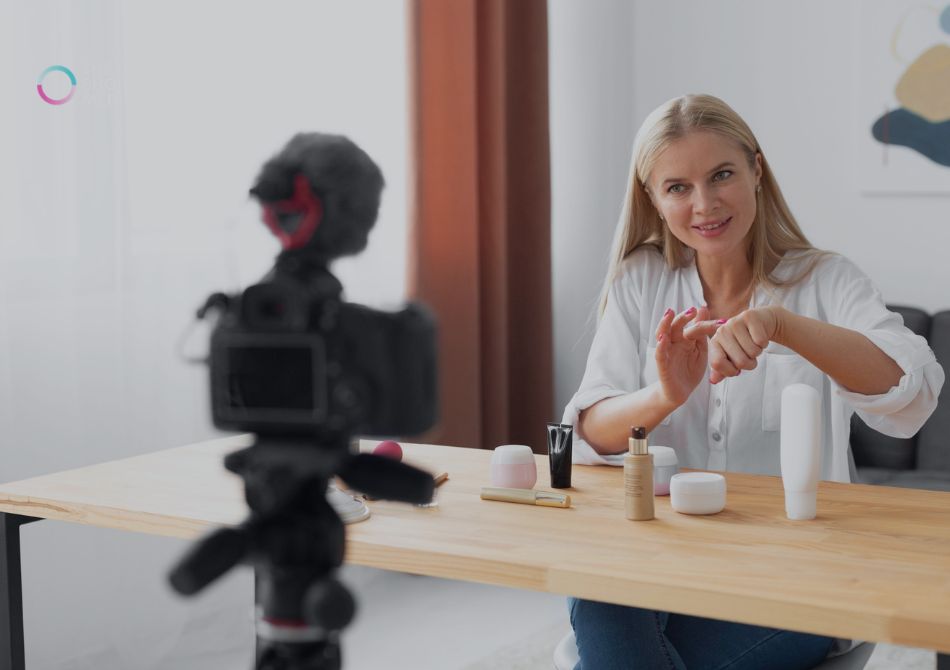
A few months ago, I watched a skincare brand spend real money on a polished launch video that looked great in a deck and did almost nothing once it hit paid social. Same week, a scrappy clip filmed by the founder in her bathroom — overhead light, slightly awkward pacing, no fancy edit — pulled comments, saves, and a much better click-through rate. Not because it was “authentic” in some vague, overused way. It just answered the stuff people were actually wondering. Texture. Price. Whether it pilled under sunscreen. Basic, practical things. That’s the shift. A lot of teams still treat short form video marketing like a compressed version of a brand commercial. It isn’t. The format has its own rhythm, and honestly, it punishes overthinking. If you work with consumer brands in the USA — beauty, food, fitness, home, even local service businesses — the new rules are less about production and more about reading behavior. People don’t sit down to admire your campaign. They’re half-scrolling, half-distracted, and very quick to move on if the setup feels familiar. Short form video storytelling starts with tension, not intros The old structure was simple: introduce the brand, explain the product, add a nice payoff. That still works in longer formats. In short form video, the intro is often the part killing performance. You don’t need “Hi guys, today I’m going to show you…” unless the creator has enough personality to carry that opening. Most don’t. And brands definitely don’t. A better place to start is with friction. Something slightly unresolved. For a food brand, that might be a close-up of a frozen breakfast sandwich with text that says, “I thought this would be terrible, honestly.” For a home product, it might be the mess before the solution. For a local HVAC company in Texas, maybe the tech says, “This is why your upstairs is always hotter than the rest of the house.” That line works because it meets a real annoyance people already have. Good short form content doesn’t waste the first three seconds on setup. It drops viewers into the middle of something. A claim, a mistake, an objection, a comparison, a tiny reveal. Not fake drama. Just enough tension to earn another second. The polished ad voice is usually the problem I’ve seen this over and over: a creator reads a script too perfectly, hits every talking point, smiles at the right moments, and the video dies. It feels approved. That’s the issue. In short form video marketing, viewers can smell when every word has been massaged by legal, brand, and paid media before it got published. You can keep compliance. You just can’t sand off all the human edges. That doesn’t mean sloppy. It means believable. A fitness supplement brand might get better results from a creator saying, “I’ve tried a bunch of these and most taste weird after two days” than from a cleaner line about premium ingredients and daily performance. An Amazon kitchen gadget often sells better when someone fumbles with the packaging for half a second, then shows the thing actually solving a small annoyance on a real counter. I’ve watched a product demo filmed in a kitchen outperform studio footage by a lot. Not a little. A lot. People aren’t grading cinematography. They’re deciding whether this feels useful, familiar, or worth sending to a friend. Story beats got shorter, but they didn’t disappear There’s a lazy take floating around that story doesn’t matter anymore because attention spans are shot. I don’t buy that. Story still matters. The beats are just compressed. In strong short form content, you can usually spot a tiny arc: – a problem or curiosity point – a quick proof moment – a detail that handles doubt – a payoff or opinion That’s still storytelling. It’s just tighter and less theatrical. Take a beauty launch at Target. Instead of opening with the campaign message, show the swatch first. Then the wear test. Then a comment-style objection on screen: “But does it cling to dry patches?” Then the answer, shown close-up, not just spoken. That sequence tends to do better than a perfectly branded explainer because it mirrors how people actually evaluate products. The same thing happens with short form video for local services. A plumber doesn’t need a mini brand film. Show the leak. Show the cause. Show the fix. Mention the cost range if you can. Comments will tell you fast whether you missed the real objection. And those comments matter more than some teams admit. Comments are part of the script now A lot of useful messaging work is happening under the post, not in the edit timeline. I’ve seen comments reveal objections the sales page completely missed. A DTC bedding brand thought people cared most about softness. The comments were full of questions about whether the sheets slept hot in Arizona and Florida. Different angle entirely. A snack brand kept pushing protein count while viewers were asking where it was sold and whether kids would actually eat it. That’s one reason short form video marketing works best when the creative team, community manager, and paid social buyer aren’t operating in separate silos. The best follow-up videos often come straight from the comments. Not every post needs to “go viral.” Sometimes the win is much less dramatic: you find the phrase real customers use, turn that into the next hook, and your CPA gets less ugly. That’s still a win. A very normal, useful win. Short form content needs proof early People have gotten better at ignoring vague product promises. Fair enough. They’ve seen too many. So if you’re making short form content, proof has to show up early and in a form that feels easy to verify. Texture, speed, mess, side-by-side comparison, before-and-after, live reaction, repeat use, close-up detail. Concrete stuff. For a home cleaning product, don’t spend eight seconds talking about powerful ingredients. Show the stovetop. For a meal brand, let us see the portion size … Read more

Why Multi-Platform Short Video Strategies Outperform Single-Platform Marketing

Short Video Strategies

I’ve watched this happen more than once: a brand finally gets a decent run on TikTok, everyone gets excited, and then the next month performance drops off a cliff. Same product. Same team. Same budget, mostly. The only thing that changed was the platform stopped being so generous. That’s the quiet problem with building your entire content plan around one app. It feels efficient right up until it doesn’t. A lot of teams still treat short-form content like a platform tactic instead of a distribution system. They’ll say they’re “doing TikTok” or “testing Reels,” when what they really need is a repeatable short video marketing approach that can travel across channels, audiences, and moments in the funnel. Because the real win isn’t getting one post to spike. It’s getting useful footage, hooks, creator angles, and proof points to work in more than one place. Single-platform growth looks good… until it gets fragile If you only publish on one platform, you’re handing too much control to one algorithm, one audience behavior pattern, and one set of creative norms. That gets risky fast in the USA market, where brands are often juggling paid social, Amazon traffic, retail support, and creator partnerships at the same time. A beauty brand launching at Target doesn’t just need TikTok views. It may need Reels for older millennial shoppers, YouTube Shorts for search spillover, and paid usage rights so the same creator content can support Meta ads. I’ve seen a skincare brand put nearly all its effort into TikTok because that’s where the founder liked spending time. The content was fine. Some of it even did well. But their actual customer base was converting more consistently from Instagram, where the comments were full of practical questions about shade match, skin type, and shipping. TikTok gave them attention. Reels gave them buyers. That’s a different thing. Multi-platform short video marketing creates more than reach The obvious benefit is more exposure, sure. But that’s not the part I’d focus on first. A better reason to spread your content across platforms is that each one reveals something slightly different about the market. TikTok comments tend to surface curiosity and early reactions. Instagram often exposes objections. YouTube Shorts can show you what topics have a longer shelf life. Even Pinterest Idea-style video or Amazon product video can behave differently when the viewer is already closer to purchase. So when brands invest in short video marketing across several channels, they aren’t just posting more. They’re collecting better signals. A home products company might learn that their “oddly satisfying” cleaning demo pulls views on TikTok, but a more straightforward before-and-after clip with text overlays gets saves and shares on Instagram. A protein snack brand may notice that creator-style taste tests work on Shorts, while UGC with a parent packing school lunches performs better on Meta placements. That’s useful. It tells you how people want the product framed depending on context. And honestly, context is half the job in digital marketing short video. Digital marketing short video works better when creative is built to travel This is where a lot of teams get stuck. They hear “multi-platform” and assume it means copying and pasting the same clip everywhere. Not really. The strongest digital marketing short video programs are modular. You film with reuse in mind. One product demo becomes a TikTok with a stronger cold open, an Instagram Reel with cleaner captions, a YouTube Short with a more searchable title, and a paid ad cut with the fluff removed in the first two seconds. Same shoot. Different edit logic. A kitchen-shot demo for a nonstick pan brand might beat polished studio footage on every platform, but for different reasons. On TikTok, it feels native. On Reels, it reads as practical and save-worthy. In paid placements, it can work because the product benefit is obvious before the viewer even turns on sound. That’s why a good video marketing service shouldn’t just hand over one finished asset and call it a day. It should think in versions, hooks, pacing, captions, aspect ratios, and usage scenarios. Each platform catches a different kind of intent This matters more than marketers sometimes admit. People don’t open every app in the same mood. Someone scrolling TikTok during lunch break is different from someone tapping through Reels after seeing a creator mention a product, and different again from someone browsing YouTube Shorts after searching for reviews on a treadmill brand or a meal prep gadget. That’s why digital marketing short video should be planned around intent layers, not just content buckets. For example: – A DTC haircare brand might use TikTok for creator-led first impressions and trend-adjacent storytelling. – Instagram Reels might carry the more polished transformation clips, salon results, and FAQ-driven content. – YouTube Shorts can support “how to use it” angles that stay relevant longer than a trend sound ever will. A local med spa in Dallas or a dental practice in Miami can do the same thing on a smaller scale. Quick staff clips and personality-led content may pull local attention on TikTok, while Instagram helps with trust, proof, and DMs that actually book appointments. That spread is often what makes short video marketing feel less random and more dependable. A single winning video usually isn’t enough A lot of brands are still chasing “the viral one.” I get it. Everyone wants the post that carries the month. But in practice, the better system is volume with judgment. Not endless content for the sake of it. More like: one idea, several cuts, tested in different environments, then scaled based on what each platform tells you. I worked with a food brand where a creator read the script a little too perfectly. Nice lighting, nice kitchen, all technically fine. The ad underperformed. We swapped in a looser version filmed on her phone with one slightly messy countertop shot and a more believable first line, and comments immediately changed. People started asking where to buy it, whether it was … Read more

Snapchat Spotlight vs TikTok: Which Fits Your Marketing Strategy

Snapchat Spotlight vs TikTok

I’ve watched more than one brand team walk into short-form video planning with the same assumption: “We’ll just cut the TikTok and post it everywhere.” Then the numbers come back, and suddenly that plan doesn’t look so smart. A beauty brand in the U.S. reused a polished creator clip across TikTok, Reels, and Snapchat Spotlight. TikTok did fine. Reels was okay. Spotlight? The rougher, less “ad-looking” version filmed in a bathroom mirror actually pulled stronger watch time. Not by a little, either. Different platforms, different habits. People feel that stuff fast. So if you’re trying to decide between Snapchat Spotlight and TikTok, don’t treat it like a simple reach comparison. The better question is where your product, creative style, and paid strategy actually fit. That’s where a good Snapchat Marketing Agency or an experienced paid social team can save you from wasting a month on recycled content that never had a real shot. TikTok gets the attention, but Snapchat still has a lane TikTok tends to dominate the conversation because it’s louder. Trends start there, creators build there, and brands often chase relevance there a little too hard. Usually two weeks too late, if we’re being honest. Snapchat is quieter, but that doesn’t mean smaller in practical value. In the USA especially, Snapchat still has a very real daily-use habit among younger audiences. It’s not just a place people open when they’re bored. It’s where they message friends, share quick moments, and bounce through content in a more private, less performative way. That matters for marketers. TikTok often rewards personality, hooks, pacing, and cultural timing. Snapchat Spotlight can reward those things too, but the tone lands differently. Content that feels casually captured can work surprisingly well there. A product demo filmed in a kitchen, with natural lighting and a slightly imperfect voiceover, can beat a studio edit that looks expensive but reads like an ad. That’s one reason Snapchat short video marketing deserves more attention than it usually gets. Where TikTok tends to work better TikTok is usually the stronger bet if your brand needs discovery at scale and you’re comfortable feeding the machine consistently. It’s especially useful for: Products that need a story before the sale Think skincare, supplements, fitness gear, home gadgets, niche food products. If the item needs context, proof, or a creator to explain why it matters, TikTok gives you room for that. Not literally long-form room, but enough space to build curiosity. I’ve seen DTC brands selling things like posture correctors and scalp serums get traction because creators could show the “before,” complain about the problem a little, then casually show the fix. It didn’t feel elegant. It worked. Trend-adjacent brands with fast approval cycles If your internal team needs ten days to approve a caption, TikTok gets rough. A retail launch or seasonal push can miss its moment fast. That’s not a platform issue as much as a workflow issue, but TikTok punishes hesitation more visibly. Categories where comments become market research This one gets overlooked. TikTok comments can tell you what your sales page forgot to answer. People will ask if the protein powder tastes chalky, whether the pan works on induction, whether the leggings roll down, whether the pet hair remover handles car seats. Useful stuff. Sometimes more useful than the creative report. Why Snapchat Spotlight is worth a real look Snapchat isn’t always the first platform on the plan, but for some brands it probably should be. Snapchat short video marketing can feel less crowded Not easy. Just less crowded in a certain way. On TikTok, users are used to a constant stream of creators, trends, edits, opinions, and product pushes. On Snapchat Spotlight, content can still feel more native when it isn’t trying so hard. That helps if your product is visually simple but relatable. A snack brand showing a late-night freezer raid. A cleaning product demo with an actually messy stovetop. A local med spa showing a front-desk moment and a quick treatment prep. Those can land better than overly scripted pieces. And yes, scripts matter. You can usually tell when a creator has read the brief too perfectly. The pauses get weird. The emphasis sounds borrowed. On Snapchat, that stiffness stands out even more. It can be a strong fit for younger U.S. audiences If you’re targeting Gen Z or younger millennials in the USA, Snapchat still has a place in the media mix, especially for brands in beauty, fashion, food, and impulse-friendly ecommerce. Not every campaign needs TikTok-level virality. Sometimes you need efficient attention from a platform your audience opens every day without thinking about it. That’s where a snapchat ads agency often comes in handy. Organic-style Spotlight content is one thing. Building a broader paid system around it is another. Snapchat can support a cleaner paid funnel than people expect Some teams write off Snapchat because they think of it as an awareness-only channel. That’s outdated. A smart snapchat ads agency can pair Spotlight-style creative with conversion campaigns, retargeting, and audience segmentation in a way that feels much more performance-focused than most people expect. For Amazon products, app installs, beauty offers, and lower-friction DTC purchases, I’ve seen Snapchat hold its own pretty well. Not every time. Some categories just fit TikTok better. But Snapchat gets underestimated because people don’t spend enough time on creative-market fit before judging the platform. The creative difference is bigger than most strategy decks admit Here’s the part that usually gets flattened in presentations: these platforms don’t just distribute content differently. They make people react differently. TikTok often rewards stronger hooks and more obvious narrative movement. You need the first seconds to do real work. Sometimes that means a blunt opening. Sometimes it means a weird visual. Sometimes it means a creator saying the quiet part out loud. Snapchat Spotlight often responds better when the content feels like it belongs there first and sells second. That doesn’t mean low effort. It means less overproduced. A home products brand I worked near … Read more

Pinterest Short Video Marketing: The Underrated Growth Channel

Pinterest Short Video Marketing

A few months ago, I was reviewing creative for a home organization brand in the U.S. Their team had spent weeks trying to crack short-form video on Instagram and TikTok. The content looked fine. Maybe too fine. Clean lighting, polished hooks, sharp edits. And still, the results were kind of flat. Then we pulled a rougher product demo from the pile. Shot in a real kitchen. A drawer organizer being installed in about 14 seconds, with text that answered the obvious objection right away: *will this fit shallow drawers?* That same style of video, repurposed for Pinterest, quietly started driving saves, clicks, and a better quality visit than some of the flashier social placements. That’s the thing about Pinterest short video marketing. It doesn’t always get the attention other platforms do, but for a lot of brands, especially in beauty, home, food, fashion, fitness, and DTC, it can be one of the more practical places to run short-form creative. Not glamorous. Useful. And useful tends to sell. Why Pinterest short video marketing works differently Pinterest users behave a little differently from the average short-form scroller. They’re not always looking to be entertained for 45 straight minutes. A lot of them are trying to solve a problem, plan a purchase, compare options, or save an idea for later. That changes what good creative looks like. On TikTok, a brand might get away with a trend-led clip that’s mostly vibe. On Pinterest, that same post can feel empty. People want to see the product, the use case, the result. They’ll tolerate less polish if the content gets to the point. Actually, sometimes less polish helps. I’ve seen a skincare founder filming a nighttime routine in her bathroom outperform a studio version because the studio cut looked like an ad immediately. This is where Pinterest short video marketing earns its keep. The platform sits closer to search and discovery than most social teams want to admit. If your short video answers a real planning question — what to wear to a fall wedding, how to style floating shelves, what to pack for a weekend trip, how to use a protein powder without making it chalky — it has a longer shelf life than the average trend-based post. And that matters if you’re tired of content expiring in 36 hours. The brands that usually do well here Some categories have a natural fit. Beauty brands can show texture, routine order, before-and-after lighting, and shade comparisons. Food brands can run quick recipe clips that don’t feel overproduced. Fitness products do well when the video shows setup, storage, or actual use in a normal home, not just a giant white studio with six perfect dumbbells. Home products are especially strong. So are Amazon products with a clear visual payoff. I’ve watched a simple “small apartment pantry fix” video outperform a more expensive lifestyle edit because the viewer immediately understood the problem being solved. Local services can work too, though they need a different angle. A med spa in Texas, for example, might post short educational clips around treatment prep, recovery expectations, or common misconceptions. A remodeling company in California can show tile selections, cabinet hardware swaps, or a 10-second before-and-after walkthrough. It’s less about chasing social energy and more about helping someone picture the decision. That’s why a lot of Pinterest marketing services now spend more time on creative strategy than just board organization or static Pins. The old Pinterest playbook was too image-heavy. Video changed that. What short Pinterest videos should actually look like This is where brands often overcomplicate things. You do not need to recreate TikTok exactly. And please don’t post a trend two weeks late with text slapped on top. That usually looks tired before it even launches. The better approach is simpler: Start with the product or outcome Don’t spend the first four seconds “setting the scene.” If you’re selling a scalp serum, show the part line and application. If it’s a meal-prep container, show the packed lunch. If it’s a sofa cover, show the dog hair and then the clean result. On Pinterest, users often reward clarity over cleverness. Put objections in the text overlay Comments are useful here. They usually tell you what the sales page forgot to explain. A few common examples: – “Will this work on textured hair?” – “Is it renter-friendly?” – “Does this leave a white cast?” – “Can I wash this in the dishwasher?” – “How long does setup actually take?” When a video answers one of those in the first line of text, performance tends to improve. Not always dramatically. But enough to matter. Keep the edit tight, but not frantic Some paid social teams bring over hyperactive cuts from other channels and wonder why the content doesn’t stick. Pinterest doesn’t always need that pace. It needs movement, yes, but not chaos. A clean 10–20 second demo often works better than a jump-cut heavy montage that feels like it’s trying too hard. That’s something a good Pinterest advertising agency usually understands. Not every platform wants the same rhythm. Where Pinterest marketing services can help, and where they can’t I’ll be blunt: not every agency that says they offer Pinterest marketing services really understands the platform. Some are just repackaging paid social management and tossing Pins into the monthly report. The useful agencies tend to do a few things well. They build creative around search behavior, not just aesthetics. They think in categories and use cases. They understand that a saved Pin can have value beyond the first click. And they know how to connect organic learnings to paid distribution without pretending every piece of content needs to be a masterpiece. A strong Pinterest advertising agency can also help if your internal team is stuck making everything look like a catalog. That happens a lot with retail launches. The merchant team wants polished brand visuals. The paid team wants conversion-focused hooks. The Pinterest creative probably needs to sit somewhere in the middle. Still, … Read more

Instagram Reels vs TikTok: Which Delivers Better Engagement

Instagram Reels vs TikTok

A few months ago, I was reviewing paid social creative for a mid-size beauty brand in the US. Same product. Same hook. Same creator, even. We ran one cut on TikTok and another on Reels. TikTok got faster traction, more comments, more saves than expected. Reels brought in cleaner traffic and, weirdly, fewer but more useful comments—people asking shade-match questions, shipping questions, ingredient questions. Different kind of engagement. Different job. That’s usually the part people skip. When marketers argue about Reels versus TikTok, they often talk like there’s a single winner. There isn’t. Not if you actually care about what engagement means for your brand, your budget, and your creative pipeline. A trendy snack brand trying to get broad awareness in the USA is playing a different game than a local med spa, an Amazon home gadget, or a DTC supplement brand trying to hold CAC together. So let’s get into it properly: not “which app is better,” but which one tends to produce the kind of engagement that matters. Instagram Reels advertising usually feels tighter, but that’s not always better If you’ve spent time buying media on Meta, you already know the environment is different. Instagram Reels advertising sits inside a platform where users are already connected to friends, creators, brands, local businesses, and shopping habits that have been building for years. That matters. Engagement on Reels often looks more commercially useful, especially for brands with some existing demand. A skincare company launching at Target, for example, may find that Reels comments surface real purchase friction: “Is this fragrance-free?” “Will this work on rosacea?” “Is it in stores yet in Texas?” That stuff is gold. It tells you what your PDP, retail locator, or ad copy forgot to answer. TikTok comments can do this too, obviously. But Reels often produces a slightly more purchase-adjacent audience, especially in categories like beauty, home products, fitness, and local services. I’ve also seen Instagram Reels advertising work better when the brand already has a decent Instagram presence. Not huge. Just alive. If your grid, Stories, highlights, and creator tags all support the ad, people tend to do a quick profile check before buying. That behavior still matters on Instagram in a way some teams underestimate. TikTok still has a looser, faster kind of engagement TikTok can feel messier. That’s part of why it works. A lot of TikTok engagement comes from momentum: watch time, rewatches, comments that pile up because the video struck a nerve, or because the creator sounded like an actual person instead of a brand manager wearing a hoodie. The ceiling can be higher there, especially if the content doesn’t feel overhandled. That’s where brands get in trouble, by the way. They’ll take a decent creator concept, over-script it, clean up every line, remove the pause, remove the little “wait, let me show you,” and suddenly the ad looks expensive in the worst way. I’ve watched a product demo filmed in a creator’s kitchen beat a polished studio edit by a mile. Not because low production is magic. Because the studio version looked like it was trying too hard. TikTok tends to reward that rougher edge more consistently. If you’re a newer brand, or you’re trying to create demand for a product people weren’t actively shopping for, TikTok can generate more visible engagement faster. Especially in food, impulse beauty, weirdly satisfying home tools, and lower-consideration products sold on Amazon. But fast engagement isn’t always qualified engagement. Plenty of teams have learned that the hard way. The role of instagram marketing agency support when the creative starts slipping Here’s the unglamorous truth: most brands don’t lose on Reels or TikTok because the platform failed them. They lose because the content got stale by week three. This is where a good instagram marketing agency can actually be useful, not just as a reporting layer. The better ones are watching for creative fatigue, comment patterns, audience overlap, and whether your “winning” concept only worked because the first three seconds borrowed a trend that died ten days ago. I’ve seen an instagram marketing agency save a campaign simply by changing the opening line from a polished benefit statement to a more natural creator lead-in. Small shift. Big difference. On Reels, especially, those first moments matter because users are used to a mix of personal, creator, and branded content. If your ad enters too stiffly, they’re gone. That same instagram marketing agency should also understand when to stop forcing TikTok-style chaos into Instagram placements. Some brands do this constantly. They port over a trend two weeks too late, keep the original pacing, and wonder why Reels engagement looks flat. Reels usually needs a little more clarity and a little less randomness. Where instagram ugc changes the comparison A lot of this conversation gets easier once you separate platform from content style. Strong instagram ugc can close the gap when a brand assumes TikTok will automatically outperform on engagement. I’ve seen Reels do very well with creator-led tutorials, reaction-style clips, “I didn’t expect this to work” demos, and side-by-side comparisons that feel native to Instagram behavior. Not fake-native. That’s different. Good instagram ugc usually has a few things going for it: – a believable voice – a product moment early – enough personality to feel human – enough structure to make the point quickly And no, “UGC” doesn’t mean any selfie video with a ring light. Some of the worst-performing assets I’ve reviewed were technically instagram ugc, but the creator read the script so perfectly it sounded like a voicemail greeting. Dead on arrival. For brands already investing in creators, instagram ugc often pulls stronger downstream engagement than heavily branded edits. Not always more comments in raw volume, but better signals—shares to friends, profile visits, saves, DMs, cart starts. That matters if you’re trying to measure more than vanity metrics. Engagement quality depends on what you sell This is where the Reels vs TikTok debate gets more practical. Beauty and skincare TikTok can create spikes. … Read more

The TikTok clip did fine. Then it quietly did better on YouTube

TikTok Clip Performed Better on YouTube Than Expected

I’ve seen this more than once with US brands: a TikTok gets decent reach, the team moves on, and then somebody reposts a trimmed version to YouTube Shorts almost as an afterthought. A week later, that “extra” upload is pulling steadier views, better watch time, and comments that sound a lot closer to buying intent. Not always. Plenty of recycled clips fall flat too. Usually for obvious reasons, if you’ve spent any time in the weeds with creator briefs and paid social cutdowns. The pacing is off. The first second feels borrowed from another platform. The creator sounds a little too rehearsed. Or the brand kept the TikTok watermark on and called it a strategy. That’s really the issue. Repurposing isn’t just reposting. If you want TikTok footage to turn into something useful for youtube content creation, you have to edit for the way people actually watch Shorts. Repurposing works, but lazy reposting usually doesn’t A lot of teams treat short form content like interchangeable inventory. One vertical video goes everywhere. Same hook, same caption, same on-screen text, done. Sometimes that’s fine for a quick test. But if you’re trying to build a real Shorts presence, especially for a beauty brand, food product, fitness offer, Amazon item, or local service, the differences start to matter fast. TikTok often tolerates a messier opening if the vibe is right. YouTube Shorts can be less forgiving. On Shorts, I’ve watched a kitchen demo for a nonstick pan outperform a cleaner studio version because it got straight to the egg slide in the first second. No intro, no “hey guys,” no brand setup. Just proof. That’s the mindset shift. Don’t ask, “Can we repost this?” Ask, “What part of this clip actually earns attention on YouTube?” Where youtube content creation usually goes wrong The biggest mistake is assuming a TikTok winner is automatically a Shorts winner. Sometimes a TikTok performs because the sound is trending, or because the comments turn into a little community event. That doesn’t transfer neatly. A few common misses: The hook starts too late This happens constantly with creator content. The first two seconds are throat-clearing. A smile, a point at text, a scripted “I was influenced to buy this…” Meanwhile the useful part doesn’t show up until second four. That’s survivable on TikTok. On Shorts, not so much. For youtube content creation, I usually want the visual payoff or strongest claim almost immediately. A before-and-after split screen. The stain coming out of the rug. The protein yogurt actually looking edible. Something concrete. The edit still feels like TikTok You can feel when a brand joined a trend two weeks too late and then carried that stale energy over to YouTube. Same meme pacing. Same text placement. Same joke structure. It lands flat. Shorts tends to reward cleaner utility, stronger sequencing, and a little less dependence on trend context. Not boring. Just less borrowed. The CTA is wrong for the platform TikTok CTAs often chase comments or profile clicks in a way that feels native there. Shorts viewers respond better when the ask fits the clip. “See full review in channel.” “Part 2 has the setup.” “Link in description for shades.” Subtle works better than sounding like a paid ad from 2021. How to turn TikTok footage into better short form content You don’t need to rebuild every video from scratch. But you do need to make choices. Start by finding the actual reason the TikTok worked Not the vanity metric answer. The real answer. Was it the creator’s face? The product result? The pacing? A weirdly specific pain point? Comments are helpful here. They’ll usually tell you what landed and what didn’t. I’ve seen comments reveal objections the sales page completely missed—shade match concerns for a concealer, whether a mop head is machine washable, whether a pre-workout causes jitters. That’s gold for short form content. Pull those objections into the next Shorts version. If a TikTok about a countertop ice maker got comments asking how loud it was, the Shorts edit shouldn’t just repeat the original “look how cute this is” angle. Cut in the sound. Show the kitchen. Address the apartment-living concern directly. Re-cut the first three seconds like they matter, because they do This is where most of the lift happens. For YouTube Shorts creator marketing, I’d rather have a blunt first second than a clever setup that takes too long. Show the result. Show the mess. Show the side-by-side. Then let the creator explain. A good example: a DTC skincare brand had a TikTok with a creator talking to camera about texture and ingredients. Fine. On Shorts, the stronger version opened with the product pilling under foundation, then immediately showed the fix. Same footage, different order, much better retention. Remove anything that feels overly scripted You can spot it fast. The creator hits every talking point perfectly, the pauses are too clean, the delivery sounds approved by six stakeholders. It usually underperforms. That matters in YouTube Shorts creator marketing because the platform still rewards some rough edges. Not sloppy editing for the sake of it. Just human texture. A slight stumble. A real apartment bathroom. A product demo filmed on a kitchen counter instead of a bright white set. Some of the best-performing repurposed short form content feels like a person noticed something useful and filmed it before they forgot. What to change before you repost There are a few practical fixes that make a noticeable difference. Adjust text for Shorts, not TikTok TikTok-style text often sits too high, too busy, or too dependent on trend language. Rewrite it. Shorter lines. Cleaner hierarchy. More readable at a glance. For youtube content creation, on-screen text should support the visual, not compete with it. If the product demo already explains itself, don’t cover half the frame with six lines of copy. Rethink sound, don’t just carry it over Trending TikTok audio can feel random on Shorts if the viewer doesn’t have the same context. Sometimes original voiceover … Read more

TikTok vs YouTube Shorts: Where Should Brands Invest in 2026

TikTok vs YouTube Shorts

A few months ago, I was reviewing creative for a mid-sized beauty brand in the US. They had a strong product, decent margins, and a team that moved fast enough to matter. Their TikTok content was getting some traction, but their YouTube Shorts were quietly driving better watch time and, weirdly, better branded search lift. Nobody on the team expected that. They were still treating Shorts like a repost bin. That’s the thing heading into 2026: a lot of brands still have a platform bias that’s based on 2022 behavior. Meanwhile, audiences have settled into habits that are less dramatic and more practical. People bounce between apps. They discover on one platform, compare on another, and buy whenever the friction is lowest. So the real question isn’t “Which app wins?” It’s where your brand should put actual budget, creative energy, and team attention. If you’re deciding between TikTok and YouTube Shorts, the answer depends less on hype and more on what you’re selling, how fast you can produce usable creative, and whether you need awareness, consideration, or direct response now. The case for TikTok is still real TikTok still has an edge when a brand needs cultural speed. Not polished speed. Messy speed. A reaction, a stitch, a creator riff, a product moment that feels like it escaped the content calendar. For food brands, beauty launches, impulse-friendly DTC products, and trend-sensitive categories, TikTok can still put a product in front of the right kind of curiosity very quickly. I’ve seen a snack brand get more useful feedback from TikTok comments in three days than from a month of survey data. People weren’t just saying “want this.” They were saying the spicy version looked too mild, the packaging looked hard to open, and the serving size felt “airport tiny.” That’s useful. TikTok also tends to reward creative that feels less overworked. Which sounds obvious until a brand sends creators a script that’s been revised by legal, brand, paid social, and the founder. You can hear that kind of script. The creator starts sounding like a customer service chatbot with nice lighting. Performance usually drops. If your team is comfortable producing a lot of short form video marketing quickly, testing hooks aggressively, and reacting before a trend gets stale, TikTok is still worth serious investment in 2026. Why YouTube Shorts keeps getting underestimated A lot of brands still think Shorts is where videos go after TikTok. That’s lazy, honestly. Shorts sits inside a broader YouTube ecosystem, and that matters more than people give it credit for. A short clip can introduce a home product, then a longer review, comparison, or influencer integration can pick up the next step. For fitness brands, kitchen gadgets, supplements, tools, and products people want to “check before buying,” that path is valuable. I’ve watched Amazon-focused brands do especially well here. A simple demo filmed in a real kitchen, not a studio set, can outperform glossy content because it answers the exact question a shopper had. Does the blender crush ice without sounding like a leaf blower? Can the storage container actually stack in a cramped apartment cabinet? Shorts can do that in 20 seconds, and YouTube gives the user an easy next click when they want more. This is where a YouTube Shorts marketing agency can be useful, especially for brands that need more than views. A good team won’t just crop TikToks and call it strategy. They’ll think about sequencing, search behavior, creator fit, and how Shorts supports the rest of your YouTube presence. TikTok is louder. Shorts is often steadier. That’s a simplification, but not by much. TikTok can spike fast. It can also flatten just as fast, especially if your product depends on novelty or trend timing. A retail launch, a limited-edition flavor, a celebrity collab — TikTok can make sense there because urgency helps. But if your brand sells something people research a bit more, YouTube Shorts often gives you a cleaner runway. For local services in the USA, this gets interesting. A med spa, roofing company, orthodontist, or high-end cleaning service may get attention on TikTok, sure. But Shorts often fits better when the content is educational and tied to trust. “What happens during Invisalign week one” or “three things to check before replacing your roof after hail damage” can pull in a more patient viewer. Not always viral. Usually more useful. A smart YouTube Shorts advertising agency will usually look at this through the lens of intent, not just reach. That’s a better conversation. Paid media changes the decision Organic performance gets all the attention, but media buying reality tends to sober people up. On TikTok, ad creative fatigue can hit fast. If you’ve run paid social for any amount of time, you’ve seen it: one UGC-style video works, then five imitations show up, and by week three the comments are dragging the ad for sounding fake. The refresh cycle is brutal if your team can’t keep feeding the machine. With Shorts, paid distribution can feel a little less chaotic, especially when the creative is tied to product education or simple demonstrations. Not easier, exactly. Just less dependent on catching a very specific mood in the feed that week. That’s why some brands end up working with both a YouTube Shorts marketing agency and a TikTok-focused creative team. They’re solving different problems. One is trying to create momentum and social proof fast. The other is building a more stable video layer that supports search, retargeting, and longer consideration windows. Short form video marketing works better when the platform matches the product This is where a lot of strategy decks get too abstract. A skincare brand launching a pimple patch line at Target? TikTok probably deserves aggressive testing. The category is visual, creator-friendly, comment-heavy, and easy to demonstrate in a bathroom mirror with bad but believable lighting. A premium mattress topper brand selling through Shopify and Amazon? YouTube Shorts may punch above its weight. Sleep products often need explanation, comparison, and … Read more

How to Build a Creator Brief That Actually Produces Viral Content

How to Build a Creator Brief That Actually Produces Viral Content

I’ve seen this happen more times than I can count: a brand spends weeks finding the right creators, ships product fast, gets legal approved, lines up posting dates… and then sends over a brief so stiff it practically squeezes the life out of the content before filming even starts. You can usually spot the result right away. The creator looks like they’re reading from a teleprompter. The hook sounds like ad copy. The “authentic reaction” lands with all the warmth of a compliance memo. Then the team says TikTok “didn’t work.” Usually, the problem started much earlier. If you’re investing in TikTok creator services, the brief matters more than most teams want to admit. Not because it needs to be longer or more detailed. Honestly, the opposite is often true. A creator brief that performs is clear where it needs to be clear, and loose where creators need room to make something people might actually watch. Most creator briefs are trying to prevent risk, not create good content That’s the real issue. A lot of briefs are written by committee. Brand team adds positioning. Legal adds restrictions. Paid social adds talking points. Ecommerce wants a promo callout. Suddenly the creator has 14 mandatory messages and exactly eight seconds to make someone care. That’s not a content brief. That’s a brand anxiety document. A strong brief starts by accepting a basic fact: creators are not tiny production vendors there to recite your homepage copy. They know how their audience talks. They know what kind of opening line feels native. They know when a trend is already dead. I’ve watched brands jump into a sound two weeks too late and wonder why the post looked tired before it even went live. A good TikTok creator services agency will usually push back on this stuff early, because they’ve seen what happens when over-managed content hits the feed. It gets polite metrics. Maybe a few likes. No real lift. What a useful TikTok creator services brief actually needs Not much, but it needs the right things. Start with the one job of the video Pick one. Do you want: – product awareness – comments that reveal objections – add-to-cart intent – retail launch support – Amazon traffic – local service inquiries Trying to do all of that in one video is where briefs go sideways. For example, if you’re launching a new protein bar into Target stores across the USA, the brief should not also try to educate viewers on every ingredient, founder story, and discount code. Maybe the actual job is simpler: make the product look worth trying on a grocery run. That changes the creative completely. A TikTok Creator Agency Partner worth hiring will usually ask this early because the content structure depends on it. A retail awareness video and a conversion-focused UGC ad should not sound the same. Give creators message priorities, not a script This is where a lot of brands panic. You do need message control. Especially in beauty, wellness, supplements, financial products, or anything with compliance concerns. But “say this exact sentence” is often where performance drops off. Instead, give creators: – the main point – two supporting points – one thing not to say – proof points they can use naturally That’s enough. If you sell a kitchen cleaner, maybe the main point is that it cuts grease fast without the heavy chemical smell. Supporting points might be safe use around kids’ messes and how it works on stovetops. Fine. Let the creator say that in their own voice while wiping down an actual greasy range in their apartment. That often does better than a polished studio setup anyway. I’ve seen a product demo filmed next to a sink full of breakfast dishes outperform brand-approved lifestyle footage by a mile. The brief should shape the angle, not write the performance This is the difference between usable direction and creative suffocation. Include examples of angles, not copy blocks A creator doesn’t need a paragraph of approved language. They need to understand the lane. Try giving 3–4 possible angles like: – “I didn’t expect this to fix this annoying problem” – “Testing the product in a real routine” – “What I’d actually repurchase after trying it” – “A side-by-side or before/after setup” That gives structure without making the video sound borrowed. A TikTok creator services agency can help translate brand goals into these angles, especially if your internal team is more used to writing campaign messaging than social-native prompts. Different skill set, honestly. Be specific about visual proof This part gets missed all the time. If the product has a claim, ask yourself what the viewer can actually see. “High quality” is invisible. “Sweat-proof after a 45-minute hot yoga class” is something a creator can show. “Covers redness around my nose in one pass” is better than “buildable formula.” For a home product, show the drawer that used to be chaos. For a food brand, show texture, steam, the actual bite. For an Amazon gadget, show setup time and what happens when it fails or works. Tiny details matter. Comments often tell you what your product page didn’t explain. I’ve seen creators accidentally uncover the real objections in the first hour: “Does this stain white grout?” “Would this work for textured hair?” “Is that pan dishwasher safe?” A smart TikTok Creator Agency Partner doesn’t just report views. They mine that comment section and feed it back into the next brief. What to include if you want the content to be usable for paid too A lot of brands in the USA aren’t just buying organic posts anymore. They want creator content that can run as Spark Ads, live on PDPs, support Amazon listings, or get cut into paid variations later. That’s fine. Just don’t hide that from the creator. If paid usage matters, the brief should mention: – usage rights and duration – whether raw footage is needed – if multiple hooks are requested – whether clean audio … Read more

Can B2B Companies Really Succeed on TikTok?

B2B Companies

I’ve watched a SaaS founder spend three weeks approving a 22-second TikTok, only for the final post to sound like a trade show brochure with trending audio under it. It did nothing. A month later, the same company posted a scrappy clip of their customer success lead explaining the one onboarding mistake new clients kept making. Shot at her desk. Slightly bad lighting. Comments came in from actual prospects asking follow-up questions. That’s usually the split right there. B2B companies can do well on TikTok, but not when they treat it like a shorter webinar or a glossy brand campaign. And not when they show up two weeks late to a trend their legal team finally approved. A lot of B2B teams still assume the platform is mostly for beauty hauls, food clips, fitness creators, and home gadgets. Fair enough. Those categories are everywhere. But that doesn’t mean business buyers stop being people when they open the app. The real issue isn’t whether B2B belongs on TikTok. It’s whether the company can make something worth watching. What a TikTok social media agency sees B2B brands get wrong Most B2B marketers don’t fail because their industry is “too boring.” They fail because their content sounds like internal messaging docs. You can see it fast. The person on camera is reading a script too perfectly. Every line has been sanded down until there’s no opinion left. The hook says something vague like “3 ways to improve efficiency,” which could apply to payroll software, warehouse tools, or a dentist’s front desk. Nobody stops scrolling for that. A good TikTok social media agency usually pushes clients away from that polished, over-approved style. Not because polish is always bad, but because TikTok tends to expose content that feels overworked. Especially in B2B, where the interesting stuff is often hiding in the specifics: – the sales objection that keeps showing up in comments – the feature customers misuse in week one – the spreadsheet workaround your product replaced – the weird industry myth everyone repeats even though it’s outdated That’s where the content starts to breathe a little. I’ve seen a logistics software brand get more traction from a plainspoken video about why shippers mistrust “real-time visibility” claims than from an expensive launch asset. Same thing with a cybersecurity company that posted a quick breakdown of the most common phishing test fail inside mid-size teams. Not flashy. Useful. Slightly opinionated. That part matters. B2B TikTok works better when the company has a point of view This is where a TikTok branding agency can help, especially if the internal team keeps drifting toward safe, forgettable content. B2B companies often think brand voice on TikTok means being more casual. That’s not enough. Casual and bland is still bland. What tends to work is a clearer point of view. Maybe your operations platform is tired of hearing founders talk about “scaling” when their inventory process is still held together by Slack messages. Maybe your HR software team has seen enough broken hiring workflows to say, bluntly, what’s wasting everyone’s time. That kind of content gives people something to react to. A TikTok branding agency worth hiring won’t just ask for logos, fonts, and messaging pillars. They’ll try to find the tension in your category. For a B2B payments company, that might be the disconnect between what finance teams want and what sales teams promise. For a local service franchise platform in the USA, it might be the mess between lead generation and actual scheduling. For an Amazon products analytics tool, it could be the gap between dashboard metrics and what sellers really need to know before reordering inventory. That’s more interesting than “here are our features.” Short video marketing is useful long before it drives a lead This is the part some B2B teams resist. They want a direct line from post to demo request. Sometimes that happens. Usually, it’s messier. Short video marketing on TikTok often works earlier in the buyer journey. It helps a company become familiar before a prospect ever lands on the website. It sharpens messaging. It reveals what people actually care about, or what they don’t understand. Honestly, the comments can be more useful than a research deck. I’ve seen comments expose objections the sales page completely missed. One manufacturing software company kept talking about automation speed, while commenters kept asking whether the system worked with old equipment already on the floor. That should have been front-and-center in the messaging. Nobody on the brand side had framed it that way. For B2B teams, short video marketing can also be a testing ground. You can try angles fast: The expert face works better than the faceless brand, usually A founder, product lead, account manager, or engineer with decent camera presence often outperforms a generic brand account voice. Not always. But often enough that it’s worth saying. People don’t need a full personal brand circus. They just need someone who sounds like they’ve actually been in the room. A RevOps consultant explaining why CRM cleanup projects drag on. A warehouse ops manager showing the tiny process issue that causes late shipments. A procurement lead reacting to a bad vendor pitch. Those videos feel lived-in. That’s a big advantage for short video marketing in B2B. You can make expertise visible without turning every post into a formal lesson. You do not need to dance around your software Still worth saying because some executives are weirdly worried about this. A TikTok social media agency working with B2B clients usually isn’t trying to force meme content where it doesn’t belong. The better agencies know the difference between participating in platform culture and embarrassing a client. There’s a middle ground. A dry joke about compliance paperwork? Fine. A trend adaptation that actually fits your category? Maybe. A CTO lip-syncing to something random because “we need to look fun”? Probably not. Where B2B companies in the USA actually have an edge A lot of US-based B2B companies already sit on … Read more

The Role of AI Avatars in TikTok Content Creation

Role of AI Avatars in TikTok Content Creation

A few months ago, I saw a skincare brand testing two TikTok ads for the same serum. One was shot in a clean studio with a polished creator who hit every line exactly right. The other used an AI avatar delivering a tighter script with on-screen product callouts and a slightly uncanny smile. Guess which one got more comments. Not the one you’d expect. The studio video looked better. The AI version got more curiosity. People asked if the person was real, whether the results were legit, and why the voice felt “almost normal.” That probably sounds like a problem, but for that brand, it turned into useful traction. The comments exposed skepticism the landing page never addressed. The team rewrote the hook, changed the product demo, and performance improved on the next round. That’s where AI avatars sit on TikTok right now. Not as a magic replacement for creators. Not as a gimmick you throw into the content calendar because everyone else is doing it. They’re a tool. Sometimes a very efficient one. Sometimes a weird one. Usually both. If you’re working with a TikTok content creation agency, or thinking about hiring one, AI avatars are already part of the conversation—especially for brands producing a lot of short form video content across paid and organic. AI avatars aren’t replacing creators, but they are changing the workflow Let’s get this out of the way first: most brands still do better on TikTok when the content feels observed, casual, and a little lived-in. That’s why a product demo filmed in someone’s kitchen can beat a $15,000 studio shoot. I’ve seen it happen with food brands, supplements, even home organization products. The kitchen video had bad overhead lighting and a dog barking in the background. It still won because it felt like a real person actually used the thing. AI avatars don’t naturally bring that kind of texture. At least not yet. What they do bring is speed, consistency, and scale. For a TikTok creative agency, that matters more than people sometimes admit. If you need 20 variations of a script for testing different hooks, price points, or objections, an avatar can help you get there without booking five creators and waiting two weeks for revisions. That’s especially useful for: – Amazon products testing multiple angles fast – Local service brands that need explainers in different markets – DTC brands building paid social creative at volume – Retail launches where timing matters more than perfect production A TikTok creative agency can use AI avatars to pressure-test messaging before investing in more expensive creator shoots. That’s a pretty practical use case. Not glamorous. Just smart. Where a TikTok content creation agency can actually use AI avatars well A good TikTok content creation agency usually won’t use avatars for everything. That’s where brands get into trouble. They hear “AI” and suddenly want every piece of short form video content to feature a digital spokesperson with flawless skin and suspiciously smooth lip-sync. That gets old fast. The better approach is narrower. Script testing before creator production This is probably the cleanest use. Before sending a brief to creators, a team can test several avatar-led videos with different hooks: – “I bought this because…” – “Three things I wish I knew before using…” – “This is why mine kept breaking” – “I didn’t think this would matter, but…” You’re not testing creator charisma here. You’re testing message-market fit. Big difference. A TikTok content creation agency that understands paid social will often use AI avatars as a rough draft layer. If one angle pulls stronger watch time or click-through, then it makes sense to put budget behind human-led versions. Explainer content for products that need a little education Some products are easy to show. A lip stain, a pan set, a protein bar. Others need more setup. Water filtration systems. Posture devices. Home security add-ons. Niche supplements with unfamiliar ingredients. For those, AI avatars can handle simple educational short form video content pretty well, especially when paired with screen text, diagrams, or customer footage. You don’t need a creator pretending they “randomly found” a sump pump monitor and now can’t live without it. Honestly, that kind of script reads fake immediately. A TikTok creative agency can build avatar videos that feel more like guided product explainers than fake testimonials. That distinction matters. Localization and volume For U.S. brands with multiple regions, store openings, franchise locations, or bilingual audiences, avatars can help produce more short form video content without rebuilding every asset from scratch. A dental chain in Texas might need one version for English-speaking suburbs and another for Spanish-speaking neighborhoods. A home services brand might want city-specific intros for Phoenix, Tampa, and Charlotte. AI avatars can make that less painful operationally. Not perfect, though. You still need someone to catch awkward phrasing. AI-generated speech has a way of making normal copy sound like it was approved by legal, then translated twice. The trust issue is real, and a TikTok creative agency should be honest about it This is where some agencies get a little too optimistic. People on TikTok are very good at spotting when something feels off. Not always technically off. Just socially off. The pause before a smile. The too-even voice. The hand gesture that doesn’t match the sentence. A creator reading a script too perfectly has the same problem, by the way. You can feel the stiffness. That means a TikTok content creation agency shouldn’t sell AI avatars as a trust shortcut. For categories where credibility is fragile—beauty, wellness, parenting products, anything with claims—you need to be careful. An AI avatar saying “this cleared my skin in a week” is a mess waiting to happen. Even if it’s legally cleaned up, it can still come across as evasive. In beauty especially, people want texture, lighting shifts, close-ups, comments, routine context. They notice when the face talking about the product doesn’t have pores. That doesn’t mean avatars are useless in these categories. It means … Read more