The Role of AI Avatars in TikTok Content Creation
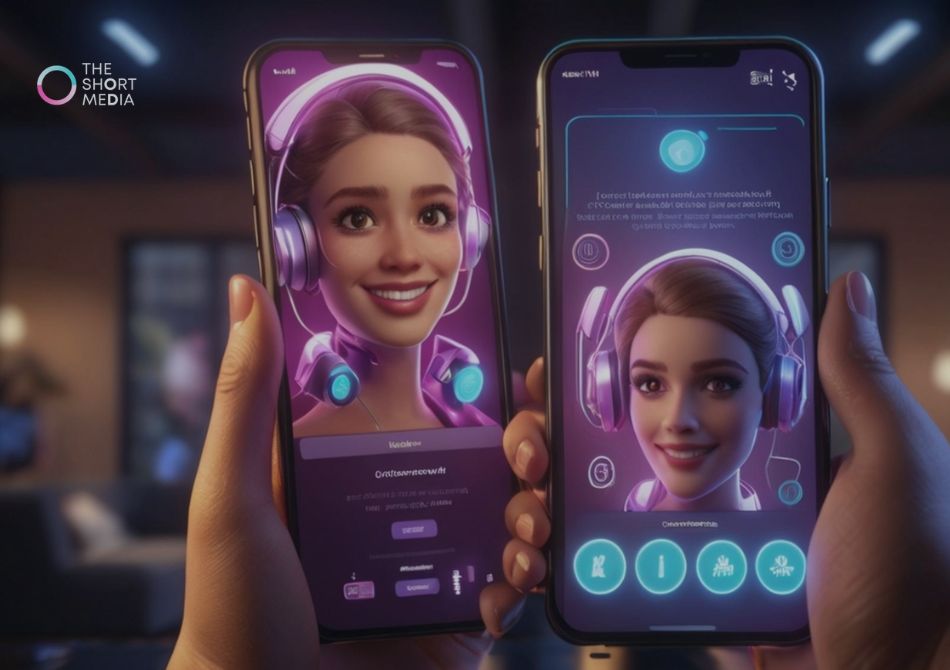
A few months ago, I saw a skincare brand testing two TikTok ads for the same serum. One was shot in a clean studio with a polished creator who hit every line exactly right. The other used an AI avatar delivering a tighter script with on-screen product callouts and a slightly uncanny smile. Guess which one got more comments. Not the one you’d expect. The studio video looked better. The AI version got more curiosity. People asked if the person was real, whether the results were legit, and why the voice felt “almost normal.” That probably sounds like a problem, but for that brand, it turned into useful traction. The comments exposed skepticism the landing page never addressed. The team rewrote the hook, changed the product demo, and performance improved on the next round. That’s where AI avatars sit on TikTok right now. Not as a magic replacement for creators. Not as a gimmick you throw into the content calendar because everyone else is doing it. They’re a tool. Sometimes a very efficient one. Sometimes a weird one. Usually both. If you’re working with a TikTok content creation agency, or thinking about hiring one, AI avatars are already part of the conversation—especially for brands producing a lot of short form video content across paid and organic. AI avatars aren’t replacing creators, but they are changing the workflow Let’s get this out of the way first: most brands still do better on TikTok when the content feels observed, casual, and a little lived-in. That’s why a product demo filmed in someone’s kitchen can beat a $15,000 studio shoot. I’ve seen it happen with food brands, supplements, even home organization products. The kitchen video had bad overhead lighting and a dog barking in the background. It still won because it felt like a real person actually used the thing. AI avatars don’t naturally bring that kind of texture. At least not yet. What they do bring is speed, consistency, and scale. For a TikTok creative agency, that matters more than people sometimes admit. If you need 20 variations of a script for testing different hooks, price points, or objections, an avatar can help you get there without booking five creators and waiting two weeks for revisions. That’s especially useful for: – Amazon products testing multiple angles fast – Local service brands that need explainers in different markets – DTC brands building paid social creative at volume – Retail launches where timing matters more than perfect production A TikTok creative agency can use AI avatars to pressure-test messaging before investing in more expensive creator shoots. That’s a pretty practical use case. Not glamorous. Just smart. Where a TikTok content creation agency can actually use AI avatars well A good TikTok content creation agency usually won’t use avatars for everything. That’s where brands get into trouble. They hear “AI” and suddenly want every piece of short form video content to feature a digital spokesperson with flawless skin and suspiciously smooth lip-sync. That gets old fast. The better approach is narrower. Script testing before creator production This is probably the cleanest use. Before sending a brief to creators, a team can test several avatar-led videos with different hooks: – “I bought this because…” – “Three things I wish I knew before using…” – “This is why mine kept breaking” – “I didn’t think this would matter, but…” You’re not testing creator charisma here. You’re testing message-market fit. Big difference. A TikTok content creation agency that understands paid social will often use AI avatars as a rough draft layer. If one angle pulls stronger watch time or click-through, then it makes sense to put budget behind human-led versions. Explainer content for products that need a little education Some products are easy to show. A lip stain, a pan set, a protein bar. Others need more setup. Water filtration systems. Posture devices. Home security add-ons. Niche supplements with unfamiliar ingredients. For those, AI avatars can handle simple educational short form video content pretty well, especially when paired with screen text, diagrams, or customer footage. You don’t need a creator pretending they “randomly found” a sump pump monitor and now can’t live without it. Honestly, that kind of script reads fake immediately. A TikTok creative agency can build avatar videos that feel more like guided product explainers than fake testimonials. That distinction matters. Localization and volume For U.S. brands with multiple regions, store openings, franchise locations, or bilingual audiences, avatars can help produce more short form video content without rebuilding every asset from scratch. A dental chain in Texas might need one version for English-speaking suburbs and another for Spanish-speaking neighborhoods. A home services brand might want city-specific intros for Phoenix, Tampa, and Charlotte. AI avatars can make that less painful operationally. Not perfect, though. You still need someone to catch awkward phrasing. AI-generated speech has a way of making normal copy sound like it was approved by legal, then translated twice. The trust issue is real, and a TikTok creative agency should be honest about it This is where some agencies get a little too optimistic. People on TikTok are very good at spotting when something feels off. Not always technically off. Just socially off. The pause before a smile. The too-even voice. The hand gesture that doesn’t match the sentence. A creator reading a script too perfectly has the same problem, by the way. You can feel the stiffness. That means a TikTok content creation agency shouldn’t sell AI avatars as a trust shortcut. For categories where credibility is fragile—beauty, wellness, parenting products, anything with claims—you need to be careful. An AI avatar saying “this cleared my skin in a week” is a mess waiting to happen. Even if it’s legally cleaned up, it can still come across as evasive. In beauty especially, people want texture, lighting shifts, close-ups, comments, routine context. They notice when the face talking about the product doesn’t have pores. That doesn’t mean avatars are useless in these categories. It means … Read more