

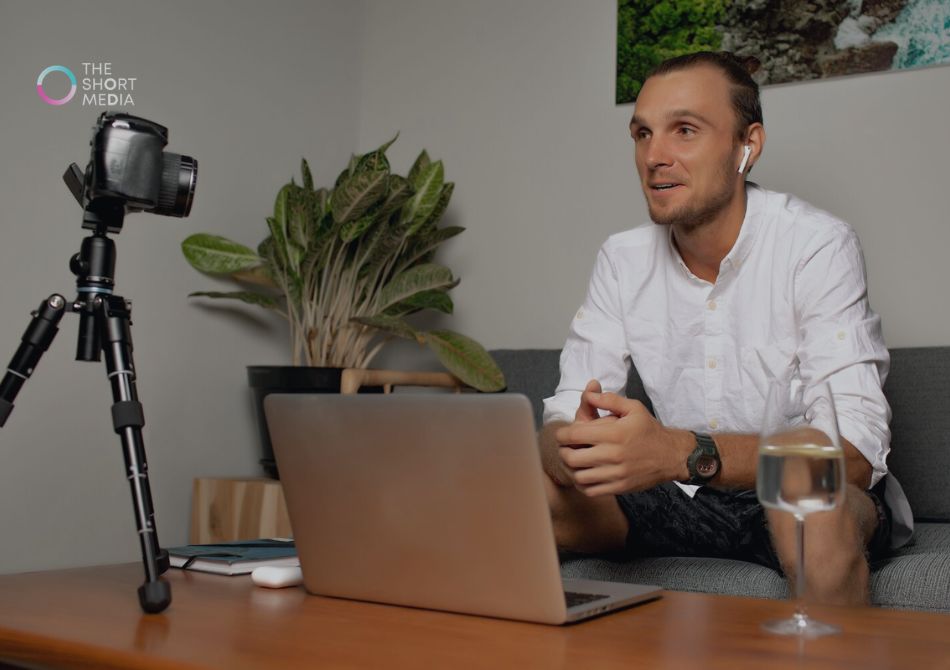
A brand spends three weeks polishing a 30-second TikTok ad, gets legal approval, color-corrects it, adds captions that look like they came from a Super Bowl spot, launches it… and the comments immediately tell on them. “This feels like an ad.” “Why is she talking like that?” “How much is this really?” Not always brutal, but enough to tank performance.
Then there’s the scrappy version. Same product. Shot in a founder’s kitchen, bad overhead light, slightly awkward hook, real demo, real hands. That one gets saves, comments, and a much cheaper CPA.
That gap is where most campaigns in the US fall apart. Not because TikTok is mysterious. Mostly because a lot of brands are still treating it like Meta with faster cuts.
If you’re looking at tiktok ads services USA, that’s usually the real issue under the surface: not just media buying, but whether the strategy, creative, and offer actually fit the platform.
Most TikTok ads don’t fail because of targeting
That’s the first thing I’d say to any founder or marketing lead who’s frustrated after a month of spend.
Targeting matters, sure. Budget matters. Tracking matters too, especially when attribution gets messy across Shopify, Amazon, and retail. But a lot of failed campaigns are really creative failures wearing a media buying disguise.
I’ve watched beauty brands in the US launch polished videos that looked expensive and performed terribly, while a creator-shot clip filmed in a bathroom mirror drove most of the conversions. Same audience. Same product. Different feel.
The problem is usually one of these:
– The ad starts too slow
– The creator sounds over-rehearsed
– The product benefit isn’t obvious in the first few seconds
– The script was approved by too many people
– The brand joined a trend two weeks too late
– The landing page doesn’t match what the ad promised
That’s where strong TikTok Ads Management starts to look very different from basic campaign setup. Good teams aren’t just launching ads. They’re diagnosing friction between the creative, the audience, and the offer.
What top agencies see that brands often miss
A lot of agencies say they do TikTok. Fewer are actually good at advertising on tiktok ads in a way that fits US buyers, creators, and category quirks.
The better agencies usually notice the small stuff.
For example, comments are often more useful than survey data. A food brand might run a snack ad and see people asking, “Is this actually crunchy?” or “Why is it so expensive for that size?” That’s not random engagement. That’s market feedback. Sometimes the sales page never answered the objection, and the ad comments did.
I’ve also seen home product brands push “problem/solution” ads too hard when the product was really winning on satisfaction. Watching someone clean a stained sink in a real kitchen often beat the scripted “Are you tired of…” version by a mile. People don’t need a lecture. They want to see the thing work.
Top agencies build around that reality. Their TikTok Ads Management process usually includes creative testing at a much faster pace, with less attachment to any single concept.
Not every ad needs to be pretty. It needs to earn attention.
Why tiktok ads services USA need a different playbook
The US market is crowded, expensive, and weirdly segmented.
A Texas-based fitness brand, a New York beauty startup, and a Midwest local med spa are all technically running on the same platform. But the buying behavior, comment culture, and creative tolerance can be completely different. That matters when you’re advertising on tiktok ads.
For US brands, especially, there are a few recurring issues:
Creative gets “brand safe” until it stops working
This is probably the biggest one.
A founder wants authenticity. The legal team wants precision. The brand team wants consistency. The result is often a creator reading a script too perfectly, hitting every key message, sounding like they’re being held hostage by bullet points.
That ad usually dies.
The agencies that do well with tiktok ads services USA know how to protect the brand without sanding off the personality. They’ll keep the claims compliant, but they won’t force every creator into the same stiff delivery.
Brands confuse UGC style with actual credibility
Just because something looks native doesn’t mean it feels believable.
A lot of weak advertising on tiktok ads uses fake-casual scripts. You know the type. Forced surprise, exaggerated reaction, suspiciously clean apartment, oddly perfect “first impression.” Audiences in the US are pretty good at spotting that.
The ads that hold up tend to include specifics. A mom showing how a lunchbox product actually fits in a school bag. A skincare creator mentioning that a serum pills under sunscreen, except this one didn’t. A pet brand showing the dog ignore three toys before caring about one. Tiny details. That’s what gives the ad weight.
The landing page is still doing 2019 conversion tactics
This one gets ignored too often.
You can have decent TikTok Ads Management, solid click-through rates, and still lose money because the product page feels disconnected from the ad. Especially with DTC brands and Amazon products.
If the ad is casual, visual, and fast, then the landing page can’t open with a giant wall of copy and five generic badges. The handoff matters. I’ve seen comment sections reveal objections that the PDP never addressed: sizing confusion, shipping timing, ingredient concerns, whether the product works for apartments, whether it’s safe around kids. Stuff that should have been obvious, but wasn’t.
What strong TikTok Ads Management actually looks like
Not magic. Not hacks. Mostly discipline.
Good TikTok Ads Management usually looks like a team doing a few unglamorous things very well and very often.
They test hooks, not just “ads”
Weak teams test one concept in three aspect ratios and call it a creative test.
Strong teams test five openings for the same product angle. Different first lines. Different visual starts. Different pacing. Sometimes the middle and CTA barely change. That’s normal. On TikTok, the opening earns the rest.
For a US beauty brand, that might mean comparing:
– “I thought this was overhyped”
– “My makeup kept separating until I tried this”
– A close-up demo before any talking
– A comment-led hook pulled from an actual objection
That kind of TikTok Ads Management is less romantic than brainstorming “big ideas,” but it works better.
They build creator systems, not one-off content
A lot of brands burn time chasing a single “perfect creator.”
Top agencies usually build a bench. Different ages, accents, homes, energy levels, and content styles. Especially in the USA, where regional feel can subtly affect performance. A home cleaning product might hit differently with a creator in a real suburban kitchen than in a polished downtown loft. Not always, but enough that it’s worth testing.
And they don’t over-script. If a creator nails every line too cleanly, performance often drops. That little pause, the slight rewording, the unplanned comment about smell or texture, that’s often the useful part.
They treat comments like part of the campaign
This gets overlooked in a lot of advertising on tiktok ads discussions.
Comments can tell you:
– what people don’t believe
– what they’re confused about
– what benefit they actually care about
– whether the price feels off
– whether your creator feels credible
For local services in the US, comments can even reveal geographic friction. A med spa ad might get strong engagement until people realize the offer is only valid in two locations. A home service brand may get demand from states it doesn’t serve. That affects how you write the ad and qualify traffic.
Where advertising on tiktok ads goes wrong for US brands
Usually, it’s not one catastrophic mistake. It’s a stack of small bad decisions.
The ad concept comes from a brainstorm instead of customer language. The creator gets a script with too many selling points. The editor trims out the natural moments because they seem messy. The media buyer doesn’t get enough fresh creative. The landing page doesn’t carry the same tone. Then everyone blames the platform.
I’d also add this: some brands simply don’t have enough volume of creative to compete. That’s especially true in crowded categories like supplements, skincare, and home gadgets. If you’re spending in the USA and refreshing creative once a month, you’re probably already behind.
That’s why tiktok ads services USA can’t just mean campaign setup and reporting. The useful version includes creative operations, creator sourcing, testing structure, landing page feedback, and a willingness to kill weak ideas fast.
The agencies that win tend to be a little less precious
That’s really it.
They don’t fall in love with a concept because the founder liked it.
They don’t keep spending on a polished ad just because it was expensive to make.
They don’t assume what worked on Instagram will work here.
They don’t wait for perfect data when the comments are already telling the story.
The better teams doing advertising on tiktok ads in the US move quickly, pay attention, and stay close to what real customers are reacting to.
Not glamorous. Just effective.
If you’re comparing tiktok ads services USA, that’s the difference worth looking for. Not who talks the biggest. Who can build a repeatable creative system, read the signals early, and adjust before the budget gets burned.
FAQs
1. Why do TikTok ads fail so quickly sometimes?
Usually because the ad loses people in the first seconds. On TikTok, weak hooks get punished fast, and a polished-looking video doesn’t buy you extra patience.
2. How much creative do brands really need for TikTok?
More than most teams think. If you’re spending consistently, a few new ads per month usually won’t cut it. You need variations in hooks, creators, formats, and offers, not just light edits of the same asset.
3. Is TikTok better for ecommerce than local businesses?
Not automatically. Ecommerce has an easier path because fulfillment is simple and broad, but local businesses can do well if the offer is clear and the targeting is tight. The catch is making sure the ad qualifies geography early enough.
4. What does TikTok Ads Management include?
At minimum, media buying, tracking, testing, and reporting. The better version also includes creative strategy, creator coordination, landing page feedback, and regular analysis of comments and performance trends.
5. Should brands use polished studio content on TikTok?
Sometimes, but it usually needs to be mixed with content that feels less controlled. A studio video can work for product clarity, but if every ad feels overproduced, people scroll right past it.
6. How long does it take to know if an ad is working?
You can often get an early read pretty quickly, especially on hook rate, thumb-stop behavior, and comment quality. That doesn’t mean you kill everything in 12 hours, but you usually know which ads deserve more room.
7. Is advertising on TikTok ads expensive in the USA?
It can be, especially in crowded categories and during retail-heavy periods. But the bigger cost is often wasted spend on weak creative, not the CPM itself.
8. Do comments really matter for performance?
Absolutely. They won’t replace your dashboard, but they often explain performance faster than a reporting sheet does. Sometimes the audience tells you exactly why the ad isn’t landing. You just have to read it.
9. What should I look for in tiktok ads services USA?
Look for a team that can show how they test creative, not just how they structure campaigns. If they only talk about targeting and ROAS dashboards, I’d keep looking.