

I’ve watched a U.S. brand spend $40,000 on TikTok creative that looked beautiful and felt completely dead the second it hit the feed. Clean lighting, polished edits, brand-safe messaging, all approved by three departments. It flopped.
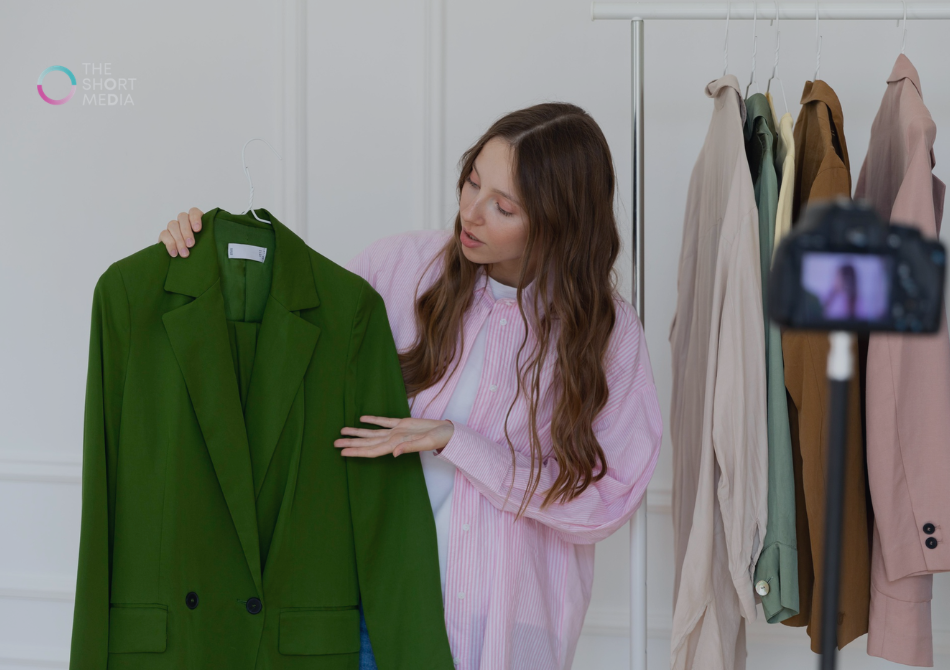
A week later, a creator filmed the same product on her kitchen counter, with a slightly messy background and a dog walking through the frame, and casually mentioned the one problem the product actually solved. That version got comments, saves, and cheaper conversions.
That’s usually the tension with advertising on tiktok ads. A lot of companies still approach it like Meta in 2018 or TV in miniature. TikTok doesn’t reward “expensive” by default. It rewards relevance, pace, and creativity that feels like it belongs there.
For U.S. companies, especially those in beauty, food, fitness, home, local services, and DTC, the opportunity is real. So is the waste if you treat the platform like a box to check.
Advertising on TikTok Ads: what trips brands up first
The first mistake is assuming the media buying side is the hard part. It matters, obviously. But most underperformance starts with creative and offer clarity.
I’ve seen brands blame targeting when the actual issue was simpler: the video never explained why someone should care in the first three seconds. Or it explained it in a way that sounded like legal approved every word. You can feel that instantly on TikTok. A creator reading a script too perfectly usually tanks performance. It doesn’t feel native. It feels assigned.
For U.S. companies, there’s also a habit of over-branding. Logos in the first second, polished intro card, slogan, product beauty shot. That can work for some awareness campaigns, sure, but direct response often needs a rougher edge. A supplement brand in Texas might do better with a customer-style “I bought this because my afternoon crash was getting ridiculous” than with a glossy studio montage.
That’s why advertising on tiktok ads works best when the brand understands platform behavior before campaign structure. People scroll fast. They read comments. They notice if a trend is already stale. And they absolutely pick up on content that was made by someone who doesn’t spend time on the app.
The creative gap most teams underestimate
A lot of internal teams think they need one hero ad and a few cutdowns. On TikTok, that’s usually not enough.
You need volume, and not fake volume where it’s the same video with different captions. Real variation. Different hooks. Different creators. Different settings. Different objections being answered.
A beauty brand launching in Target might test:
– a GRWM-style creator demo
– a dermatologist-style explainer
– a “bought this on a whim” reaction
– a side-by-side comparison
– a comment-response style ad
Those are not cosmetic differences. They attract different viewers and solve different friction points.
This is where tiktok ads services can be genuinely useful, if the team actually understands creative strategy and not just account setup. Plenty of vendors can launch campaigns. Fewer can look at your comments, landing page, offer, and creator roster and tell you why people are hesitating.
I’ve seen comment sections do better research than some formal surveys. A home cleaning product ad might get dozens of people asking if it’s safe for quartz, pets, or wood floors. If your sales page doesn’t answer that clearly, your ad account will feel the pain later.
Why U.S. brands should stop copying each other
There’s a weird pattern where one brand in a category finds a TikTok style that works, then six competitors show up doing a watered-down version of it two weeks later. By then, users have seen it already. The comments get colder. CPMs don’t care that your team finally approved the trend.
This happens a lot in food and wellness. A protein snack brand sees another company winning with “healthy but tastes bad? not this one” style creator videos, then copies the structure line for line. It feels late because it is late.
A good marketing agency tiktok team won’t just chase whatever worked for another account last month. They’ll ask what’s true for your product, your margin, your customer, and your sales cycle. A local med spa in Florida should not sound like a national DTC skincare brand. An Amazon kitchen gadget shouldn’t use the same messaging as a premium Shopify cookware launch.
That sounds obvious, but you’d be surprised how often it gets missed.
Where tiktok ads services actually earn their keep
Not every company needs outside help. Some in-house teams are excellent. But tiktok ads services tend to be worth it when a company has one of these problems:
Creative production is too slow
If your legal, brand, and paid social teams need three weeks to approve a trend-based concept, you’re going to be late a lot. TikTok rewards speed. Not chaos, just speed.
A solid partner can build a creator system, source talent, brief quickly, and turn around iterations fast enough to matter.
The account is spending, but learning nothing
This is common. Spending goes out, results are mixed, and the recap says something vague like “we need more testing.” Fine, but what kind? Hook testing? Offer testing? Landing page alignment? Creator fit? TikTok ads services should be able to answer that without hiding behind dashboards.
The brand keeps making ads that look like ads
This one is painful because teams often think they’re making “TikTok-style” content when they’re really making commercials with trending audio underneath. There’s a difference.
A decent marketing agency TikTok partner will push back when your scripts are too stiff, your edits are too clean, or your product demo is all benefit and no believable use case.
Budget expectations, and a little honesty
U.S. companies often ask whether TikTok needs a huge budget. Not always. But underfunding testing is a fast way to get misleading results.
If you only have enough budget to test two creatives for four days, you’re not really learning much. Especially if both videos are built from the same concept. I’d rather see a smaller brand spend carefully with six distinct creative angles than blow money on one polished campaign and call TikTok “unproven.”
This is where a marketing agency’s TikTok relationship can help, assuming they’re honest about budget reality. Some products need more repetition and more angles before they click. A fitness accessory might hit quickly with strong demos. A higher-priced home product may need education, comments, retargeting, and creator proof before conversion rates settle in.
And if your offer is weak, no media buyer is fixing that. TikTok can expose a bad offer faster than a lot of channels. Which, frankly, is useful.
UGC isn’t magic either
There was a period where some marketers acted like any creator-style content would print money. That phase is over.
Bad UGC is everywhere now. You can spot it fast: over-rehearsed script, fake surprise, too much smiling, no specifics. “I’m obsessed” is not a strategy. If a creator can’t explain why the product was useful in a way that sounds like a person from Ohio or Arizona might actually say it, it probably needs another take.
Good TikTok ad services usually have a better eye for this than internal teams who are seeing the content too close. They know when a creator’s tone feels off, when a hook sounds borrowed, or when a product claim needs to be shown instead of spoken.
I’ve seen a simple demo filmed in a real kitchen outperform a studio setup by 3x. Same product. Same offer. The difference was credibility. The studio version looked expensive. The kitchen version looked true.
What U.S. companies should get right before scaling
Before you push harder into advertising on tiktok ads, make sure a few basics are in place.
Your landing page has to match the ad. Not vaguely. Directly. If the ad is about “no white cast” for a sunscreen, that claim should be easy to find on-page. If comments are full of shipping questions, answer them clearly.
Your product also needs a clean first explanation. Not your brand story. Not your founder mission. Just the practical reason someone would stop scrolling.
And your testing process needs some discipline. Good marketing agency tiktok teams usually build around patterns, not random guesses. They’ll notice that creator-led demos are beating founder videos, or that price objection hooks work better in the Midwest than premium positioning language does. That’s useful. That’s how accounts mature.
The same goes for TikTok ads services on the reporting side. You don’t need a hundred metrics. You need the few that explain what to do next.
FAQs
1. How much should a U.S. company budget for TikTok ads to start?
Enough to test multiple creative angles, not just launch one ad and hope. For many brands, that means budgeting for both media and content production at the same time. If all your money goes to spending and the creativity is weak, you’ll learn the wrong lesson.
2. Do TikTok ads work for local businesses in the USA?
They can, especially for categories that show well on video. Med spas, dentists, gyms, restaurants, and home services can all make it work if the content feels local and specific. A plumber talking plainly about a common repair in Phoenix will usually do better than a generic “trusted service” ad.
3. Is it better to hire TikTok ad services or keep it in-house?
Depends on the team you already have. If your in-house people understand paid social, creator management, and short-form creative, you may be fine. If approvals are slow and nobody wants to own creative testing, outside TikTok ad services can save a lot of wasted spend.
4. What kind of creative usually performs best?
Usually, the kind that gets to the point fast and shows the product in use. Not always “ugly,” not always polished either. A food brand showing texture, prep, and a real reaction tends to beat abstract lifestyle footage. People want enough detail to decide whether it’s worth clicking.
5. Can a marketing agency’s TikTok help with creator sourcing too?
A good one should. That’s often half the battle. The right creator doesn’t just look right on camera; they know how to say something without sounding like they memorised it in the car five minutes earlier.
6. Do companies need organic TikTok before running ads?
Not necessarily, but it helps. Organic posting can reveal which hooks, comments, and product angles people actually respond to. Even a few weeks of consistent posting can give paid campaigns better material to work with.
7. How long does it take to know if a campaign is working?
Sometimes you’ll get a signal quickly, but stable learning usually takes more than a couple of days. If performance is mixed, look at the creative first. I know media buyers hate hearing that, but it’s often true.
8. Are TikTok ads only good for younger audiences?
That idea lingers, but it’s outdated. Plenty of U.S. shoppers in their 30s, 40s, and beyond are on the platform, especially in home, food, beauty, and practical problem-solving categories. If your product solves an everyday annoyance well, age isn’t the first thing I’d worry about.