

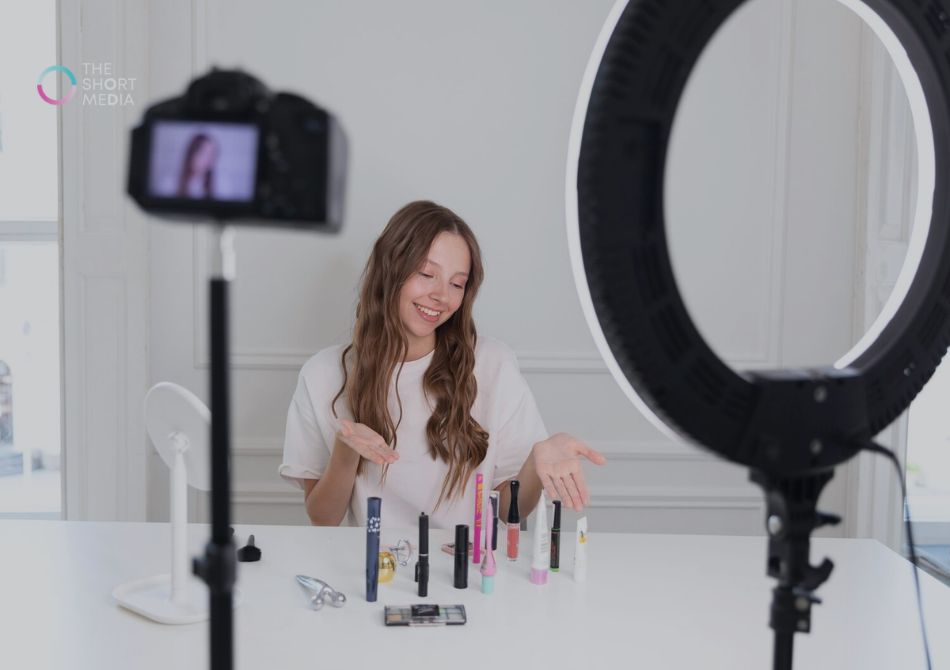
A few months ago, I watched a mid-sized beauty brand burn through a decent test budget on TikTok in under two weeks. Their media buyer wasn’t careless. Their creative team was solid. The problem was simpler than that: the ads looked like ads, the hooks were late, and the landing page answered different questions than the comments section was asking.
That happens a lot.
Teams go into TikTok thinking they can repurpose Meta creative, trim a few seconds, add captions, and call it a day. Then the CPMs wobble, click-through rates look fine but conversions don’t, and everyone starts blaming the platform. Usually it’s not the platform. It’s the setup, the creative process, the testing rhythm, and the lack of platform-specific experience. That’s where tiktok ads services start earning their keep.
Not because TikTok is mysterious. It isn’t. But it does punish lazy assumptions pretty quickly.
A good tiktok ad agency does more than launch campaigns
A lot of brands hear “agency” and think media buying. Fair enough. But a strong tiktok ad agency usually ends up fixing problems well outside Ads Manager.
For one thing, creative fatigue hits faster here than many teams expect. I’ve seen a home products brand in the USA get a decent first week from a polished studio video, then lose momentum almost immediately. Meanwhile, a simple demo filmed on a kitchen counter — not even perfect lighting — kept driving purchases because it looked believable and got to the point in the first two seconds.
That’s the kind of thing experienced tiktok ads services teams notice early. They’re not just watching spend and ROAS. They’re looking at hold rate, thumb-stop rate, comment quality, creator delivery, and whether the ad feels one trend cycle too late. Which, honestly, happens all the time. A brand sees a format working, spends three weeks approving it, and by launch day it already feels stale.
A capable tiktok ad agency helps prevent that lag. They build a system for sourcing creators, testing rougher concepts faster, and separating “interesting video” from “actual sales driver.”
Those are not the same thing.
Advertising on TikTok ads is part media buying, part pattern recognition
The brands that struggle most with advertising on tiktok ads usually aren’t underinvesting. They’re misreading what the platform is telling them.
Take comments. A lot of teams treat comments like community management cleanup. I’d argue they’re often better than a survey. If people keep asking whether a supplement tastes chalky, or whether a cleaning product is safe on quartz, or whether a shapewear item rolls down when sitting, that’s not random chatter. That’s objection data. And if your sales page barely addresses it, your conversion rate will show you the gap.
This is one reason tiktok ads services matter for brand growth. Good operators don’t just optimize campaigns. They feed insights back into product pages, offer strategy, creator briefs, and even packaging claims.
I’ve seen this with food brands, especially snack and beverage launches. A founder thinks the main angle is “high protein” or “low sugar,” but the comments keep circling back to taste and texture. If the ad doesn’t show a real bite, a real reaction, maybe a slightly messy close-up, performance stalls. Pretty branding won’t save it.
And with advertising on tiktok ads, little details matter more than people want to admit. A creator reading a script too perfectly can tank a video. A UGC clip with one awkward pause can outperform because it feels less rehearsed. Slightly annoying, but true.
Why in-house teams often hit a ceiling
I’m not anti in-house. Some of the best paid social teams I’ve worked with were internal. But TikTok tends to expose process issues fast.
Maybe the design team is booked out for two weeks, so new concepts can’t get edited quickly. Maybe legal needs to review every creator line item, which kills the speed needed for trend-based testing. Maybe the paid team has data, but no authority to ask for five new hooks by Friday. That’s how decent accounts go flat.
A seasoned tiktok ad agency usually brings a workflow the brand doesn’t already have. Not just strategy decks. Actual throughput.
That can mean:
– weekly creator sourcing and briefing
– faster edit cycles
– testing multiple hooks against one offer
– separating top-of-funnel engagement bait from conversion creative
– building whitelisting or Spark Ads plans around content that already proved itself organically
This is where advertising on tiktok ads becomes less chaotic. The platform still moves quickly, sure, but the work around it gets more disciplined.
For DTC brands in the USA, especially in beauty, fitness, and home categories, that matters a lot. If you’re selling a skincare tool, resistance bands, storage organizers, or a countertop gadget, you need volume in creative testing. Not one “hero video” every month. More like a steady pipeline of angles, faces, and proof points.
The creative gap is usually bigger than the targeting gap
A lot of struggling accounts obsess over audience settings when the creative is the obvious issue.
TikTok’s system can find people. That’s not usually the hard part. The hard part is giving it enough useful creative variations to learn from. This is where tiktok ads services can be worth the cost, especially if your internal team is still treating creative like a campaign asset instead of an ongoing testing engine.
I’ve seen brands spend days debating interest stacks while running the same three tired videos. Meanwhile, a competitor is cycling through 20 creator clips, product demos, comparison angles, customer objection videos, and weirdly specific use cases. Guess which account gets more signal.
A strong tiktok ad agency will usually push a brand to make more content than feels comfortable. That’s often the right call.
Not polished-for-the-sake-of-it content, either. Sometimes the best performer is a woman in her car explaining why she bought the thing after seeing it three times. Sometimes it’s a side-by-side test filmed in a real bathroom. Sometimes it’s a local service business showing a technician fixing a problem homeowners actually recognize. Messy grout, foggy mirror, bad overhead light. Fine. It works because it feels close to real life.
Brand growth comes from compounding, not one viral hit
This is another place where advertising on tiktok ads gets misunderstood. Too many teams still chase a breakout ad as if that’s the strategy.
What usually grows the account is repetition with variation. Testing the same core promise through different creators. Reworking a winning hook for Amazon traffic versus Shopify traffic. Building separate creative for retail launches versus direct-response offers. Running prospecting and retargeting with different expectations instead of asking one video to do everything.
That’s the less glamorous side of tiktok ads services, but it’s often the part that drives real revenue.
For example, if a CPG brand is launching into Target, the ad objective and message probably shouldn’t look identical to a DTC conversion push. Store locator creative, social proof, shelf callouts, and “I found this at…” style creator videos can help. Different job, different ad.
A good tiktok ad agency knows when to stop forcing one framework across every goal.
When it makes sense to bring in outside help
Not every brand needs a full-service partner forever. But if any of this sounds familiar, outside support is probably worth considering:
Your team is launching ads, but creative testing is inconsistent.
You’re getting views and clicks, but weak purchase efficiency.
Organic content performs okay, yet paid results don’t follow.
Your creators look polished but not convincing.
You keep learning the same lessons slowly.
That last one is the expensive part.
The better tiktok ads services providers shorten the learning curve. They’ve already seen the beauty founder over-script the demo, the food brand hide the actual texture shot, the home goods company use pristine studio footage for a product people mostly buy after watching someone use it badly in a real apartment. They’ve seen the comments reveal objections the landing page missed. They’ve seen a trend get approved two weeks too late. All of that saves time if someone catches it early.
And time, on TikTok, tends to show up as wasted spend if you ignore it.
FAQs
1. How soon can a brand expect results from TikTok ads?
Sometimes you’ll see promising signals in the first couple of weeks, but stable performance usually takes longer. Especially if the account needs creative testing from scratch. If a team expects clean answers after launching three videos, that’s usually not enough.
2. Is a tiktok ad agency better than managing campaigns in-house?
Depends on the team. If you already have strong creative production, fast approvals, and someone who really understands platform behavior, in-house can work well. A tiktok ad agency helps most when execution is slow or the team keeps repeating the same creative mistakes.
3. What kinds of brands do best with advertising on tiktok ads?
Products that show well tend to have an easier start: beauty, food, gadgets, fitness gear, home organization, pet items. But I’ve also seen local service brands do well with advertising on tiktok ads when they show the actual problem clearly instead of trying to look too polished.
4. Do TikTok ads need creators, or can brands use polished brand videos?
Creators help a lot, but not every creator video is good. Some feel like they memorized every line and hit every beat too cleanly. That usually reads flat. A mix is better: creator content, demos, customer-style clips, and some brand-owned footage where it makes sense.
5. Why do some TikTok ads get clicks but not sales?
Usually there’s a disconnect somewhere. The ad creates curiosity, but the product page doesn’t answer the objections. Or the offer is weak. Or the video is entertaining in a way that attracts the wrong click. Happens more than people admit.
6. Are tiktok ads services only for big brands?
Not really. Smaller DTC brands often benefit a lot because they can’t afford months of sloppy testing. The trick is finding tiktok ads services that fit your stage, not paying for an oversized agency model you won’t use.
7. How much creative testing is actually needed?
More than most teams plan for. If you’re serious, think in batches, not one-offs. A few new hooks, a couple of fresh creators, maybe a product angle you almost skipped because it felt too obvious. Those “too obvious” demos often do surprisingly well.
8. Can advertising on tiktok ads help with Amazon sales too?
Absolutely. But the creative should match the destination. If you’re sending traffic to Amazon, the ad needs to do a bit more pre-selling and simplify the value fast. Advertising on tiktok ads for Amazon products can work well when the video shows the use case immediately and doesn’t rely on a long brand story.