

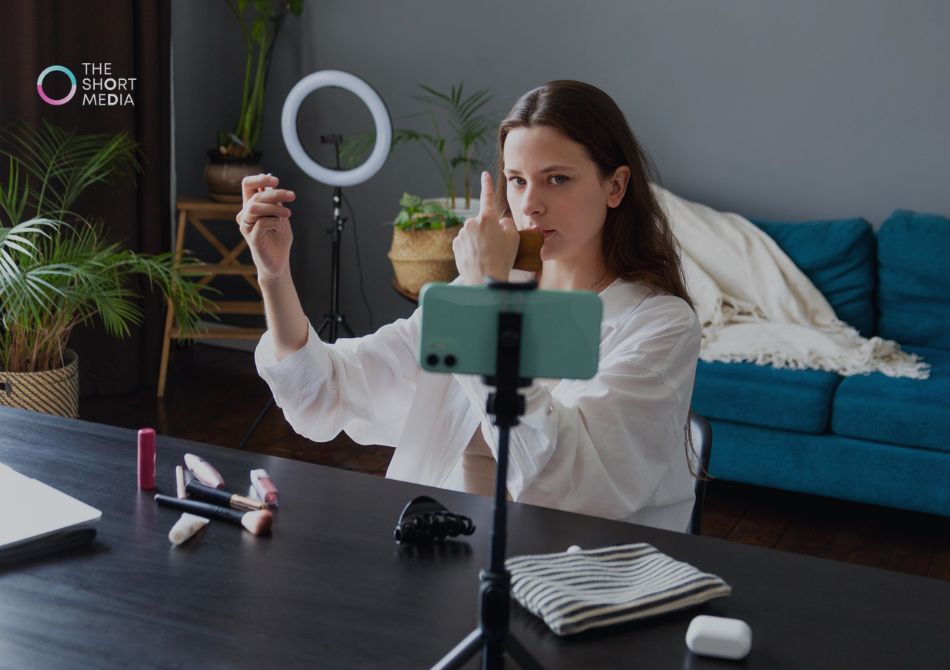
I’ve seen this happen more than once: a brand spends three weeks debating hooks, approves a polished shoot, gets legal to trim every line until the script sounds like it was written by a compliance team, and then asks why the videos feel flat.
That’s usually the failure point. Not after launch. Before it.
A lot of teams treat TikTok like a media placement when it’s really a messy mix of creative testing, audience behavior, comment mining, creator chemistry, and speed. If the setup is wrong, no amount of budget saves it. A TikTok marketing agency can help, sure, but only if the brand is willing to fix the stuff that tends to break campaigns early: bad creative assumptions, slow approvals, weak creator briefs, and a TikTok marketing strategy that looks good in a deck but has no pulse in the feed.
Most failed campaigns start with the wrong brief
The brief is often where things go sideways.
A brand says it wants “viral content,” “high engagement,” and “strong ROAS” all at once, but gives creators a script that reads like a product page. Or the team insists on fitting six selling points into a 20-second video. Or someone pulls references from Instagram Reels that already felt old there.
That’s not a creator problem. That’s a planning problem.
A solid TikTok marketing strategy starts with one clear job per asset. Maybe one video is there to stop the scroll with a weirdly specific pain point. Another is there to demo the product in a real setting. Another handles objections that showed up in comments or on Amazon reviews. When every video has to do everything, it usually does nothing especially well.
I worked on a home product launch where the first concept deck was full of clean lifestyle shots and tidy talking points. Fine on paper. But the content that eventually worked was a slightly chaotic kitchen demo filmed on a phone, with a creator showing the mess before the product solved it. Not glamorous. Much better.
A polished ad is often the wrong starting point
This is where a lot of brands in the USA still hesitate. They want TikTok content to look “premium,” especially in beauty, wellness, and retail. I get it. Nobody wants sloppy creative.
But there’s a difference between low-quality and overproduced.
On TikTok, overproduced often means distant. A serum brand can spend $15,000 on studio footage and still lose to a creator standing in bathroom lighting saying, “I didn’t expect this texture, honestly.” Same product. Different level of trust. The creator version feels like a person noticed something. The studio version feels approved.
That doesn’t mean every campaign should look accidental. It means your TikTok marketing services need to account for platform behavior, not just brand standards. The audience can tell when a script has been sanded down too much. You can hear it when a creator reads the CTA just a little too perfectly.
And once that happens, comments get quiet. Or worse, they get polite.
The TikTok marketing strategy is usually too slow for the platform
A lot of campaign plans are built on timelines that make sense for TV, Meta, retail calendars, maybe even YouTube. TikTok punishes that kind of pace.
I’ve watched brands join a trend nearly two weeks late because the internal review chain took forever. By the time the post went live, the sound was tired and the joke had already been done by 8,000 people, including three competitors.
A real TikTok marketing strategy has to leave room for reaction time. Not chaos. Just speed where speed matters.
That might mean:
– pre-approved creator guardrails instead of line-by-line scripts
– faster edit review for trend-led content
– weekly creative refreshes, not monthly postmortems
– paid and organic teams actually talking to each other
This is where experienced TikTok marketing services earn their keep. Not by throwing out random trends, but by setting up a process where creative can move before the moment passes.
Brands keep guessing instead of listening
One of the most useful things on TikTok isn’t the view count. It’s the comments.
Comments tell you what people didn’t understand, what they don’t believe, what they wish the demo showed, and what they’re comparing you to. I’ve seen comments reveal pricing objections the sales page never addressed. I’ve seen women in beauty campaigns ask if a product pills under sunscreen, and nobody on the brand side had thought to answer that in creative. I’ve seen fitness products get interest from an older audience the brand wasn’t targeting at all.
If your campaign is built without that kind of listening, you’re guessing.
A sharp TikTok marketing agency will usually pull from comment sections, creator feedback, customer reviews, Reddit threads, and even Amazon Q&As before creative gets locked. That’s the stuff that gives a TikTok marketing strategy some realism. Otherwise you end up with generic messaging about “quality” and “convenience,” and nobody really responds to that.
Creator selection gets treated like casting, not matching
This one is common. A brand picks creators based on follower count, aesthetic, or whether they “look right” for the brand book. Then the videos come back and feel stiff.
Usually the mismatch was obvious from the start.
A creator who’s great at dry humor may not be the right fit for a heartfelt wellness testimonial. A polished beauty creator might not sell a rugged home-cleaning tool as well as a mom who naturally films in a cluttered laundry room. For local services in the USA, like med spas or home renovation companies, the best-performing content often comes from creators who feel regionally believable, not nationally polished.
Good TikTok marketing services don’t just source creators. They look for fit in delivery style, audience expectations, and whether the person can make the product feel like part of their normal life.
And honestly, some creators are much better off-script. If they sound too rehearsed in the first draft, that’s usually not something editing fixes.
Paid media gets brought in too late, or too early
There’s a weird split in a lot of teams. The organic side wants to “see what happens.” The paid side wants to scale immediately. Both can miss the point.
If paid media enters before the creative has shown any signs of life, you’re just paying to confirm a weak concept. If paid waits too long, useful learnings get delayed and the campaign drifts.
The better setup is tighter collaboration. Your TikTok marketing strategy should include testing hooks organically, identifying hold rates and comment quality, then moving promising assets into paid with variations. That’s where TikTok marketing services can be practical instead of decorative.
For DTC brands, especially in categories like supplements, snacks, and home gadgets, this matters a lot. A video with average views but strong saves and comments can become a strong ad with the right edit. A flashy post with shallow engagement usually doesn’t.
A TikTok marketing agency can help, but it won’t fix internal friction
This is worth saying plainly. Hiring a TikTok marketing agency is not a shortcut around internal indecision.
If your legal team removes every useful claim, if brand managers need five rounds of approvals on creator wording, if nobody can agree on whether the goal is awareness or conversion, the campaign is already dragging weight uphill.
The best agency partners improve structure, creative testing, reporting, and creator management. They can sharpen a TikTok marketing strategy and bring stronger TikTok marketing services than most in-house teams can build quickly. But they can’t force a brand to move like a platform-native publisher.
That part has to come from the client side too.
What better campaign prep actually looks like
The campaigns that launch well usually don’t start with a giant concept. They start with sharper inputs
A few things tend to help:
– three to five clear audience tensions, not broad personas
– creator briefs with room to interpret
– proof points pulled from real customer language
– multiple hooks for each concept
– a plan for comment response and iteration
– paid testing built into the creative process
Nothing revolutionary there. But very few teams do all of it well.
A food brand launching in Target might need creator content that feels like “I grabbed this during my normal run” rather than a glossy brand intro. An Amazon product might need side-by-side demo footage because shoppers are skeptical and practical. A local service business may need before-and-after proof and a believable face more than trend participation.
That’s the difference. Content built for actual buying behavior, not just campaign optics.
FAQs
1. Why do TikTok campaigns fail before any ads even run?
Usually because the creative setup is wrong from the start. The brief is vague, the message is too polished, approvals take too long, or creators are asked to sound like copywriters. By launch day, the content already feels stale.
2. Is it better to use creators or produce brand-owned content?
Usually both, but not in equal ways. Creators are often better at making the first impression feel natural. Brand-owned content can work well for product demos, proof, and retargeting especially if the team knows how to shoot for the platform and not just repurpose old assets.
3. How early should paid media teams be involved?
Earlier than most brands think. Not to take over, just to help shape testing. If paid teams can flag what usually holds attention, what editing styles work, and which claims trigger stronger conversion, the creative gets better before budget is spent.
4. What does a TikTok marketing agency actually do?
The useful ones handle creator sourcing, briefing, testing structure, reporting, editing feedback, and campaign iteration. A weak one just sends trend ideas and monthly summaries. Big difference.
5. How many videos should a brand launch with?
More than one or two, that’s for sure. You need enough variation to learn something. For most campaigns, a small batch of different hooks and creator styles beats one “hero” video every time.
6. Are trends necessary for a strong TikTok marketing strategy?
Not always. Some of the best-performing content has nothing to do with trends. A clear product demo, a strong opinion, or a creator explaining a real use case can outperform trend-based content pretty easily if it feels timely and believable.
7. What should brands look for in TikTok marketing services?
Look for process, not just editing samples. You want a team that can explain how they test hooks, choose creators, read comments, and adapt creative week to week. If their whole pitch is “we make viral videos,” I’d keep looking.
8. Can small businesses in the USA make TikTok work without a huge budget?
Absolutely, though it helps to stay realistic. A local bakery, med spa, or cleaning service doesn’t need a huge production budget. It needs consistency, decent instincts, and content that feels like it came from a real place. Sometimes the less fussy videos do better anyway.