

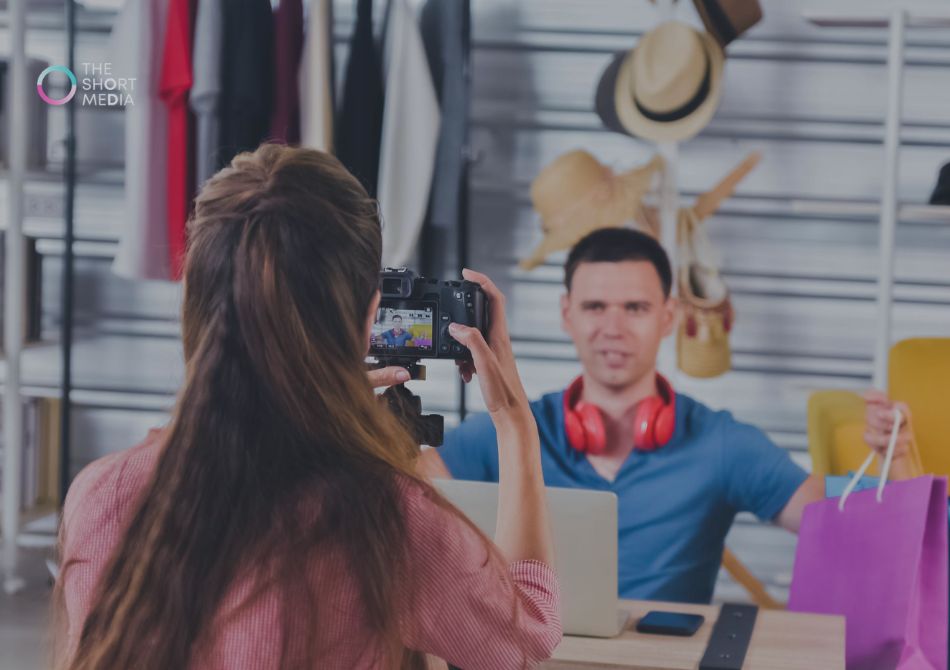
I’ve watched more than one brand launch on TikTok Shop like it was just another sales channel. They upload products, hand a few samples to creators, boost a couple videos, and wait for the orders. A month later, they’re annoyed. Traffic looks messy, creators posted late, the comments are full of questions nobody answered, and the sales they expected never really showed up.
That’s usually the point where a TikTok shop agency gets the call.
Not because TikTok Shop is impossible. It isn’t. But it’s weird in ways Amazon isn’t. On Amazon, a listing can carry a lot of weight if the reviews are strong and the pricing is right. TikTok Shop is more chaotic. A product can move because one creator filmed a quick demo in her kitchen, with bad overhead lighting, and somehow that did better than the polished studio version the brand spent real money on. I’ve seen that happen more than once.
For US brands, especially in beauty, supplements, home gadgets, fitness accessories, and impulse-friendly food products, TikTok Shop can work. But it usually works when someone is actually managing the moving parts, not just “posting content.”
TikTok Shop isn’t just storefront setup
A lot of companies still treat this like a setup problem. As if once the store is connected and inventory is synced, the hard part is over.
It’s not.
The hard part is getting products sold in a feed where people are half-shopping, half-killing time, and fully ready to scroll past anything that feels too planned. That’s where a TikTok e-commerce agency tends to be more useful than a general paid social team. The skill set is different.
A good team isn’t only handling backend operations. They’re looking at creator fit, offer structure, affiliate outreach, comment patterns, shipping friction, live selling, and whether the content actually matches how people buy on the platform.
I’ve seen brands make very normal mistakes here. A beauty company sends creators a script that sounds like legal approved every word. The creators read it too perfectly. Performance tanks. Or a kitchen product brand jumps on a trend after it’s already dead, because the internal approval cycle took 12 days. Or comments keep asking, “Does this work on sensitive skin?” and nobody updates the product page or creator talking points. That stuff matters more than people think.
What a TikTok e-commerce agency actually does all week
The work is less glamorous than people expect. It’s not just trend decks and creator lists.
A solid TikTok e-commerce agency is usually buried in product selection, creator communication, performance reviews, fulfillment issues, and content testing. They’re figuring out which SKU should be pushed first, because not every product belongs on TikTok Shop. Some items are too expensive for cold impulse buys. Some need a stronger demo. Some are better as bundles.
They’re also watching for the little signals.
Maybe a protein snack brand in the USA sees strong click-through on creator videos, but conversion drops on the product detail page. That often means the content did its job, but the listing didn’t. Maybe the title is weak, maybe the reviews are thin, maybe shipping timing looks sketchy. A decent TikTok shop marketing team catches that quickly.
Or take a home-cleaning product. The polished ad with the spotless white kitchen underperforms, but a creator showing a real grease mess on a stovetop gets saves, comments, and sales. Not surprising, honestly. TikTok users can smell overproduced creative fast. A TikTok e-commerce agency should know when to stop polishing and start proving.
The creator piece is where most brands get sloppy
This is probably the biggest gap I see.
Brands often assume creator marketing means finding people with big followings. That’s still how some teams talk about it internally, which is a problem. For TikTok Shop, you usually need creators who can sell, not just creators who look good on a media list.
A TikTok shop agency should be building a bench of creators who understand product hooks, objections, pacing, and how to make a recommendation sound like something they’d actually tell a friend. Follower count helps sometimes. Conversion skill helps more.
That matters for affiliate programs too. A lot of TikTok shop marketing comes down to recruiting enough creators, giving them usable direction, tracking output, and not annoying them with bloated approval processes. If every video needs three rounds of feedback, the good creators drift away.
And there’s another thing. Not every creator who makes nice content can handle live selling. Live is its own format. Different energy, different stamina, different sales rhythm. A TikTok shop agency that understands live commerce will cast differently than one that only knows UGC briefs.
TikTok Shop vs Amazon: same product, different behavior
Since you mentioned Amazon too, it’s worth saying this plainly: don’t treat TikTok Shop like a smaller Amazon.
Amazon buyers often arrive with intent. They search, compare, read reviews, check delivery dates, maybe glance at A+ content, and buy. TikTok Shop buyers are often persuaded mid-scroll. They didn’t wake up planning to buy a scalp serum, a posture corrector, or a mini waffle maker. The content created the demand, or at least accelerated it.
That changes the strategy.
On Amazon, your listing quality and review base do a lot of the heavy lifting. On TikTok Shop, the creative angle matters more upfront. The comments matter. The offer matters. A TikTok e-commerce agency will usually think in terms of hooks, creator volume, affiliate incentives, and velocity. An Amazon team is more likely to focus on ranking, retail readiness, and conversion optimization inside search.
The smarter brands use both channels differently. A DTC beauty brand might use TikTok shop marketing to generate fast-moving discovery around a hero product, then use Amazon as the place where repeat buyers and comparison shoppers feel comfortable checking out. That’s often a healthier setup than trying to force one platform to do both jobs.
When hiring a TikTok shop agency makes sense
Not every brand needs outside help. If you’ve got an internal team that already understands creators, paid amplification, affiliate management, and operational support, fine. Keep it in-house.
But a TikTok shop agency usually makes sense when:
– your team keeps treating TikTok like Meta with different dimensions
– creators are posting, but nobody is really managing performance
– your Shop is live, yet the content and product page feel disconnected
– you’ve got decent products for impulse or demo-driven buying, but no system behind them
– you’re trying to coordinate TikTok Shop with Amazon, retail, or DTC launches
That last one comes up a lot in the USA. A brand gets shelf placement at Target or Walmart, or they’re pushing Amazon during Prime events, and suddenly TikTok content needs to support retail awareness without confusing the Shop offer. It gets messy fast. A good TikTok e-commerce agency can help map those moments so the channels don’t cannibalize each other or send mixed signals.
What to look for before you sign anything
I’d ask fewer questions about “viral strategy” and more questions about workflow.
How do they recruit creators every week? How do they handle underperforming affiliates? What happens when a product gets traction but fulfillment starts slipping? How do they decide which videos get paid support? What do they do with comment insights?
That last one is underrated. Comments are often where the real objections show up. I’ve seen comments reveal that a supplement tasted worse than the landing page implied, that a cleaning tool looked smaller than expected, that a hair product left residue on darker hair. If your TikTok shop marketing team isn’t mining that feedback, they’re missing free research.
Also, ask for examples beyond vanity metrics. Views are nice. Revenue is nicer. Repeatable creator output is nicer than that.
A capable TikTok shop agency should be able to talk through what happened when a launch stalled, not just show you the one campaign that popped off.
FAQs
1. Is TikTok Shop better than Amazon for most products?
Usually not as a blanket rule. They do different jobs. Amazon is stronger when people already know what they want, while TikTok Shop can create demand for products that demo well, especially in beauty, food, fitness, and home categories.
2. How much does a TikTok e-commerce agency typically manage?
It varies a lot. Some only handle creator sourcing and affiliate management. Others run the full thing: shop setup, listing optimization, creator briefs, live support, reporting, and TikTok shop marketing tied to paid media.
3. Do I need a lot of creators to make TikTok Shop work?
You usually need more volume than you think. One or two polished creators rarely carry a whole program. In practice, the brands that get traction often have a steady flow of creators testing different angles, because performance can be oddly uneven from one post to the next.
4. Can a small US brand afford a TikTok shop agency?
Some can, some really can’t. If your margins are thin and your operations are already stretched, an agency won’t fix that. But if you’ve got a product with decent margin, clear demo value, and the ability to fulfill quickly, outside help can save months of fumbling around.
5. What kinds of products do well with TikTok shop marketing?
Products that show well in a few seconds tend to have an easier time. Think pimple patches, energy drinks, resistance bands, organizing tools, pet accessories, kitchen gadgets. Boring products can still sell, but they need a sharper angle and better creators.
6. Should TikTok Shop and Amazon use the same content?
Not exactly. Some footage can overlap, sure. But Amazon content usually needs to answer practical buying questions more directly, while TikTok shop marketing often needs a stronger hook and a more natural creator voice. Same product, different mood.
7. How long does it take to see results?
Sometimes faster than people expect, sometimes slower. A product can catch quickly if the creator fit and offer are right, but consistency is the harder part. Getting one spike is not the same as building a channel that keeps producing sales.
8. What’s the biggest mistake brands make?
Trying to control the creative too tightly. That, and assuming pretty content equals selling content. Honestly, some of the highest-converting videos look a little scrappy. Not careless. Just believable.