

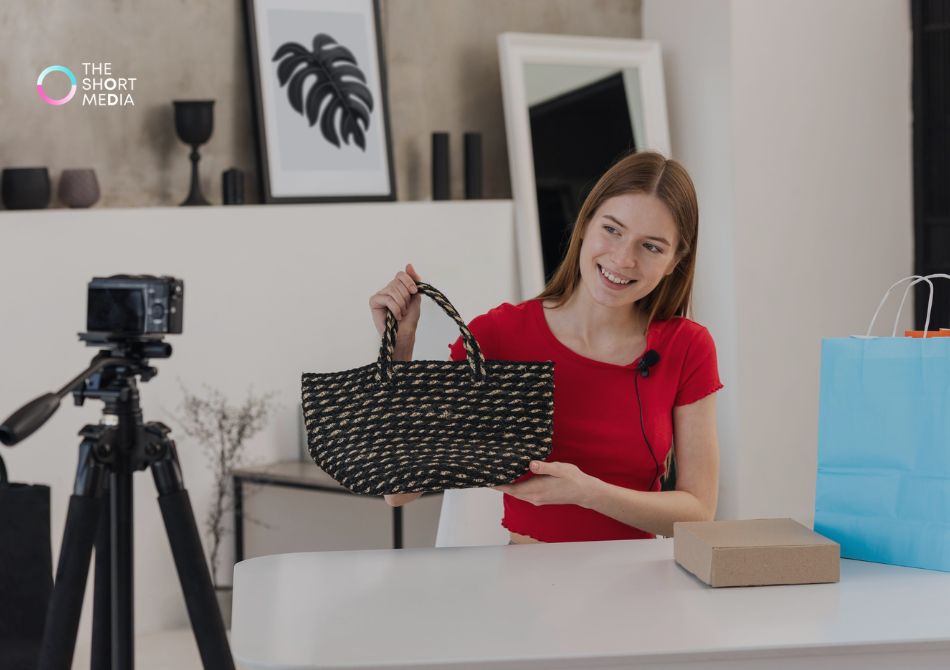
A few months ago, I watched a mid-size beauty brand spend weeks polishing a TikTok launch. Clean studio lighting. Tight scripts. Founder soundbites. It all looked expensive, which was part of the problem. The videos felt expensive too. Meanwhile, a creator they almost passed on filmed a quick demo at her bathroom sink, showed the product texture in bad morning light, mentioned that it didn’t pill under sunscreen, and moved more units in two days than the polished campaign did in two weeks.
That’s pretty much where a lot of U.S. brands are with TikTok Shop right now. They know there’s demand. They know people are buying. But they’re still treating the platform like a regular paid social channel with a checkout button attached. It isn’t that.
If you’re thinking about hiring a tiktok shop marketing agency, the useful question isn’t “Can they run TikTok?” Plenty of teams can post content and launch Spark Ads. The better question is whether they understand how tiktok shop ecommerce actually behaves when creators, comments, affiliates, offers, and conversion content all start affecting each other at once.
What a tiktok shop marketing agency should actually be doing
A good tiktok shop marketing agency isn’t just there to “make content.” That’s the easy part, honestly. The harder part is building a system where content, creator relationships, product selection, and offer timing all support the same sales goal.
For U.S. brands, especially in beauty, supplements, kitchen products, fitness accessories, and impulse-friendly home goods, the winning setup usually looks a little messy from the outside. Not disorganized. Just less precious.
You need creators who can sell without sounding like they’re selling. You need product pages that answer objections people are already dropping in comments. You need affiliates who can move volume, not just collect samples. And you need someone watching the data closely enough to know when a hero SKU is carrying the account versus when it’s time to rotate in a bundle or lower-priced entry item.
That’s where a tiktok shop marketing agency earns its fee. Not by posting more often. By connecting the parts most brands keep treating separately.
The tiktok shop marketing strategy shift: less campaign thinking, more momentum
A lot of teams still approach TikTok in bursts. Launch week. Promo week. Holiday push. Then they wonder why things stall.
A working tiktok shop marketing strategy is more like managing momentum than managing campaigns. That sounds a bit abstract, but in practice it’s pretty concrete. You’re looking for signals: which hooks are getting saves, which creators are driving add-to-cart but not checkout, which comments keep repeating the same objection, which product bundle suddenly starts converting because someone framed it as a “restock kit” instead of a bundle.
I’ve seen this play out with food brands in the U.S. especially. A snack company will push taste and macros in every video because that’s what the internal team thinks matters. Then a creator casually mentions that the product doesn’t get crushed in a gym bag, and that becomes the angle that moves sales. Not because it’s more creative. Because it answered a real use-case.
That’s the difference between a generic content calendar and a sharp tiktok shop marketing strategy. One fills slots. The other listens.
U.S. brands are getting smarter about creator fit
Follower count still distracts people more than it should. On TikTok Shop, creator fit usually matters more than creator size.
A Texas-based home cleaning brand might get stronger results from a creator with 18,000 followers who films in her actual laundry room than from a lifestyle creator with 400,000 followers whose audience mostly watches for aesthetics. Same with fitness. I’ve seen resistance bands sell better through a physical therapist explaining shoulder mobility than through a polished gym influencer doing dramatic workout edits.
This is a big area where tiktok shop ecommerce feels different from traditional influencer marketing. You’re not just borrowing reach. You’re buying believability, and not the fake kind. If the creator reads a script too perfectly, performance usually drops. You can almost feel the audience pulling back.
A smart tiktok shop marketing agency will know how to brief creators without flattening them. Some agencies are still over-directing every line, and you can tell. The content comes back technically correct and totally dead.
Product pages are finally getting the attention they should’ve had
This one’s overdue.
A lot of brands obsess over videos and barely touch the actual product listing. Then they act surprised when traffic doesn’t convert. But tiktok shop ecommerce is still ecommerce. If your title is vague, your images are weak, your reviews are thin, and your product description sounds like an Amazon listing from 2018, you’re making the content work too hard.
The stronger brands are tightening this up. They’re using creator clips on listings. They’re pulling language straight from comments. They’re answering very specific concerns: Will this work on textured hair? Is the pan nonstick without a weird chemical smell? Does the protein powder blend in cold almond milk or just regular milk?
That kind of detail matters more than brand voice polish. It also sharpens your tiktok shop marketing strategy, because the sales page starts reflecting what actual buyers care about, not what the internal team brainstormed in a meeting.
Affiliates are no longer a side channel
For a while, some brands treated TikTok Shop affiliates like a bonus. Nice if it works, not core to the plan. That’s changed.
Now, for many U.S. consumer brands, affiliate recruitment is central to tiktok shop ecommerce growth. Especially if the product has a clear demo, repeat purchase behavior, or a price point that feels easy to test. Think pimple patches, seasoning blends, posture correctors, sheet masks, pet hair removers, under-$30 kitchen tools.
But affiliate scale brings its own mess. Some creators want free product and never post. Some post once with a weak hook and disappear. Some can sell, but their audience quality is off. You need a system for outreach, approvals, replenishment, commission management, and content review without becoming weirdly controlling.
A serious tiktok shop marketing agency should already have that workflow. If they’re pitching TikTok Shop and talking only about ad creative, they’re missing a huge part of the channel.
Paid media still matters, but not in the old way
There’s still a role for paid support, obviously. But the brands getting traction aren’t just throwing budget behind brand-made assets and hoping scale fixes weak creative.
Paid works best when it amplifies what already has proof. That might be affiliate content. It might be a creator demo that started converting organically. It might be a rough-looking comparison video shot in a kitchen that somehow beats your studio footage by 4x on click-through. Happens all the time, by the way.
A practical tiktok shop marketing strategy uses paid to extend winners, test variations, and support key retail or seasonal moments without forcing content that hasn’t earned attention yet.
That’s especially relevant for U.S. retail launches. If a brand is heading into Target, Walmart, Ulta, or even a regional grocery rollout, TikTok Shop can help create velocity before shelf discovery catches up. But the content has to feel native to TikTok first. If it feels like a retail ad with a trendy sound pasted on top, people scroll right past it.
The comments section is doing more work than some landing pages
This is one of the more overlooked trends.
Comments on TikTok Shop videos often expose the exact friction points blocking purchase. Not vague “engagement.” Real objections. Shade match confusion. Shipping concerns. Ingredient skepticism. Sizing questions. Whether the mop head is machine washable. Whether the sauce is actually spicy or “Midwest spicy.”
Good teams are mining those comments constantly. That’s not glamorous work, but it improves tiktok shop ecommerce performance fast. It shapes follow-up videos, listing copy, FAQ updates, even which creators you choose next.
I’ve seen comments save campaigns more than once. A home product brand kept pushing “space-saving” as the main angle. Comments kept asking whether the item was renter-friendly and if it left marks on drywall. Once they addressed that directly, conversion improved. Same product. Better answer.
That’s a real tiktok shop marketing strategy adjustment, not just community management.
What U.S. brands should look for before hiring help
Not every tiktok shop marketing agency is built for this. Some are just social agencies with “Shop” added to the deck because clients started asking.
You want a team that can talk through:
– affiliate sourcing and creator retention
– product page optimization
– offer structure
– content testing volume
– paid amplification
– reporting tied to sales, not just views
And ideally, they’ve worked with products that need explanation, not just products that are naturally viral. A lip oil can get attention fast. A collagen powder, a cleaning gadget, or a regional food product usually needs better framing.
The strongest agencies also understand U.S. buying behavior by category. Beauty buyers in New York and LA don’t respond exactly like suburban moms shopping cleaning products in Ohio. A tiktok shop marketing strategy for a DTC skincare line won’t look the same as one for an Amazon-first kitchen brand trying to diversify sales channels.
That should be obvious, but you’d be surprised.
FAQs
1. What does a TikTok Shop agency do that an influencer agency doesn’t?
Influencer agencies usually focus on creator deals and content delivery. TikTok Shop adds product listings, affiliate management, conversion tracking, offer planning, and a lot more day-to-day optimization. It’s closer to running a sales channel than booking sponsored posts.
2. How long does it take to see results on TikTok Shop?
Sometimes you’ll see movement fast, especially with a strong impulse-buy product. More often, it takes a few weeks of testing creators, hooks, and offers before things stabilize. If nothing useful has surfaced after a couple months, something’s off in the setup.
3. Is TikTok Shop only good for cheap products?
Not really. Lower-priced items tend to move faster, sure, but higher-ticket products can work if the demo is strong and the objections are handled well. I’ve seen premium beauty devices do fine once creators stopped sounding like they were reading from cue cards.
4. Do brands need a lot of creator content every week?
Usually, yes. Not endless volume for the sake of it, but enough to test angles without overreacting to one video. A brand posting three polished assets a month is probably not giving itself enough room.
5. Can TikTok Shop help Amazon sellers in the U.S.?
Absolutely. For a lot of Amazon brands, it’s a useful way to build demand outside search. It also gives you more direct feedback on messaging, because the comments will tell you pretty quickly what people don’t understand.
6. Should paid ads come before affiliate outreach?
Usually not. If affiliates and creators are already finding angles that convert, paid has something solid to build on. Starting with ads alone can work, but it’s often a more expensive way to learn basic messaging.
7. What products struggle on TikTok Shop?
Items with unclear benefits, weak visual demos, or too much setup tend to have a harder time. Local services can be tricky too, though I’ve seen some U.S. med spas and dental brands use TikTok-style creator content well for lead generation. Different playbook, though.
8. How do you know if a creator is actually a fit?
Look past follower count. Watch how they explain products, how their audience responds, and whether they can make something feel used instead of promoted. Also, small thing, but if every video has the exact same cadence and smile, I’d be careful.
9. Does every brand need a full tiktok shop marketing strategy?
If TikTok Shop is going to be a real revenue channel, then yes. Winging it usually leads to random creator sends, inconsistent offers, and a lot of internal confusion. If you’re just testing lightly, keep it simple, but still track what’s actually driving sales.