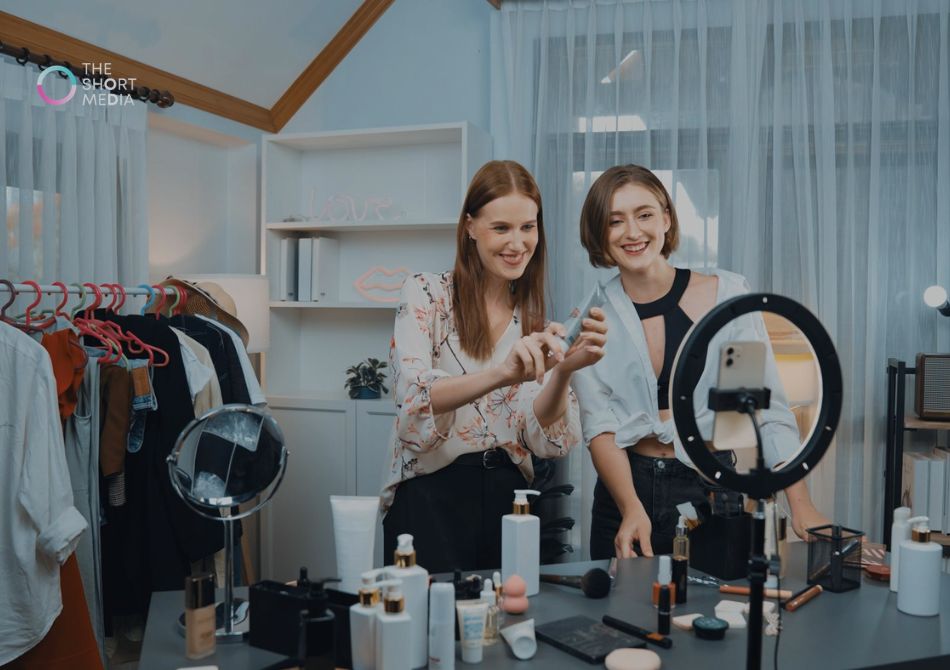
A few months ago, I watched a US beauty brand spend three weeks polishing a landing page for a serum launch. Nice design, clean copy, strong offer. At the same time, one creator posted a slightly chaotic TikTok filmed in her bathroom, talking through how the serum sat under makeup. That video moved more product in two days than the new page did in a week.
That doesn’t mean Shopify is dead. Not even close. But it does tell you where a lot of buying behavior is getting messy, impulsive, and very platform-native. And that’s really the tension here: if you’re choosing between a tiktok shop agency and a Shopify agency in 2026, you’re not just picking a vendor. You’re picking a growth model.
Some brands need stronger site conversion, retention, and merchandising. Others need velocity, creator volume, and native content that can actually sell inside the feed. A lot of teams think they need both, which is fair, but usually one side is the bigger bottleneck.
The real difference isn’t storefront vs storefront
On paper, this comparison sounds simple. TikTok Shop sells inside TikTok. Shopify powers your owned storefront. Easy.
In practice, the gap is more about how customers discover, trust, and buy.
A Shopify agency usually focuses on site design, conversion rate optimization, lifecycle flows, landing pages, subscriptions, bundles, maybe retail support if the brand is in Target or Ulta and wants DTC to keep pace. They’re often strongest when a brand already has traffic and just isn’t converting enough of it.
A tiktok shop agency, though, is usually operating much closer to content, creators, affiliate seeding, live selling, platform promos, and offer packaging. The work is less polished. It’s also less predictable. Good tiktok shop services often look a little scrappy from the outside because they’re built around speed, testing, and creator output rather than perfect brand control.
That difference matters more in 2026 than it did a year or two ago.
Why TikTok Shop keeps pulling budget away from Shopify work
I’ve seen this happen with beauty, snacks, supplements, kitchen gadgets, even boring home organization products. The brand starts by treating TikTok Shop like a side channel. Then a few creator clips hit, affiliate orders come in, comments reveal objections nobody addressed on the product page, and suddenly the team is shifting budget fast.
Not because TikTok is magic. Usually because the buying path is shorter and the content answers real hesitation in a way a polished PDP doesn’t.
A creator opening a protein powder in her kitchen and saying, “okay, this scoop is huge, I used half,” will often do more than a carefully written comparison chart. Same for a home cleaning product demo filmed near an actual stained sink. Studio content can work, sure, but I’ve watched rougher footage outperform it over and over because it feels like a person actually used the thing.
That’s where tiktok shop marketing gets interesting. It’s not just ad buying. It’s product positioning in public, with comments acting like live sales objections.
A strong tiktok shop agency knows how to read those signals and adjust fast. If comments keep asking whether a shade works on mature skin, or whether a snack is too sweet, or whether a resistance band rolls up during workouts, that’s not fluff. That’s messaging research happening in real time.
Where Shopify agencies still win, pretty comfortably
Now for the part people gloss over when they’re excited about TikTok.
Shopify still owns the customer relationship in a way TikTok Shop doesn’t. Email capture, SMS, post-purchase upsells, subscriptions, bundles, quiz funnels, retention strategy, merchandising logic, all that still matters. A lot.
If you’re a US DTC brand with repeat purchase behavior—say coffee, pet supplements, skincare, razor refills, baby products—a Shopify agency can create a much more durable machine. TikTok might drive the first order. Shopify often determines whether that customer becomes profitable by order three.
This is especially true when average order value needs work. TikTok Shop can move units, but not always the basket you want. Brands selling on Shopify have more room to shape the cart, test offers, and build a better post-click experience.
I’ve also seen Amazon-heavy brands use Shopify as their credibility layer. The site doesn’t even need to beat Amazon on convenience. It just needs to tell a stronger brand story, support retail meetings, and give paid traffic somewhere more controlled to land. A Shopify agency is usually better suited for that than teams focused mainly on tiktok shop services.
TikTok Shop services are winning where speed matters more than polish
Here’s the blunt version: if your brand needs demand creation, not just conversion optimization, TikTok Shop has a stronger argument in 2026.
That’s especially true for:
– Beauty brands with demonstrable products
– Food and beverage launches with strong taste or routine angles
– Fitness accessories
– Problem-solving home products
– Trend-sensitive DTC offers
– Products that benefit from creator explanation more than premium branding
The best tiktok shop services aren’t just posting content and hoping. They’re building creator pipelines, managing affiliate relationships, coordinating samples, identifying hooks, refreshing product anchors, and pushing content volume without making every video sound scripted.
And scripted is where a lot of brands go wrong. You can always tell when legal or brand got too involved. The creator suddenly sounds like they’re reading a brochure. Watch time drops, comments get weirdly quiet, and the whole thing feels late. Also, brands love joining a trend about two weeks after it mattered. That part hasn’t changed.
Good tiktok shop marketing in 2026 is less about trend-chasing and more about repeatable selling formats: comparison videos, routine integration, live demos, creator testimonials, objection handling, before-and-after proof where appropriate, and bundles that make sense on-platform.
So which one actually wins in 2026?
If we’re talking momentum, a tiktok shop agency probably wins more new budget conversations in 2026.
If we’re talking long-term business infrastructure, Shopify agencies still have a stronger case for brands that already know how to acquire customers and now need to increase conversion and retention.
That’s why the real answer depends on what’s broken.
If your site gets traffic but conversion is soft, your AOV is low, and returning customer rate is weak, Shopify work probably pays back faster.
If your product is good but nobody’s really talking about it, your paid social creative is stale, and you need more native commerce activity, tiktok shop services may do more for growth than another homepage redesign.
For many brands in the USA, the winner is the one that solves the current bottleneck, not the one with the better pitch deck.
A practical way to choose without wasting six months
Here’s how I’d think about it.
Choose a TikTok Shop-focused partner if…
You need more product discovery. Your category benefits from demos, reactions, or creator explanation. Your internal team can’t manage creator outreach, affiliate coordination, live cadence, and content testing at the speed TikTok requires.
A good tiktok shop agency can help if your brand has been treating short-form content like an ad asset instead of a sales environment.
Choose a Shopify agency if…
You already have traffic from Meta, Google, Amazon halo, retail awareness, or creators, but your site isn’t doing enough with it. You need stronger landing pages, upsells, retention, subscription logic, or cleaner merchandising.
That’s less exciting than tiktok shop marketing, maybe, but often more profitable.
Choose both if your team can actually support both
This only works if roles are clear. I’ve seen brands hire a Shopify agency and a tiktok shop agency, then force both teams into the same attribution argument for four months. Not fun.
The cleaner setup is this: TikTok drives discovery and first purchase behavior; Shopify captures owned customer value and repeat economics. Separate jobs. Shared reporting. Less drama.
What smart brands are doing now
The better brands aren’t asking whether TikTok Shop replaces Shopify. They’re asking which environment should carry which part of the sale.
A beauty brand might use tiktok shop marketing to move hero SKUs through creators, then use Shopify for bundles, subscriptions, and email-driven replenishment.
A food brand might test new flavors with tiktok shop services first because the feedback loop is fast and brutally honest, then move proven winners into a stronger Shopify merchandising setup.
A home product company might use TikTok Shop to prove a mop or organizer can actually solve a visible problem on video, while Shopify handles higher-AOV kits and post-purchase cross-sells.
That split feels more realistic than the old “owned vs rented platform” debate. Customers don’t care about that framing. They buy where the friction is lowest and the proof feels believable.
FAQs
1. Is TikTok Shop better than Shopify for most brands?
Not across the board. For impulse-friendly products with strong demo potential, TikTok Shop can move faster. For retention, bundles, subscriptions, and customer ownership, Shopify still has the edge.
2. What does a tiktok shop agency usually handle?
Most teams cover creator sourcing, affiliate management, product seeding, content planning, live support, promo strategy, and reporting. The better ones also help shape offers and identify what creators keep hearing in comments, which is often more useful than a survey.
3. Are tiktok shop services only useful for cheap impulse products?
No, but the product does need a clear angle. I’ve seen premium skincare, wellness products, and kitchen tools sell well when the demo is convincing and the creator actually sounds believable. If the value takes ten slides to explain, it gets harder.
4. When should a brand hire a Shopify agency instead?
Usually when traffic isn’t the main issue. If people are landing on your site and not converting, or they buy once and disappear, that’s a Shopify problem more than a content problem.
5. Can tiktok shop marketing help Amazon sellers?
Absolutely. A lot of Amazon brands use TikTok Shop to create demand outside Amazon search. It also gives them more raw creative feedback, which they can recycle into Amazon listings, ads, and even packaging copy.
6. Is it realistic to run TikTok Shop and Shopify at the same time?
It is, but only if someone owns the overlap. Inventory, pricing, promo timing, attribution, creator codes, and customer support can get messy fast. This is where brands get sloppy, honestly.
7. How long does it take to see results from tiktok shop services?
Sometimes a few weeks, sometimes longer. If the product is creator-friendly and the offer is right, you can see traction pretty quickly. If the first batch of creators reads every brief too perfectly, expect to reset and try again.
8. Does Shopify still matter if social commerce keeps growing?
Very much so. Social commerce can generate the first order, but owned channels still matter when you want margin control and repeat purchase behavior. That part hasn’t gone away.