

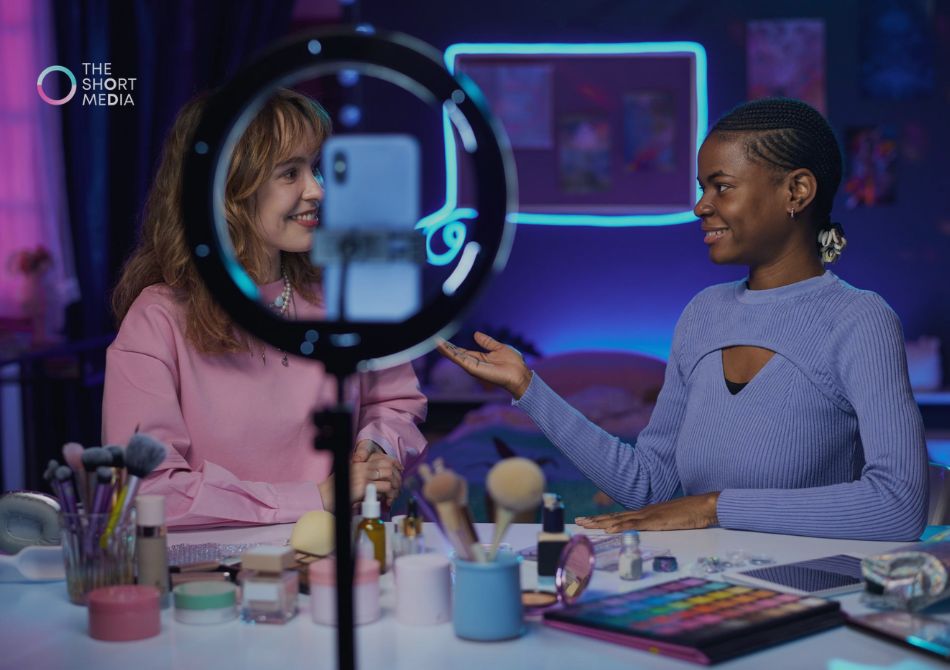
A few months ago, I watched a mid-sized beauty brand spend real money boosting a TikTok that looked polished, expensive, and completely wrong for the platform. Nice lighting. Clean branding. A founder who clearly memorized every line. It flopped.
A week later, a creator filmed the same product on her bathroom floor, half-rushing through a demo before work, and the comments were full of the stuff the brand actually needed to hear: _Does it pill under sunscreen?_ _Will this work on textured skin?_ _Why is the bottle so small for that price?_ That video did more for product positioning than three internal meetings and a carefully written landing page.
That’s the problem a lot of brands are still dealing with in 2026. They’re not just trying to “be on TikTok.” They’re trying to make it work across creative, paid, creator partnerships, retail timing, and conversion. That’s where a tiktok for business strategic agency starts to matter.
Not because agencies magically fix everything. Plenty don’t. But the right one sees the platform for what it is: a moving target where creative fatigue hits fast, trends expire early, and comments often tell you more than your survey data.
Why “just posting more” stopped being enough
There was a stretch where some brands could get away with volume. Post often, try trending audio, stitch a few creator clips together, maybe put some money behind the strongest one. Sometimes that still works. Usually, not for long.
The brands getting traction now tend to have tighter systems behind the scenes. Their organic team talks to paid. Their paid team isn’t recycling Facebook-style hooks. Their creators aren’t reading scripts like they’re in a compliance training video. And someone is actually reviewing comments for objections, not just likes and watch time.
That’s why more companies are looking for tiktok marketing services that go beyond content calendars. They need strategy tied to business goals. If you’re a DTC supplement brand in the USA, your TikTok plan shouldn’t look like a regional HVAC company’s. If you’re launching in Target next quarter, your content needs to support retail awareness differently than if you’re trying to improve Amazon conversion on a single hero SKU.
A good agency knows the difference. A bad one sends the same “UGC package” to everyone.
What a tiktok for business strategic agency actually does
This is where the conversation gets fuzzy, because a lot of firms say they do strategy when they really mean posting and reporting.
A real tiktok for business strategic agency usually sits at the intersection of creative direction, media buying, creator sourcing, testing, and audience insight. They’re not just asking what to post next week. They’re asking:
– What kind of content gets watched long enough to earn distribution?
– Which creator types match the product and price point?
– Where does the ad account need fresh angles because frequency is creeping up?
– What are people saying in comments that the product page still hasn’t answered?
– Is the brand trying to look premium when the audience actually wants proof?
That last one comes up a lot, especially in home products and beauty. I’ve seen brands insist on studio-shot demos for a cleaning product, only to watch a handheld kitchen video outperform it because people could actually believe it. A grease splatter on a stovetop is more persuasive than a spotless set.
And when tiktok business ads are involved, strategy matters even more. Media spend can disappear fast when the creative doesn’t line up with the audience’s expectations. You can’t brute-force relevance.
TikTok creative is not an asset library problem
This is one of the biggest disconnects I see with internal teams.
A brand says they need 20 videos. Fair enough. But 20 videos built from the same script, same talking points, same angle, same opening shot? That’s not testing. That’s duplication with wardrobe changes.
Good tiktok marketing services push for variation where it counts: the first two seconds, the framing of the problem, the level of polish, the creator persona, the product use case, the setting. A fitness brand might learn that “what I eat before my 6 a.m. workout” performs better than a direct supplement pitch. A frozen food brand may find that a slightly messy microwave lunch demo beats a glossy overhead recipe edit. That happens all the time, honestly.
The point isn’t to make random content. It’s to create enough meaningful variation that tiktok business ads can find traction before fatigue sets in.
Paid and organic need to stop acting like separate departments
Some of the weakest TikTok programs I’ve seen had decent organic content and decent paid media teams that barely spoke to each other.
Organic was learning that users kept asking if a product was worth the higher price. Paid was still running top-funnel ads about features. Organic found a creator with strong retention and believable delivery. Paid never whitelisted her. Organic noticed a comment thread from moms comparing the product to a cheaper Walmart option. Nobody updated the angle in ads.
That disconnect gets expensive.
A strong tiktok for business strategic agency usually builds a feedback loop between organic and paid, because the platform doesn’t reward siloed thinking. If a creator’s post is pulling comments that reveal hesitation around size, scent, ingredients, setup time, or shipping, that’s not just community management. That’s messaging research.
And if you’re spending serious money on tiktok business ads, those signals should shape the next round of creative fast. Not next quarter.
Where agencies help most in 2026
By now, most brands understand they need creators. The harder part is choosing the right creators, briefing them without flattening their voice, and knowing what to do with the footage after it comes in.
I’ve seen brands over-script creators so heavily that every line sounds ironed out. You can feel the approval process in the final cut. Then they wonder why the hold rate drops in the first second.
This is where experienced tiktok marketing services earn their fee. They know when to give creators structure and when to back off. They know that a food creator filming in a real kitchen in Ohio may sell a snack product better than a polished lifestyle influencer in a downtown loft. They know a local med spa in Texas probably needs trust-building educational content before direct offer-driven ads. They know an Amazon brand selling storage organizers may need ten practical use-case videos before the obvious “before and after” angle starts working.
That kind of judgment is hard to fake.
The better agencies also understand timing. Joining a trend two weeks late is still common, by the way. So is building a campaign around a sound that legal can’t clear at scale. A seasoned tiktok for business strategic agency plans around those realities instead of pretending they don’t exist.
The ad account only tells part of the story
Metrics matter, obviously. But TikTok can fool teams that stare too hard at dashboard snapshots.
A cheap click doesn’t mean the message is strong. A high view count doesn’t mean the audience is qualified. Even a decent ROAS can hide creative problems if one winning ad is carrying weak follow-ups behind it.
That’s why tiktok business ads need interpretation, not just reporting. If a beauty brand sees strong thumbstop but weak conversion, maybe the hook is too broad. If a home gadget ad converts on TikTok but gets poor Amazon reviews for setup difficulty, the content may be overselling ease. If comments keep asking whether a protein snack tastes chalky, and none of the ads address taste head-on, there’s your next brief.
The better tiktok marketing services teams spend time in the comments, in creator DMs, in retail reviews, in product pages. Not just in Ads Manager.
Not every brand needs an agency. Some definitely do.
If you’re a very small business with one product, a lean budget, and a founder willing to be on camera consistently, you may not need a full outside partner yet. You might need a sharp freelancer, a creator roster, and a realistic testing budget.
But once things get layered, multiple SKUs, retail expansion, regional targeting, creator volume, paid spend, internal approvals, things get messy fast. That’s where a tiktok for business strategic agency becomes less of a nice-to-have and more of an operating advantage.
Especially in the USA, where category competition is crowded and creative standards shift quickly. Beauty is crowded. Better-for-you snacks are crowded. Home gadgets, supplements, wellness tools, local service businesses trying to franchise — all crowded. You can’t really wing it for long.
And that’s the less glamorous truth here: brands don’t need help because TikTok is mysterious. They need help because running it well requires judgment, speed, creative range, and someone willing to say, “This content looks expensive, but it doesn’t feel believable.”
That’s often the difference.
FAQs
1. What does a TikTok agency do that an internal social team usually can’t?
Usually it’s not about talent. It’s bandwidth and pattern recognition. Internal teams are often juggling approvals, product launches, community management, and five other channels, while an agency is watching creative fatigue, creator performance, paid signals, and testing structure all at once.
2. Are TikTok agencies mostly for paid ads?
Not really. Paid matters, but a lot of the value comes from creative strategy, creator sourcing, briefing, editing, and figuring out what the audience is actually responding to. If the creative is off, media buying won’t save much.
3. How much should a brand spend before hiring outside help?
There’s no magic number, which is annoying but true. I’d look more at complexity than spend alone. If you’re managing multiple products, trying to scale tiktok business ads, and need fresh creator content every month, outside support starts making sense pretty quickly.
4. Can a brand just use influencers instead of an agency?
Sometimes, but that setup gets messy fast. Someone still needs to brief creators, review content, negotiate usage rights, organize deliverables, and turn the best footage into ads. That “someone” becomes a full job before most teams expect it.
5. Do TikTok ads still work for local businesses in the USA?
They can, especially for services with strong visual proof or a clear point of difference. I’ve seen local fitness studios, cosmetic clinics, and home service brands do well when the content feels local and believable, not like a national brand template with a city name dropped in.
6. What should brands look for in tiktok marketing services?
Look for specificity. Ask how they test hooks, how they source creators, how they use comments and reviews in messaging, how often they refresh ad creative, and what they do when a founder hates the content that actually performs. That last one comes up more than people admit.
7. How long does it take to see results on TikTok?
Sometimes a video hits quickly. That doesn’t mean the system is working yet. What you want is repeatability — a process for finding useful angles, not one lucky post. For most brands, that takes a few testing cycles.
8. Is polished brand content always a bad fit for TikTok?
No, just often overused. Some polished content works well, especially for product education or retail launch support. But if every video feels approved by six people and nobody sounds like a real customer, performance usually tells on you.