

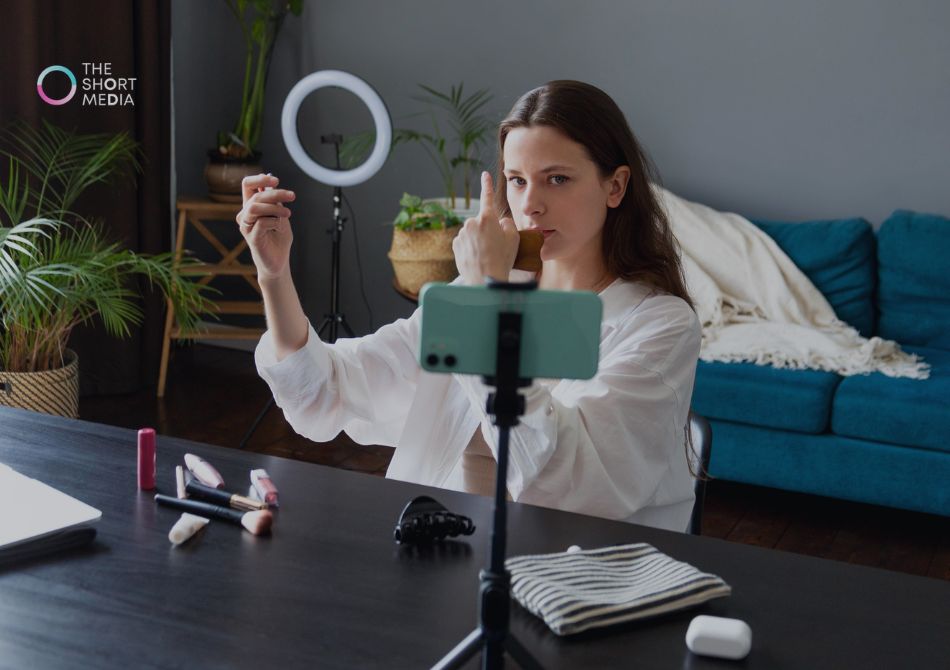
A few months ago, I watched a beauty brand spend real money on a polished TikTok shoot—studio lighting, agency-approved script, perfect product shots, the whole thing. It looked expensive. It also looked like an ad, which was the problem. A creator they hired on the side filmed a looser version at her bathroom sink, stumbled over one line, laughed, kept rolling, and that video pulled the better comments, better watch time, and a noticeably lower CPA.
That’s pretty much the tension with TikTok right now. A lot of brands still want control, but the platform tends to reward something messier, quicker, and more observant. Not careless. Just less overworked.
For US companies, from DTC skincare to regional home service businesses, TikTok is no longer some experimental side channel. It’s where product interest gets shaped early, where objections show up in comments before your landing page team catches them, and where creative fatigue hits faster than most paid social teams are used to. If you’re thinking seriously about tiktok marketing for brands, you have to stop treating it like a shorter version of Instagram or a louder version of Meta ads.
What makes TikTok different for US brands
The biggest adjustment is creative behavior. On TikTok, people don’t sit down expecting a brand message. They’re swiping through a stream of opinions, demos, jokes, routines, bad lighting, strong opinions, and occasional brilliance. Your content enters that feed on the same terms.
That changes how tiktok digital marketing works in practice.
A food brand in the US might get more traction from a “late-night snack test” filmed in a real kitchen than from a campaign asset cut from a TV commercial. A fitness company might learn that a customer showing how resistance bands actually fit into a 12-minute apartment workout performs better than a trainer delivering polished talking points. I’ve seen home product brands get useful traction simply by filming a before-and-after cleanup with a phone on a counter. Not glamorous. Effective.
The comments matter more than some teams expect, too. Sometimes they tell you exactly why a video didn’t convert. Price confusion. Sizing concerns. “Does this work on textured hair?” “Will this stain quartz?” “Can I use this in a small apartment gym?” Those are not minor details. They’re often the missing lines in the next creative batch.
tiktok marketing for brands isn’t just “post more videos”
A lot of advice around tiktok marketing for brands gets flattened into volume. Post daily. Follow trends. Use trending sounds. That kind of thing. Some of that helps, sure, but it’s incomplete.
What actually tends to work is a tighter feedback loop between organic content, creator content, and paid media.
If your team posts ten videos and one gets strong saves, higher completion rate, and comments asking where to buy, that’s not just a nice organic win. That’s a signal. Maybe that hook deserves paid spend. Maybe that creator deserves a second brief. Maybe the angle should show up on Amazon storefront video or retail launch support.
This is where tiktok advertising services can be useful, assuming they’re grounded in creative testing and not just media buying dashboards. A lot of brands don’t need someone to simply turn ads on. They need a system for identifying what kind of content earns attention without looking like it was approved by twelve people.
And yes, twelve people is usually too many.
The creative gap most brands still haven’t fixed
The brands that struggle with tiktok digital marketing usually have one of two problems.
First, they overprotect the brand voice until every video sounds like legal reviewed it twice. You can feel that instantly. The creator reads too perfectly. The benefit list lands in the exact order from the website. Nobody talks like that.
Second, they chase trends too late. I’ve seen teams spot a format, route it through approvals, and publish it almost two weeks after the trend peaked. By then it feels like a parent using slang from last semester.
A better approach is to build repeatable creative buckets instead of waiting for one viral idea to save the quarter. For example:
– product demos in real homes
– customer objection videos
– creator comparisons
– “why I bought this” style storytelling
– reactions to common use cases
– retail availability updates filmed casually, not like a press release
That kind of structure helps tiktok digital marketing stay active without becoming random.
Paid spend works better when the content already feels native
This is where some brands waste money. They assume a paid budget can compensate for weak creative. Usually it just pays to show more people the problem.
In the US market, especially for crowded categories like supplements, skincare, snacks, and household products, paid TikTok creative needs to feel close enough to what users already watch. Not fake-authentic. Just watchable.
Good tiktok advertising services should help with more than campaign setup. They should help answer practical questions like:
Which hooks are getting a real thumb-stop?
Not “which ad has the nicest branding.” Which opening line actually makes someone stay for three seconds?
Which creators can sell without sounding like they’re selling?
There’s a real difference. Some creators have strong presence but read scripts like they’re auditioning. Others can mention a product in a way that sounds like they’d text a friend about it.
Which comments suggest purchase intent versus curiosity?
That matters for retargeting angles and landing page updates.
I’ve also seen tiktok advertising services make a big difference for local businesses in the USA. A med spa, a dental office, even a regional cleaning company can get useful results when the content feels specific to the service and area. Not overproduced. A quick staff intro, a treatment explanation, a real client concern answered plainly—that can go farther than many owners expect.
Where TikTok fits in a broader US marketing mix
TikTok doesn’t replace everything else. It tends to influence everything else.
A strong TikTok video can become a Meta ad, an Amazon product video, a PDP asset, an email GIF, a retail pitch support clip, even a script starter for influencer outreach. That’s one reason tiktok marketing for brands matters so much now: the platform often surfaces the most believable version of your message before your other channels do.
For DTC brands, it can shorten the distance between discovery and purchase. For retail brands, it can create momentum around store launches or seasonal pushes. For service businesses, it can make a business feel familiar before someone ever fills out a lead form.
Still, not every brand should expect overnight scale. Some categories need more education. Some products simply aren’t naturally visual. If you sell a home warranty, for example, your content strategy will need more thought than a snack brand doing taste tests. That doesn’t mean TikTok is off the table. It means your version of tiktok marketing for brands probably needs stronger scripting, local relevance, and sharper audience targeting.
The future of tiktok digital marketing looks less polished, not more
That’s the part some executives still resist.
The future probably isn’t prettier campaign assets cut down for vertical video. It’s more creator-led content, more fast-turn testing, more comments shaping creative, and more internal teams learning to live with content that feels a little less controlled. Not sloppy. Just believable.
The brands doing well with tiktok digital marketing in the USA usually accept that the audience can tell when something has been sanded down too much. They also understand that one good video is useful, but a repeatable creative process is what builds a channel.
And if you’re evaluating tiktok advertising services, look for teams that care about the footage as much as the funnel. Media buying matters. So does the first sentence, the setting, the pace, the face on camera, and whether the demo actually answers the customer’s quiet objection.
That’s the work. Less magic, more pattern recognition.
FAQs
1. How often should a brand post on TikTok?
More often than your legal team would prefer, probably. But seriously, consistency matters more than hitting some mythical daily quota. For most brands, 3–5 solid posts a week is a better place to start than posting twice a day with weak ideas.
2. Do brands need influencers, or can they make content in-house?
Both can work. In-house content is useful when your team knows the product deeply and can move fast. Creators help when you need face-forward content that feels natural on-platform, especially for beauty, food, fitness, and home categories.
3. Is TikTok only good for younger audiences in the USA?
Not really. Plenty of brands still carry that outdated assumption. I’ve seen home organization, kitchen tools, wellness products, and local service businesses pull strong engagement from audiences well beyond Gen Z.
4. What budget do you need to start with paid TikTok ads?
You don’t need a giant test budget, but you do need enough to learn something. A small brand might start with a few thousand dollars around a handful of creative variations. If you spend too little, you often end up judging the platform before the test had a chance.
5. Are tiktok advertising services worth hiring?
They can be, especially if your internal team is stretched or your paid social team doesn’t have TikTok-specific creative instincts yet. Just be careful with agencies that talk mostly about targeting and bidding but have very little to say about hooks, creators, or edit pacing.
6. What kinds of products usually do well on TikTok?
Products with a visible use case tend to get traction faster—skincare, snacks, gadgets, cleaning products, fitness gear, kitchen tools. But “boring” products can still work if the framing is right. Sometimes the angle is the whole thing.
7. How do you know if a TikTok video should become an ad?
Look beyond views. Watch time, saves, shares, comment quality, and click behavior usually tell a better story. If people are asking where to buy, how it works, or whether it solves a specific problem, that’s often a good sign.
8. Can local businesses really benefit from TikTok?
Absolutely, especially in competitive metro areas in the USA. A local med spa, gym, realtor, or contractor can build familiarity fast with simple, useful videos. Honestly, some of the best-performing local content is pretty scrappy.
9. What’s the biggest mistake brands make on TikTok?
Trying to sound like a brand before sounding like a person. That usually leads to stiff scripts, slow openings, and content that feels imported from another platform. People scroll right past it.