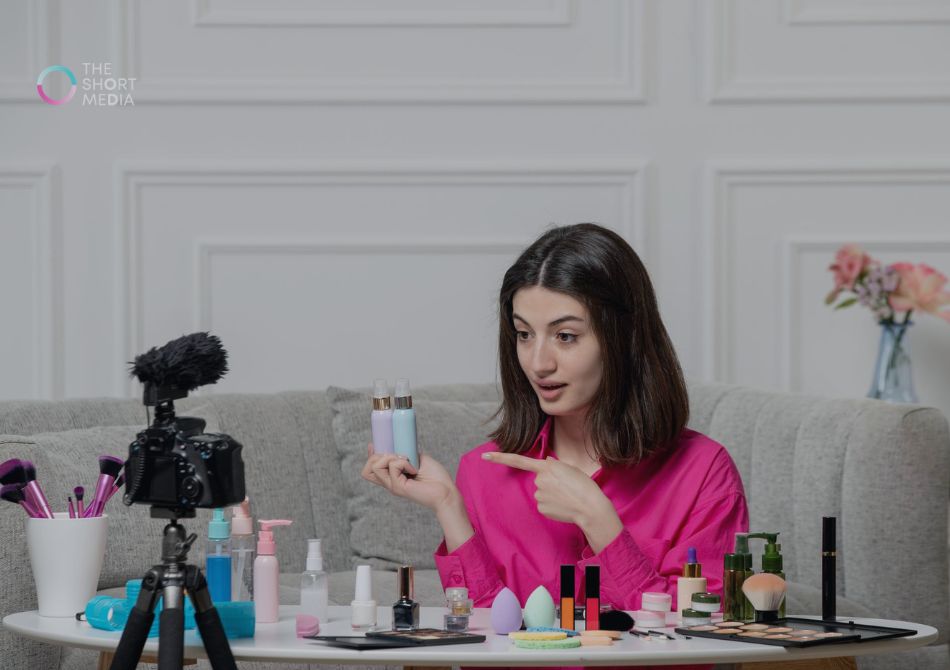
A few months ago, I watched a skincare brand spend weeks polishing a glossy launch video for TikTok. Nice lighting, expensive set, very approved by legal. It flopped. The clip that actually moved product was filmed by a creator in her bathroom, half-whispering about how the serum sat under concealer. Comments filled up with questions the brand’s landing page never answered. Shade match. Texture. Whether it pilled over sunscreen. That’s the sort of thing that explains why so much budget has moved here.
tiktok digital marketing isn’t pulling ad dollars in the US because it’s trendy. It’s pulling them because it collapses the gap between ad, review, demo, and comment thread. For a lot of brands, especially consumer brands, that changes the economics fast.
Not every company handles that shift well. Plenty still show up with TV instincts, over-script creators, and join trends after they’re already dead. But when the strategy is right, the platform gives media buyers, social teams, and founders something they’ve been chasing for years: attention that can still turn into action.
Why tiktok digital marketing keeps winning budget meetings
If you’ve sat in enough budget reviews, you know what usually gets funded: channels that can defend themselves. That’s where tiktok digital marketing has gotten stronger.
It’s not just reach. It’s the mix of discovery and conversion. A beauty brand can run broad creative to cold audiences, then retarget video viewers with creator clips that answer objections. A food brand can test hooks around “high protein,” “kid-friendly,” or “under 10 minutes” and learn more in a week than from a month of polished campaign planning. A home product brand can watch people in comments argue over whether something is actually useful, then turn that into the next ad angle.
That feedback loop matters. In digital marketing tiktok, the comment section often does half the strategy work for you, if your team is paying attention.
US advertisers also like that TikTok can support different business models without feeling like the same old paid social playbook. DTC brands use it to push first-purchase volume. Amazon sellers use it to create demand before Prime events. Retail brands use it to support Target or Walmart launches with creator-style product demos that feel less like circular ads. Even local services have found weird little pockets of efficiency. I’ve seen med spas, orthodontists, and home cleaning companies get better traction from short, slightly messy educational clips than from the polished before-and-after ads they were convinced would win.
The creative doesn’t need to look expensive. It needs to feel believable
This is where teams still get tripped up.
A lot of digital marketing tiktok performance comes down to whether the content looks like it belongs in-feed. Not fake-organic exactly, and not lazy. Just native enough that people don’t swipe in the first second.
That’s harder than it sounds. I’ve seen creators read scripts so perfectly that the ad felt dead on arrival. Every word technically right, no life in it. Then a rougher version, filmed in a kitchen with a dog barking in the background, beats it by 40% on hold rate because it felt like an actual person was talking.
For tiktok advertising services, this is usually the first uncomfortable conversation with brands: your expensive brand video may not be the asset that scales. Sometimes it helps at the retargeting layer. Sometimes not. Usually the winners are simpler:
What tends to work better in-feed
– Product demos with a real use case, not a vague lifestyle montage
– Creator clips that sound like someone talking to a friend, not reciting approved copy
– Hooks built around a specific problem: dry scalp, cramped apartments, post-gym sweat, dog hair on the couch
– Comparisons, reactions, “I didn’t expect this” angles
– Messy but clear visuals
That doesn’t mean quality doesn’t matter. It does. But on TikTok, quality is often about clarity and pace, not polish.
This is a big reason tiktok digital marketing keeps attracting spend from brands that used to keep social budgets concentrated on Meta. The creative testing cycle is faster, and the learning can be more honest. Painfully honest sometimes.
Digital marketing tiktok works best when organic and paid talk to each other
I don’t mean every brand needs to become a full-time publisher. Most don’t have the team for that. But the accounts that perform best usually stop treating organic and paid as separate planets.
A fitness brand, for example, might notice its unpaid posts about gym anxiety get stronger watch time than generic workout clips. That insight can shape paid hooks. A snack brand might see comments asking whether a product is actually filling or just “healthy-looking,” and suddenly the paid team has a sharper angle. A local HVAC company might find that simple “what this repair actually costs in Phoenix” videos outperform generic service promos because people are trying to avoid getting ripped off.
This is where digital marketing tiktok becomes more useful than a media channel. It starts behaving like live market research with distribution attached.
And for agencies offering tiktok advertising services, this is usually the difference between clients who stick around and clients who get frustrated after 45 days. If your reporting only shows CPM, CTR, and CPA, you’re missing the point a bit. The creative signals matter. The comments matter. The saves matter. Which objections keep repeating. Which claim sounds good in a meeting but gets ignored in-feed.
Why US brands are moving more spend here now
Part of it is simple budget pressure. Teams are being asked to prove more with less, and tiktok advertising services often give them more room to test angles quickly without waiting on giant production cycles.
But there’s also a retail reality behind this. US consumers are comfortable discovering products from people who don’t look like polished spokespersons. Not because they “trust authenticity” in some abstract way. More because they can actually see the thing used in a normal apartment, normal car, normal bathroom. That context sells.
A few examples:
Beauty and personal care
This category was always going to spend heavily here. Texture, finish, wear test, shade payoff — these are visual questions. A 20-second clip can answer them faster than a PDP ever will. Good tiktok advertising services in beauty usually build around creator variety, not one hero ad.
Food and beverage
TikTok is strong for food because taste has to be translated into behavior. You can’t sample through a screen, so you show the crunch, the pour, the “I made this in six minutes” reality. One frozen food brand I worked near saw a basic microwave lunch demo outperform branded recipe content because, honestly, that’s how customers were actually using it.
Home and cleaning products
This category does well when there’s visible proof. Pet hair removers, stain sprays, storage products, countertop gadgets. A studio setup can actually hurt here if it looks too controlled. A product demo filmed on a chaotic kitchen counter often lands better.
Local and service businesses
This one gets overlooked. digital marketing tiktok isn’t only for national brands. Dentists, med spas, auto detailers, roofers — if they can explain a problem simply and show real outcomes, they can build demand locally. Not every market will scale the same, but the opportunity is real.
The role of tiktok advertising services has changed
A year or two ago, some brands wanted tiktok advertising services mainly for campaign setup and media buying. That’s not enough now.
The stronger partners are doing creative sourcing, creator management, script shaping without making scripts sound stiff, landing page feedback, offer testing, and post-click analysis. They’re also telling clients when they’re forcing the wrong message.
That part matters. A lot.
Sometimes the product isn’t the issue; the framing is. A supplement brand tries to lead with ingredients when the audience really cares about whether it causes jitters. A cookware brand talks about premium materials while comments keep asking if it’s easy to clean in a small sink. A creator ad underperforms because the first line sounds like legal wrote it. These aren’t media problems. They’re translation problems.
Good tiktok advertising services catch that early.
It’s not easy money, and that’s probably healthy
There’s still a weird belief that TikTok is where brands go when they want cheap attention. Sometimes that happens. Sometimes CPMs look great and the traffic quality is messy. Sometimes a winning ad dies in four days. Sometimes a trend-based concept gets approved so late it arrives already stale. I’ve seen that more than once, and it’s painful every time.
But tiktok digital marketing keeps growing because the platform rewards brands willing to adapt faster than their old process allows. That’s uncomfortable for large teams. It’s also why smaller brands often punch above their weight here.
If you’re in the US market and trying to understand why ad dollars keep moving toward digital marketing tiktok, it’s not because every campaign becomes a viral hit. Most don’t. It’s because the platform gives advertisers a faster read on what people care about, what they ignore, and what actually gets them to click, comment, save, or buy.
That’s worth a lot more than vanity reach.
FAQs
1. Is TikTok still worth it for brands that don’t sell to Gen Z?
Usually, yes. Plenty of US campaigns now skew well beyond college-age audiences. Home products, supplements, kitchen tools, even financial education content can perform if the creative is built for the platform instead of pasted over from another channel.
2. How much should a brand spend to test TikTok ads?
You don’t need a massive launch budget, but you do need enough to test multiple creatives properly. For many brands, a few thousand dollars can give you directional answers. Just don’t spend all of it on one polished hero video and call that a test.
3. Do you need creators, or can brands make content in-house?
Both can work. In-house content usually performs better when the team understands pacing and knows how to talk like a person, not a press release. Creators help when you need fresh faces, different audience fit, or someone who can make a script sound less… approved.
4. What kinds of products struggle on TikTok?
Products with weak visual proof or a long education curve can be tougher. Not impossible, just tougher. If it takes three minutes to explain why the thing matters, you’ll need a sharper hook and probably a stronger landing page too.
5. Are tiktok advertising services necessary for small businesses?
Not always. Some small businesses do fine with a scrappy internal setup and a decent editor. But if you’re burning budget, guessing on creative, or can’t keep up with testing, outside help can save time and probably some money.
6. How many creatives should a campaign launch with?
More than most brands think. I like seeing several hooks, a few creator faces, and different lengths. If you launch with two near-identical ads, you’re not really learning much.
7. Can TikTok work for local US businesses?
It can, especially when the business solves a clear problem and can show real examples. Think med spas explaining treatments, roofers showing storm damage issues, or dentists talking through common insurance confusion. Specific beats generic here.
8. What’s the biggest mistake brands make on TikTok?
Over-controlling the creative. Easily. The ad gets revised until every rough edge is gone, and then it stops feeling human. Sometimes the version with slightly awkward phrasing and a quick product demo is the one that actually gets watched.