

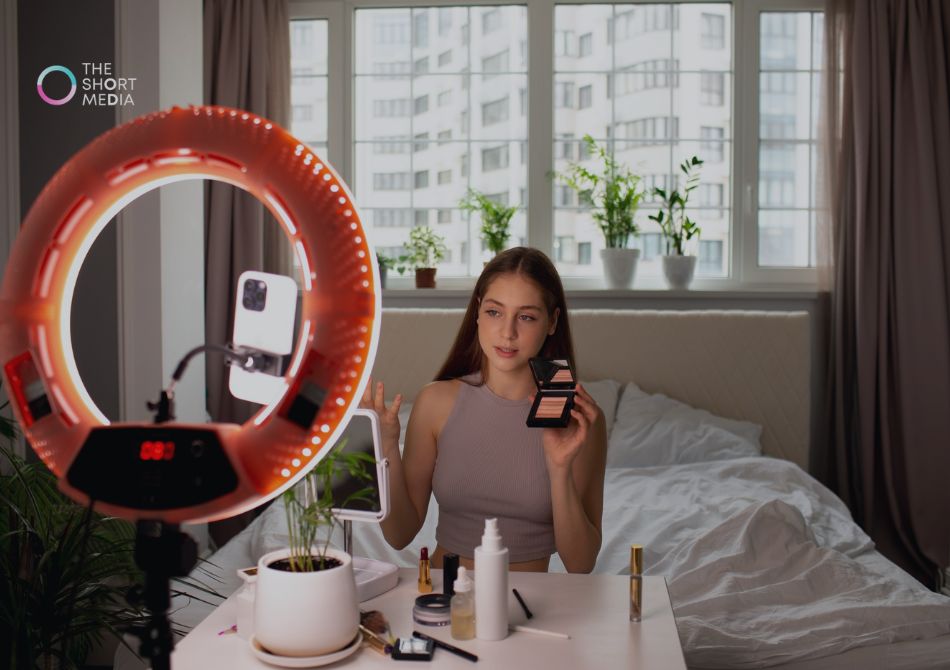
A few months ago, I watched a New York food brand spend real money on a polished TikTok shoot. Nice lighting, clean set, agency-approved script, founder in a pressed sweatshirt. It looked expensive. It also flopped.
The same week, a scrappy clip filmed by the operations manager on her phone — standing near a prep table in Queens, half laughing while packing orders — pulled stronger watch time, better comments, and a surprising bump in site traffic. Not because it was “authentic” in some vague, overused way. It was specific. You could see the product, the pace, the people, the actual texture of the business.
That’s usually where tiktok business marketing new york gets interesting. New York brands have more competition, more trends to chase, more agencies pitching them, and honestly, more ways to overthink the platform. The businesses that do well tend to stop treating TikTok like a TV commercial with captions and start treating it like a place where people decide, in seconds, whether they care.
What makes tiktok business marketing new york feel different
New York is crowded in every sense. More brands. More creators. More local references. More pressure to look sharp from day one.
That changes the way content performs.
A skincare startup in Brooklyn isn’t only competing with other beauty brands. It’s sitting in the same feed as a Manhattan dermatologist, a Soho retail haul, a creator reviewing Amazon finds in Jersey City, and a bakery posting a 6 a.m. croissant pull that somehow gets 400,000 views. The bar isn’t just “good content.” The bar is whether your video earns attention next to everything else.
That’s why tiktok business marketing new york usually works best when brands get more concrete, not more polished. Local service businesses, DTC brands, restaurant groups, fitness studios, even home product sellers — they tend to perform better when they show something real happening. A trainer correcting one common squat mistake. A moving company showing how they wrap fragile furniture in a fifth-floor walk-up. A candle brand packing wholesale orders before a retail launch in Williamsburg.
People in New York can smell fake urgency and trend-chasing pretty fast. If a brand jumps on a sound two weeks late, the comments usually tell the story.
The real shift in new york digital marketing tiktok
For a while, a lot of teams treated TikTok as the “fun” channel. Instagram got the campaign budget, Meta got the performance targets, and TikTok got whatever was left over plus a junior social manager and a vague brief about being relatable.
That doesn’t hold up anymore.
The stronger new york digital marketing tiktok strategies now sit somewhere between content, paid social, creator management, and customer research. Not in silos. Together. Because what happens in comments matters. What creators say off-script matters. What people skip in the first second matters.
I’ve seen this play out with beauty brands especially. A founder thinks the hero message is “clean ingredients.” But then TikTok comments keep asking whether the product pills under sunscreen, whether it works on textured skin, whether the shade oxidizes by noon. Suddenly the ad angle changes. So does the landing page. TikTok didn’t just distribute the message — it exposed the weak spots in it.
That’s a big reason many brands end up working with a tiktok marketing agency after trying to manage everything internally. Not because the platform is mysterious. Mostly because it moves fast, and someone has to connect creative, media buying, creator sourcing, and reporting without turning the process into sludge.
Trends I’m seeing across New York brands right now
Lo-fi product demos are beating overproduced shoots
Not always, but often enough that it’s worth saying plainly.
A home cleaning product filmed on a kitchen counter in Astoria can outperform a studio setup if the demo is clear and the problem is obvious right away. Same with a hair tool tested in bad apartment bathroom lighting. Same with a protein snack opened in a car outside Equinox. Pretty content still has a place, especially for launches. But if every frame feels art-directed, people start scrolling.
One of the more common mistakes a tiktok marketing agency has to clean up is a batch of content that looks approved by twelve people. You can feel it. The creator reads the script too perfectly. The pauses are in the wrong places. The joke lands like legal reviewed it.
Creator content is getting more specific, less broad
The old “lifestyle creator with good lighting” model isn’t enough for a lot of categories now. New York businesses are getting better results from creators who feel close to the use case.
For fitness, that might mean a running coach in the city talking about recovery tools after actual training. For food brands, maybe a busy parent in Westchester doing a pantry restock. For a local med spa, maybe not a giant influencer at all — maybe a micro creator who actually lives nearby and talks like a normal person.
That’s where new york digital marketing tiktok gets practical. The creator doesn’t need celebrity-level reach. They need believable context.
Comments are becoming part of the strategy
This sounds obvious, but many teams still ignore it.
Comments tell you where friction lives. A supplement brand sees repeated questions about taste. A home organizer gets comments about whether the bins fit under standard NYC beds. A meal brand gets pushback on portion size. Those are not random engagement signals. That’s market feedback, basically free.
A good tiktok marketing agency will mine those comments for hooks, objections, creator briefs, and even paid ad variations. If your team isn’t doing that, you’re leaving useful stuff on the table.
Local businesses are finally using TikTok like a local channel
This has been slower than it should’ve been. But it’s improving.
Dentists, med spas, HVAC companies, realtors, moving services, boutique fitness studios — a lot of them used to post generic advice clips with stock-style energy. Now the better ones are leaning into local proof. A quick walkthrough of a Park Slope brownstone project. A before-and-after from a salon in Flatiron. A pest control company showing the kind of issue they actually see in pre-war buildings.
That’s much more effective for tiktok business marketing new york than trying to act like a national lifestyle brand when you’re clearly serving a five-borough radius.
Why some brands still miss on TikTok
Usually, it’s not because they’re not posting enough. It’s because they’re making the wrong thing repeatedly.
A lot of weak new york digital marketing tiktok execution comes down to one of these problems:
They open too slowly.
They explain instead of showing.
They write scripts that sound like ad copy from 2019.
They hire creators who don’t fit the customer.
Or they expect one video to do five jobs at once.
I’ve seen a retail brand try to cram brand story, founder mission, product features, sale urgency, and social proof into 22 seconds. Nobody stayed long enough to hear half of it. Meanwhile, a simple clip of someone unboxing the product on a messy apartment floor did better because it had one clear point.
That’s also why a tiktok marketing agency can be useful when the internal team is too close to the brand. In-house teams often know too much. They want every nuance included. TikTok usually rewards sharper choices.
Working with a tiktok marketing agency without getting generic content
Not every agency is good at this. Some are really just repackaged paid social shops with a trend report.
If you’re hiring a tiktok marketing agency, ask how they source creators, how often they refresh hooks, whether paid and organic teams share learnings, and how they review comments. Ask to see examples where ugly-ish content outperformed polished assets, and what they changed after that. If they only show pretty case studies with vague growth charts, I’d keep looking.
The stronger agency relationships in new york digital marketing tiktok usually feel collaborative, a little messy, and fast-moving. You test creator whitelisting. You cut new hooks from old footage. You find out a kitchen-shot demo beats a lifestyle montage. You adjust. That’s normal.
Where tiktok business marketing new york is headed
I don’t think New York brands need to become creators. That advice gets thrown around too casually. A law firm, a furniture brand, and a matcha cafe do not need the same TikTok personality.
But they do need sharper instincts about what earns attention and what earns trust. Those aren’t always the same thing, by the way. A loud hook might get the view. A useful demo or believable creator might get the click.
For tiktok business marketing new york, the brands with momentum right now are usually doing a few things well: they’re making more content that looks lived-in, they’re using creators who fit the product, they’re paying attention to comments, and they’re not waiting for a quarterly campaign calendar to tell them what to post.
That’s less glamorous than the big launch deck. It works better, though.
FAQs
1. How often should a New York business post on TikTok?
Three to five times a week is a reasonable starting point for most brands. Better to post consistently with a few solid concepts than dump fifteen rushed videos that all look the same.
2. Do local businesses in New York really need TikTok?
Some do, some don’t. If your customers are visually driven, compare options online, or tend to research before booking, TikTok can help a lot. For med spas, food spots, fitness studios, home services — yes, it’s often worth the effort.
3. Is it better to hire creators or make content in-house?
Usually both. In-house content gives you speed and product access. Creators give you perspective and delivery that doesn’t sound like the brand talking to itself.
4. How long does it take to see results from TikTok marketing?
Organic traction can happen fast, but reliable performance takes testing. Most brands need at least 6 to 10 weeks to figure out which hooks, creators, and formats actually hold attention and drive action.
5. What should a tiktok marketing agency actually be doing?
Not just posting videos and sending a monthly PDF. They should be helping with creative strategy, creator sourcing, paid testing, hook development, comment analysis, and content iteration. If they aren’t changing the plan based on performance, that’s a problem.
6. Can TikTok help sell products on Amazon?
Absolutely. I’ve seen Amazon-focused brands use TikTok to drive search lift, especially with beauty tools, kitchen gadgets, supplements, and home items. The videos that work best usually show the product in use right away, not after a long intro.
7. What budget makes sense for a small business?
You can start lean if the creative is strong. A local business might test with a modest creator budget and a small paid spend behind the best-performing clips. No need to pretend you’re a national brand with a six-figure launch.
8. Why do polished brand videos sometimes underperform?
Because polished isn’t the same as watchable. If the setup looks expensive but the value isn’t clear in the first second or two, people move on. Also, and this happens a lot, the video can feel like it was made for internal approval rather than actual viewers.
9. Should every TikTok follow trends?
Not really. Some trends fit, many don’t. Forcing a law office, mattress brand, or premium cookware company into every trending format is how you end up with content that feels awkward and late. A little restraint helps.