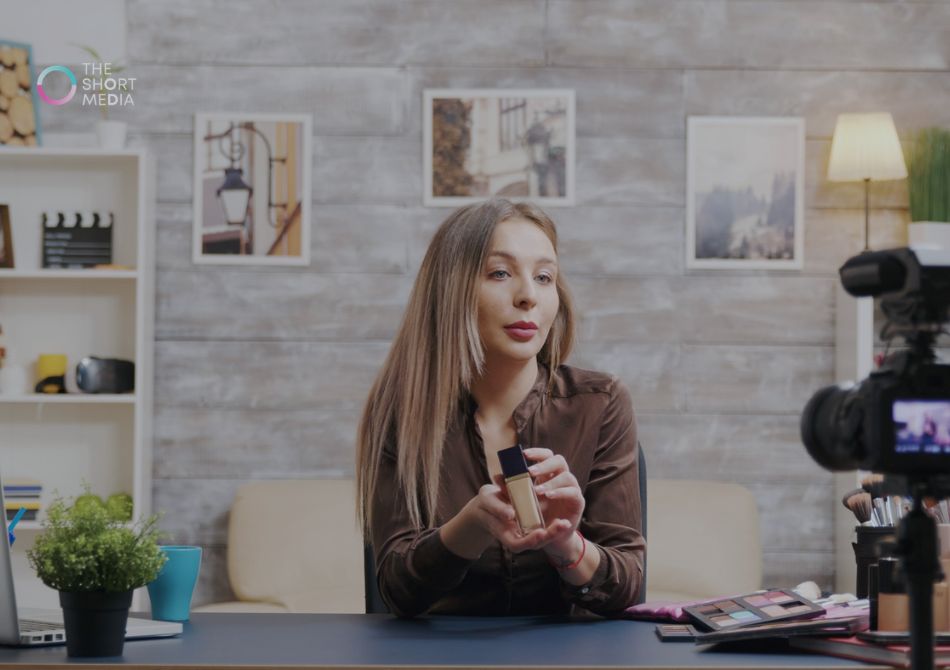
I’ve seen this happen more than once: a brand spends weeks polishing a TikTok ad, gets the lighting right, adds motion graphics, signs off on every line of copy… and the comments are dead. Then somebody on the team films a quick product demo on an iPhone in a messy kitchen, posts a rough cut with a decent hook, and that’s the one that drives sales.
That gap matters.
A lot of brands chase “viral” on TikTok like it’s a creative style. It’s not. Viral is usually a reaction. A response to timing, tone, curiosity, relatability, or plain old human nosiness. And if you’re running TikTok paid ads, the real job isn’t getting views for the sake of views. It’s understanding why people stop, watch, believe, and then do something.
That’s where psychology comes in, though not in the gimmicky “hack your audience” way. More like: what makes someone in Ohio pause on a cleaning product demo, or a skincare shopper in Texas trust a creator enough to click, or a busy parent in Florida save a lunch idea from a frozen food brand?
The brands that do well here usually aren’t the loudest. They’re the ones that understand attention, proof, friction, and timing. A smart TikTok advertising agency tends to know the difference.
Viral doesn’t mean random
People outside paid social sometimes talk about TikTok like it’s a slot machine. Post enough videos, follow some trends, hope one pops. That’s not how the better campaigns work, especially when money is behind them.
The strongest TikTok paid ads usually tap into a few predictable human behaviors.
People stop for tension, not polish
A good TikTok hook often creates a tiny unresolved moment. Not fake suspense. Just enough tension to make the brain stick around.
Think about a home product brand showing a stained white rug in the first second. Or a supplement brand opening with, “I thought this was another overhyped Amazon wellness thing…” That works because the viewer wants resolution. They want to see whether the rug gets cleaned or whether the person changes their mind.
I’ve watched creator ads fail because the script was too perfect. Every line sounded approved by legal, brand, and three managers. No friction. No human edge. The creator looked straight into camera and delivered benefits like a brochure. Scroll.
By contrast, a slightly awkward opening can work very well. A pause. A “wait.” A product already in use before the explanation starts. That kind of thing.
The trust problem is bigger than the attention problem
Most brands think they need help getting people to watch. Often they actually need help getting people to believe.
TikTok users are fast at spotting when something feels staged. If a creator sounds like they memorized a script five minutes earlier, performance drops. You can almost feel it in the comments. People start joking, asking if they were held hostage, or saying “be serious.”
That’s why TikTok Ads Management isn’t just media buying. It’s creative filtering. Somebody has to know which assets feel native enough to earn a second look.
Specificity beats broad claims
The ad that says a moisturizer “hydrates and improves skin texture” is easy to ignore. The one that says, “I used this because my makeup kept separating around my nose by noon,” has a better shot.
Specific details signal real experience. Same with food brands. “High protein snack” is generic. “I threw this in my bag after Pilates because I knew I wouldn’t make it home till 2” feels lived-in.
That’s not just a copywriting preference. It reduces skepticism.
A good TikTok advertising agency will usually push brands to stop talking like packaging copy and start sounding like a person who actually used the product on a Tuesday.
Comments tell you what the landing page missed
This is one of the more useful things about TikTok, and teams still underuse it.
The comment section often reveals the exact objections holding back conversions. Not abstract “audience insights.” Real ones. “Does this work on textured hair?” “Would this survive Arizona heat?” “Why is nobody showing the back fit?” “Can you use it if you rent?”
For beauty, fitness, and home brands in the USA, those comments are gold. They tell you what people need to see before buying. Smart TikTok Ads Management pulls those objections into the next round of creative instead of leaving them buried in social listening docs nobody opens again.
I’ve seen a shapewear brand improve conversion rate just by making three quick videos answering fit questions pulled from comments. No fancy campaign reset. Just better creative based on what shoppers were already asking.
Familiarity matters, but timing matters more
There’s a reason trends can work in TikTok paid ads. Familiar formats reduce cognitive load. A viewer already understands the rhythm, so they can focus on the product.
But trends also expire fast. I’ve watched brands join a trend two weeks too late and wonder why the ad felt flat. The audio had already peaked, creators had moved on, and now the brand looked like it was trying to catch up to a party that had ended.
This is where a TikTok advertising agency can be useful, especially for in-house teams that don’t have time to monitor creative shifts every day. Not because agencies magically know trends, but because somebody needs to separate usable formats from stale ones.
Native structure beats trend-chasing
Sometimes the right move isn’t using a trend at all. It’s borrowing the structure of native TikTok content:
– a quick problem-solution demo
– a side-by-side comparison
– a reaction-style testimonial
– a “here’s what I ordered vs here’s how I actually use it” angle
A kitchen utensil brand might do better with a simple meal prep demo than with a trending sound. An Amazon product launch might convert better with a blunt “I bought this because…” creator video than something overly edited.
That’s not anti-creative. It’s just practical.
Conversion usually happens when the risk feels low
A lot of viral ads get attention and then lose people because they ask for too much trust too quickly.
Psychologically, conversion gets easier when the product feels easy to try, easy to understand, and easy to imagine in real life. The ad should lower perceived risk.
For example:
Show use before explanation
This works especially well for cleaning, beauty, food, and home products. If someone sees the product in action first, they build understanding before they hear the pitch.
A countertop cleaner wiping away grease. A foundation applied on one side of the face. A storage rack being assembled in a real garage, not a spotless set.
One of the better-performing home organization ads I saw recently had cardboard boxes still sitting in the background. Very normal-looking. That helped. It felt like an actual house, not a catalog.
Let creators keep a little personality
Over-controlled creator ads often underperform because they strip out the exact thing that made the creator persuasive in the first place.
A decent TikTok advertising agency or internal paid social lead knows when to protect compliance and when to stop over-directing. If every creator says the same opening line, the same benefit list, and the same CTA, performance starts to blur together.
With TikTok Ads Management, one of the less glamorous jobs is preserving enough variation that the content still feels alive.
Repetition works, but only if the angle changes
People don’t always buy on first exposure. That’s normal. Retargeting on TikTok can work well, but not when brands just show the same video again and again.
If the first ad builds curiosity, the second might handle objections. The third might show a different use case. A fitness brand could start with a creator trying a resistance product at home, then follow with a customer review, then a quick breakdown of setup and shipping.
That sequencing matters in TikTok paid ads because the platform moves fast. Repetition without progression feels lazy.
And honestly, users notice.
Why TikTok Ads Management is part psychology, part editing room judgment
There’s a tendency to talk about paid social performance like it all lives in the dashboard. CPM, thumbstop rate, CPA, ROAS. Important, sure. But TikTok is still heavily shaped by creative instinct and pattern recognition.
The strongest TikTok Ads Management teams usually do a few things well:
They cut faster than the brand is comfortable with
Not every ad deserves a long test. If the hook is weak, if the creator sounds stiff, if the first three seconds drag, no amount of budget shuffling is going to save it.
They know when “ugly” is actually believable
I don’t mean sloppy for the sake of it. I mean content that looks like a person made it, not a committee. A product demo filmed in a kitchen can outperform studio footage because it feels more plausible. Especially for food, cleaning, and everyday-use products.
They treat winning comments like copy prompts
This one gets missed all the time. If comments keep saying “I need this for my dorm,” “would this work for thick hair,” or “finally someone shows how it fits on a midsize body,” that language should make its way into future ads.
A sharp TikTok advertising agency will build from those signals instead of relying only on brand messaging docs.
What actually makes a viral ad convert
Not every high-view ad sells. You already know that if you’ve ever had a post get shared a lot and barely move revenue.
The ads that convert usually do a few quiet things right:
They create immediate curiosity.
They feel believable.
They show the product in context.
They answer an objection before the click.
They make the next step feel low-risk.
That’s it, mostly. No magic formula. Just a better read on how people behave when they’re half-distracted, mildly skeptical, and open to being convinced if the ad feels real enough.
And that’s why TikTok paid ads can be so effective for US brands across beauty, snacks, supplements, pet products, local services, and retail launches. Not because the platform rewards shouting. Because it rewards relevance, timing, and creative that doesn’t feel like it was sanded down by too many approvals.
FAQs
1. Do viral TikTok ads always lead to sales?
Not even close. Plenty of ads rack up views because they’re funny, weird, or trend-adjacent, then fall apart when it’s time to convert. If the product isn’t clear or the offer feels shaky, attention won’t do much.
2. How long should a TikTok ad be if I want conversions?
Short is usually safer, but not automatically better. I’ve seen 12-second product demos work great, and I’ve seen 35-second creator explainers convert because the person was credible and got to the point fast. The real issue is whether the first few seconds earn the rest.
3. Is it better to use creators or brand-shot content?
Usually both. Creator content often earns trust faster, while brand-shot footage can help with clarity and product detail. For TikTok Ads Management, mixing the two tends to give you more room to test angles without everything looking the same.
4. What industries tend to do well with TikTok paid ads?
Beauty, food, fitness, home organization, pet products, personal care, and a lot of DTC brands do well because they’re visual and easy to demonstrate. That said, I’ve also seen local service businesses make TikTok work when they stop trying to look too polished.
5. How often should creative be refreshed?
More often than most brands want. If you’re spending consistently, fatigue can show up pretty fast. Sometimes a new hook is enough. Sometimes you need a new creator, a new format, or just a less scripted read.
6. Can a TikTok advertising agency help if we already have an in-house team?
It can, especially if your internal team is stretched thin on production, testing, or reporting. Sometimes the value isn’t strategy at all. It’s speed, creator sourcing, and having people who can spot weak creative before too much budget gets wasted.
7. What’s the biggest mistake brands make with TikTok Ads Management?
Over-controlling the creative. That, and using packaging copy as ad copy. If the ad sounds like it came off the side of a box, people feel it immediately.
8. Should we boost organic posts that already performed well?
Sometimes, yes. But don’t assume every strong organic post will hold up as paid. A video can get great engagement for entertainment reasons and still be a weak sales asset. Worth testing, though. Cheap lesson either way.
9. Do comments really matter that much?
They do. More than a lot of teams admit. Comments often show confusion, objections, and unexpected use cases faster than formal research does. And occasionally they hand you your next winning hook for free.