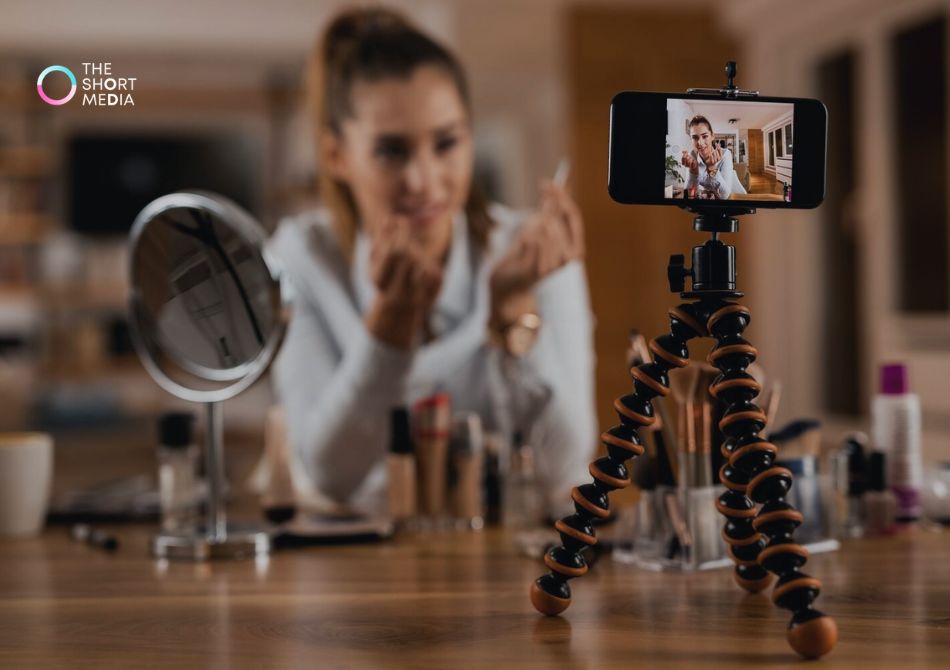
One of the most influential tools that organizations have been using to market their goods and services to digital consumers in the last decade has been influencer marketing. The emergence of social media platforms such as TikTok has affected the way in which organizations communicate with their consumers. For example, TikTok has enabled organizations to incorporate their marketing messages in the content of influencers. Therefore, organizations have been using influencer marketing as a tool for executing their TikTok marketing strategy.
One of the most significant factors that have made influencer marketing an influential tool in executing their TikTok marketing strategy has been the level of trust that influencers have been able to build with their consumers. For example, influencers have been able to build communities of loyal consumers who are devoted to their content. Therefore, organizations have been using influencer marketing in a way that does not come off as promotional. However, as more organizations are using influencer marketing, there are various risks that organizations face.
For example, one of the risks that organizations face is the legal risks involved in using influencer marketing. Therefore, organizations using TikTok as a tool for executing their marketing strategy are not exempted from using influencer marketing in a legal manner by observing the laws that govern it.
For instance, in the United States, the FTC regulates influencer marketing. According to the FTC, it is essential for influencers to inform their audience that they are being marketed to. This ensures that their audience is aware of the fact that they are being marketed to. Therefore, the regulations also apply to Tik Tok, as well as other influencer marketing strategies.
In addition to this, there is also the issue of contractual and intellectual property rights. This is especially in relation to negotiating with influencers. This is due to the fact that negotiating with influencers is a complex issue, especially in terms of rights to the content created. This is especially in cases where conflicts may arise in terms of influencer-generated content.
In this respect, the role that is played by agencies in relation to influencer marketing is also essential. This is especially in today’s world, where companies are using agencies like Tik Tok Growth Agency to manage their influencer marketing strategies. This ensures that companies are able to meet their legal requirements in terms of influencer marketing.
This article aims to discuss some of the common legal issues that companies in influencer marketing in the United States face. In addition to this, it will also seek to explain why these issues are becoming common, as well as how companies are handling the issues. By understanding some of the legal issues in influencer marketing, companies will be able to come up with influencer marketing strategies that are not only effective but also meet the legal requirements.
Common Legal Risks in Influencer Marketing
There are many players in the ecosystem of influencer marketing, including influencers, marketing agencies, and social media companies. There are many legal risks associated with the many players in the ecosystem of influencer marketing.
Two of the most critical legal risks that are related to influencer marketing are non-compliance with the Federal Trade Commission and rights over the usage of the content.
FTC Non-Compliance
The most popular legal issue that has been related to influencer marketing is the Federal Trade Commission guidelines. The Federal Trade Commission is the body that regulates advertising within the United States. It ensures that the advertising content is disclosed to the customers.
If an influencer promotes a brand or product with which they are in partnership, they are required to let their audience know that the content they are promoting is sponsored. It will ensure that the audience understands the relationship between the influencer and the brand they are promoting.
The Federal Trade Commission requires that the label be clear, conspicuous, and easy to understand. Influencers are fulfilling this requirement by using labels like “#ad” or “#sponsored” or “paid partnership.” However, the label should be prominently displayed on the sponsored content, not embedded deep within the caption or elsewhere on the image so that it can be missed by the audience.
As a marketer of TikTok, it is imperative that you are aware of this regulation so that you can avoid non-compliance by your influencers. Failure to disclose sponsored content will result in legal action being taken against the influencer and the brand.
In the last two years, the Federal Trade Commission has issued many warnings to influencers and brands who fail to meet the requirements of the sponsored content guidelines. It should be noted that influencer advertising is not exempt from such regulations.
Usage Rights Disputes
Another area of concern in influencer marketing is the issue of usage rights. Influencers may have made excellent content in their videos and images. They may have spent a lot of resources in creating that content. As discussed in the previous section, the brand may have several marketing campaigns. They may wish to use the content in those campaigns.
Unless and until there is a clear agreement stating that the brand has the right to use the content, the brand may not have the right to use the content. For instance, the brand may wish to use the content posted in the influencer’s TikTok account in their paid ads or even share the content with other social media platforms.
Unless and until there is a clear agreement over the usage rights of the content posted in the influencer’s TikTok account, the brand may have violated copyright laws. As a result, the influencers may sue the brand for compensation.
For brands that wish to venture into TikTok marketing for brands, it is extremely important that there is a clear agreement over the usage rights of the content posted in the influencer’s account and whether compensation is to be paid or not for that purpose.
Why These Risks Are Increasing
There has been a significant increase in legal risks in influencer marketing in recent times. There are two major reasons for such an increase in legal risks in influencer marketing campaigns:
More Scrutiny
With the rise of influencer marketing as an accepted form of advertisement, the government bodies are also taking note of the way these brands are trying to reach out to their customers. Influencer marketing has been under observation by the government bodies like the FTC to check whether the advertising done through such methods is transparent or not.
There are also increased concerns over the level of transparency being followed through digital advertising. The influencers are playing an important role in reaching out to the consumers of the brand.
The level of transparency followed through influencer marketing is also important to maintain the level of trust that the consumer has on the influencer. For the brands who are opting to use TikTok as a means of advertisement, it is of prime importance that they do not ignore this and make sure that their marketing team considers this while conducting the influencer marketing campaigns.
Bigger Budgets
Another major reason that has led to increased legal issues for the brands as well as the influencers is that the budget allocated for influencer marketing has been increasing at a rapid rate. There are scenarios where different brands from different industry backgrounds are spending huge amounts of money on influencer marketing.
The budget allocated for the purposes of marketing through such methods is considered to be of prime importance while conducting the influencer marketing campaigns. For example, it can be assumed that the influencer marketing does not require additional amounts to be paid for using their content over a long period of time.
Therefore, as the influencer marketing industry continues to grow, it is essential for brands to develop an effective framework that can help them in managing the process effectively.
How Brands Protect Themselves
Considering that there is a possibility of risks that may occur to the brand due to the use of influencer marketing, it is essential for brands to develop strategies that can help them in protecting themselves.
For a brand, the most significant strategies that can help in protecting themselves include developing contracts and disclosure guidelines.
Clear Contracts
Influencer marketing contracts can never be ignored in the process of developing an effective influencer marketing campaign. It is essential for a brand to develop an effective contract that can help in avoiding confusion.
Influencer marketing contracts have some fundamental components that can help in the process of protecting the interests of the brand. For a brand that is developing an effective TikTok marketing for brands campaign, it is essential to ensure that the contract includes some guidelines.
Some of the guidelines that can be included in the contract include the format of the videos and the content.
Having clear contracts can help in protecting the interests of the brand. In case of confusion, the contract can serve as a source of information to help in clarifying the issues.
Apart from that, another key factor that can help in the protection of the interests of the brand is the development of contracts.
In addition to that, another key factor that can help in the protection of the interests of the brand is the development of guidelines for disclosures. This includes information concerning the sponsored content, i.e., where in the content the influencer will place the sponsored hashtags like #ad or #sponsored.
This will not only reduce the chances of any regulatory infractions but will also show your brand’s commitment to promoting ethical marketing.
Role of Agencies in Risk Management
In most instances, brands have been known to outsource their influencer marketing campaigns to agencies. These agencies will then be in charge of the influencer marketing campaigns. In this regard, the agencies will also ensure that the influencer marketing campaigns are compliant with the laws.
In this case, TikTok Growth Agency can play a crucial role in the management of the influencer marketing campaign and ensure that there are no legal infractions.
In this case, there are two key functions that the agencies play in ensuring that influencer marketing is done in a manner that is compliant with the laws. These functions include compliance checks and creator education.
Compliance Checks
In this regard, the agencies will ensure that the influencer has complied with the laws. This includes checking the sponsored content, sponsored posts, and sponsored campaigns, among other functions.
This will ensure that any possible problems are addressed in a systematic manner. This will also ensure that any possible legal infractions are addressed in a manner that is beneficial to the brand.
Through this, the agencies will be able to ensure that they are able to track the sponsored content from different influencers. This will also ensure that they are able to check whether they have adhered to the guidelines provided by the different campaigns.
Creator Education
The other significant function that the agencies are able to perform is educating the influencers regarding legal compliance. In this case, the influencers might be experts in the creation of content. However, they might not have enough knowledge regarding advertising regulations. This might lead to legal issues that need to be addressed properly.
The agencies have an essential role to play in educating the influencers regarding legal compliance. This might include advertising regulations, etc.
Through educating the influencers regarding legal compliance, the agencies are able to mitigate possible legal issues that might result due to ignorance of the law by the influencers. This might have been the case if the influencers were left to figure out the complexities of the law by themselves.
Case Study: FTC Settlement with Warner Bros. and Influencer Campaign
The best case study that can be used to show the legal issues that might be encountered by the influencers in their marketing campaigns is the campaign that was conducted by Warner Bros. to promote the release of their video game.
In this case, different influencers were selected to come up with promotional material regarding the release of the video game. However, the FTC was able to establish that the influencers did not make enough disclosures regarding the fact that they were being paid to advertise the product.
Therefore, the FTC was able to reach a settlement with Warner Bros. regarding the issue.
For companies that are using this TikTok marketing strategy, this case study is a significant reminder that even online ads are being regulated by various regulatory bodies.
Conclusion
As mentioned in the above passages, it is evident that influencer marketing is an integral part of modern-day digital advertising strategies, especially for companies that make use of TikTok for their digital advertising strategies. However, with the rise in the power of influencers, there have been several legal issues that have cropped up and have to be managed effectively by companies.
For example, issues of FTC non-compliance and content usage rights may pose a problem to companies that have not established clear guidelines and usage rights. Therefore, with regulatory agencies being aggressive and with an increase in marketing budgets, legal compliance is an integral part of a successful TikTok marketing strategy.
Companies can greatly help in managing some of the risks that may befall them by establishing clear guidelines and using professionals who have extensive experience in TikTok marketing strategies. For example, companies that have clear guidelines and who use professionals who have extensive experience in TikTok marketing strategies can help in creating a successful TikTok marketing strategy that meets several regulatory compliance issues.
FAQs
- Why should a TikTok marketing strategy include considerations of legal compliance?
A TikTok marketing strategy must also take into account considerations for legal compliance due to issues with influencer marketing and advertising legislation such as the FTC. It is therefore important to ensure that there is compliance with advertising legislation to avoid any risk to the brand. - What are the most common legal issues brands face when they engage in marketing using TikTok?
The most common legal issues brands face when they engage in marketing using TikTok include non-compliance with advertising legislation, such as lack of disclosure for sponsored content; non-compliance with intellectual property rights; and misleading advertising. - How does a TikTok Growth Agency assist brands in managing the risks of non-compliance with advertising legislation?
A TikTok Growth Agency will be very beneficial to brands as it will assist brands in managing the risks of non-compliance with advertising legislation. - What are the most important items to include in an influencer contract to ensure compliance with advertising legislation?
The most important items to include are the terms of delivery, terms of payment, terms of usage, terms of approval, and terms of exclusivity. - Why are advertising authorities such as the FTC focusing more on influencer marketing campaigns?
Advertising authorities such as the FTC are focusing more on influencer marketing campaigns as it has become a major advertising strategy. As advertising budgets are increasing and more people are using influencer advertising, the FTC is trying to ensure that there are no potential risks to the public.