

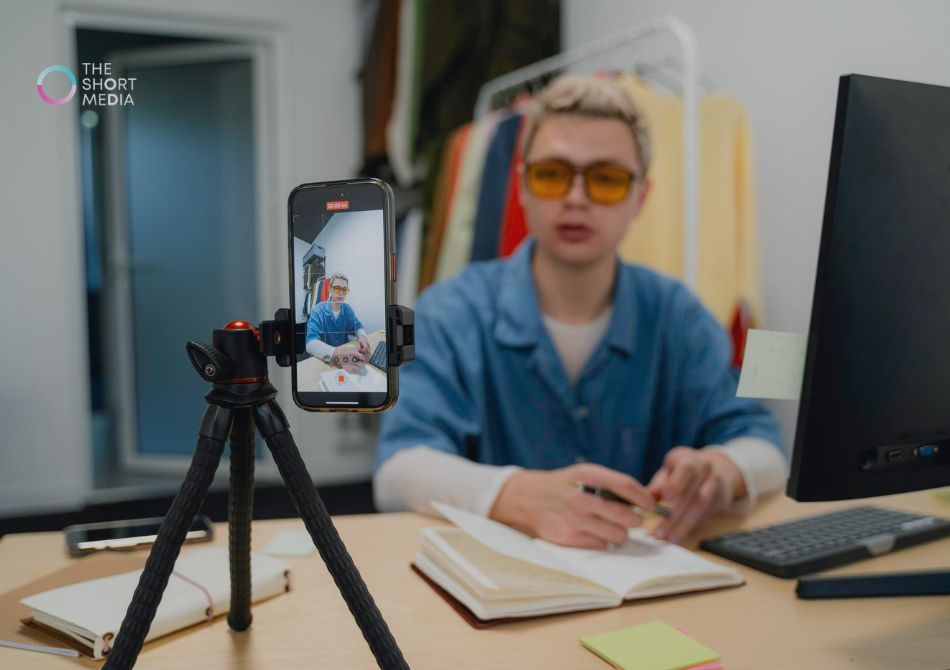
A lot of SaaS teams show up on TikTok looking like they were forced there by a quarterly growth deck.
You can usually tell in the first three seconds. A polished intro. A tidy product screen recording. A voiceover that sounds approved by legal, product marketing, and probably two VPs. Then the views stall, comments are dead, and someone says TikTok “doesn’t work for B2B.”
That’s usually not the problem.
The problem is format. More specifically, using video formats that feel like ads before anyone has earned the right to make an ad. SaaS brands have a weird advantage here, actually. They sit on useful workflows, small frustrations, time-saving hacks, and customer behavior that people genuinely care about—if it’s packaged the right way.
I’ve seen a founder explain one tiny spreadsheet mistake and pull better engagement than a $20,000 brand shoot. I’ve also watched a software company jump on a trend two weeks late with captions about “POV: your team needs better productivity,” which, honestly, deserved the 312 views it got.
If you’re building a TikTok content strategy for a SaaS brand in the USA, the goal isn’t to look trendy. It’s to make useful, watchable videos that fit how people actually scroll. That’s where strong short form video marketing starts.
Why SaaS brands struggle on TikTok more than they should
SaaS marketers tend to overproduce and over-explain. It makes sense. Your product has features, onboarding steps, integrations, pricing tiers, security language. You want to be accurate.
But TikTok rarely rewards accuracy by itself. It rewards clarity, speed, specificity, and a little personality.
A lot of SaaS content also hides the real tension. Instead of saying, “Your CRM is a mess because nobody updates fields after the call,” the brand says, “Streamline your customer relationship process.” That kind of language dies on contact.
Good short form video marketing for SaaS usually starts with a very normal work problem:
– sales notes disappearing
– client approvals getting buried in Slack
– reporting taking three hours every Friday
– a founder still doing manual invoices at midnight
That’s the material. Not the feature list.
The TikTok content agency approach that actually helps SaaS
A good TikTok content agency won’t just repurpose webinar clips and call it a strategy. They’ll look at where the product naturally creates stories.
For SaaS, that often means:
– before-and-after workflows
– objection handling from real prospects
– “how we use our own product” content
– fast reactions to industry changes
– creator-led explainers that don’t sound like they were read off a slide
The better agencies also know that TikTok content strategy and paid social should talk to each other. Not in a stiff way. More like this: organic videos reveal what people care about, comments show what they don’t trust yet, and those insights shape ad creative.
I’ve seen comment sections do better research than formal message testing. A project management tool kept getting comments like, “Cool, but does this work if your client refuses to log in anywhere?” That objection never appeared on the landing page. It should have.
1. The “here’s the mess” workflow breakdown
This is probably the most reliable format for SaaS.
Start with the messy version. Show the tabs, the copy-paste routine, the Slack pings, the thing someone on the team is doing manually for no good reason. Then show the cleaner version.
Not a glossy transformation. Just a believable one.
For example, a scheduling software brand aimed at fitness studios in the US might show how one front-desk manager handles class changes through text, email, and handwritten notes. Then the video cuts to a simpler booking flow inside the platform. That works because the pain is obvious before the product appears.
This kind of short form video marketing tends to perform well because it doesn’t ask the viewer to care about the software first. It asks them to recognize a headache.
2. Founder or team POV videos with actual opinions
SaaS brands often hide the people behind the product, which is a mistake on TikTok.
Not every founder is charismatic on camera. That’s fine. They don’t need to perform. They need to say something real. A blunt opinion about bad onboarding. A quick take on why agencies overreport vanity metrics. A story about the feature customers thought they wanted but never used.
Those videos work best when they’re a little rough around the edges. A too-perfect read usually kills it. You can see the exact moment a creator starts sounding like they memorized the script, and retention drops.
A solid TikTok content strategy for SaaS should include team voices beyond the founder too—customer success leads, implementation managers, even support people. Support teams, especially, know where customers get stuck and what language they use when they’re annoyed. That’s gold for content.
3. Screen-record tutorials, but shorter and less precious
Yes, tutorials can work. No, not the six-part mini course with branded intro music.
For short form video marketing, tutorial content needs to move fast and solve one thing at a time. One report setup. One automation. One fix for a common mistake.
A finance SaaS brand might post:
– how to clean up duplicate transactions in under 20 seconds
– the one dashboard view most operators miss
– a simple way to prep expense exports before tax season
That’s more useful than a broad “platform walkthrough.”
Also, don’t obsess over studio production. Some of the best-performing demos I’ve seen were recorded on a laptop in a noisy office or narrated from someone’s kitchen table. Same thing happens in ecommerce—a product demo filmed in a kitchen often beats the expensive studio version because it feels believable. SaaS isn’t that different.
4. Customer scenario skits that don’t try too hard
This format can go bad quickly. You’ve probably seen the cringey version. Fake office dialogue. Overacting. Captions trying to force relatability.
Still, when done well, skits are useful for SaaS because they dramatize boring problems.
Think of a local home services software brand in the US showing the office manager chasing down technicians for job updates. Or an Amazon seller tool acting out the panic of finding out inventory data is off right before a retail push. Those moments are real enough to land.
The trick is restraint. Keep it short. Keep it specific. Don’t turn your ops coordinator into a sitcom character.
A TikTok content agency that understands performance creative will usually push these toward realism, not comedy for comedy’s sake.
5. Comment-response videos that mine objections
This is one of the easiest ways to sharpen a TikTok content strategy without guessing.
When someone comments, “This looks nice, but my team would never adopt another tool,” that’s not negativity. That’s content. Reply with a video. Show the setup time. Show the onboarding flow. Show what “another tool” actually replaces.
Same with pricing pushback, integration concerns, security questions, or “we already do this in Sheets.”
A lot of SaaS brands keep posting top-of-funnel advice while ignoring the exact objections sitting in their comments. Strange choice, honestly.
This is where short form video marketing becomes more than reach. It starts helping conversion too.
6. Industry reaction videos with a useful angle
Not every trend is worth touching. Most aren’t.
But reacting to real industry news can work well for SaaS if the brand has a point of view. A payroll platform reacting to labor law changes. An ecommerce analytics tool responding to an Amazon policy shift. A restaurant software company breaking down what a new delivery app fee structure means for operators.
That kind of content has urgency built in. It also gives the brand a reason to sound like an expert without slipping into corporate voice.
Timing matters, though. If your team needs nine approvals, this format will be painful. By the time it posts, the moment’s gone.
A TikTok content agency can help here if they have a fast edit-and-approve process. If they don’t, you’ll miss the window.
7. “We tested this” content from your own team
This format is underused in SaaS and it should be used more.
Show your team trying a workflow, changing onboarding steps, rewriting an email sequence, or testing a dashboard layout. Document what happened. Not in a polished case-study tone. More like, “We thought users were dropping off here, but it turned out they were confused one step earlier.”
That kind of honesty cuts through.
For short form video marketing, this works because it feels like a peek behind the curtain. It also makes the product team seem awake, which helps more than marketers sometimes admit.
What SaaS brands should stop posting
A few formats usually underperform unless the brand already has a strong audience:
Feature dumps
Nobody wants 14 disconnected features in 22 seconds.
Trend participation with weak relevance
If the trend has nothing to do with your product or audience, skip it. A lot of brands in the US force these and it shows.
Generic productivity advice
“Wake up earlier” isn’t a content strategy. Neither is “5 ways to be more efficient” with stock footage energy.
Corporate culture filler
Office snacks, team offsites, “meet the team” posts with no point—fine occasionally, but not as the backbone of a TikTok content strategy.
A better way to think about SaaS TikTok
The strongest SaaS accounts don’t really post “brand content” in the traditional sense. They post work content. Friction. Fixes. Opinions. Tiny process improvements. Mistakes. Use cases that feel familiar.
That’s why a TikTok content agency can be helpful if they know how to pull stories out of product, sales, and support teams instead of waiting for a campaign brief. The raw material is already inside the company. It just usually lives in Gong calls, help desk tickets, onboarding notes, and random Slack threads.
And if you’re handling it in-house, same rule applies: stop trying to make SaaS look cooler than it is. Make it more recognizable. That’s usually enough.
FAQs
1. What kind of SaaS brands do best on TikTok?
Usually the ones with visible problems to solve. Tools for sales, operations, ecommerce, finance, scheduling, and customer support tend to have an easier time because the pain points are easy to show on screen.
2. Do SaaS companies need a founder on camera?
Not always. But having at least one real person consistently show up helps. It could be a founder, a customer success lead, or someone from product who can explain things without sounding rehearsed.
3. How often should a SaaS brand post on TikTok?
A few times a week is enough if the formats are strong. Posting daily weak content just gives you more weak content.
4. Can screen recordings really perform well?
They can, especially when they solve one annoying problem fast. The mistake is making them too long or too polished. People don’t need a guided tour; they need the useful bit.
5. Should SaaS brands use creators?
Often, yes. Especially if the internal team is stiff on camera. A creator can make technical products feel more watchable, though they still need a clear brief and real use case. If they read the script too perfectly, you’ll feel it immediately.
6. Is organic TikTok content useful if the real goal is paid ads?
Very useful. Organic posts often reveal which hooks get attention and which objections keep showing up. That gives paid teams something better than guesswork.
7. What does a TikTok content agency usually handle?
Depends on the shop, but commonly strategy, scripting, creator sourcing, production, editing, and sometimes paid creative testing too. The better ones also know how to build around a broader TikTok content strategy, not just crank out videos.
8. How long should TikTok videos be for SaaS?
Shorter than most teams want. Fifteen to thirty seconds is a good working range for many topics. Some can go longer if the story earns it, but a lot of SaaS videos drag because they explain too much too soon.
9. Is TikTok only useful for startups and DTC brands?
Not really. Mid-market and even fairly boring B2B software brands can do well if the content is built around real workflow friction. “Boring” usually just means nobody has translated the problem into a watchable format yet.