

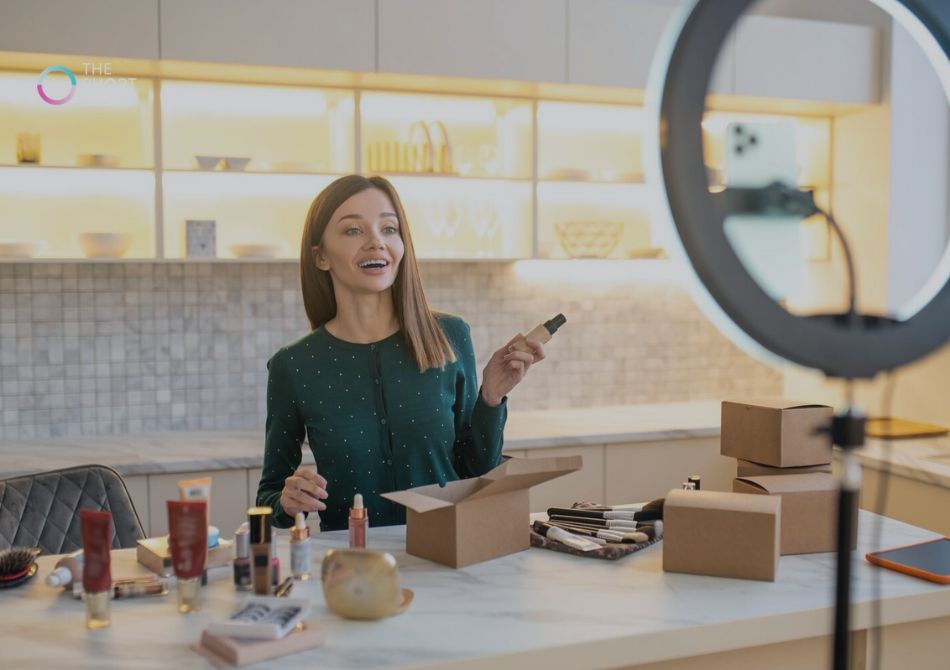
I watched a skincare brand spend $18,000 on polished TikTok creative last fall. Beautiful lighting, clean edit, founder on camera, every talking point approved by legal. It looked expensive. It also died fast.
A week later, a creator they’d almost passed on sent in a rough cut filmed in her bathroom mirror, hair half up, explaining why she kept stealing the brand’s cleanser from her teenage daughter. That version pulled comments, saves, and actual purchases. Not “good engagement.” Orders.
That’s pretty much the state of promoting products on tiktok in 2026. The brands getting traction aren’t necessarily the loudest or the most trend-obsessed. They’re the ones that understand what the platform actually rewards now: clear use cases, believable creators, comments that surface objections, and paid amplification that doesn’t feel disconnected from the feed.
If you’re selling in the USA, whether it’s beauty, snacks, supplements, home gadgets, or a local service trying to book appointments, TikTok still matters. But the old advice is wearing thin. Just “be authentic” isn’t enough. Neither is tossing budget into tiktok ads for business and hoping the algorithm sorts it out.
Promoting products on TikTok starts with the offer, not the trend
A lot of teams still start backwards. They ask what trend to join, what sound is moving, what meme format people are using. Fine, sometimes that helps. But when I’ve seen products convert, the video usually gets to something more basic, fast:
What is this product doing in a real person’s life?
That sounds obvious, but brands miss it constantly. A kitchen organizer brand shows a pretty pantry reveal without showing the annoying problem it solved. A protein coffee company makes a slick lifestyle montage but never addresses the taste skepticism sitting in the comments. A local med spa runs educational videos that feel like a waiting room TV loop. Useful, technically. Not persuasive.
The strongest TikTok product videos usually have a little friction in them. A mess. A complaint. An awkward comparison. Something specific. A dog owner trying yet another fur remover on a car seat. A mom packing school lunches and showing which snack pouch her kid actually finishes. A runner talking about why one hydration mix didn’t upset her stomach before a 10K.
That’s where tiktok marketing for brands tends to get more efficient: when the product is attached to a moment people recognize from their own day.
The creative that converts usually looks a bit under-produced
Not bad. Just not over-managed.
There’s a difference.
A creator reading a script too perfectly still kills performance more often than some teams want to admit. You can almost hear the approval chain in the first three seconds. And viewers can too. They may not say “this was over-briefed,” but they scroll like they know.
Meanwhile, a handheld demo filmed in a kitchen in Ohio can outperform studio content because it answers the thing a shopper actually cares about. Does the pan stain? Does the stain remover work on old carpet spots? Is the shapewear visible under leggings? Will the toddler eat it?
For promoting products on tiktok, the best-performing videos I’ve seen lately tend to include at least one of these:
A clear demo before the brand intro
Especially for physical products. Show the pet hair lifting off the couch before the logo animation. Show the foundation covering redness before the founder story. People don’t owe you patience.
A voice that sounds like a person, not a campaign
This is where tiktok marketing for brands often goes sideways. The brief says “mention these five features,” legal adds two disclaimers, and suddenly the creator sounds like they swallowed a product page.
The better approach is giving creators message boundaries, not a memorized script. You want accuracy, sure. But you also want their normal phrasing, their own pacing, even a slight ramble if that’s how they talk.
Comments that become part of the sales process
This one matters more in 2026 than it did even a year or two ago. Comments are where hesitation shows up in plain English.
You’ll see things like:
– “Cute, but does it work on textured hair?”
– “Would this survive a dishwasher?”
– “I need this if it’s under $30.”
– “Looks good, but I tried something similar and it broke in a month.”
That is free market research. Good tiktok marketing for brands doesn’t just reply politely. It turns those objections into the next round of creative. I’ve seen sales pages miss concerns that the TikTok comments surfaced in 24 hours.
Why tiktok ads for business work better when they don’t feel isolated
A lot of companies still separate organic and paid teams too aggressively. Organic posts live with social. Paid sits with performance. Different KPIs, different meetings, different creative logic. Then everyone wonders why the ads feel flat.
The strongest tiktok ads for business usually start with content that already proved it could hold attention. Not always a viral post, by the way. Sometimes the winner is just a video with a strong hook, decent watch time, and comments that signal buying intent.
For a home cleaning product, that might be a creator showing a gross grout line disappear in six seconds. For a frozen food brand, maybe it’s a lunch prep video where the product solves a real weekday problem. For a local HVAC company in Texas, it could be a short explainer on why one room is always hotter than the others, followed by a simple call to book.
That’s the stuff worth turning into tiktok ads for business. Not the generic “awareness video” someone made because the media plan required one.
Spark Ads are still useful, but not magic
They work best when the original post already has some life to it and the creator actually fits the product. If the creator’s audience expects beauty reviews and suddenly they’re pushing a random garage storage rack with zero context, don’t be surprised when it feels off.
I’ve also seen brands boost content too late. They finally find a good organic post, then launch paid support two weeks after the trend format cooled off. The ad isn’t bad, exactly. It just feels stale in-feed.
Landing pages still ruin good traffic
This part is less fun, but it matters. You can have solid tiktok ads for business, a believable creator, strong CTR, and still lose the sale because the product page is slow, cluttered, or written in corporate language.
TikTok traffic is impatient. If someone taps through from a video about a self-tanning mousse, they should land on a page that immediately confirms the exact result they just saw. Not a vague homepage banner and three dropdown menus.
For Amazon products, the same rule applies. Your listing has to match the promise of the video. If the TikTok shows a dramatic before-and-after and the Amazon images are bland packshots, conversion usually drops. People feel the disconnect.
What US brands are getting right right now
Some of the better examples are coming from brands that aren’t trying to look cool.
A Midwest food brand I worked near recently leaned into practical lunch content instead of trend-chasing. Their creators showed what they packed for real school mornings, with the product appearing as one part of a slightly chaotic routine. Not glamorous. It sold.
A beauty brand in Sephora used tiktok marketing for brands in a smarter way by splitting creator content by concern: acne coverage, mature skin texture, gym-proof wear, shade matching in natural light. That’s less exciting than “big campaign idea,” maybe, but it matched how people actually shop.
For home products, demos are still carrying a lot of the load. I’ve seen a mop video filmed on cracked kitchen tile outperform a polished lifestyle montage because the setting felt believable. Same thing with fitness products. A resistance band demo in a cramped apartment often beats a pristine studio workout because it answers a real objection: can I actually use this at home?
And for local services in the USA, TikTok is still underused. Dentists, med spas, roofing companies, movers, even junk removal businesses can do well when the content is specific to a local problem. Before-and-after jobs, pricing myths, what to expect on appointment day. There’s room there.
tiktok marketing for brands is getting less forgiving
That’s probably the simplest way to put it.
People are still open to buying on TikTok. They’re just faster at spotting lazy creative, trend-jumping with no angle, or creator partnerships that feel transactional. If your product needs explanation, explain it in plain language. If your biggest objection is price, don’t dance around it. If your product works best in one use case, show that use case ten different ways.
For promoting products on tiktok, the brands that convert in 2026 are usually doing a few unglamorous things well: they test more hooks than concepts, they listen to comments, they let creators sound like themselves, and they don’t hand off paid media creative to people who’ve never watched how customers actually talk about the product.
That’s not revolutionary advice. It’s just what keeps showing up in the accounts that make money.
FAQs
1. How often should a brand post on TikTok if they want sales, not just views?
A few times a week is usually enough if the content is strong. I’d rather see three useful product videos than seven rushed trend posts that say nothing. Consistency matters, but quality still carries more weight than volume.
2. Do you need creators, or can a brand film everything in-house?
You can absolutely film in-house, especially for demos, founder-led content, and customer service-style videos. But creators help when you need different faces, different living situations, and more believable social proof. A mix tends to work best.
3. Are tiktok ads for business worth it for smaller budgets?
They can be, if the creative is already doing something. A small budget behind a proven video usually goes further than a bigger budget behind something overly polished and generic. If you’re spending just a little, be picky.
4. What kinds of products struggle on TikTok?
Products that need too much setup before the value is obvious. Also anything where the video promise and the actual experience don’t line up. I’ve seen clever hooks get clicks for boring products, sure, but refunds and ugly comments tend to catch up.
5. How long should a product video be?
Short enough to keep momentum, long enough to answer the main objection. That might be 12 seconds. It might be 35. The better question is whether the viewer understands the product by the time they decide to scroll.
6. Is TikTok still useful for local businesses in the USA?
Very much so, especially when the content is tied to local realities. Seasonal home issues, neighborhood service areas, real client jobs, pricing expectations in your city—that kind of thing tends to perform better than broad, generic business tips.
7. What’s the biggest mistake brands make with tiktok marketing for brands?
Over-controlling the creative. You can feel it right away when every sentence has been approved by five people. The fix isn’t chaos, obviously. It’s giving creators room to say true things in their own voice.
8. Should brands send creators full scripts?
Usually no. Bullet points, claim guardrails, required mentions, yes. Full scripts often flatten the personality out of the video, and then you’re left with an ad that sounds like an ad. Not ideal.
9. Can promoting products on tiktok work for Amazon sellers?
Definitely, and some Amazon-first brands do very well with it. But the listing has to carry the same energy and clarity as the video. If the TikTok makes the product look practical and easy, and the Amazon page looks like it was built in a rush… people notice.
10. How do you know if a TikTok video is worth turning into paid media?
Look beyond likes. Saves, comments with buying intent, strong hold rate in the first few seconds, and replies asking where to get it are better signs. Sometimes a video with modest reach but strong intent is exactly what should become paid creative.