

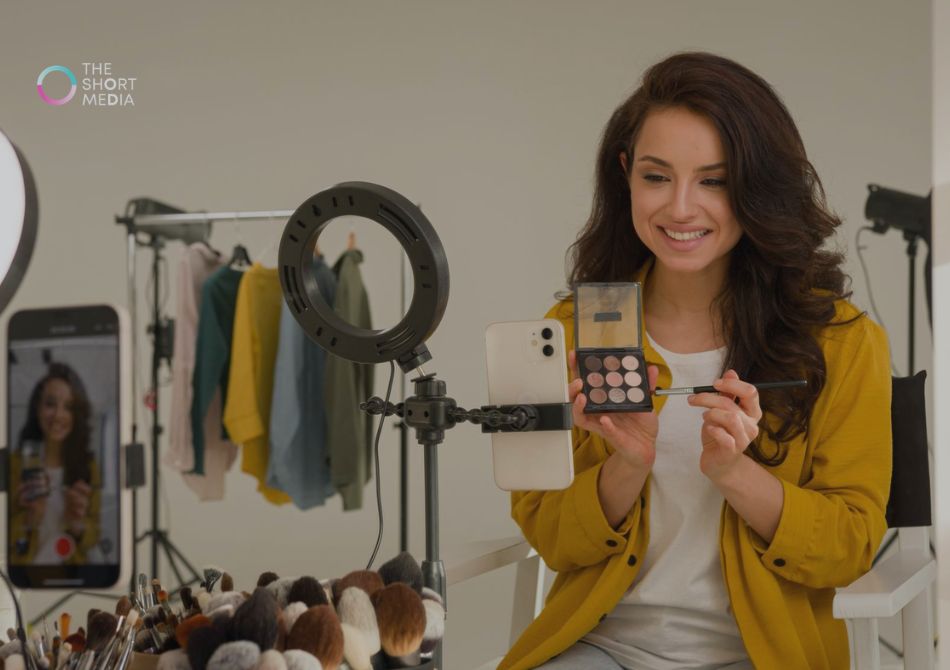
I’ve watched brands spend weeks polishing a product page, setting up bundles, tweaking shipping settings, and then post a TikTok that feels like it was approved by six people in a conference room. Predictably, it goes nowhere.
Then a founder films a quick demo at her kitchen counter, slightly bad lighting, dog barking in the background, and that’s the video that moves product.
That’s the tension with marketing tiktok shop. The storefront matters, sure. Operations matter. But the actual sale often starts in the feed, inside a comment thread, or in a creator video that doesn’t look like an ad. If you treat TikTok Shop like just another ecommerce channel, it gets expensive fast. If you treat it like content with a checkout attached, you have a shot.
A lot of US brands are still figuring this out. Beauty gets it faster because demos are built into the category. Food brands can win if they show use cases people actually copy at home. Fitness products do well when someone shows the annoying little problem the product solves, not just the before-and-after. Home products, same story. A studio shoot of a storage organizer rarely beats a messy pantry cleanout filmed on an iPhone.
Where most brands get marketing tiktok shop wrong
The mistake usually isn’t effort. It’s sequencing.
Teams build the shop, load products, maybe run affiliate outreach, and then expect a few creator posts to carry the whole thing. But TikTok users don’t move in a straight line. They see a clip, scroll comments, maybe save it, maybe get retargeted later, maybe click into the shop only after they’ve seen the same product three times in different contexts.
That’s why a real tiktok shop marketing strategy has to connect content, creators, paid support, and the actual product page. Not in a neat funnel diagram. In practice.
I’ve seen this with a mid-priced skincare brand in the US market. Their first round of content looked polished, almost too polished. Creators hit every talking point exactly right, which sounds good until you watch the videos and realize nobody talks like that. Engagement was weak. Then they loosened the brief. Same product, same offer, but creators were allowed to say things like, “I didn’t think I needed this either,” and show the texture in bathroom lighting instead of a bright studio setup. Conversion got better because the content stopped sounding pre-approved.
That’s a big piece of tiktok shop ecommerce: the sales pitch can’t arrive too early.
A better tiktok shop marketing strategy starts with content formats, not campaigns
Most teams ask, “What’s our campaign?” TikTok usually rewards a different question: what kind of video would someone actually watch long enough to care?
For tiktok shop ecommerce, a few formats tend to hold up across categories:
Demo-first beats brand-first
If you sell a cleaning product, show the stain. If you sell a kitchen gadget, show the annoying prep step it fixes. If you sell a supplement, don’t open with ingredients and claims. Show the routine, the packaging on the counter, the way someone actually uses it before work.
I worked with a home product brand where the top-performing clip was literally a side-by-side drawer before-and-after filmed by a creator in her apartment. Not glamorous. But people could picture using it. That matters more than “premium lifestyle” most of the time.
Creator voice matters more than message discipline
This is where a lot of marketing tiktok shop efforts get stiff. Brands overcorrect. They worry about consistency, so every creator gets the same script points in the same order. Then every post feels interchangeable.
A better tiktok shop marketing strategy gives creators a claim hierarchy, a few non-negotiables, and room to talk like themselves. You can always tell when someone is reading line three of a brief. Viewers can too.
Comments are part of the sales page
This gets missed constantly. Teams obsess over the landing page copy and ignore the comment section, even though comments often reveal the exact objections that are slowing conversion.
For a food brand, we saw repeated questions about portion size and sugar content. The product page mentioned both, technically, but not in the way people were asking. Once the brand started replying in plain English and building follow-up videos around those objections, purchase rate improved. Not magic. Just listening.
That’s another practical part of tiktok shop ecommerce: your audience will tell you what’s missing if you read what they write.
The shop itself still matters, just not in the way people think
Content gets the click. The shop closes the gap.
A weak product listing can absolutely hurt performance. Bad images, unclear pricing, confusing bundle setup, long shipping times, vague descriptions — all of that creates friction. In the USA especially, shoppers are used to fast fulfillment and clear expectations because Amazon trained them that way.
But here’s the thing: the product page doesn’t need to sound like a catalog. For marketing tiktok shop, it should feel connected to the content that drove the visit. If the video is about a creator using a heatless curling set before bed, the listing should quickly confirm what’s included, how long it takes to use, hair type notes, and maybe one or two practical details people were asking in comments. Not a wall of polished brand copy.
A strong tiktok shop marketing strategy usually includes:
– product titles that are understandable at a glance
– images that match what creators are showing
– simple bundle logic
– offers that don’t feel fake or overcomplicated
– fulfillment you can actually maintain
That last one matters more than brands want to admit. I’ve seen a retail launch get traction, only for shipping delays to flood comments within a week. Once that happens, content performance often drops too. TikTok users read comments like detectives.
Paid media helps, but only when it supports what’s already working
A lot of teams try to brute-force tiktok shop ecommerce with paid spend before they have any real signal on creative. Usually a mistake.
The better approach is uglier and less exciting. Post a lot. Watch retention. Watch saves. Watch click-through. See which creator hooks keep people around. Then put spend behind the videos that already feel native.
For marketing tiktok shop, paid should amplify proof, not manufacture it.
This is especially true for DTC brands in crowded categories like beauty and wellness. If your ad looks one step too polished, performance can fall off fast. I’ve seen a creator’s raw post outperform the edited paid version because the revised cut removed the awkward pause that made it feel real. Strange, but there it is.
A practical tiktok shop marketing strategy often looks like this:
– seed product to a mix of small and mid-tier creators
– identify the videos with strong watch time and comment quality
– whitelist or boost the ones that keep their native feel
– use retargeting to catch people who engaged but didn’t buy
– refresh creative before fatigue gets obvious
Not every brand needs a huge creator roster, either. Sometimes three creators with believable use cases outperform twenty generic unboxings.
What works for different US categories
Beauty is still one of the cleanest fits for tiktok shop ecommerce because the proof is visual. Texture, application, wear test, shade match. Easy to show.
Food can work really well too, but only if the product appears in a real moment. A protein snack tossed into a gym bag. A sauce used in a 15-minute dinner. A candy brand doing “first bite” reactions can work, but it burns out quickly if that’s all you have.
Fitness products need specificity. Resistance bands, posture tools, recovery gear — these sell better when the creator shows the exact scenario. “This helps after long desk days” is more believable than generic wellness language.
Home products are sneaky good for marketing tiktok shop. Cleaning tools, storage products, bedding accessories, pet items. The common thread is visual payoff. Mess to clean. Clutter to organized. Problem to fixed.
Even local service-adjacent brands can borrow from this. A med spa, a dental product brand, a meal-prep company. The content still needs to feel like something a person would post, not a regional TV ad cut for vertical.
Don’t confuse affiliate volume with strategy
A lot of brands think more affiliates automatically means a stronger tiktok shop marketing strategy. Not really.
If the offer is weak, the product is hard to explain, or the creative brief is lifeless, adding more creators just gives you more mediocre content. Volume helps when the product already has natural demo value and the brand can respond quickly to what’s working.
Good affiliate programs in tiktok shop ecommerce are operationally boring, honestly. Fast approvals. Clear commission. Reliable inventory. Reasonable samples. Quick communication. If creators have to chase your team for links or can’t tell whether a product is in stock, they move on.
And if you do get a hit, don’t show up two weeks late trying to recreate the same trend with ten new creators. I’ve seen brands do that. It almost always feels stale by the time it lands.
FAQs
1. How long does it take to see results with TikTok Shop?
Sometimes you’ll get a quick winner in the first couple of weeks. More often, it takes a month or two of posting, creator testing, and cleaning up the shop experience before results look consistent. The brands that struggle usually expect immediate efficiency from day one.
2. Do small brands have a chance, or is this mostly for big budgets?
Small brands can absolutely compete, especially if the product is easy to demonstrate. A founder-led video with a clear use case can beat a polished brand asset. I’ve seen tiny beauty and home brands punch above their weight just by making better native content.
3. How many creators should a brand work with at the start?
You don’t need 50. Start with a manageable group and look for variety in style, audience, and use case. Five to fifteen solid creators is often enough to find patterns without creating total chaos for your team.
4. What kind of products tend to sell best on TikTok Shop?
Products with visible proof usually have an easier time. Skincare, snacks, cleaning products, hair tools, organizers, pet products, small fitness accessories. It’s not that other categories can’t work, they just need stronger storytelling.
5. Should brands use polished studio content?
Some of it, maybe. But if everything looks expensive, viewers can feel the ad from a mile away. A product demo filmed in a kitchen or bathroom often does better because it answers the unspoken question: what does this actually look like in real life?
6. Is paid media required for TikTok Shop success?
Not required, but helpful once you know what content is already getting traction. Spending before you have creative proof tends to waste money. Better to boost what people are already responding to.
7. What’s the biggest mistake in tiktok shop ecommerce?
Treating the shop like the whole strategy. The listing matters, but people usually buy because the content did its job first. If the videos are flat, the product page won’t save you.
8. How important are comments, really?
Very. Comments are where people ask the questions your sales page forgot to answer. They’ll tell you if shipping seems slow, if sizing is confusing, if the color looks off, if the creator explanation made no sense. It’s free research, basically.
9. Can Amazon sellers use TikTok Shop effectively?
They can, especially if they already understand pricing, reviews, and fulfillment discipline. The adjustment is creative. Amazon-style listing logic helps, but TikTok still wants content that feels human, not just optimized.
If you’re building a tiktok shop marketing strategy, think less about launching a storefront and more about creating repeated reasons for someone to care. The checkout is important. But the sale usually starts earlier, in a messy little moment on someone’s phone.